










Day in the life of a Digital BSS Consultant: Addressing the strategic challenges of monetizing 5G

Head of Digital Engagement Consulting

Head of Digital Engagement Consulting
Head of Digital Engagement Consulting
5G is not only shaking up networks, but the entire business ecosystem across industries. The evolving capabilities of 5G enable new innovative sets of use cases for different verticals. Ericsson’s report 5G for business a 2030 Market Compass predicts new revenue streams from enterprise services lines in the value of USD 700 billion to USD 1 trillion.
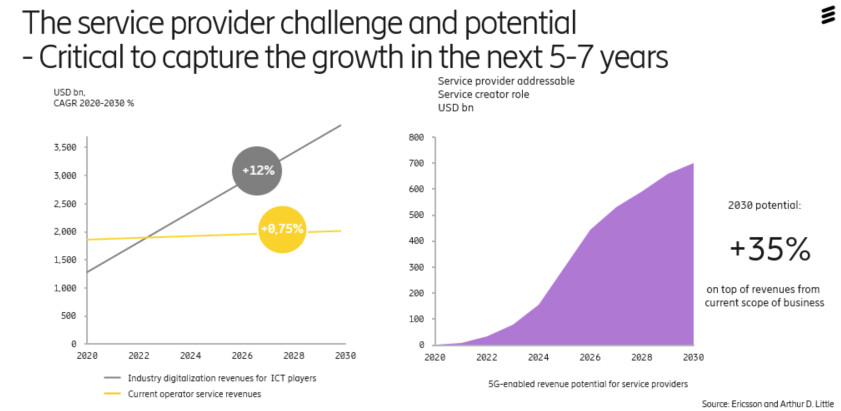
Figure 1: CSP addressable market growth
The typical network developer role of communication service providers (CSPs) is not sufficient to address these emerging markets. Instead CSPs need to evolve to become digital service providers (DSPs). DSPs can adopt different roles in the value chain (network developer, service enabler and service creator) with varying degrees of service and application integration, to provide offerings that go beyond pure connectivity - read more about the CSP roles in our ebrief Getting creative with 5G business models.
Your route forward in a changing business landscape
New business opportunities aren’t one-dimensional challenges. Complex ecosystems and business models demand highly sophisticated digital platforms that support next generation capabilities. A structured thinking process is required when it comes to designing the lifecycle of a service, specifically tailoring the business canvas and business models to enable the successful launch of any service line. The digital strategy and service design drive the business and IT capabilities that are essential for supporting the business. One of the key responsibilities when planning and giving advice about potential improvements is to identify next generation capabilities and validate them against existing IT capabilities to identify gaps. Results vary depending on strategic goals and the maturity of existing delivery platforms. There are three areas to consider:
- The thinking process of building the business model canvas for service design
- Typical complexity of digital use cases
- Related required IT capabilities across operators for digital services.
Let’s look at each area in more detail.
How to build a solid business canvas for service design
All the service lines and customer segments need to be examined across the following dimensions. Working through these questions helps us arrive at the Digital Service Reference Architecture (DSRA).
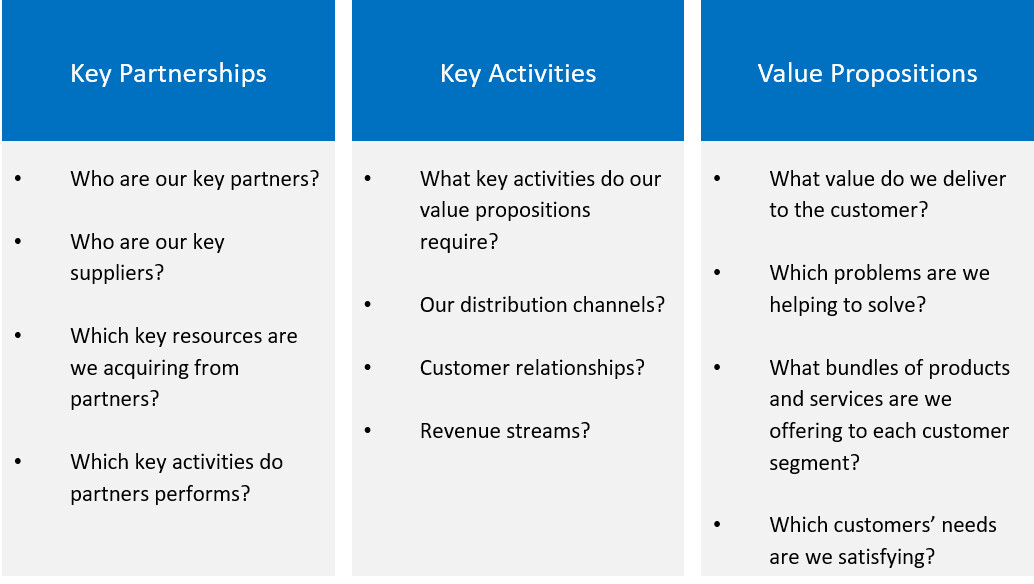
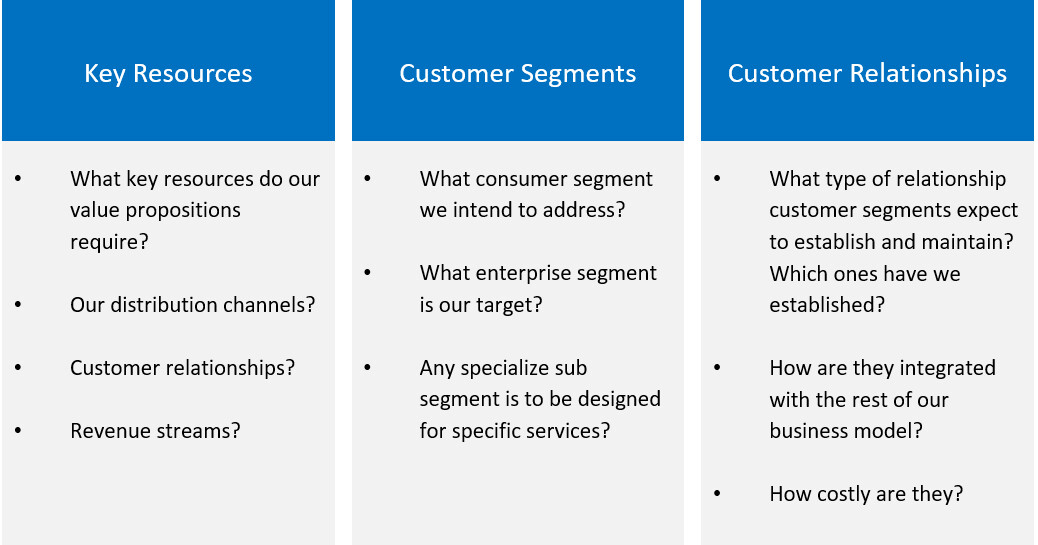
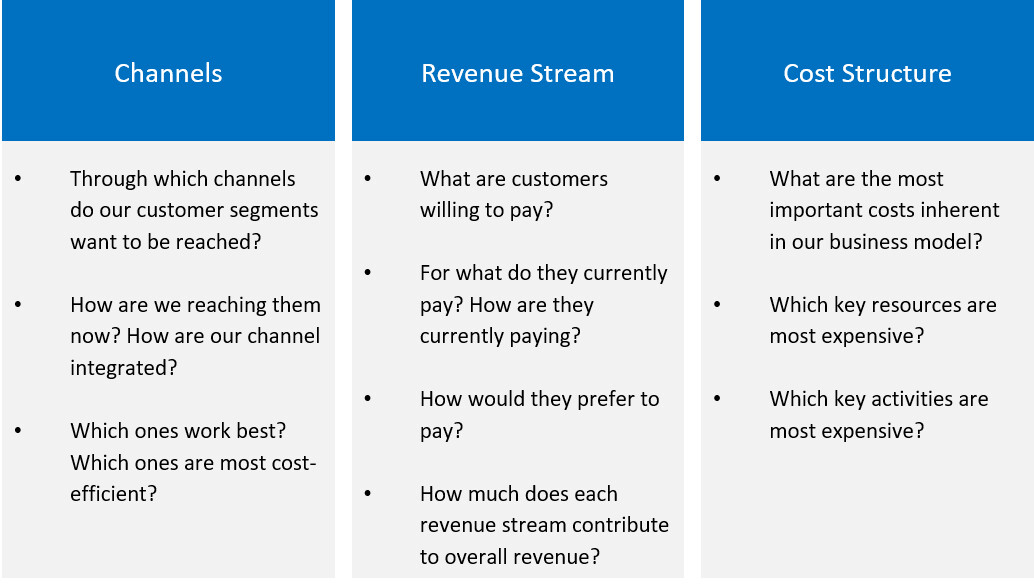
Table1: Digital Service Reference Architecture
How complex are new digital use cases compared with traditional connectivity services?
5G will change operating models across industry verticals. For example, healthcare services could be offered directly to the end customers (B2C) or to the enterprise clients (B2B), or to end customers via another business (B2B2C), depending upon the packaging of the service. A DSP might offer emergency healthcare services at a specific package price. This business model requires an extensive partner ecosystem, including insurance providers, pharmacies, hospitals, medical experts, clinical research organization, medical equipment providers, environment sensor makers, ambulance service providers, dieticians, and emergency response providers.
The following healthcare scenario demonstrates the complexity of new ecosystem offerings compared to traditional CSP service offerings, described across the various dimensions of DSRA:
"A patient suffering from chronic diabetes purchases a package from a health service provider that specializes in providing healthcare monitoring and tracking via its partners. The health service provider connects the patient to sensors to collect vitals and other data and passes this information on to hospital analytics.
The provider then creates the patient’s health profile, using the information above and integrating it with the hospital/physician/insurance database, and uses regular data monitoring to tailor notification/alerts. This enables them to advise on daily medical care and diet in addition to providing emergency care service support.
The health services provider’s payment system also manages all service expenses, which are settled with the insurer after providing all the related information."
Several different healthcare use cases can combine to create many variations of emergency healthcare service offerings. The scenario above is a typical example, and most digital services are equally complex. Such intricate business scenarios demand advanced IT platform capabilities to enable effective digital service. Most of the existing IT architecture components are not geared up to meet this challenge.
How to ensure the key components of IT service delivery platforms for digital services are in place
Having worked through the DSRA and an analysis of complexity of new services with several CSPs customers on the route to DSP, some common themes emerge. We frequently see that the following BSS capabilities need to be enhanced or reinforced to support new complex services.
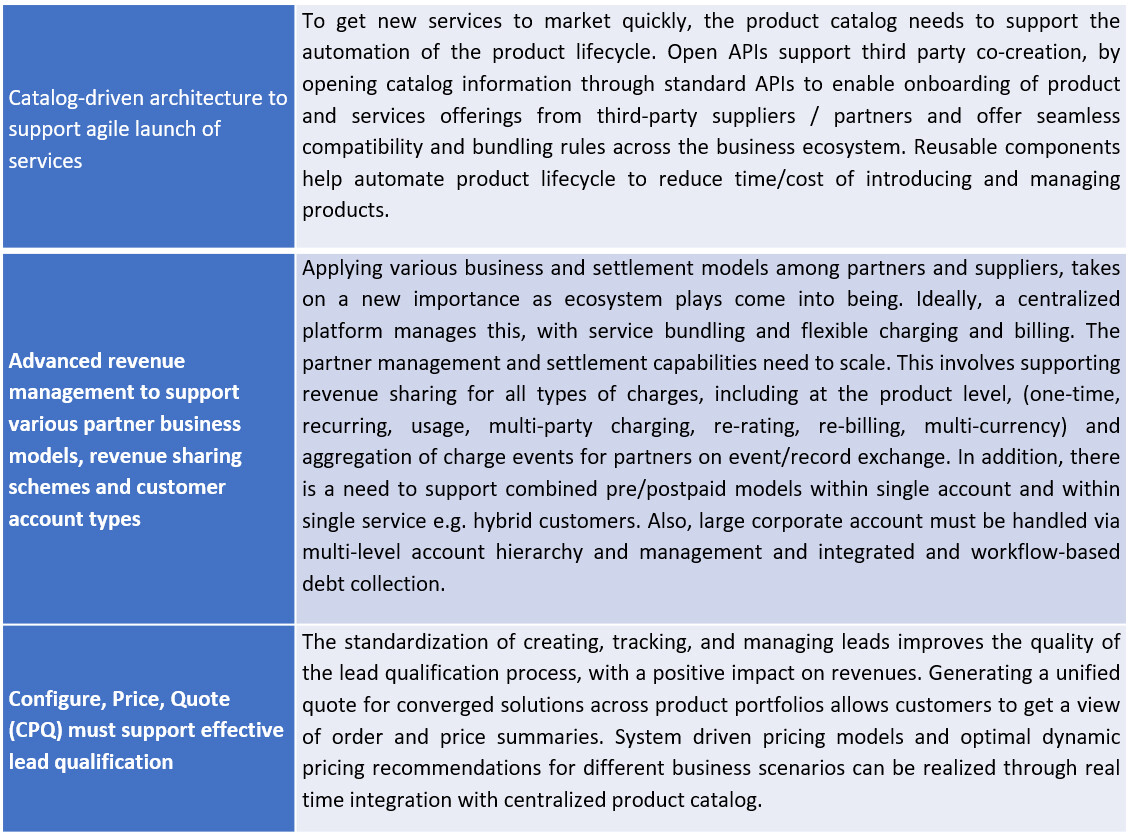
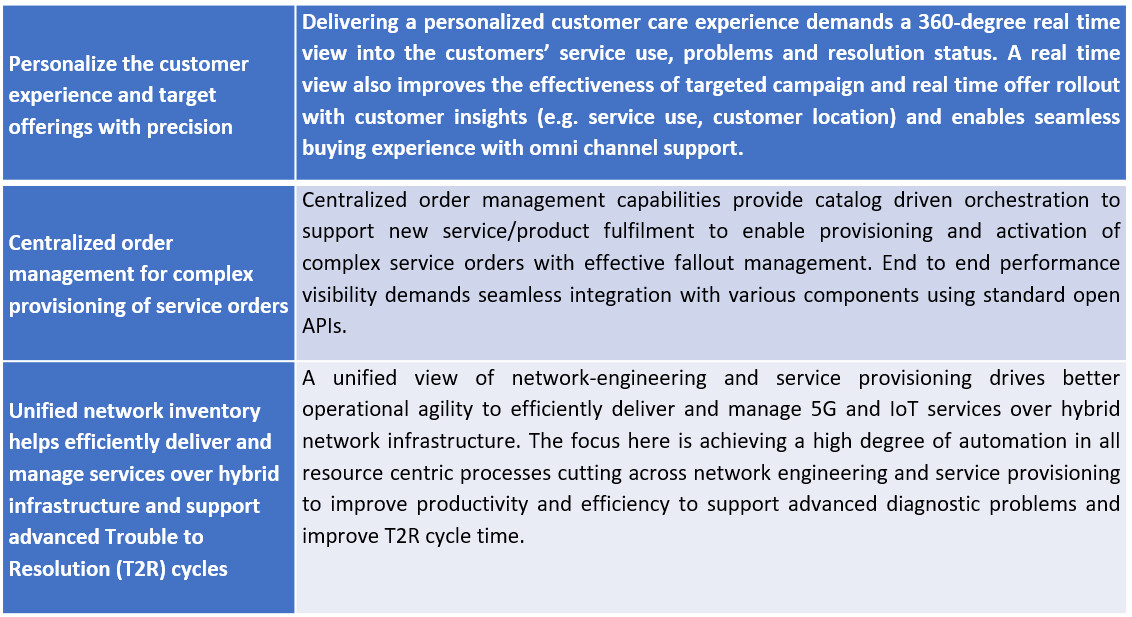
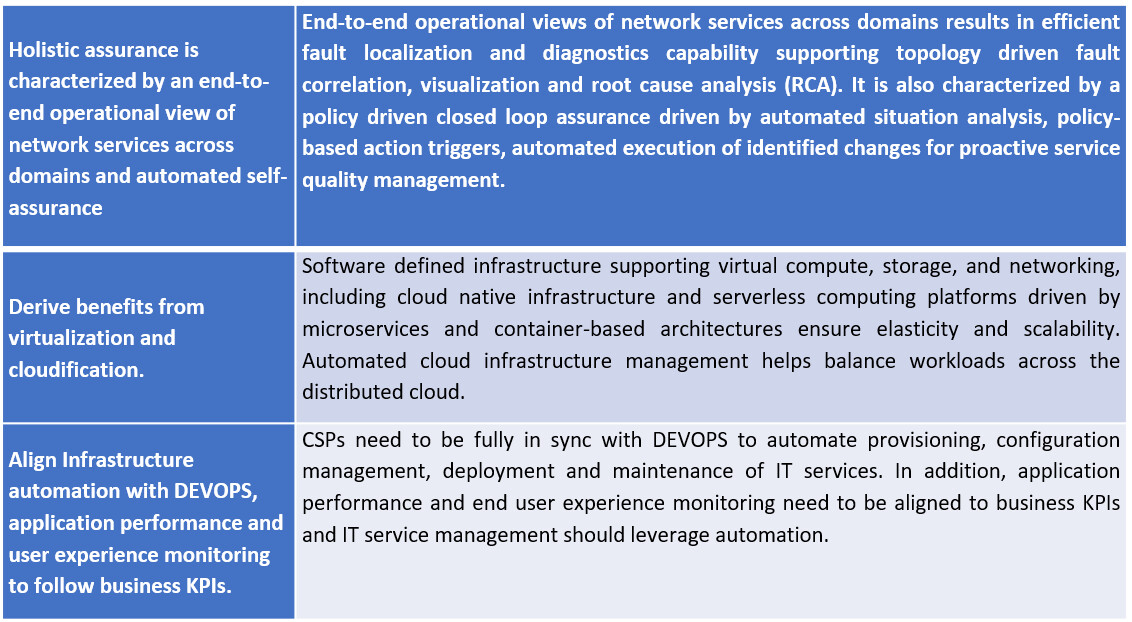
Table 2: Key BSS capabilities
There’s still a way to go to fulfilling DSP roles and successfully monetizing 5G opportunities
New industry standards are driving new waves of digital transformation.
The extent of transformation differs according to organizational maturity and preparedness. However, overall, a new digital transformation era is inevitable with 5G moving in rapidly.
So, there are interesting and exciting times ahead in the life of BSS Digital consultant supporting the evolution of 5G enabled digital services with ecosystem partners and the transformation of monetization platforms.
As we have seen, 5G has already gained traction in the B2C segment, and business players can build on this base. In previous blogs, we have dealt with monetization of 5G B2C use cases in two of our ebriefs Getting creative with 5G business models and Bringing the heat to stadiums: Monetizing on 5G immersive experience.
Going forward, consultants will be often asked how CSPs can monetize their 5G investments in the B2B segment. Consultants will need to focus on enabling enterprises in their 5G journey by offering end-to-end (E2E) solutions in complex industries, sometimes beyond telecom. For example, 5G B2B use case analysis and go-to-market, which includes pricing models, TCO, benefit analysis and commercial modelling which will help enterprises pick the winning solutions and 5G use cases that bring them the fastest ROI.
Learn more
- For more insight on 5G B2C use cases and their business models, please refer to Getting creative with 5G business models
- Please read more about the latest TMF Report Is BSS ready to monetize enterprise 5G?
- For more insight on 5g monetization for BSS, please read more about 5G monetization