










Promoting STEM vocations, values and knowledge
- English
- Español

Government and Institutional Relations (GIR)
Government and Institutional Relations (GIR)
Government and Institutional Relations (GIR)
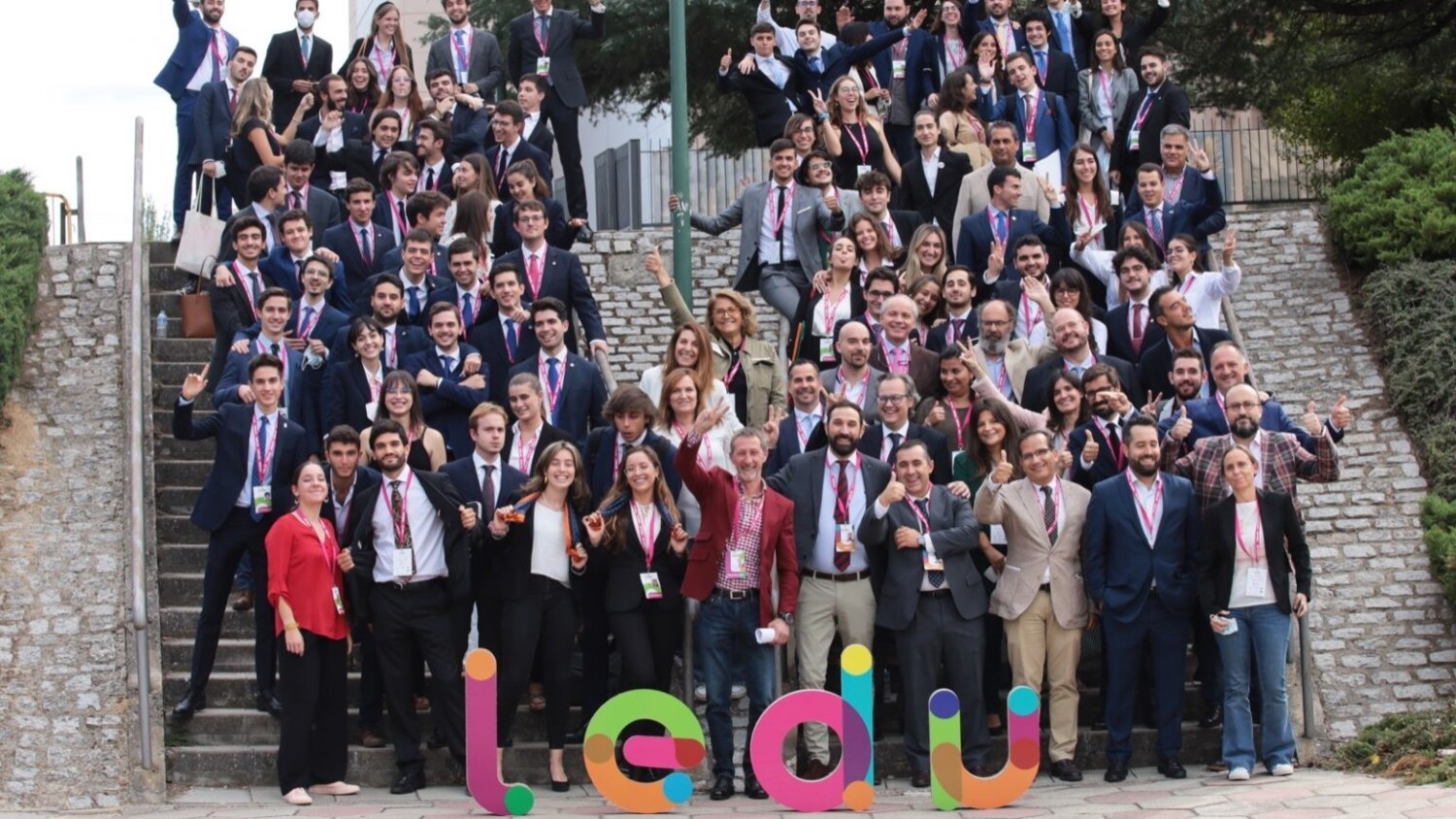
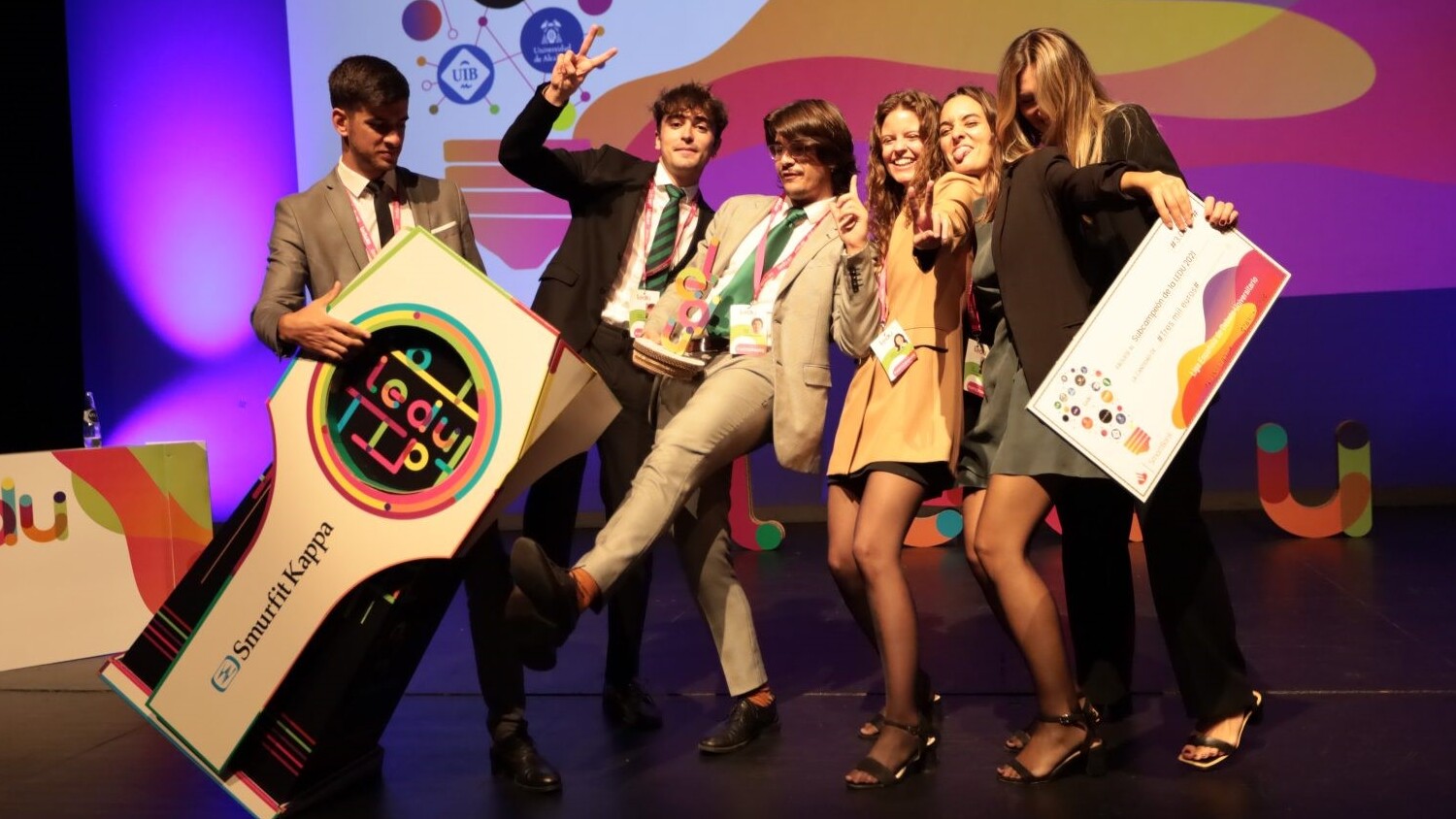
On October 1, 2021, the final of the Spanish League of University Debate (LEDU) was held: an annual competition designed to bring together the best young speakers from Spain. This year, the debate revolved around Spain’s digital transition and the level of preparation required to sustainably deliver social, environmental, and economic digitalization. I had the pleasure of mentoring one of the representative teams from the Carlos III University of Madrid, together with three other Ericsson colleagues.
Being part of initiatives such as this, that can potentially change the lives of young people is at the core of Ericsson’s values – it’s in our DNA – and is part of the reason why I am proud to represent this company. Ericsson has always been more than just a technology company. Since day one, we’ve set out to change the world for the better – not only through our technology, but by driving and being part of many hundreds of local- and global sustainability projects such as this.
One shining example is UNESCO’s Global Coalition for Education program, where we partnered with like-minded organizations to ensure the global pandemic didn´t become a roadblock to learning and teaching, or our collaboration with UNICEF to map internet connectivity in schools in 35 countries, as part of the Giga initiative which aims to connect every school and child to the Internet.
At the local level, we have been giving talks in schools and high schools for years –bringing students closer to the opportunities offered by the technology sector and awakening STEM vocations. All these initiatives have one goal in mind: to facilitate an inclusive education and make sure that no student – and the talent they can offer – is left behind.
ICT as the engine of change
In this occasion, as LEDU mentors, our role was to showcase how digitalization is helping to create a better world. Our overall goal was to convey how information and communications technology (ICT) is a key tool for achieving great advances – not only economically, but also in the social and environmental sphere.
For students in less developed countries, the lack of connectivity in schools is having a long-term negative impact on their academic success rate. If we don’t solve this today, tomorrow those students will be less competitive workers. This also shapes how prosperous a country is since there is a direct correlation between the educational level and the productivity of the economy. In fact, a report by the Economist Intelligence Unit (EIU), funded by Ericsson, explains that for every 10 percent increase in school connectivity in a country, GDP per capita could increase by 1.1 percent.
In addition, numerous studies confirm that improving connectivity also increases opportunities of young people in more developed economies, where not everybody has the same opportunities. For example, in Spain, data from the Ministry of Economic Affairs and Digital Transformation reveals that 10 percent of the population in rural areas have services under 30 Mbps, and almost 40 percent don’t have access to networks of more than 100 Mbps. With the deployment of 5G, we now have an opportunity to eliminate the digital divide and stop the process of abandonment in rural areas in Spain.
In this sense, taking advantage of the arrival of the European funds, it is essential to ensure that 100 percent of the national territory has access to 100Mbps coverage by 2030. To this end, we have maintained a permanent dialogue with the heads of the Spanish Administration, and we work with them to set as priorities the role of R&D, 5G or the closing of the structural gaps of diversity and inclusion. The Plan España Puede prepared by the Spanish Government incorporates important objectives in terms of connectivity and digitalization that will undoubtedly help achieve this transformation.
A cultural issue
But the gap is not just about infrastructure availability. The Digital Agenda 2025 recognizes that there is also a digital adoption and skills gap. In fact, the European Commission's annual report on the Digital Economy and Society Index (DESI), shows that Spain is below the EU average in terms of human capital indicators. Although it is improving its score, almost half of the Spanish population still lack basic digital skills and up to an 8 percent have never used the internet.
Moreover, experts believe that the problem in Spain lies not so much in the resources, but rather in our culture – we have people with great digital skills, but we aren’t properly leveraging these abilities. That’s why it is essential to continue working in these areas and participating in events like the Debate League. Through this, with our experience and knowledge, we are doing everything necessary to ensure that society – including our youngest members – get to realize the importance of ICT and how these skills are helping to meet the challenges of the future.
In this type of experience, ’learning’ is mutual. It’s very enriching to see first-hand the level of preparation and talent of our students, especially the level of research work undertaken by the finalists to defend their arguments. Without a doubt, the skills, and talents of these students – and others like them – will help us make a great progress on our path to digitalization.
During the final of the league Pablo García, Quality Manager at Ericsson, had the opportunity to be in the jury. The final debate came down to the universities of Salamanca and Alcalá, the latter being the winner of the competition. On behalf of myself and my colleagues, I would like to thank the group of students we tutored – Jorge, Leonel, José Antonio, and Víctor – for all their eagerness and effort during the competition.
More information about our company and culture:
Find out why we were named as one of the most sustainable companies
Read more about diversity and inclusion at Ericsson
Discover our work with the United Nations on the Sustainable Development Goals