










How to tailor 5G services? - meet the Ericsson 5G Core Policy Studio

Strategic Marketing Manager 5G Core

Strategic Marketing Manager 5G Core
Strategic Marketing Manager 5G Core
Network slicing with enterprise opportunities is estimated to present an addressable market of USD 300 billion by 2025, and service providers can generate USD 131 billion by 2030 by proactively developing and marketing 5G use cases (Sources: GSMA and Ericsson respectively). A key network capability that enables the flexible creation of tailored services and faster time-to-market is network policy management. We spoke to Esra Kocatürk-Norell, Head of Solution Line Unified Data Management and Policy at Ericsson to find out more.
Hi Esra, can you tell us what network policy management is and why it became even more important with 5G networks?
Put simply, network policies are rules, or collections of rules, that are used for policy decisions taken in real time. These govern the behavior of devices, users and applications in the network. Network policy management is the process of creating, implementing, and maintaining these policies in the network. In other words, it ensures that users will get the service experience they expect (and pay for) from their service provider’s network.
5G networks have a significantly wider set of network policies than previous generations. These network policies are crucial to enable more service differentiation towards enterprises and consumers, and as a result service providers will need a good network policy management system to simplify and automate the programmability task for multiple network policies.
This sounds exciting. Can you elaborate on the relationship between network policies and service differentiation?
Granular and dynamic service configuration in the network is based on the proper configuration of network policies. They represent the network programmability options to define how the network should behave, and how the connectivity service should be delivered based on a set of predefined conditions applicable to the user (such as the location) and the network (for example, the authorized network slices). In the area of network slices, network policies are especially important to ensure that each slice performs and is fit for purpose, by securing the correct quality-of-service (QoS) parameters for each slice.
For example, let’s think of the use case of a network slice serving the connectivity of a collaborative robot (Cobot) in a factory. It’s crucial that the correct QoS is applied to the slice to enable ultra-low latency connectivity to perform specific tasks. However, this ultra-low latency may not be required 100 percent of the time so, to better optimize mobile network resources, the QoS is dynamically adjusted to different values according to the tasks being performed. This is possible thanks to proper configuration of policies for this specific slice.
What are service providers’ main challenges in this area?
In a nutshell, to leverage network policies and manage more network and service configuration options, service providers need to increase the level of digitalization in their network by simplifying and automating the programmability task for multiple policies.
This requires end-to-end visibility and centralized access of all network policies, and the possibility to control them and automate the process of defining multiple policies – securing their consistent implementation across different network elements, enterprise types and/or groups of devices, all in one place. .
It’s extremely important that it’s possible to do this easily so personnel in both marketing and operations departments can design and configure new services without needing to have deep technical knowledge of the policy control elements in the network.
How does Ericsson respond to these challenges?
With our new 5G Core Policy Studio, we offer service providers the possibility to access and control the full set of network policies available in 5G and 4G networks in a fast and cost-efficient way. Based on a centralized policy provisioning engine, the tool enables service providers to automate the policy configuration activities by enforcing complex end-to-end service cases in the network, with only one command towards all the involved policy decision points (as shown below).
The tool also offers a graphic user interface (GUI) with guided flows to configure E2E service cases in an easier way, helping create the necessary conditions and policy rule notifications with syntax validation and auto-completion capabilities.
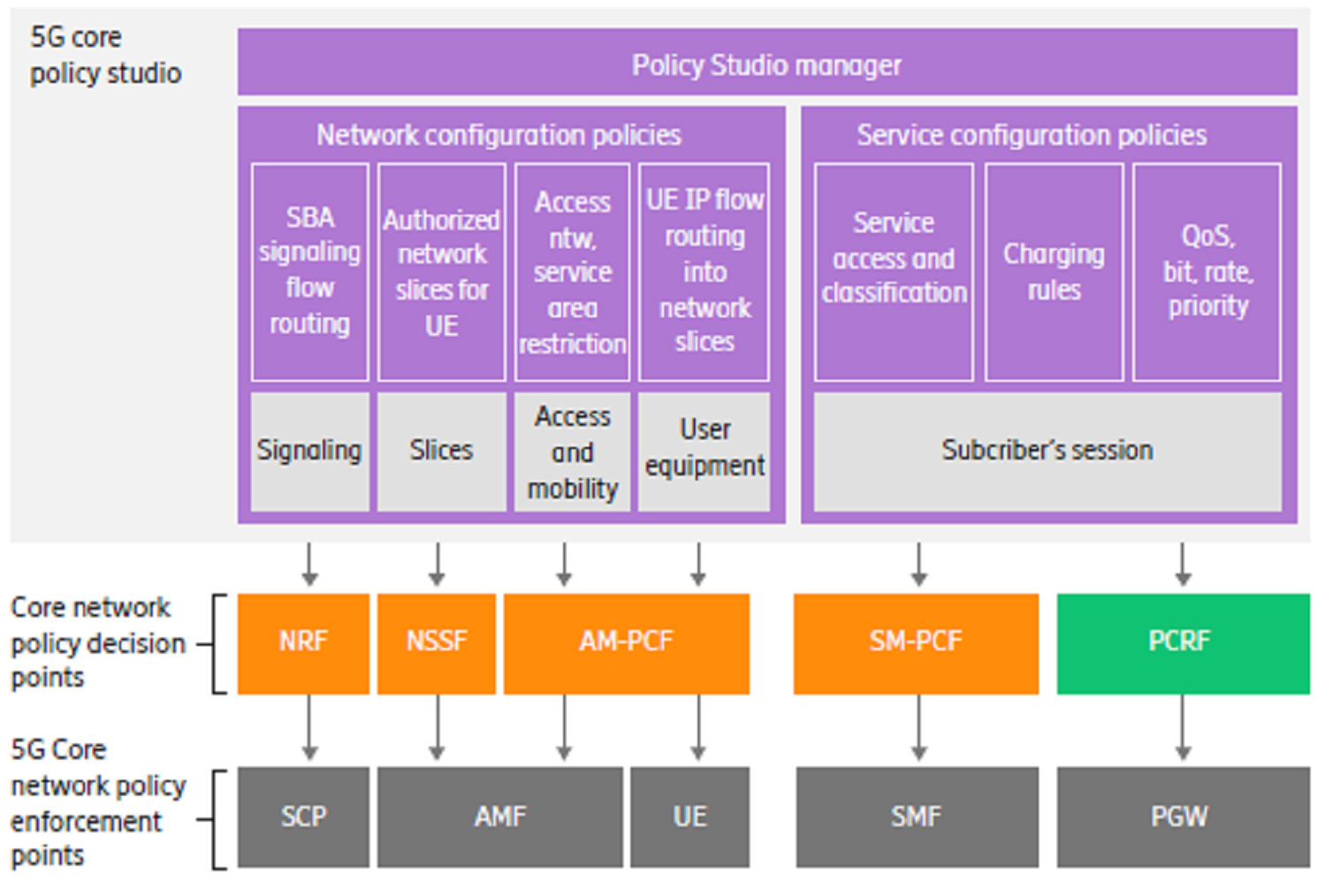
Figure 1: Ericsson 5G Core Policy Studio overview
Can you highlight three benefits that the Ericsson 5G Core Policy Studio offers service providers?
With the 5G Core Policy Studio service providers can:
- Define a richer offering of customized services to enterprises and consumers
- Simplify the service design and configuration activities for marketing and operations departments
- Reach up to 70 percent OPEX savings in policy configuration activities
This will help them accelerate the time to revenue with 5G and reduce operational costs.
And how does the 5G Core Policy Studio integrate with Ericsson’s dual-mode 5G Core solution?
The 5G Core Policy Studio is part of our dual-mode 5G Core solution. It’s seamlessly integrated into the main policy decision points of 5G and 4G core networks (i.e. PCF, PCRF, NRF and NSSF) and it forms part of our products for policy control: Cloud Core Policy Controller (CCPC), Cloud Core Resource Controller (CCRC) and Service Aware Policy Controller (SAPC).
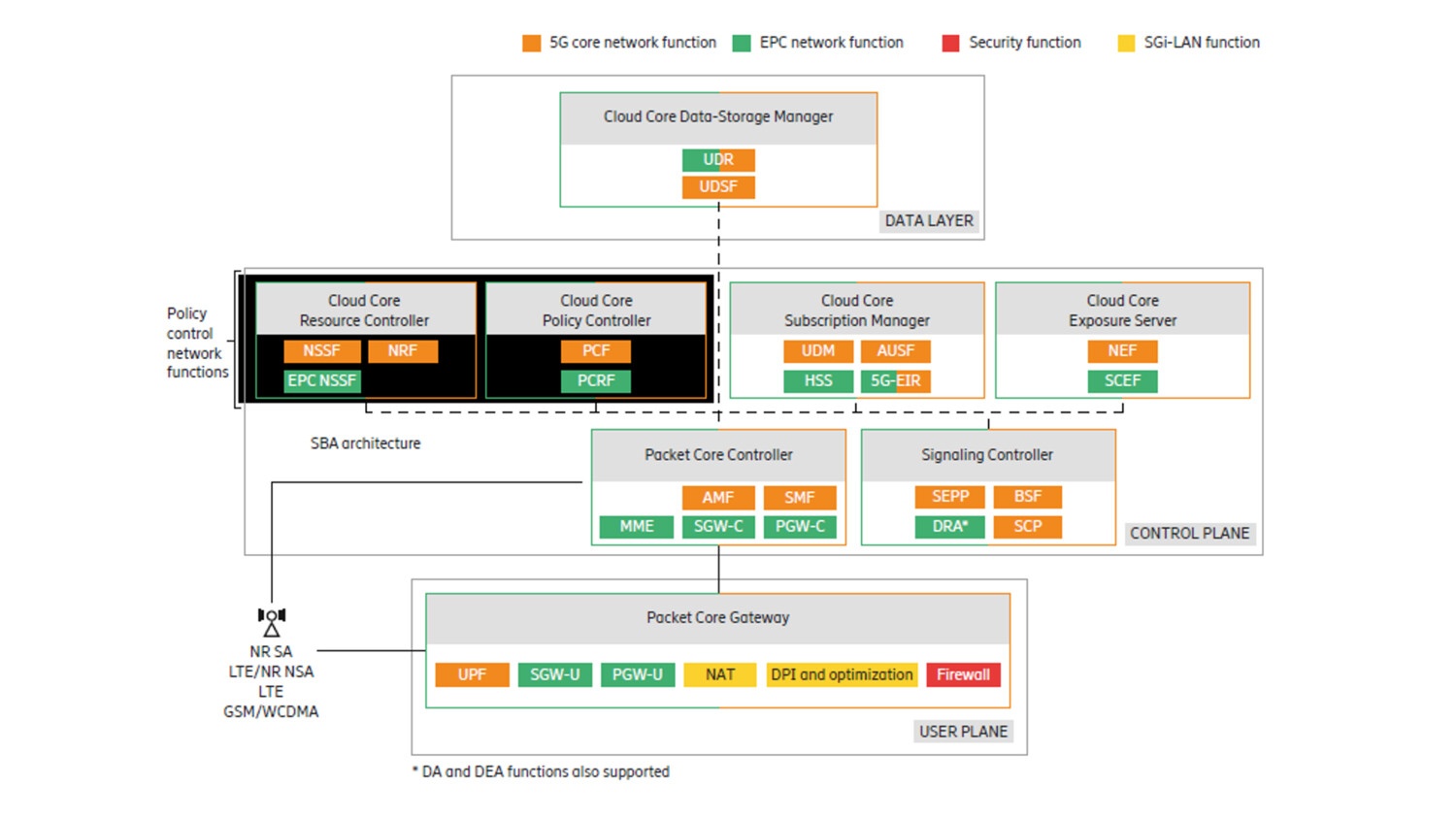
Figure 2: Dual-mode 5G Core solution overview
Find out more about the 5G Core Policy Studio and how it can help to grow revenue with advanced service differentiation.
Join also our launch event on March 25 where we will tell you more about what Ericsson 5G Core Policy Studio can do and show a product demo.

Esra Kocatürk-Norell, Head of Solution Line Unified Data Management and Policy at Ericsson