










How 5G CNR solves operational issues in your neighborhood
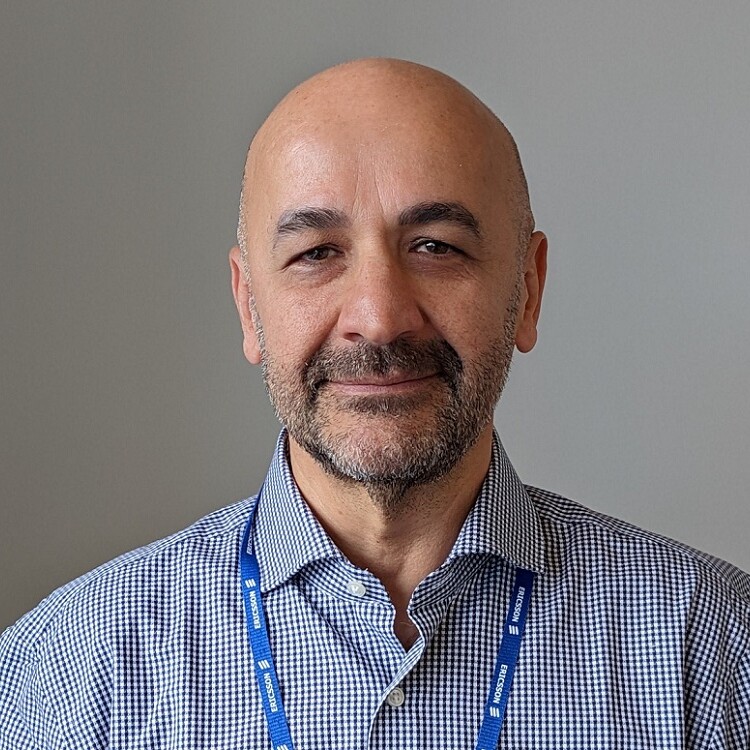
Senior Solution Manager

Senior Solution Manager
Senior Solution Manager
The dreaded dropped call
Ensuring good neighbor relations is crucial for maintaining network quality and avoiding the dreaded dropped call. To resolve these types of operational issues automation is a key component – making life easier for communication service providers (CSPs) and reducing time to market for new radio solutions.
In previous generations, neighbor relations have been automated based on measurement reports transmitted from mobile devices that detect neighboring cells and all the relevant managed objects between the source and the target cells. These measurement reports can help to determine whether a mobile device connection should be handed over to a neighboring cell offering better radio conditions, and thus a better experience.
Today, with the deployment of high-band 5G cells, in the frequency range above 24 GHz (the so-called millimeter wave bands), this traditional approach to cell handover is no longer possible. Below, we explore why and how to resolve this problem.
Why are neighboring cell relations important?
Efficient neighbor relations between cells are not only crucial to supporting seamless cell handover, but also enable key network technologies such as carrier aggregation and E-UTRAN-NR dual connectivity (commonly known as ENDC). So why are these technologies so important for network experience?
Up until now, intra-band cell handover has been achieved through a distributed self-optimizing network (DSON) feature running on the Radio Access Network (RAN) node, such as eNodeB or gNodeB. But owing to limitations in certain device chipsets and some current limitations in RAN, the cell global identity (CGI) cannot be retrieved for today’s high band 5G cells meaning, for example, that it’s not possible to automatically detect if a 5G cell is available and create the neighbor relation to handover to 5G automatically. If this does not happen and the traffic in the 4G cell increases, we could have a drop call, with bad performance from LTE/5G cell handover expensive and difficult to manage manually.
To avert this worst-case scenario, a solution is needed that provides the source node with information about the target cell and connects them together with cell interfaces to enable hand-off. If not, the missing relations will result in dropped calls and poor network coverage.
That’s where the RAN applications (rApps) Ericsson 5G Centralized Neighbor Relations comes into play. Having already deployed and demoed on Ericsson’s 4G/5G Distributed Innovation Network in Plano, Texas, this rApp can be declared “the real deal” and a world first, with Ericsson being the first vendor to offer this solution.
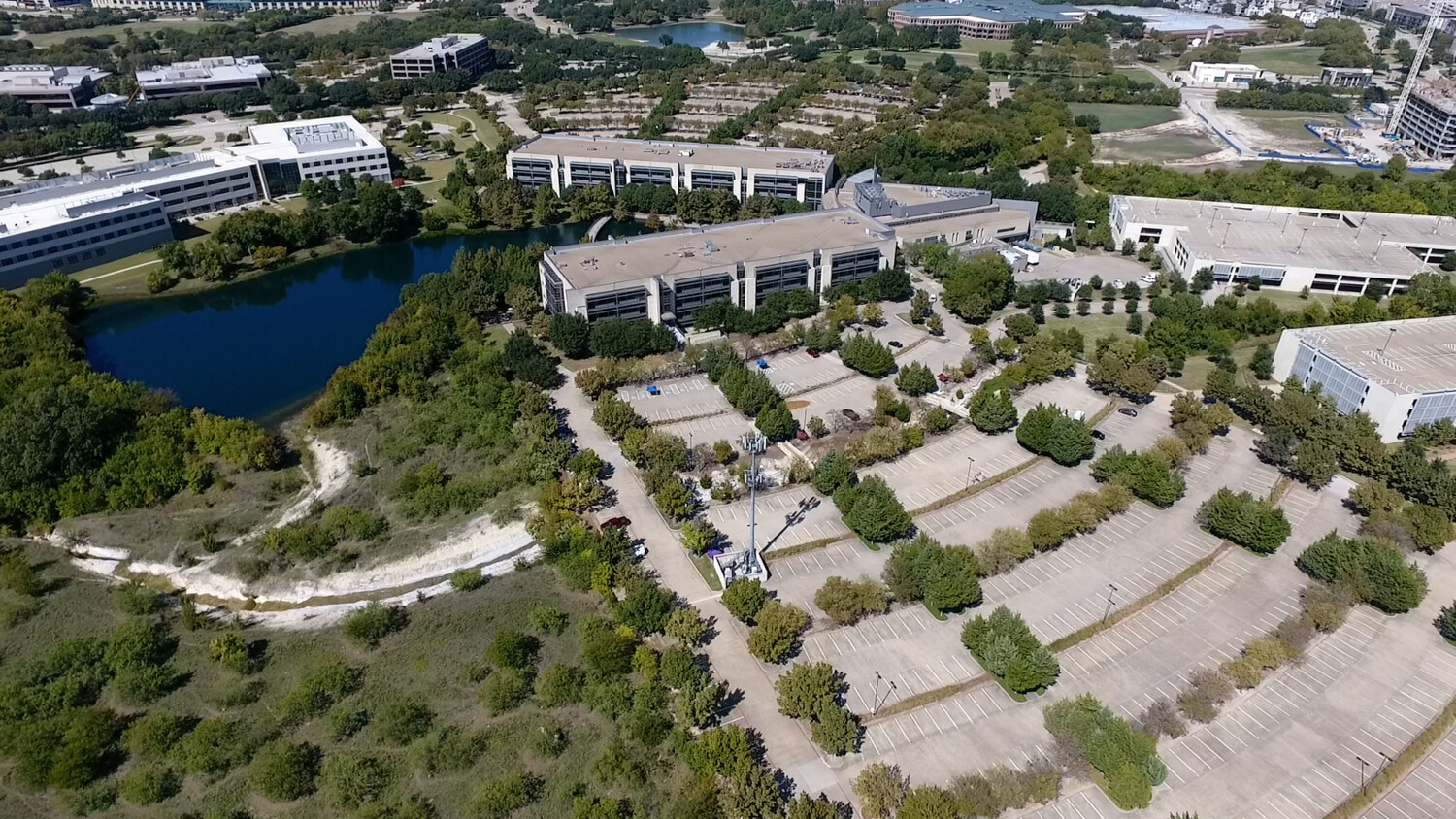
The 5G CNR went live in Plano Ericsson Village. The 5G Distributed Innovation Network demonstrates an end-to-end 5G ecosystem in an enterprise environment, providing a platform for innovation. The network is located across multiple Ericsson campuses in North Texas, including the headquarters and a research facility nine miles away.
Solving the high band 5G handover puzzle
The Ericsson 5G Centralized Neighbor Relations rApp is an automated solution.
It enables the user to efficiently search for 4G to 5G cell neighbor candidates in the network and creates the necessary objects for these neighbor relations automatically. It does this by establishing cell-neighbor relations based on various measurements and detection – essentially it builds the relationship between the cells and connects them together in an automated fashion. It supports LTE to 5G frequency range 2 (FR2) cell relationship creation by:
- Consuming the cell’s geographical and topological data, evaluating which cells are neighboring each other and configuring this neighbor information on the cell’s gNodeB
- Exposing a simplified view of cell relationships that coordinates any configuration management (CM) requests towards the Ericsson Network Manager (ENM) and makes the necessary changes on the node, with corresponding updates to the SMO inventory and topology component.
This reduces operating expenditure (OPEX) by removing the need for manual configuration of neighbor lists for intra-frequency, inter-frequency handover. It also increases 5G resource usage, which leads to a significantly better user experience with fuller neighbor lists, and reduces the session drop rate by assuring that the best neighbors can always be used in handover. Insights and visibility are also increased by the means of standardized APIs that provide access to the insights and the execution details of the automatic neighbor relation application, including scheduling, recommendations (using ML/AI techniques) and monitoring.
rApps and the Ericsson Intelligent Automation Platform
The 5G CNR rApp works together with the Ericsson Intelligent Automation Platform (EIAP), which is the first truly cloud native and open solution for multi-vendor and multi-technology RAN service management, automation and orchestration. Ericsson EIAP platform enables rApp development to provide an environment for developers to design any application with AI/ML infusion to reduce human intervention in operation and other potential fields where automation is applicable. It provides the capabilities for rApps to gather network insights, process them, store them, and use them to apply algorithms and make changes automatically back in the network. At the same time monitoring key performance indicators to make sure there isn’t any degradation.

No RAN is an island! Read our blog post to discover why the Ericsson Intelligent Automation Platform is a RAN automation booster.
Spirit of collaboration
EIAP also enables another innovative step forward: the Ericsson Intelligent Automation Platform Software Development Kit (EIAP SDK) – the first, and the most important step in driving an open rApp development and ecosystems. With the EIAP platform being open and multi-vendor, it fosters ecosystem growth and affords a system of capabilities to enable software developers to build products that empower the next generation of applications, whilst also benefiting an array of use cases including app life cycle management. The EIAP platform allows developers and operators to come in and develop their own micro services or apps. In order to fill the gaps, to create an automated for example. CNR has been able to simplify the 5G cell deployment in an ‘unhealthy environment’. Close collaboration too is needed to build an entire ecosystem to realize automation and network programmability.
rApps are providing broader ecosystem to engage in the telecom space to create innovative products, design specific solutions based on certain niche needs and propel the industry forward. The SDK enables communications service providers (CSPs) to define and build rApps that most closely match their individual needs and also enables the creation of rApps by third-party developers. Essentially, anybody – from operators, developers to vendors – can easily develop their applications. While some of these applications will be based on CSP specifications, outsourced development, increasingly we expect to see independent rApps from systems integrators, independent software vendors, start-ups and even universities.
If we analyze the telecom industry today, the operation and deployment of the core and the transport network is very expensive and time-consuming. What this automation platform offers is the opportunity to develop apps that can automate the whole process. For example, today we have built, and cloud ran the installation from scratch, meaning that rApp will deploy and configure the hardware, the operating system, the underlying cloud, and validate that and then put the application cloud RAN on top, as well as run the test. If this procedure is fully automated, it will take a mere three to four hours before you have deployed and readied the cell to be part of the network.
From the telecom technological evolution perspective, intelligence in the rApp will enable network-wide performance controlled via intent-based automated decisions in the higher-level control loops. Later this will cascade down to the network in fast control loops in terms of execution.
There is industry consensus that increased openness and the resulting wider ecosystem will allow for more innovation, improved network efficiency at scale and better network orchestration.
The need for the 5G CNR rApp and the EIAP was evident at the Big 5G Conference 2022 where Ericsson’s demonstration of this solution received a lot of interest from tier-1 providers. The event also made other vendors realize that collaboration on a multi-vendor and open platform is a necessity for boosting innovation.
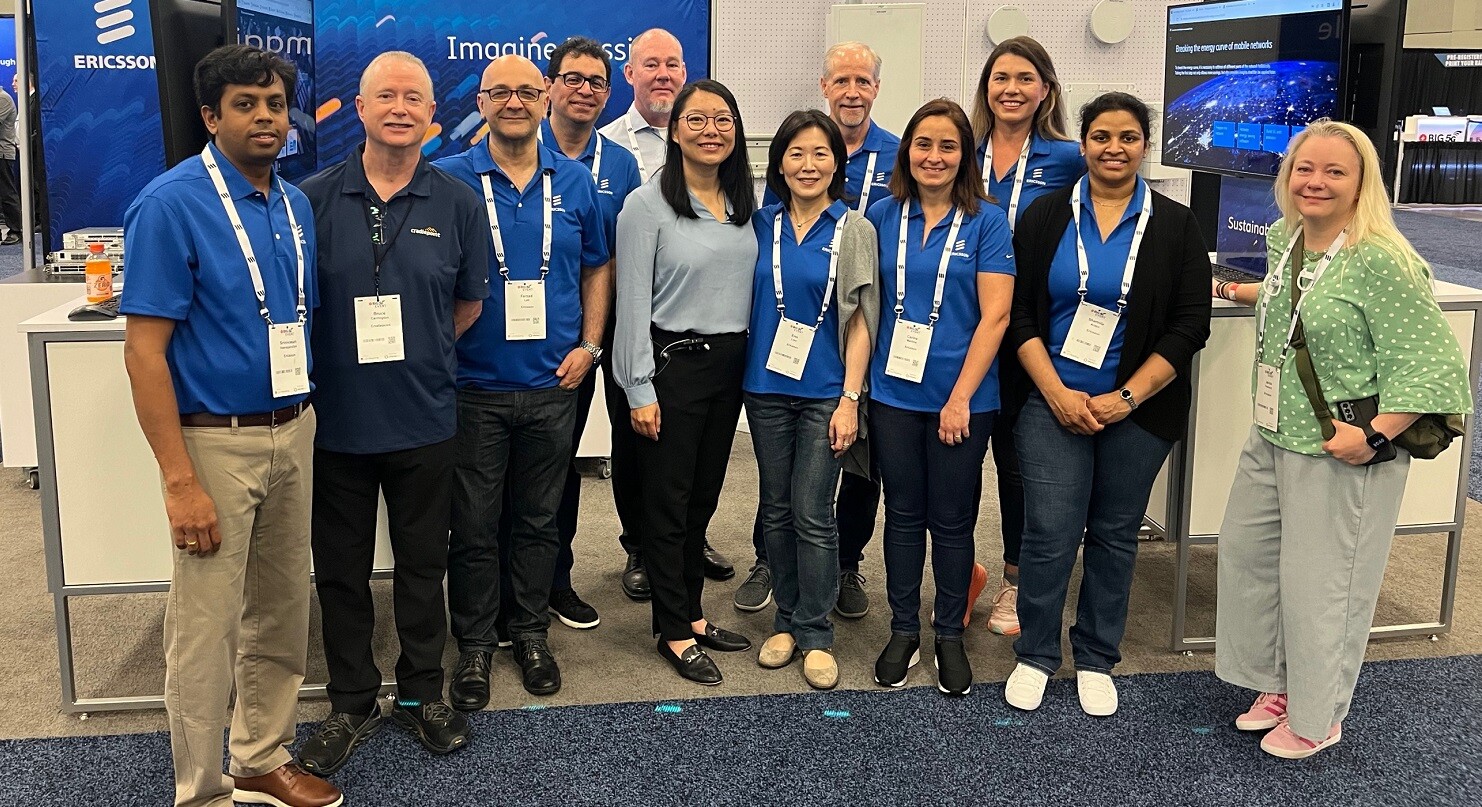
The Ericsson team at the Big 5G Conference 2022
The intelligent future
5G CNR is a practical example of what kind of problem can easily be resolved on EIAP, it will ease up the operational problems, save money and accelerate 5G deployment. Looking ahead, there are tons of rApp ideas out there that can be developed and, like 5G CNR, be deployed and life cycle managed on the EIAP platform. I am excited that the possibilities are endless, and we’ve just entered a new era of telecom for automation and network programmability In Ericsson’s Plano lab we are continuing to develop functional demo platforms and rApps, including the topology modelling & configuration handling,
Developer Portal and App Manager, EIAP Connected as a Product, Cloud RAN IOS rApp, Viavi rApp onboarding using EIAP DIN lab setup in MANA – and other use cases to make the future of telecom networks more intelligent and automated.
Learn more
Read more about the Ericsson Intelligent Automation Platform
Read more about rApps
Read more about the Software Development Kit (SDK)
Download the Ericsson 5G Centralized Neighbor Relation rApp solution sheet