








The evolution of MINI-LINK: from wire substitute to traffic node
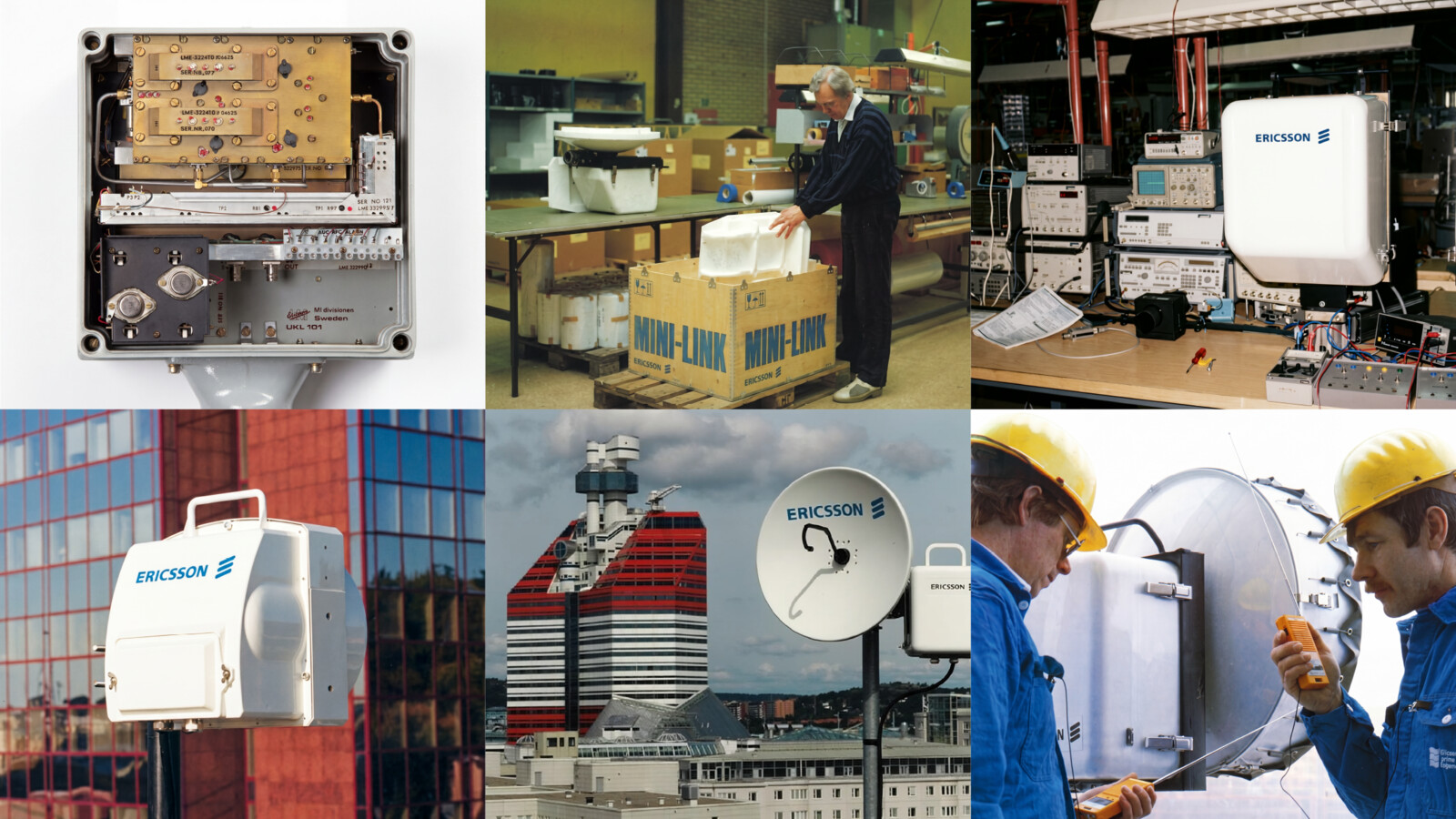
- 2026 is a year of celebration. Ericsson turns 150 and MINI-LINK 50. This blog is the first deep dive into MINI-LINK’s 50 year history of innovation, focusing on the emergence of the node concept.
- MINI-LINK has evolved from a wire substitute for hard to reach sites into a modular, scalable foundation for multi level mobile backhaul. Why, and how, did that evolution happen—and what technical and commercial challenges shaped it?

Head of PEU Transport

Senior Specialist Wireless Transport
Head of PEU Transport
Senior Specialist Wireless Transport
Head of PEU Transport
Senior Specialist Wireless Transport
When digital mobile access systems entered their second generation around 1990, those of us working in mobile transport could sense a fundamental shift approaching. Mobile telephony was maturing rapidly and Communication Service Providers (CSP) were expanding their networks in every direction. New base stations appeared in dense urban environments, across rural landscapes, and in locations chosen primarily for radio propagation rather than ease of access. With this expansion came an immediate and growing challenge: how to connect all these sites to the network core efficiently and reliably?
In many cases, extending copper infrastructure was simply not feasible. Civil work was slow, costly and often impractical. Sites were placed on rooftops, hilltops and remote terrain where fixed infrastructure was difficult or impossible to deploy. It became clear early on that traditional backhaul approaches would not keep pace with the speed and scale of the mobile network rollout.
Microwave transmission changed this dynamic. It offered CSPs a way to establish high quality transport links quickly, often within days rather than months. As spectrum licensing and regulation evolved, microwave became not only a temporary workaround, but a structured and dependable means of accelerating network deployment. For a time, this was sufficient.
However, success brought a new complexity. As networks expanded, aggregation levels increased. Traffic volumes grew and sites began to serve multiple roles within the network. What had once been a collection of simple point to point links started to resemble a network in its own right. Yet much of the underlying equipment and operational practice still reflected a far simpler era.
Within the MINI-LINK team, this mismatch sparked important discussions. If microwave was becoming a core part of national and regional transport networks, it could no longer be treated merely as an alternative to copper or leased lines. We began to rethink what microwave sites needed to be. Three fundamental principles gradually emerged.
- Scalability was essential. A solution had to support everything from small end sites to large aggregation nodes, without forcing redesigns as the network evolved.
- Manageability became critical as networks grew. Manual configuration and site visits were no longer sustainable at scale. CSPs needed visibility and control from a distance.
- Future readiness was equally important. Circuit based transport dominated at the time, but it was evident that future mobile generations would introduce different traffic profiles and transport paradigms. Migration, not disruption, had to be built in.
This blog explores how these ideas led to a shift in how microwave transport was conceived from individual hops to an integrated traffic node and how that way of thinking continues to influence mobile backhaul today.
Recognizing the challenges before they were discovered
As radio base station coverage expanded, transport networks often grew organically into chains or tree like structures of microwave links. Depending on the depth of the network, adding a single new site could trigger consequences far beyond the local point of deployment. Increasing capacity or rerouting traffic frequently requires reconfiguration, or even replacement, of equipment at multiple sites along the path. What initially looked like a local change often revealed itself as a network wide problem.
Over time, some sites naturally emerged as aggregation points. Traffic flowed towards them not through deliberate architectural planning, however, because geography, line of sight conditions and access to facilities made them convenient hubs. As more equipment accumulated at these locations, new constraints appeared. Physical space became scarce. Power and cooling margins were reduced. Operational complexity increased.
From an engineering perspective, it was increasingly clear that simply adding more boxes, cables and patch panels would not scale indefinitely. At the same time, developments in the radio access network pointed toward significantly higher traffic volumes. The transition from voice centric systems to data dominated services would place entirely new demands on transport.
The prevailing approach to capacity growth incremental additions, manual patching, and rigid hierarchies worked, but ever more inefficiently. Each upgrade added risk, cost, and operational effort. Flexibility was limited and adaptation to changing traffic patterns was slow.
Gradually, a different perspective emerged. Instead of treating each microwave site as a passive endpoint, we began to view it as an active part of the network. If networks were going to grow in depth and complexity, intelligence had to move closer to the edge. Traffic needed to be aggregated and managed where it entered the transport network, not far downstream.
This was less a single design decision than a change in mindset. We were no longer asking how to build better microwave links. We were asking what role microwave sites needed to play in the network as a whole.
From idea to architecture: defining the traffic node
During the early phases of GSM rollout, microwave transmission was planned largely as a collection of individual hops. That approach made sense when rapid coverage was the primary objective. But as data volumes increased and aggregation layers became more complex, the limitations of hop centric planning became difficult to ignore.
Capacity upgrades often require physical changes rather than simple reconfiguration. Traffic paths had to be manually adjusted as networks evolved. Interfaces and cabling multiplied as capacity scaled in small, rigid increments. What had once been manageable began to feel brittle.
Rather than continuing to optimize isolated building blocks, we began exploring a more fundamental architectural change based on integration. The idea was to collapse radio, traffic handling and management functions into a single, coherent network element—a traffic node.
This node would handle traffic locally through software configuration rather than physical patching. It would support both existing circuit services and emerging packet traffic. And it would be designed to scale technically and economically as site roles evolved.
Such an approach inevitably shifted investment forward. More capability was built into each site from the outset, with the expectation that this would reduce operational effort and rework over time. The challenge was not only technical, but conceptual. CSPs had long planned microwave networks link by link. Now we were asking them to consider how sites would function as part of a network over many years.
Internally, this thinking became captured in a simple phrase: a move from hops to networks. It reflected the realization that microwave transport had grown beyond its original role and needed to be treated as an integral part of the transport layer.
A modular foundation for growth
For the traffic node concept to be viable, it had to be flexible. End sites and aggregation sites serve different purposes, yet CSPs needed a common architectural approach that could accommodate both.
Modularity became the foundation. Nodes were designed to start small and grow as needed, using the same underlying principles. This allowed cost efficient deployment at simple sites while enabling high density and capacity where required.
Just as importantly, nodes behaved consistently from a management and traffic handling perspective, regardless of size. This consistency reduced operational complexity and made it easier to expand and adapt networks over time.
Migration was a recurring design concern. Live networks cannot tolerate disruptive replacements. The architecture therefore emphasized coexistence and gradual evolution, allowing new capabilities to be introduced while existing services continued uninterrupted.
Over time, this approach proved robust. Successive generations increased processing power, radio capacity and packet handling without breaking the basic structure. The node absorbed change rather than being forced to restart with each new requirement.
Bringing the vision to market
Turning an architectural vision into a successful product was a significant undertaking. It requires not only new hardware concepts, but also an entirely new software architecture. Managing risk was therefore a priority from the beginning.
Early deployments in live customer networks played a crucial role. They exposed assumptions that no laboratory environment could fully be replicated and help shape the product into something operationally practical.
Market adoption was not immediate. The traffic node represented a different way of thinking about transport networks and some CSPs were understandably cautious. To lower barriers to adoption, flexibility became important—not just technically, but commercially. CSPs needed to be able to start small, gain confidence and expand over time.
As adoption grew, the advantages became tangible. Operational effort decreased. Capacity expansion became smoother. Sites could evolve without repeated redesign. What began as a forward looking architectural bet gradually became a new reference point for microwave transport.
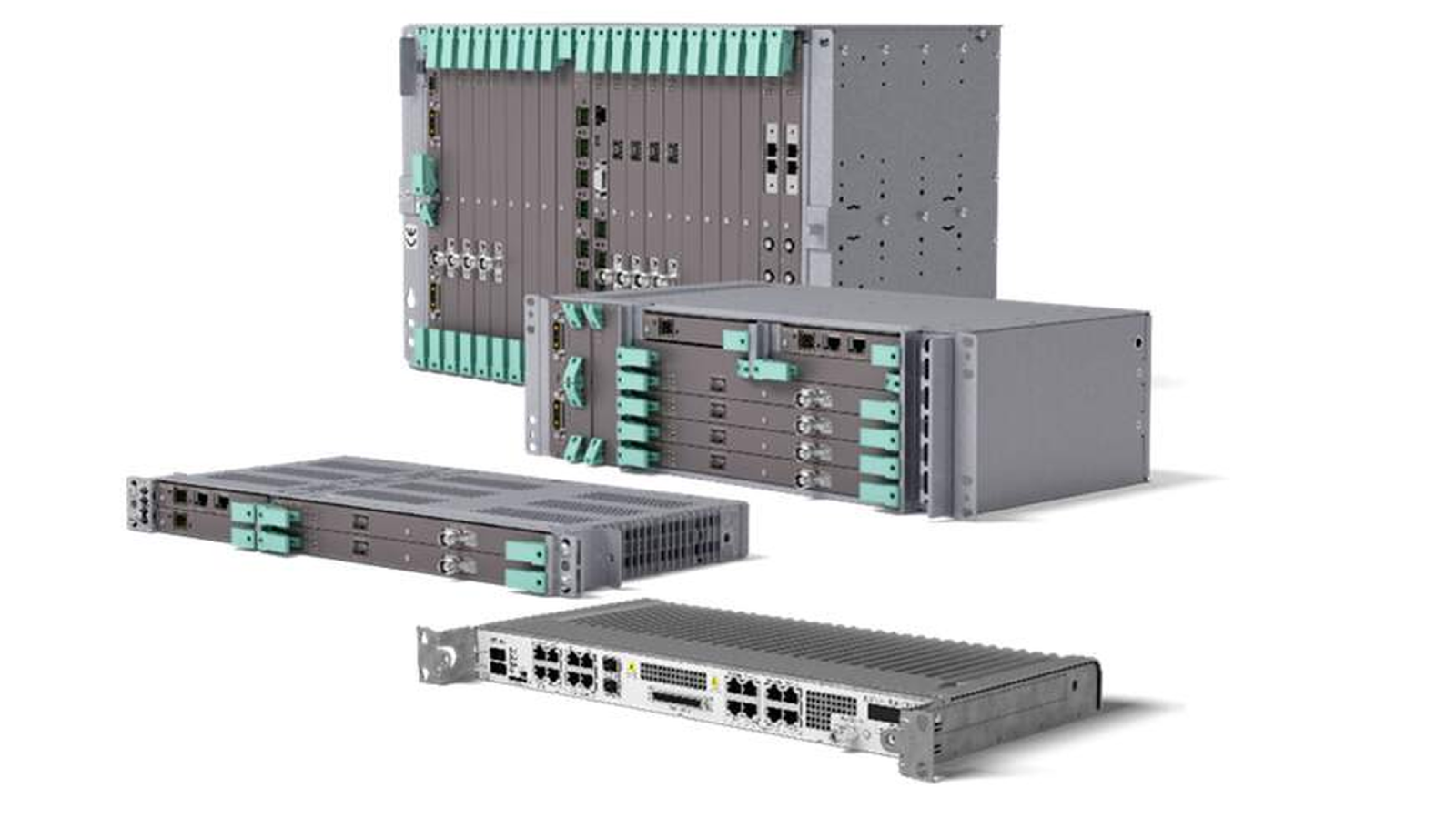
Figure 1. MINI-LINK TN R4.1 AMMs, 2p, 6p and 20p
From circuits to packets: an architectural bridge
The transition from circuit based transport to packet dominated networks was gradual and for many years both models had to coexist. One of the strengths of the traffic node architecture was that it anticipated this reality.
Rather than forcing an abrupt change, the architecture allowed CSPs to introduce packet transport incrementally while maintaining the availability and predictability required by existing services. Traffic handling evolved step by step, bridging generations of transport technology without destabilizing live networks.
In hindsight, the node concept was prepared for packet transport long before packets became the dominant concern—not because of a specific feature, but because flexibility and evolution were built into the architecture from the start. But more about the story around packet in the next blog.
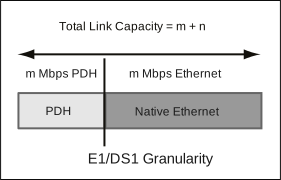
Figure 2. Hybrid traffic handling concept enabling coexistence of circuit and packet services
Continuity into modern architecture
As mobile networks moved into the 4G and 5G eras, backhaul requirements changed again. Packet traffic became dominant, networks became dense and fiber increasingly covered higher aggregation layers. Microwave remained essential, but its primary role shifted closer to the network edge, where rapid deployment and flexibility are most valuable.
Modern systems emphasize compact designs, high capacity packet processing and integration with automated management frameworks. Yet beneath these changes, the core node idea remains recognizable.
Separation of roles, consistent behavior across site types and software driven traffic handling continue to provide clarity and flexibility. Newer platforms build on these principles rather than replacing them, demonstrating the longevity of the original architectural decisions.
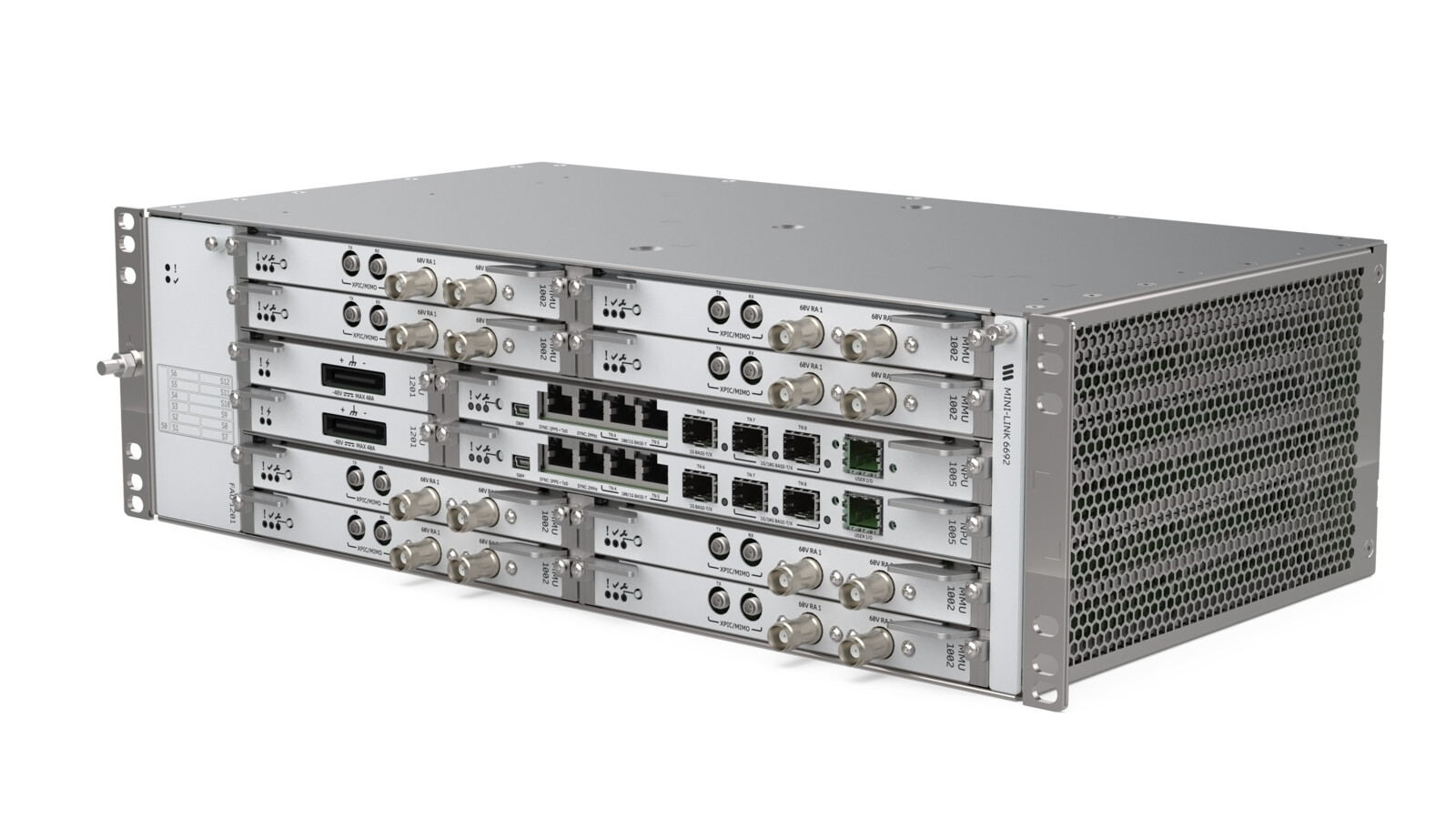
Figure 3. Modern microwave node as an evolution of the original traffic node concept
Looking ahead
Reflecting over five decades of MINI-LINK evolution, one theme stands out: the importance of anticipating change and translating it into practical, deployable solutions. The traffic node concept emerged when microwave was still widely viewed as a simple link technology. By redefining sites as manageable, programmable network elements, it helped shape how mobile backhaul networks are built and operated today.
The challenges that drove this shift—scalability, manageability and future readiness—remain central as networks become more software driven and more complex. Technologies change, but the need for architectures that can evolve gracefully does not.
The traffic node journey is a reminder that good architecture is not about predicting the future perfectly. It is about being prepared for change when it arrives—and designing systems that can adapt without starting over.
Read more:
https://www.ericsson.com/en/portfolio/networks/ericsson-radio-system/mobile-transport/microwave
https://www.ericsson.com/en/mobile-transport/boost-microwave-capacity