A collaborative approach to immersive VR experiences using 5G and edge technology
- English
- 简体中文
This proof of concept outlines the collaborative approach Ericsson took to bring together key industry players AT&T, Dreamscape Immersive, NVIDIA, Qualcomm, and Wevr to create a leading example for the future of VR experiences. Using 5G and edge technology, Ericsson and its collaborators are now leading the way to transform entertainment and open up new opportunities for industries and enterprises.
Highlights
Watch the case study video
The challenge
One of the major barriers of fully immersive VR experiences today is a lack of mobility. Due to the amount of computational and graphical processing, VR experiences are typically tethered by cables from the headset to a desktop computer. So far, the industry has been responding to this barrier through two approaches:
- Shifting all the computing power to the headsets
However, this option limits the amount of computing power available. - Shifting computing power to a backpack
This increases computing power, but there are disadvantages here, too. Weighing between 3 and 4.5 kilograms, the backpacks can become hot, uncomfortable to wear and have an extremely low battery life, limiting the VR experience to between 15 and 20 minutes.
Another approach used for fully untethered, mobile experiences has been to use WiFi. However, one key limitation is that in a multi-user environment, unlicensed spectrum such as WiFi is susceptible to interference.
In light of these industry challenges, Ericsson, AT&T, Dreamscape Immersive, NVIDIA, Qualcomm, and Wevr saw an opportunity to explore what untethered, multi-user experiences could look like using 5G and edge computing. In collaboration with Warner Bros., the companies worked on creating a tailored VR experience as a proof of concept for Harry Potter, Chaos at Hogwarts, which would allow fans to immerse themselves even further into a virtual world of wizardry.
The solution
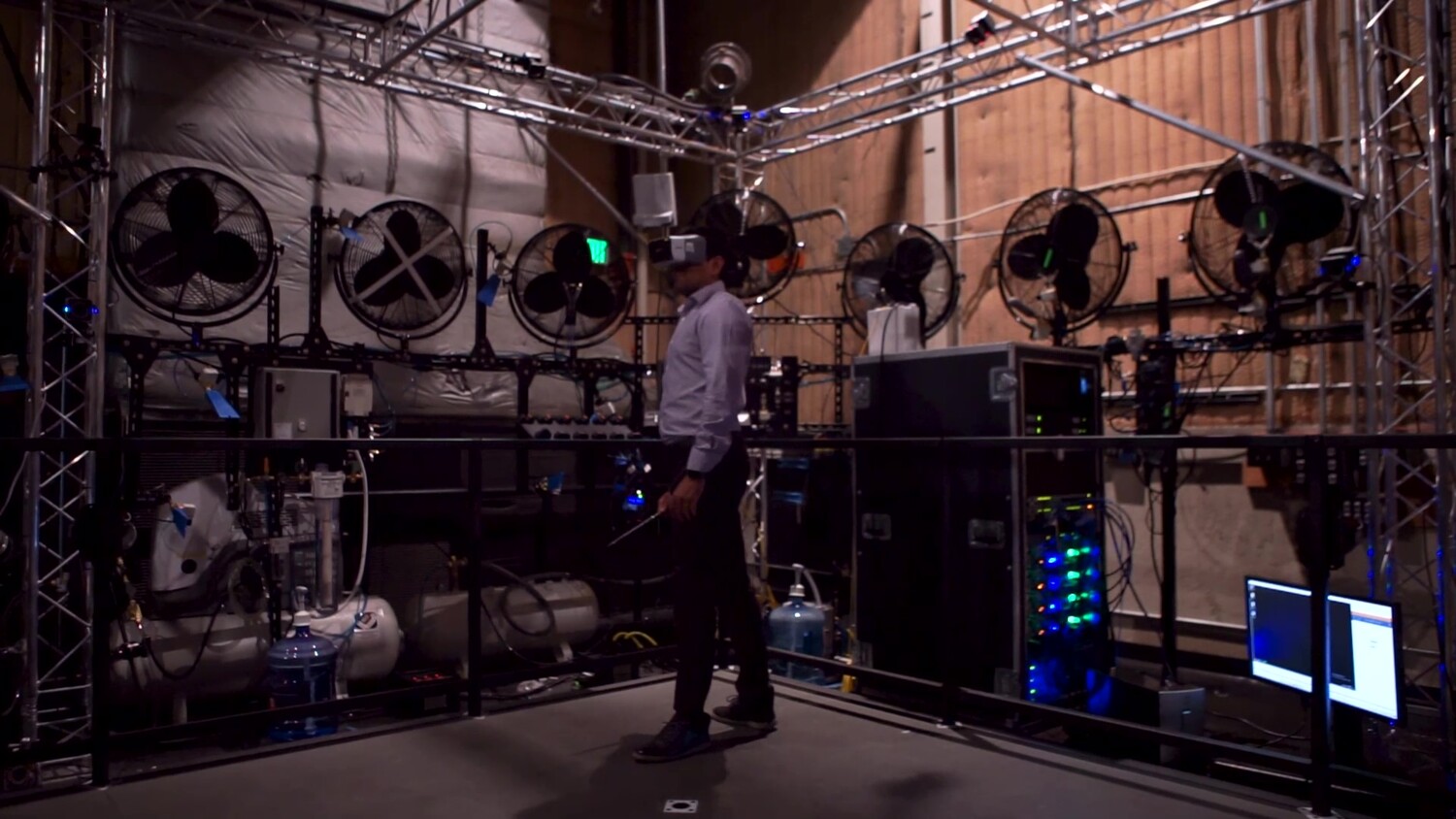
Ericsson D-15 orchestrated the collaboration with the companies as a proof of concept to demonstrate how VR experiences could be improved by moving the creative content to the edge of a 5G network, removing the need for both backpacks and cables.
To give users a realistic interactive experience, the teams traded the corded headset and created a unique networking environment using AT&T 5G mmWave spectrum with Ericsson’s private 5G network equipment to stream the immersive experience to Qualcomm XR2 VR headsets. This allowed participants to use haptic devices and move freely on a stage, both of which were provided by Dreamscape Immersive.
Radio optimizations allowed six simultaneous VR users to participate in a single Ericsson 5G private network cell, with high-fidelity content by Wevr being streamed on AT&T’s 5G mmWave licensed spectrum. The graphics were remotely rendered, then streamed with NVIDIA CloudXR™ to the Qualcomm XR2 VR headset, while the high-fidelity content by Wevr was streamed on AT&T’s 5G mmWave spectrum.
This efficient communication optimized the quality of the graphics and allowed VR players to immerse themselves into the content. The high-fidelity virtual experience ran remotely with NVIDIA CloudXR, which enabled the creative teams to design much more photorealistic details and full-fidelity models for the VR experience.
The results
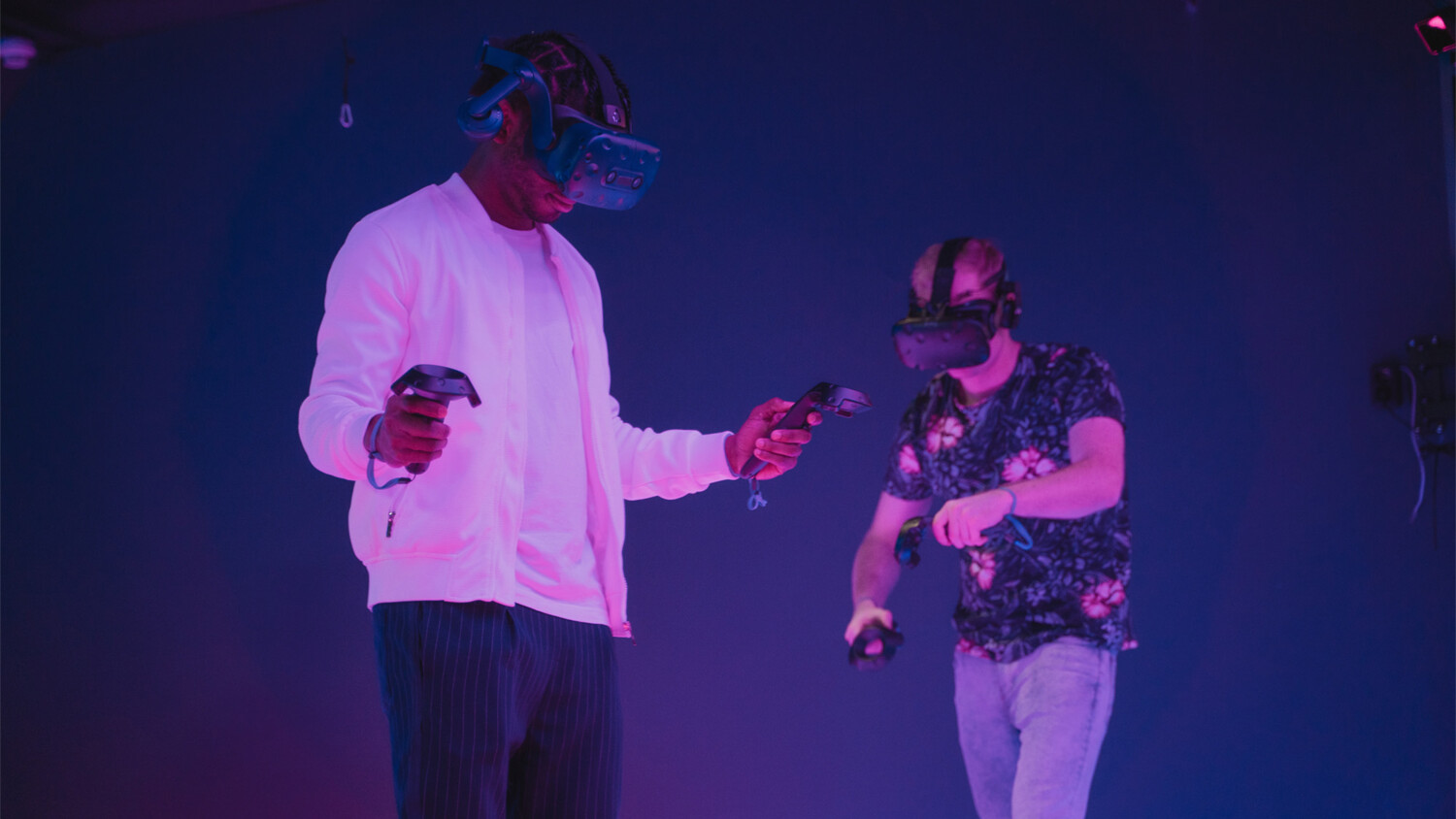
What was achieved was a 5G-enabled, multiuser, location-based VR experience that allowed players to fully immerse themselves using only a lightweight 5G VR headset – without the need for backpacks and cables – giving participants an even more immersive experience.
Ericsson teamed with AT&T to combine AT&T’s expertise in immersive 5G use case development and robust 5G+ network. Together, we built a unique networking environment for the pilot, combining AT&T 5G+, based on mmWave spectrum, with Ericsson’s private networking equipment.
In collaboration with the five companies, the Ericsson private 5G network – optimized to support VR by the Ericsson D-15 team – helped validate three important building blocks for future applications:
- Increased computing power: moving computing power from a backpack laptop to a 5G network edge provided more computing power for remotely rendering photorealistic graphics while achieving ultra-low latency.
- Unrestricted movement: eliminating the wires between the headset and a computing source provided participants with unrestricted movement.
- Multi-user capability: the enablement of a multi-user immersive experience by real-time interactive graphics to a team of participants for an extended period.
This important collaboration has opened up a new era of VR experiences that delivers something for everyone, from creators to venue operators. It allows for increased team sizes, streamlines the venue owner’s operations, reduces the investment needed in laptops, and unleashes a level of creativity not seen in the industry before.
In this important proof of concept, we’re glad to be demonstrating the early and exciting days of this new era of immersive experiences.