









Continuous portfolio enhancements
Ericsson is continuously enhancing our 5G Transport portfolio with new products and SW features. Catch the latest offerings.
MINI-LINK 6355 – new E-band node
To add more performance in the transport domain, we introduce a new all-outdoor E-band node MINI-LINK 6355 to our very comprehensive MINI-LINK portfolio. This node doubles the output power compared to the existing E-band node to extend the hop-length and it has 25 Gbps interfaces to follow the interface evolution in both RAN Compute and radios. The 25 GE interfaces will also facilitate multi-band configuration up to 25 Gbps capacity.
Radio deep sleep function is also added to our E-band node, that enable 50% lower energy consumption for the E-band node in a multi-band configuration.

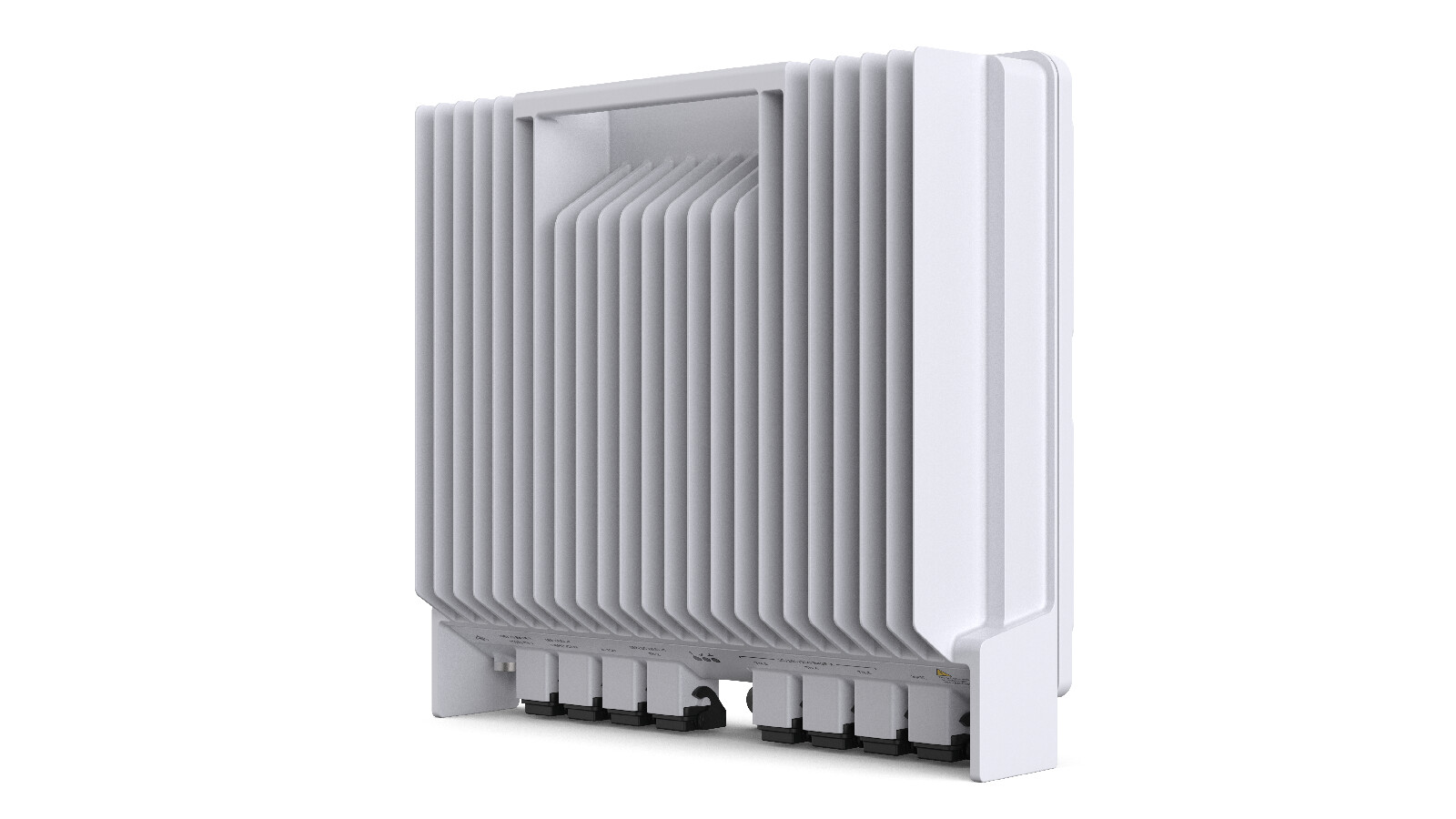
- 10 Gbps in a single all-outdoor unit using E-band (70/80 GHz)
- 3x25/10/1 GE interfaces
- Output power of 24 dBm @ 4 QAM
- 20 Gbps @ 2+0 RLB
- hRLB functionality – 25 Gbps capacity
- Radio Deep Sleep
- Netconf/Yang
Radio Deep Sleep – energy savings in MINI-LINK

Router 6678 – build for CRAN
The Router 6678 is a compact high-capacity C-RAN hub and aggregation router with 4.8 Tbps switching capacity, designed to enable high quality network service delivery.
It provides high density of 100GE and 400GE ports. Low power consumption in a compact, 510mm deep, 1RU form factor enables lower operating expenditures
Router 6678 supports VPN services over IP/MPLS/SRv6 networks, service provider SDN service exposure using NETCONF/YANG, extensive quality of service and precise synchronization features.
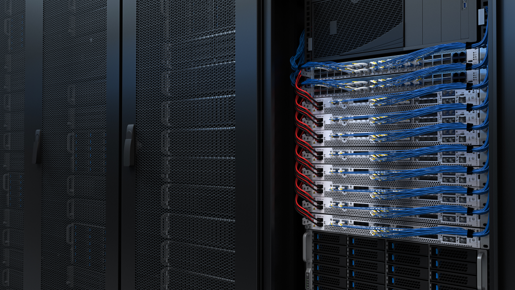
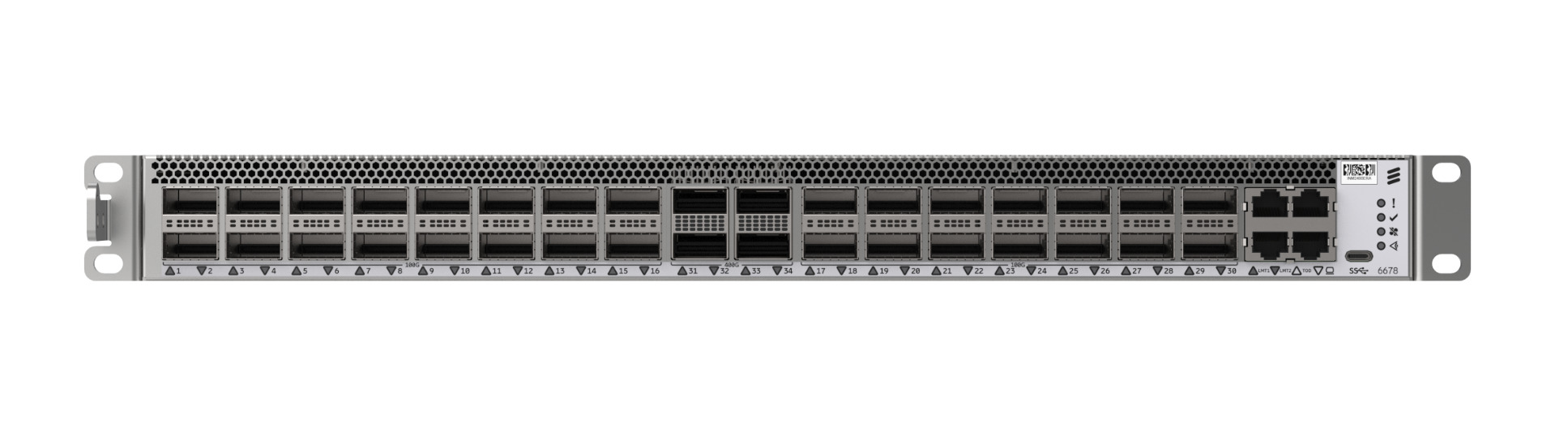
100GE optimized aggregation and hub router
- 4.8Tbps switch capacity
- 30 x 100GE QSFP28 + 4 x 400GE
- 1 RU, 19" form factor. 510mm depth
- Class C Sync
- Native SRv6
Router 6671 – cell site router build for DRAN
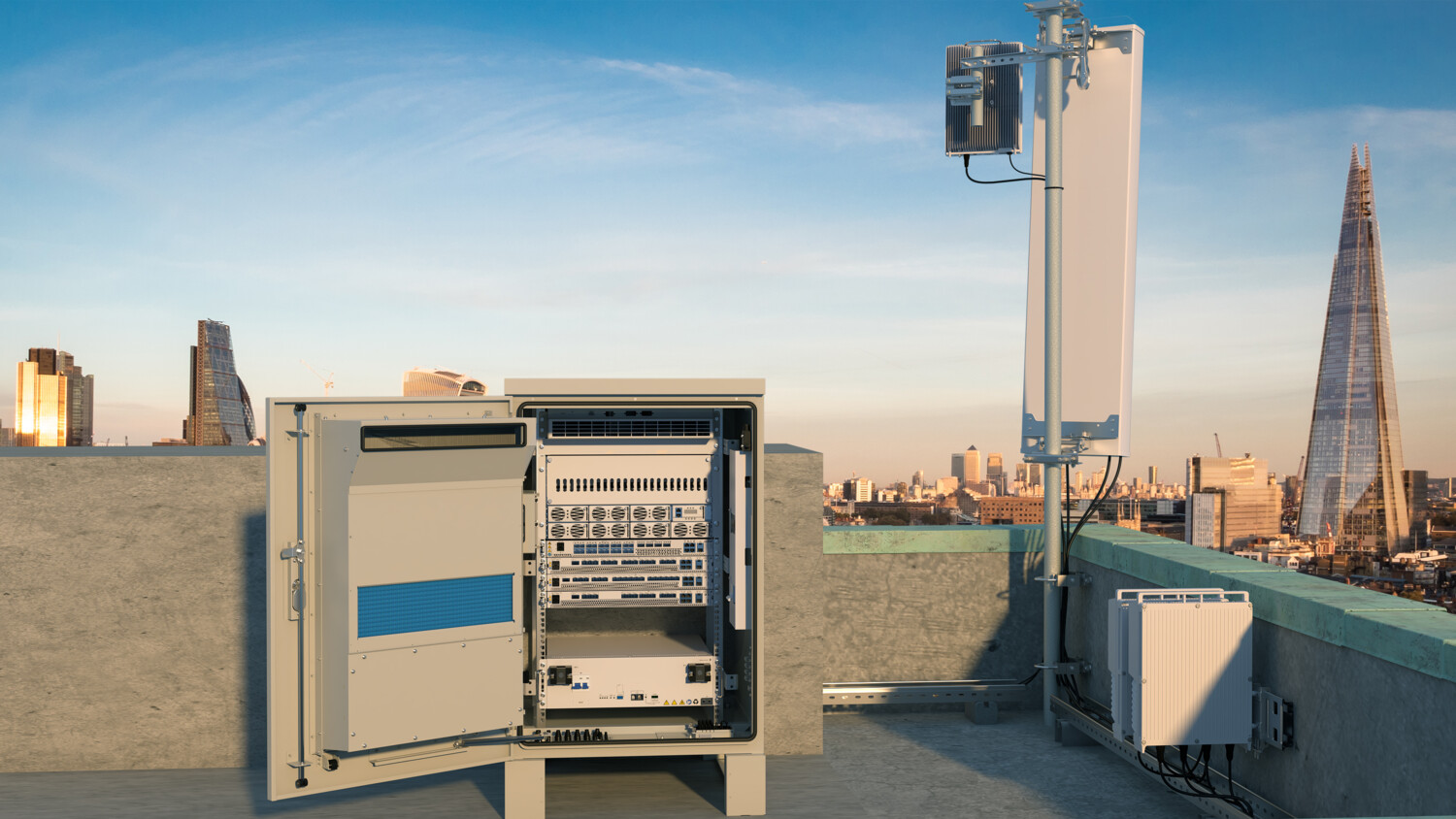
The Router 6671 is an advanced cell site router, designed to enable high quality network service delivery. It provides high density of 10G and 25G ports with 100Gbps switching capacity in a compact, 250mm deep, and hardened 1RU form factor. The switch processor has native support for SRv6 without performance degradations. The use of front to back cooling and the class leading power efficient design ensures the lowest power consumption within its segment.
Low latency and precise synchronization are optimized to maximize the 5G enhancements such as Spectrum Sharing and Carrier Aggregation that enable efficient use of spectrum.

10GE and 25GE optimized cell site router
- 100Gbps switch capacity
- 12x1/10/25G + 4x1/10G + 4x1GE Combo (SFP&RJ45).
- 1 RU, 19" form factor. 250mm depth
- Class C Sync
- Native SRv6
- End-to-end SRv6, no stitching point
- Service is exposed only at service endpoints
- Scaling is simplified by locator summarization
- End-to-end traffic engineering is possible
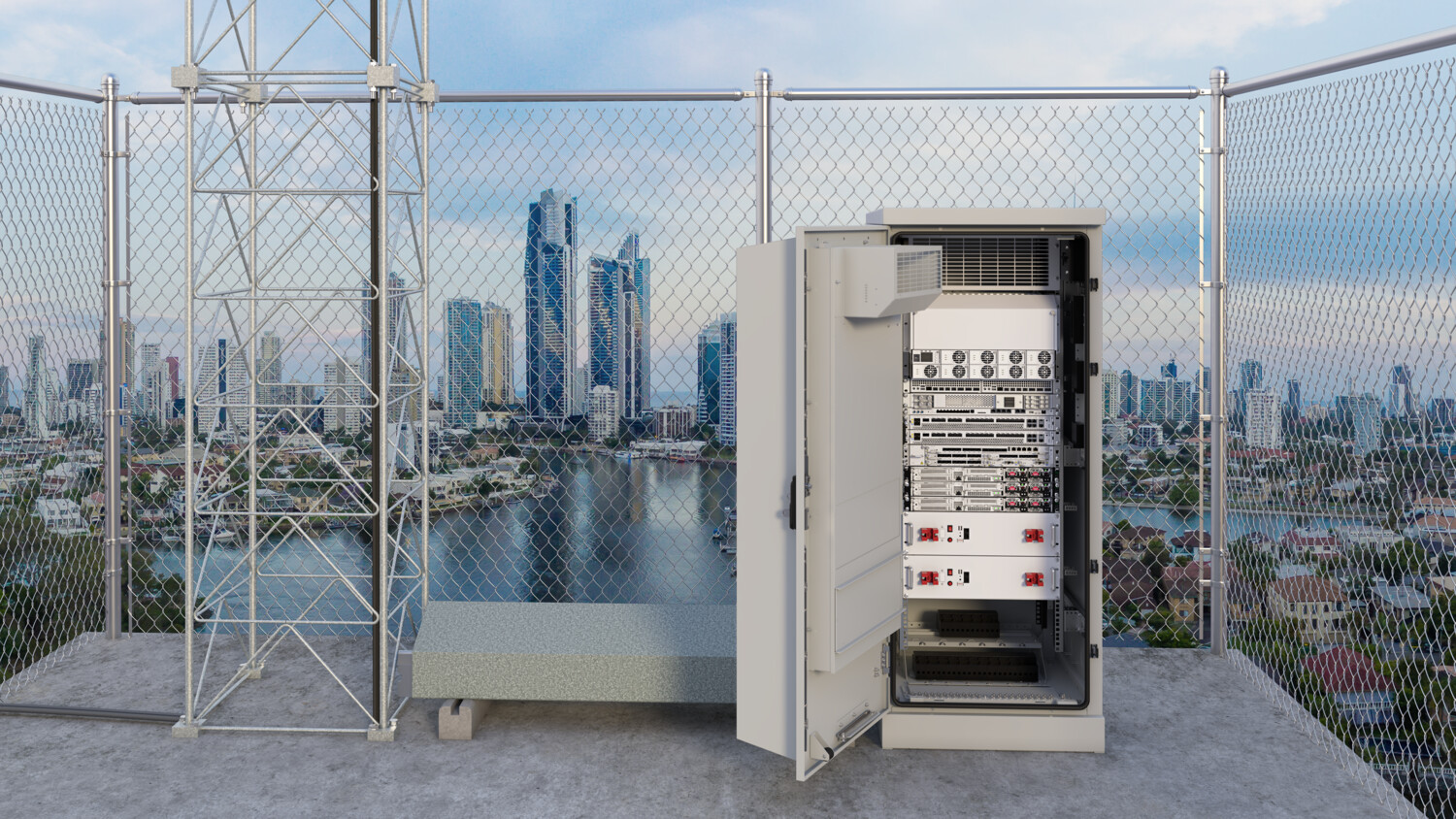
Router 6676 - Optimized flexibility in small formfactor

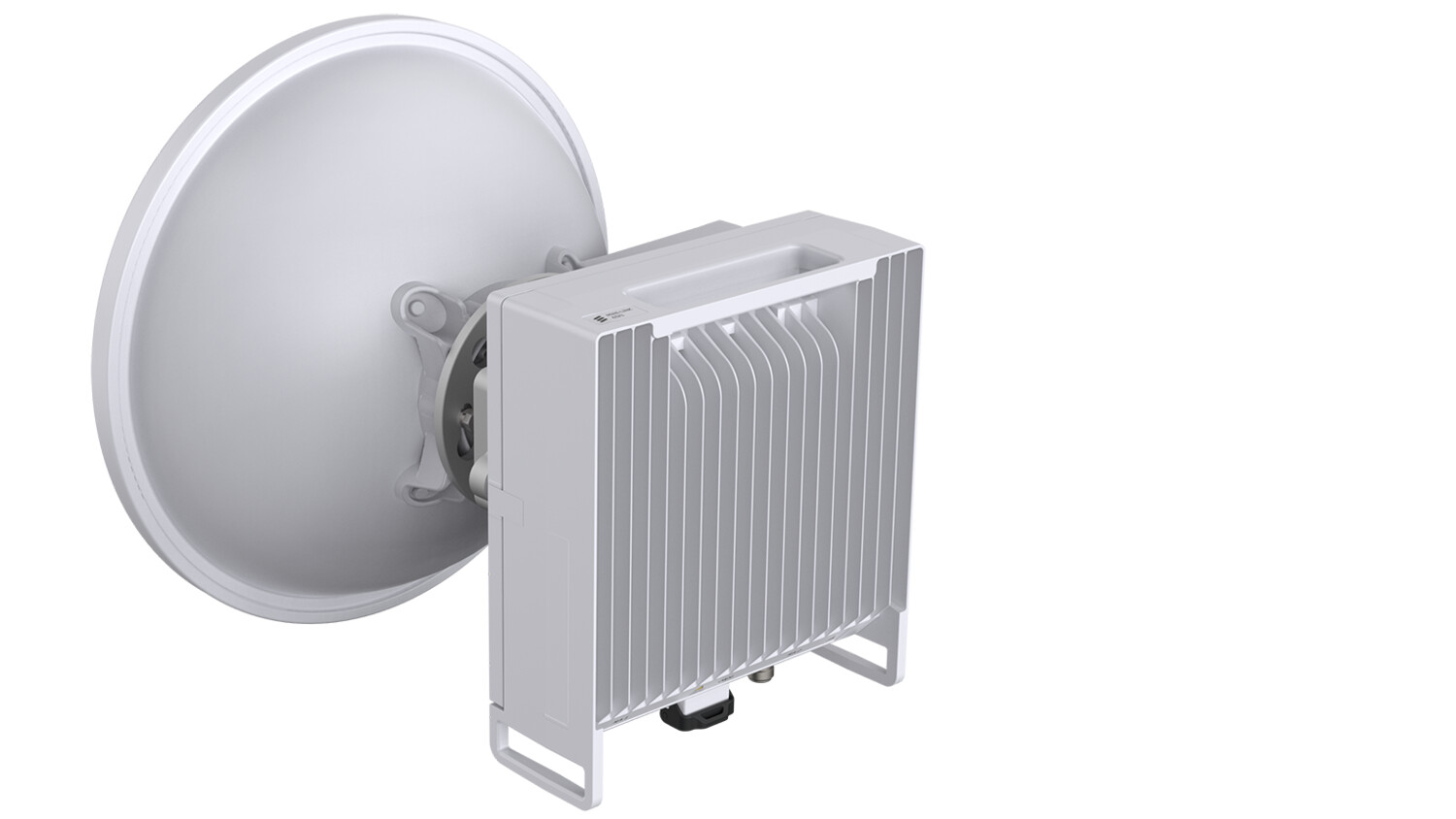
MINI-LINK 6321 - 4 times more capacity - 4.8 Gbps

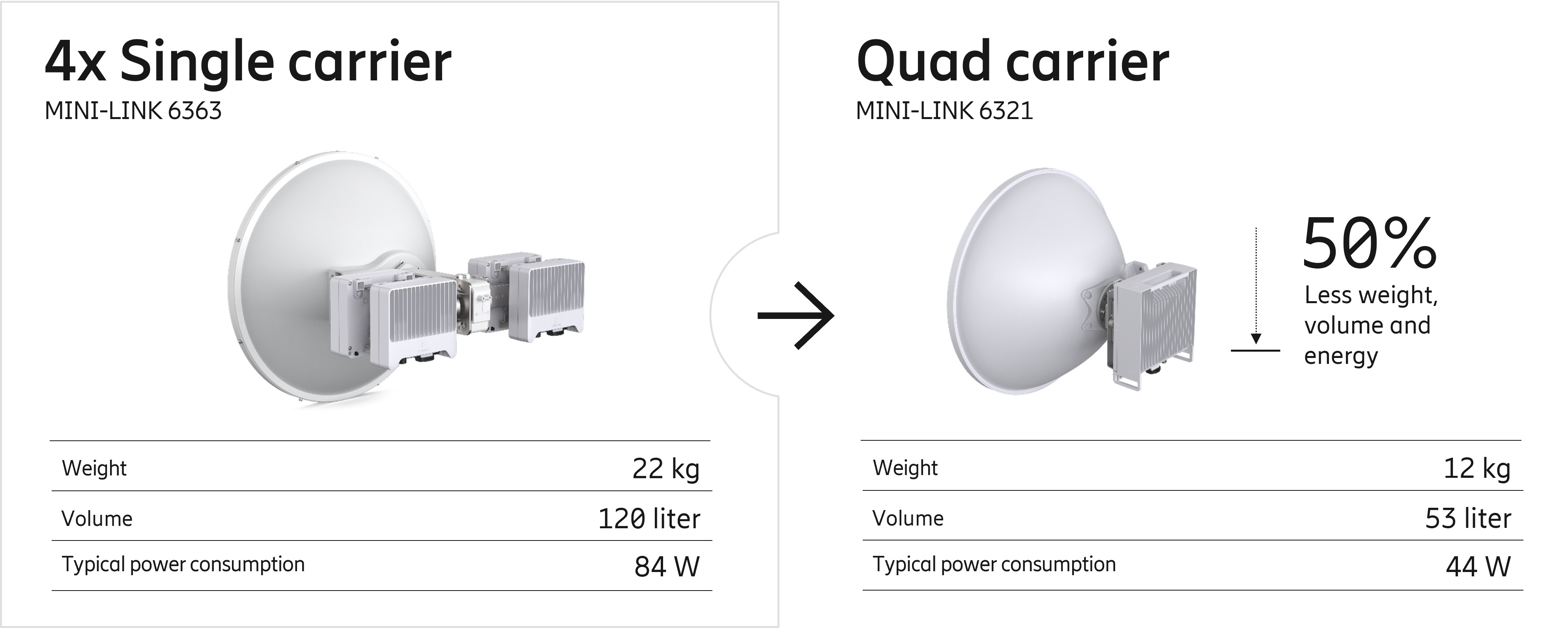
*Data based on 23 GHz and including 0.3 m antenna
NPU 1006 - Node processor with high-capacity interfaces
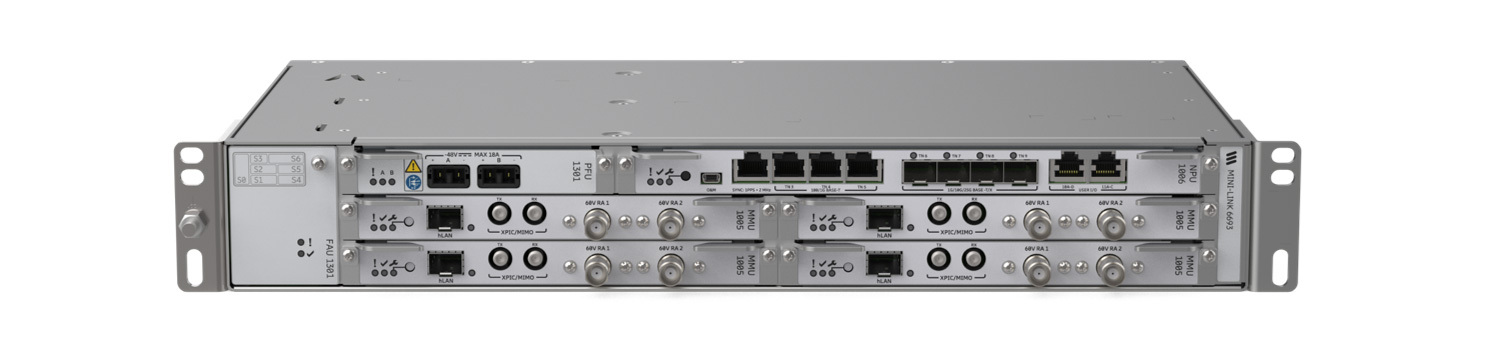
The NPU 1006 will support 4 high speed interfaces of 25GE and is prepared to support a switch capacity of 176Gbps. The 25GE interfaces can be used to interconnect with a router or optical network. In a combination with MMU 1005 a MINI-LINK node can achieve up to 4x 10 Gbps Multi-band booster links. With up to seven traffic interface, 3x RJ-45 and 4xSFP28, the need for additional Ethernet termination unit (ETU) is reduced. Empty slots in MINI-LINK 6690 family can be used for radio link connections, or a smaller enclosure can be used.
Sway Compensation Antenna - for high-capacity E-band
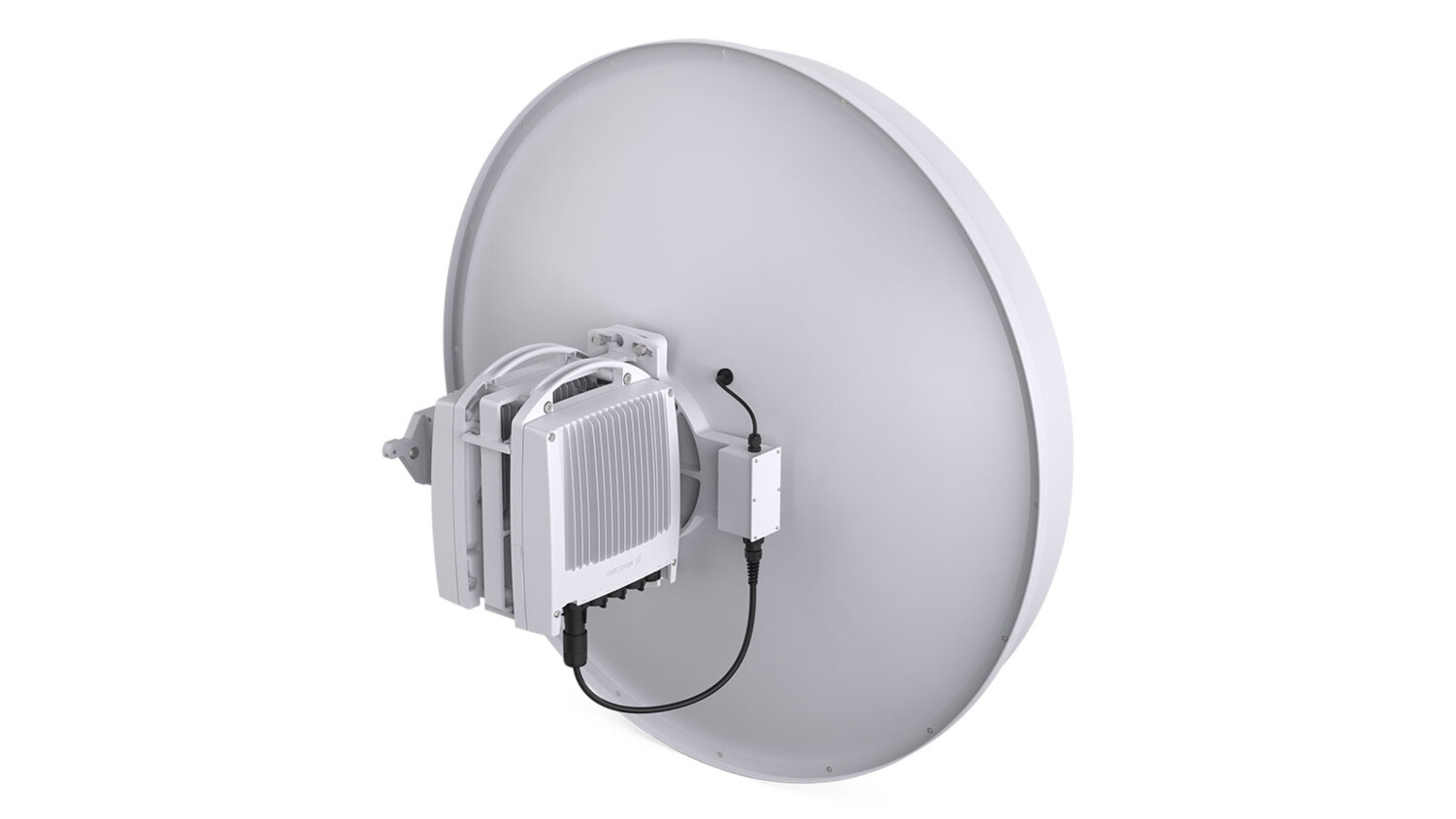
This is a new type of E-band (80 GHz) antenna that can compensate for movement in mast or pole structures that is caused by Solar bending or Wind induced mast sway.
Most deployments do not suffer from sway, but some sites are sway sensitive, and then the Sway Compensation Antenna makes a world of difference by effectively removing the negative impact of tower movement.
More than just removing a problem, the Sway Compensation Antenna is also a powerful new tool in the toolbox for cost-effective, high-capacity, and long-distance links. It relaxes the tower stability requirement, enables deployment of larger antennas, and boosts maximal link distance.