









New study: Talent – key to accelerating digital transformation of Swedish industry
Almost half of all industry managers surveyed for a new report by Telia, Ericsson and Arthur D. Little points to access to the right talent as key to accelerating the digital transformation of three of Sweden’s leading export industries, manufacturing, forest and mining.
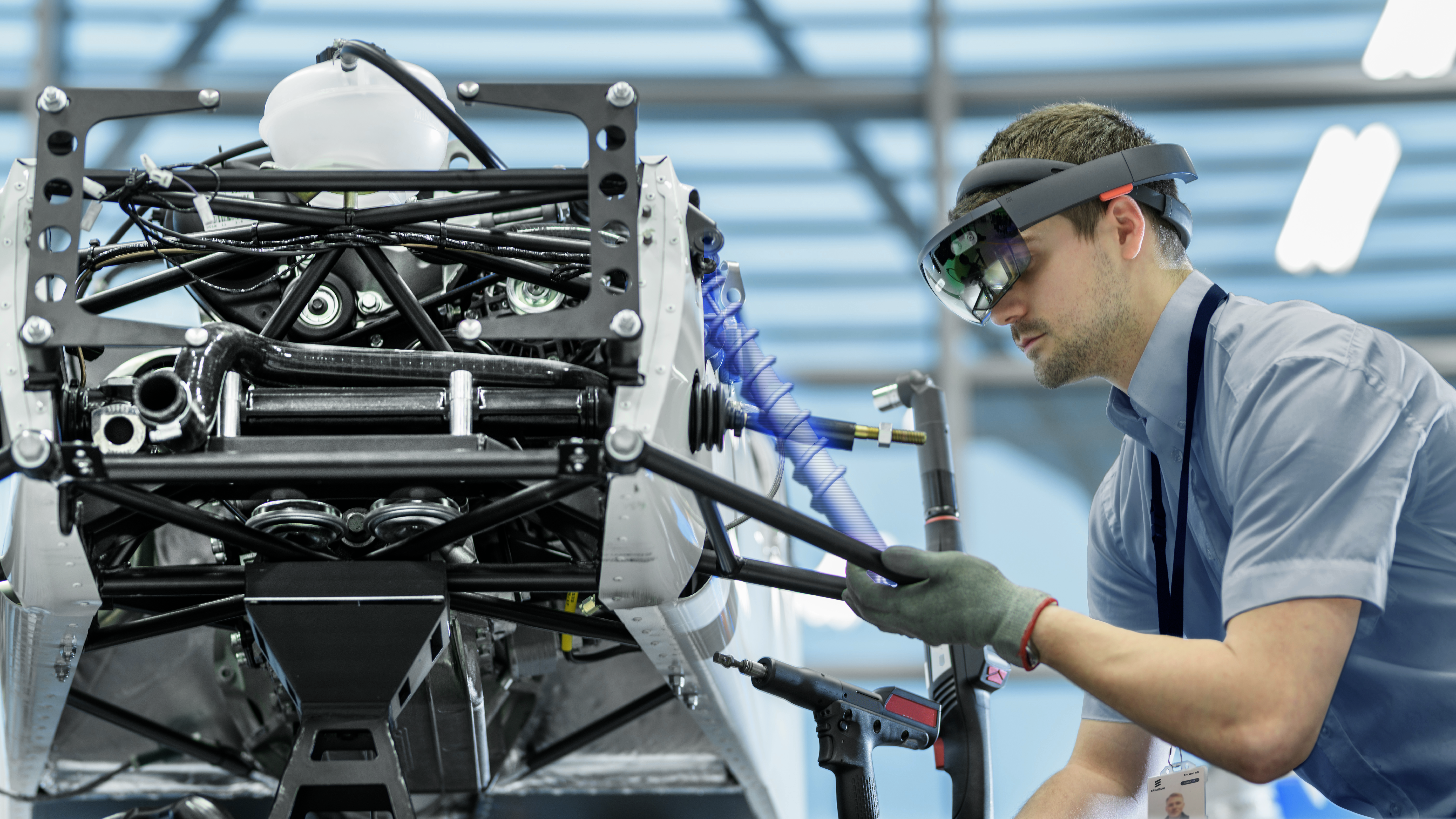
Making digital transformation a strategic priority, accessing the right talent and putting people at the center of your digitalization strategy as well as daring to invest in emerging digital technologies and building a future-proof digital infrastructure, are some of the important success factors identified in the study.
Hanna Maurer Sibley, Head of Product and Solution Management, Dedicated Networks, Ericsson, says: “To fast track the digital trajectory of industries within manufacturing, forestry and mining, stepping up investments and leveraging cellular connectivity with dedicated networks will be essential to power the next generation of connected industries.”
Magnus Leonhardt, Head of Innovation and Strategy for Telia’s Enterprise Business Unit in Sweden, says: “Going digital is critical to keep both Sweden and our leading export companies globally competitive. The positive news out of this report is that most companies understand this, and the industry seems to be on the threshold of scaling its digital transformation. However, there are still real challenges to get more projects out of the pilot stage into the deployment phase.”
Highlights from the report:
- Research by Arthur D. Little shows that early adopters of digital technology can have an EBIT advantage of 46% over followers while also gaining in efficiency, market share, price leadership and customer loyalty.
- 3 out 4 of the industry professionals surveyed for this report state that digital transformation is of high importance to their company’s strategic agenda.
- Many companies are struggling to fully implement digital technologies, with more than 50% of such initiatives still in the planning and pilot stages
- Accessing digital competence is both a success factor and a challenge to scaling up digitalization. 44% of industry managers says obtaining the right digital competencies are key to the digital transformation of their companies.
- 50% of the respondents consider connectivity a limiting factor, making next-generation, high-performance connectivity solutions another essential element to accelerate implementation of new digital solutions.
- The digital divide: Managers at larger companies in general consider digital transformation more strategically important than managers at smaller one. The report also indicates that smaller companies are on average in earlier stages of implementation of their digitalization initiatives than larger companies.
Martin Glaumann, partner at Arthur D. Little, says: “We have surveyed 100 industry decision makers and analyzed existing knowledge, to outline the current state of digital transformation. The success factors we identified to accelerate digitalization are common for most industries. Putting people at the heart of the digital transformation is top of that list, and a prerequisite for success. Digitalization will only become a strategic priority with people that understand its value and how to implement and use digital technology. They will also help build culture and technology friendly organizations that attract other likeminded talent.”
Most popular digital initiatives in each industry:
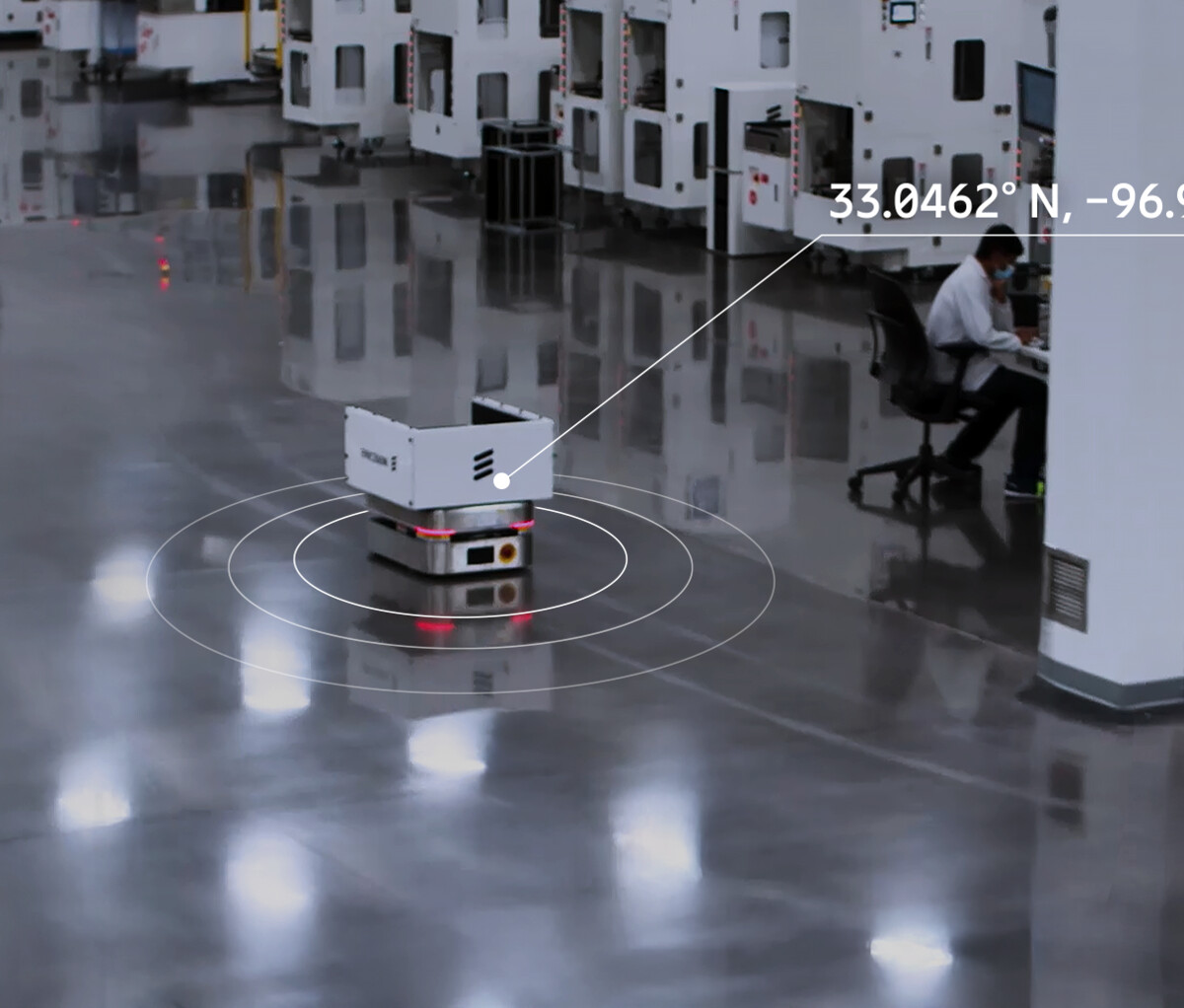
- In manufacturing: Automation and performance monitoring are the most common types of digital solutions, with over 60% of companies either having implemented them or planning to do so. Examples: Automated robots and sensors for quality monitoring.
- In mining: Automation and digital operations are the most common types of emerging digital technologies in the industry, with two out of three companies either having implemented them or planning to do so. Examples: Automated vehicles and remote operations of machines.
- In forest: Digital operations, like remote asset management and monitoring, is the most common type of use case of emerging digital technologies in forestry, with 70% reporting that they have implemented them or are planning to do so. Examples: Using drones to monitor and analyze forests.
Facts
The manufacturing, mining and forestry industries are critical to the Swedish economy. These sectors together employ over 620,000 people in Sweden, contribute 650 billion SEK to the economy and account for around two thirds of Sweden’s exports by value.
About the report
Telia, Ericsson and Arthur D. Little came together to better understand the current state of the digital transformation in three key Swedish industries: manufacturing, mining and forestry. This study identifies success factors and learnings which can help companies accelerate their digitalization. We have analyzed existing data and research, surveyed 100 industry managers about the current state of digital transformation in their companies’ operations as well as conducted in-depth interviews with several key opinion leaders.