










Ericsson Japan K.K. (Ericsson) and SoftBank Corp. (SoftBank) have successfully conducted a joint field trial of advanced communication services utilizing 5G Standalone (SA) and millimeter wave (mmWave) at the FIA F1 World Championship Series Aramco Japanese Grand Prix 2026 (F1 Japan Grand Prix) held at Suzuka Circuit (Suzuka City, Mie Prefecture, Japan) from March 27 to 29. This achievement marks the highest number of network slices used simultaneously during an event in Japan.*1
The trial was conducted as part of Ericsson and SoftBank’s joint activities as event supporters of the F1 Japan Grand Prix. In this trial, the two companies built five independent network slices, including mmWave communication, on SoftBank's commercial network and provided them simultaneously to users at the venue. This approach allowed them to offer connectivity optimized for specific use cases while significantly improving the communication quality for general attendees through increased and optimized network capacity.
Background and Overview of This Demo
At large-scale event venues, a wide variety of communication demands occur simultaneously, including attendees posting to social media, viewing and uploading videos, transmitting broadcast video for event operations, and processing cashless payments. In this trial, the companies verified the effectiveness of "network control" to optimize communication quality for each specific use case on SoftBank's commercial network within the F1 Japan Grand Prix venue.
The five demonstrated use cases include:
- High-quality communication for 5G SA users: Improved network performance by allocating more radio bandwidth to users subscribed to SoftBank's 5G SA.
- XR (Extended Reality): Provided a dedicated slice for an XR experience event that requires high bandwidth and low latency.
- Cashless payment support: Provided stable private 5G connections for payment terminals at select stores.
- mmWave backhaul public Wi-Fi: Provided a public Wi-Fi service for SoftBank and Y!mobile users as FWA (Fixed Wireless Access).
- mmWave 5G wireless camera video transmission: Provided a wireless camera and video transmission environment for use by a broadcaster in live broadcasting.
Main Trial Results
1. Significant Performance Improvement and Support for Massive Simultaneous Connections via Massive MIMO and 5G SA
To prepare for the simultaneous operation of the five use cases, Ericsson and SoftBank deployed triple-band Massive MIMO (AIR6476) to achieve energy-efficient and high-capacity communications, added more mmWave radios (AIR1281) for the mmWave use cases, and carried out detailed network design.*2 This dramatically improved communication speeds and connection capacity compared to the previous year's event, confirming an environment where users could seamlessly post to social media and live stream even under heavy traffic conditions. For general SoftBank users, compared with the 2025 event,*3 5G SA users experienced approximately 4x faster downlink speeds and more than 14x faster uplink speeds, while 5G NSA users saw improvements of approximately 1.5x and 6x, respectively. (Figure 1)
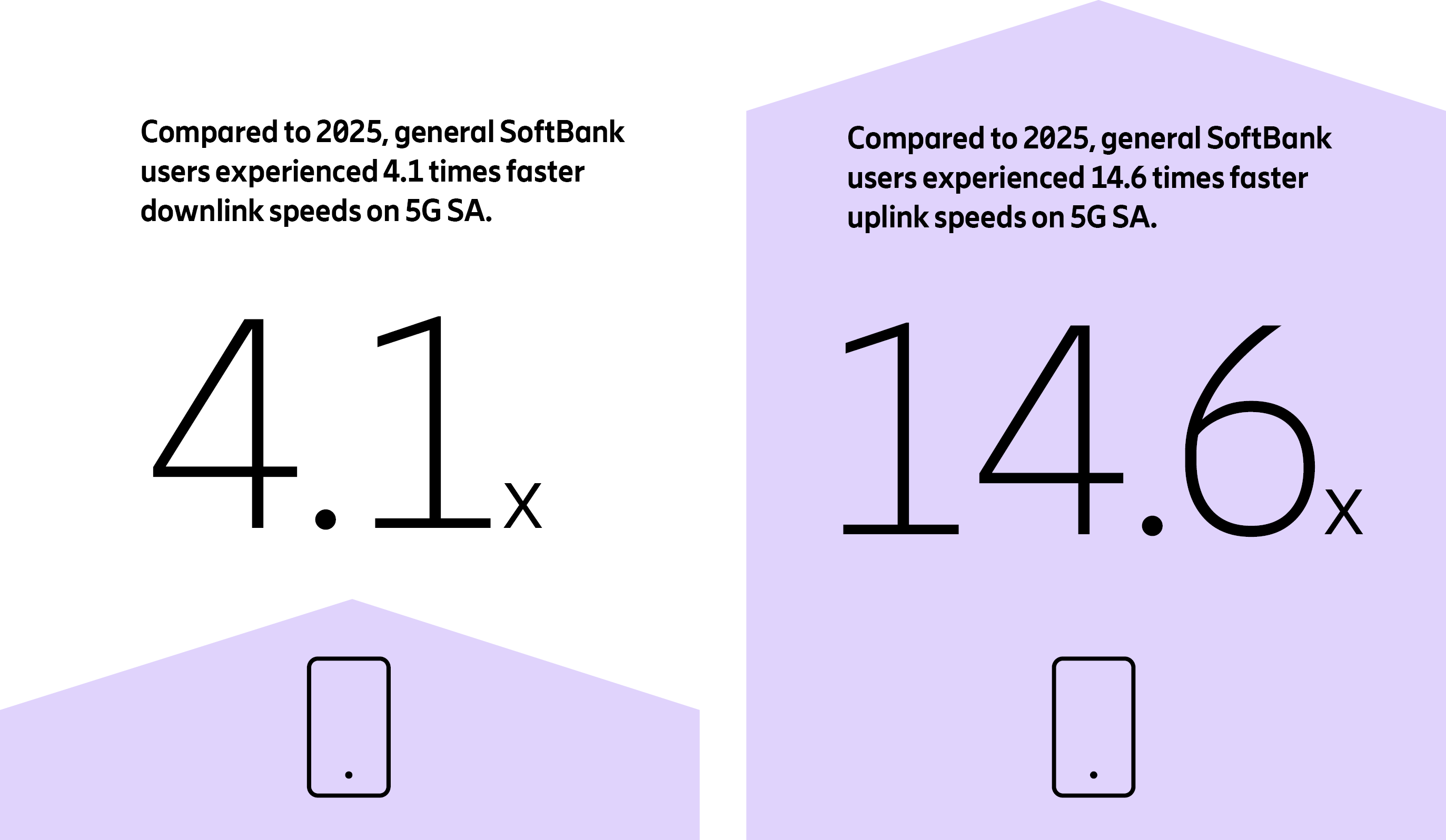
Figure 1: Relative Performance Improvement for 5G SA SoftBank Users at the F1 Japan Grand Prix in 2026 Compared with 2025
Furthermore, by utilizing network slicing and Ericsson's “5G Advanced features”, such as throughput control, low latency optimization, and mmWave control, the companies controlled bandwidth and latency, optimized resource allocation according to each use case, and optimized the overall mobile network. While providing stable communication services to general users, the network maintained streaming quality and facilitated smooth payment processing for video transmission and payment terminals—which require stringent criteria—despite the weekend congestion. Notably, for XR, which requires low latency, the companies confirmed that downlink latency over the radio section was reduced to one-tenth compared with general 5G SA users during the same time period.*4
2. Automated Optimization at 1-Minute Intervals via External Control
At select base stations, the companies demonstrated a "self-tuning operation" where communication quality per slice is visualized at 1-minute intervals, and resources are automatically and appropriately allocated at high speeds via external control.
Figure 2 illustrates how a function to maintain target service quality is used on network slices. In this example, flexible external control is applied to Slice A and Slice B, each of which has different quality requirements under different traffic conditions, such as normal traffic and high traffic. Slice A has higher quality requirements than Slice B. Under normal traffic conditions, Slice A is allocated a higher scheduling frequency and more bandwidth than Slice B. As traffic increases due to congestion during the event, the external control system automatically optimizes the network to meet the quality requirements under high-traffic conditions. As a result, the higher quality requirements of Slice A can be met, while the quality requirements of Slice B continue to be met.
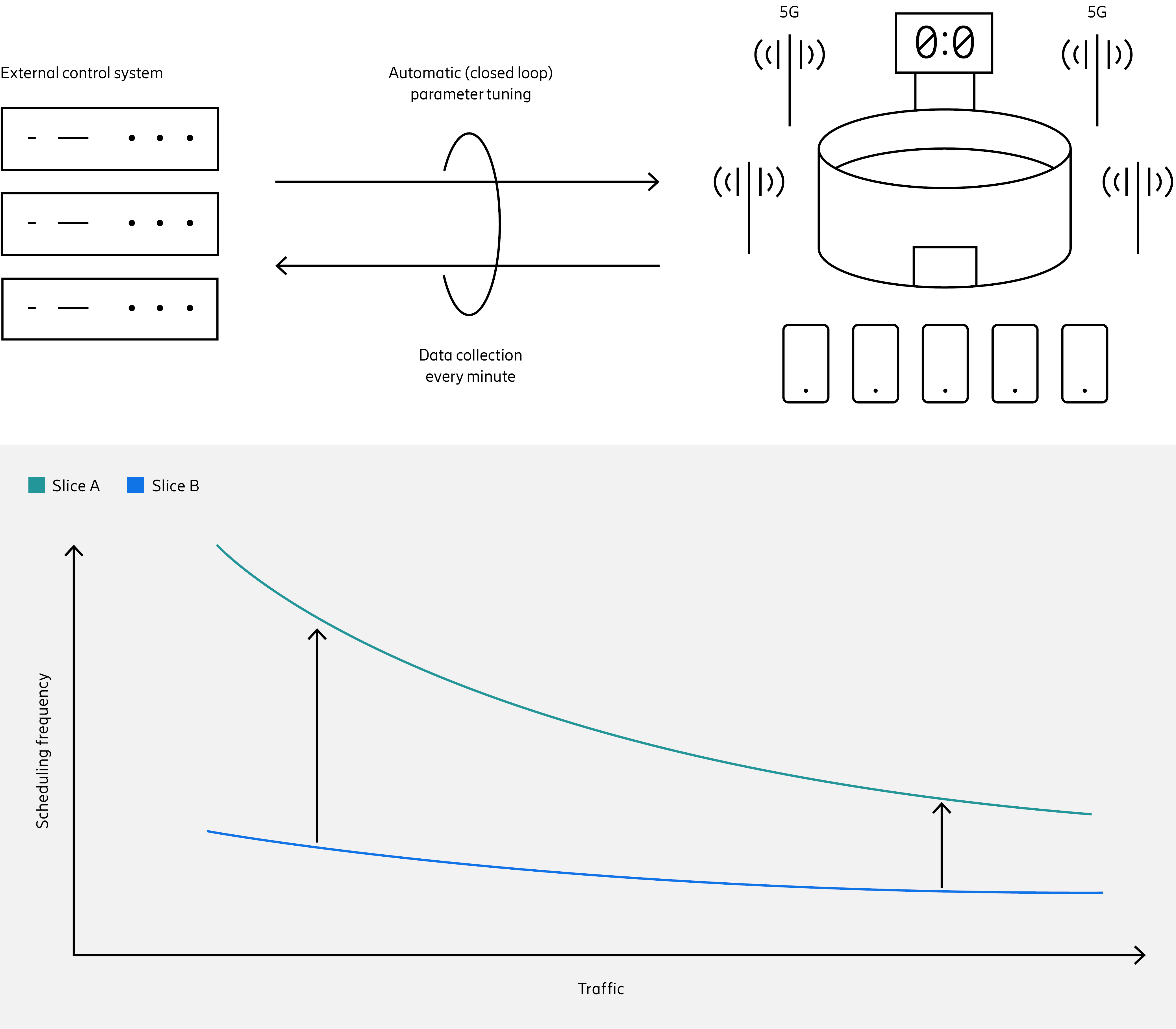
Figure 2: Service Optimization According to Quality Requirements
Future Outlook and Comments
Based on the insights gained from this trial, Ericsson, in collaboration with SoftBank, will accelerate network evolution toward communication experiences optimized for specific use cases and the creation of new service value.
Teruyuki Oya, Senior Vice President and CNO of SoftBank Corp., says:
"This trial demonstrates that SoftBank’s network is evolving from an era of providing uniform connectivity to an era of delivering optimal quality tailored to each use case. Through 5G SA network slicing and automated control, we demonstrated the ability to simultaneously support multiple use cases and provide the required quality for each, even in an extremely congested environment. We will continue to build on these results and expand them into various areas to create new experiential value."
Jawad Manssour, President and Representative Director of Ericsson Japan, says:
"The simultaneous validation of five use cases at the F1 Japan Grand Prix, conducted with SoftBank, demonstrates our technology's ability to deliver optimized connectivity in extremely demanding scenarios. Looking ahead, we see the potential to expand these capabilities beyond localized venues to larger areas in the future. Building on the success of this trial, we will continue to support the digital transformation of Japan’s industries and society."
Featured in the latest Ericsson Mobility Report
The latest edition of the Ericsson Mobility Report, Ericsson's (NASDAQ: ERIC) regularly published report covering industry trends and forecasts for mobile networks, features an article on this field trial jointly written by SoftBank and Ericsson.
Ericsson Mobility Report, June 2026 edition
*1 Based on Ericsson research as of June 17, 2026.
*2 Network Performance Partnership services - Ericsson
*3 Based on average data from Saturday and Sunday during the event.
*4 Based on measurement results during the daytime on March 27, 2026.
The F1 FORMULA 1 logo, F1 logo, FORMULA 1, F1, FIA FORMULA ONE WORLD CHAMPIONSHIP, JAPANESE GRAND PRIX and related marks are trademarks of Formula One Licensing BV, a Formula 1 company. All rights reserved.