Skip navigation
Previous searches
    Suggested searches
      Woman using phone in a crowd

      ConsumerLab: An agentic life

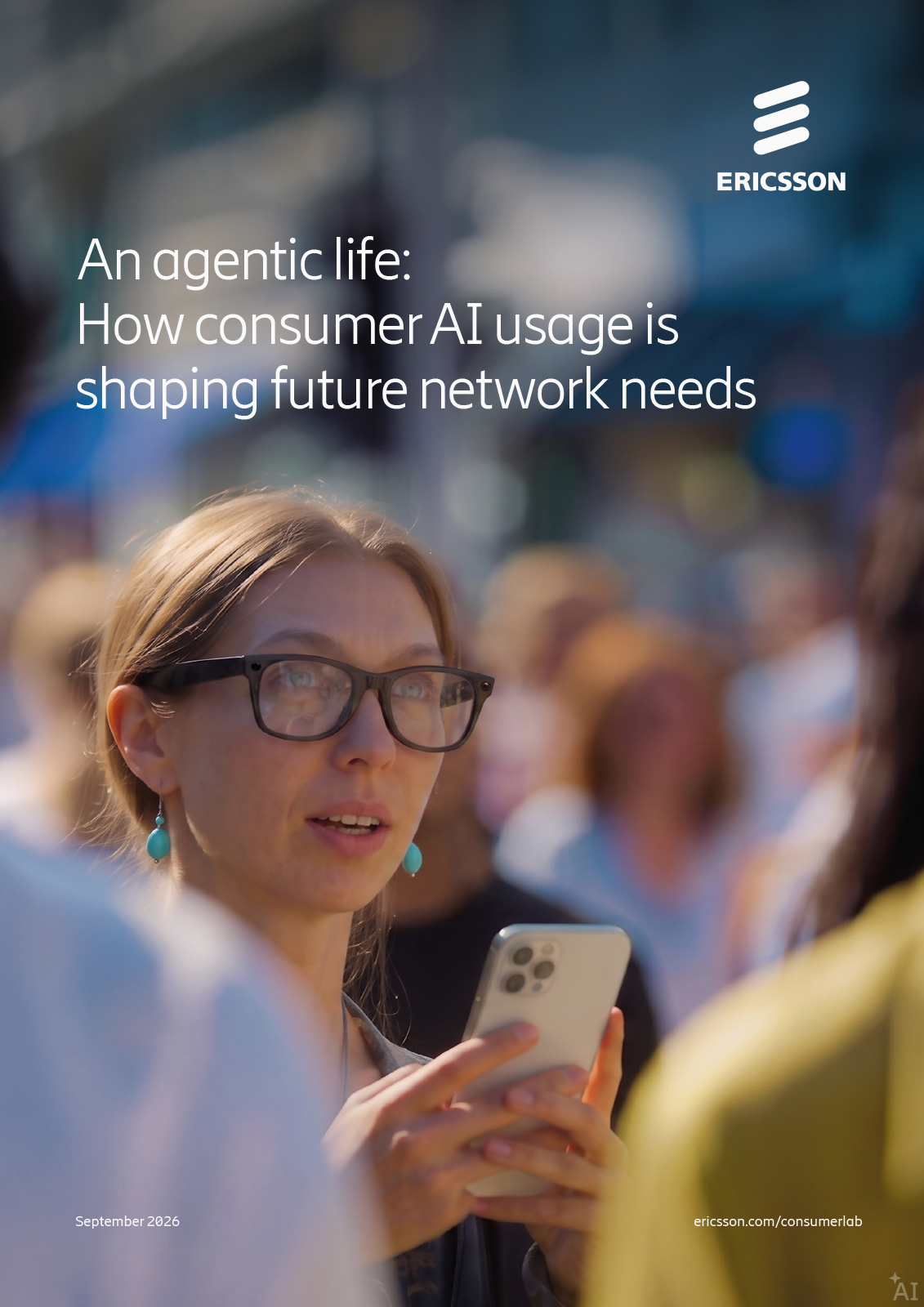
      Consumer AI usage and future network needs report.

      AI is moving from reactive to agentic

      Drawing on research among more than 43,000 smartphone users across 27 markets, this report explores the rise of AI super users and agentic AI, and what their behavior means for the future of connectivity.

      Report
      80.00 %
      of all AI use will come from AI super users by 2030.
      38.00 %
      of consumers expect to use agentic AI by 2030.
      30.00 %
      expect to be using AI on more than one device by 2030
      2.50 X
      the impact on network satisfaction from delays for AI super users

      The AI Super user - Tomorrow's behavior today
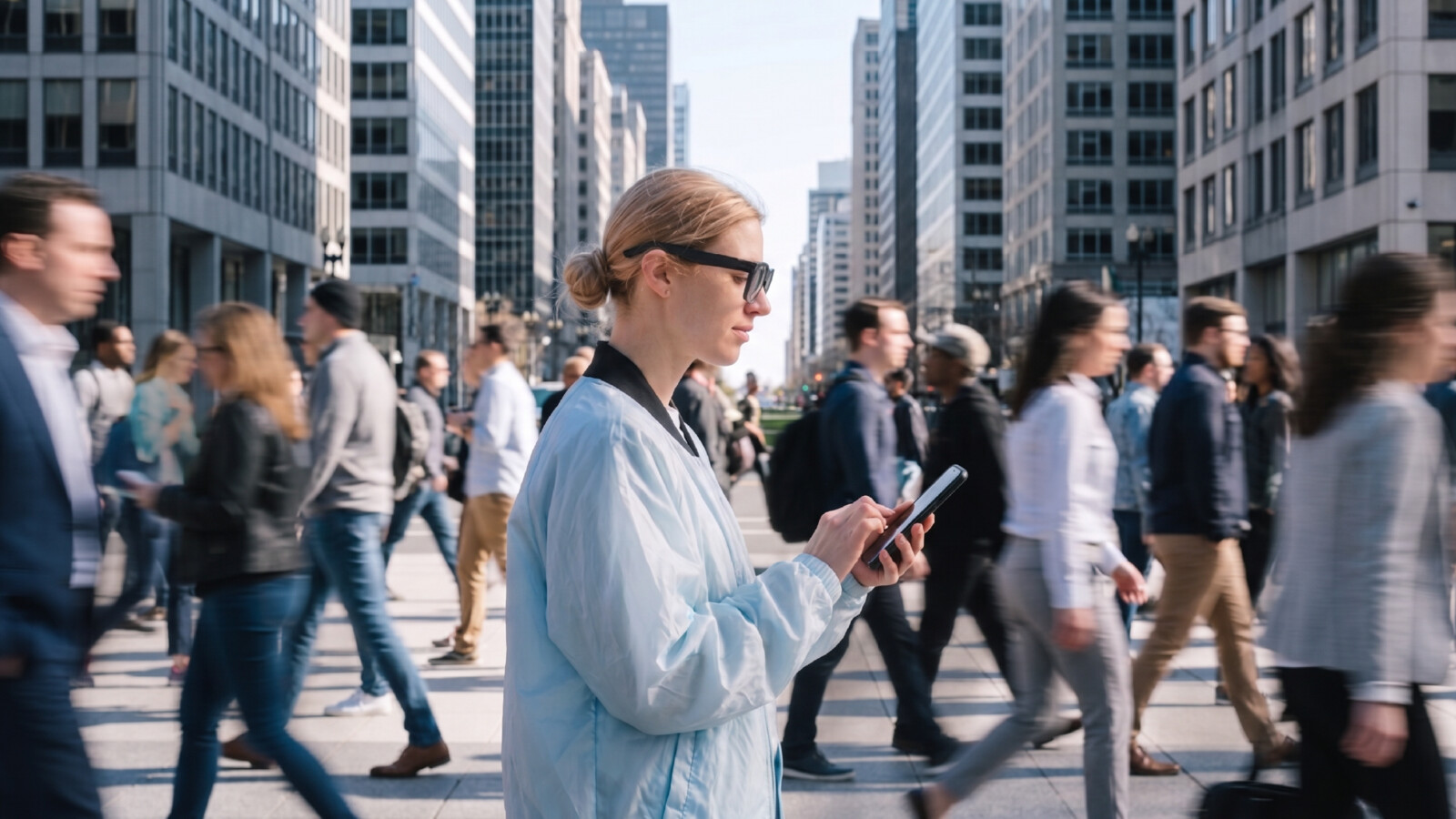
      AI super users are already giving us a first glimpse of the future. They use more AI, on more devices and in more locations than the average user. They make up only 10 percent of users today but represent 35 percent of all AI use.

      Their uplink-heavy usage is also adding pressure in capacity-constrained locations, particularly dense urban areas. What happens when they make up 30 percent of the total user base by 2030?

      A woman talking on the phone on the street
      AI_generated Man working on laptop outside café

      Agentic AI - The next billion users

      What happens when people start delegating bookings, scheduling, comparisons and even routine purchases to AI agents? This would not only create new human mobile habits. AI itself would become a network user, bringing new non-human usage patterns.

      By 2030, 38 percent of people and as many as 66 percent of AI super users expect to be using agentic AI. Are you ready?

      The new AI devices - AI has left the chat

      In just a few years, AI has taken the world by storm. Now, AI is moving into new types of devices. While these are more likely to complement than replace the smartphone, they can still change user behavior.

      Up to 60 percent of early adopters of AI smart glasses say they now post and livestream more on social media. What will this lead to by 2030, when around 30 percent expect to use AI on more than one device?

      AI_generated AI glasses
      AI_generated Busy city street with pedestrians and traffic from above

      New AI usage - New user demands

      AI has already started to reshape network usage patterns. Instead of the familiar pattern of scrolling ending with a click, AI use generates more uplink-heavy traffic, sudden traffic bursts and repeated back-and-forth interactions.

      This makes poor connectivity more noticeable. For AI users, slow responses have 2.5 times as much influence on network satisfaction as they do for typical smartphone users. How will you address this demand?

      A woman talking on phone
      Are you ready for an agentic life?

      Discover the latest ConsumerLab research on how AI agents can reshape everyday life. Subscribe to receive the full report by email.

      Meet our authors

      Jasmeet Singh Sethi

      Jasmeet Singh Sethi

      Head of ConsumerLab, Consumer insight and foresight at Ericsson

      Gunnar Ehrnborg

      Gunnar Ehrnborg

      Principal Researcher at Ericsson ConsumerLab, drives the development of statistical analyses

      Related reads