










5G standalone deployment: Moving beyond eMBB
5G standalone (SA) deployments – the road to new services and business models.
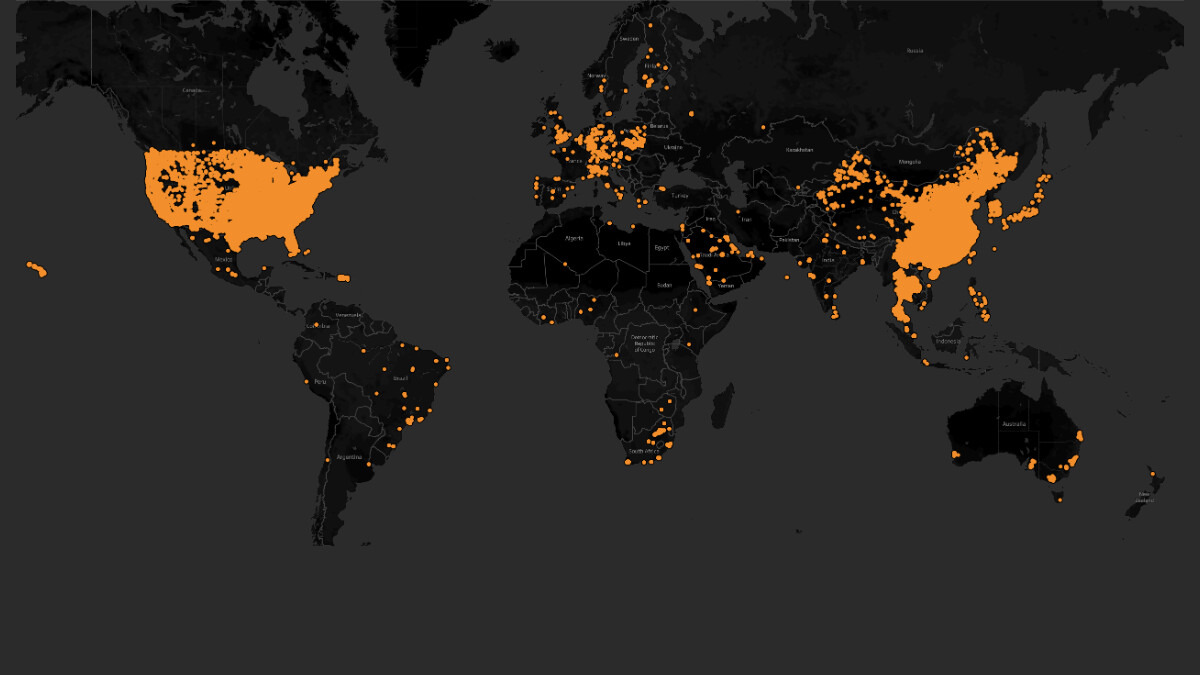
An increasing number of progressive service providers in several markets are deploying 5G SA networks. More than 20 had launched public 5G SA networks on mid- and low-band by the end of 2021.1 This figure is expected to double during 2022 as more service providers deploy 5G New Radio (NR) SA and 5G Core networks. China and North America were the first markets in which 5G SA was launched, followed by commercial launches in several other markets, including Australia, Japan, South Korea, Singapore, Thailand, Germany and Finland. 5G SA networks provide a substantial competitive advantage for service providers that leverage its full benefits and potential. 5G SA mid-band (TDD) deployments with continuous coverage are important to deliver a consistent user experience for the new differentiated service offerings enabled by SA architecture.
Realizing 5G’s full potential
The overwhelming majority of commercially launched 5G networks are based on NR non-standalone (NSA) technology, using existing 4G radio access for signaling, and an Evolved Packet Core (EPC) network. However, many use cases for Critical IoT, enterprises and industrial automation will only be feasible with the 5G NR SA and 5G Core architecture. In 5G SA architecture, automated end-to-end network slicing is simplified, with assured quality of service (QoS), security and flexibility, to multiple customer segments. The 5G SA core is a flexible and programmable platform, allowing services to be flexibly designed based on customers’ specific requirements.
5G Core is built using cloud-native technologies which allow upgrades and new functionalities to be more cost-efficiently deployed, without impacting live services. The possibility to add new network functionalities, quickly scale capacity and run in-service software upgrades will make it possible for service providers to create and deploy new services for automated and customized connectivity in hours, rather than days or weeks. With 5G Core, service providers will be able to provide better network slicing and offer end-to-end service-level agreements (SLAs) to customers. Service exposure and traffic steering functionalities introduced in 5G Core will provide additional tools for service differentiation. Edge computing support enables distribution of user plane functionality to break out traffic dynamically at the edge. The reduction in latency and increased service reliability leads to enhanced end-user service experience.
5G SA device availability increasing
5G SA-compatible devices are increasingly becoming available, accounting for over half of all announced 5G devices. China is moving fast towards 5G SA-only networks.
In China, it has been mandatory for 5G devices to be SA-capable since early 2020, and since February 2021, both new and existing 5G devices are on “SA by default”. 5G network traffic has increased due to continued 5G subscriber uptake, plus part of the traffic previously generated on the 4G network moving to 5G NR.
The device ecosystem is also developing support for multiple network slices on commercial smartphones. End users can be provided with differentiated services, for example, setting separate personal and work profiles, with one slice for generic mobile broadband traffic, another for services like gaming, and one or several slices for enterprise applications like video conferencing and collaboration. This functionality will only be supported in 5G SA architecture.
The need for network and business transformation
Consolidated feedback from service providers who have already commercially launched 5G SA networks highlights a set of business, network technology and operational drivers for their deployments. A common driver is the sense of urgency to transform the network into a new service delivery machine as the foundation for creating new business opportunities for top-line revenue growth. Another driver mentioned is the importance of overcoming learning-curve barriers related to new operating models, business strategies and service innovation. Early deployment of 5G SA architecture provides a first-mover advantage for service providers with market-leading ambitions (frontrunners). Service providers that do not evolve as fast as their competitors risk falling behind during this significant transformation
Key drivers for service providers to deploy 5G SA
| Business drivers: | Network technology and operational drivers: |
|---|---|
|
|
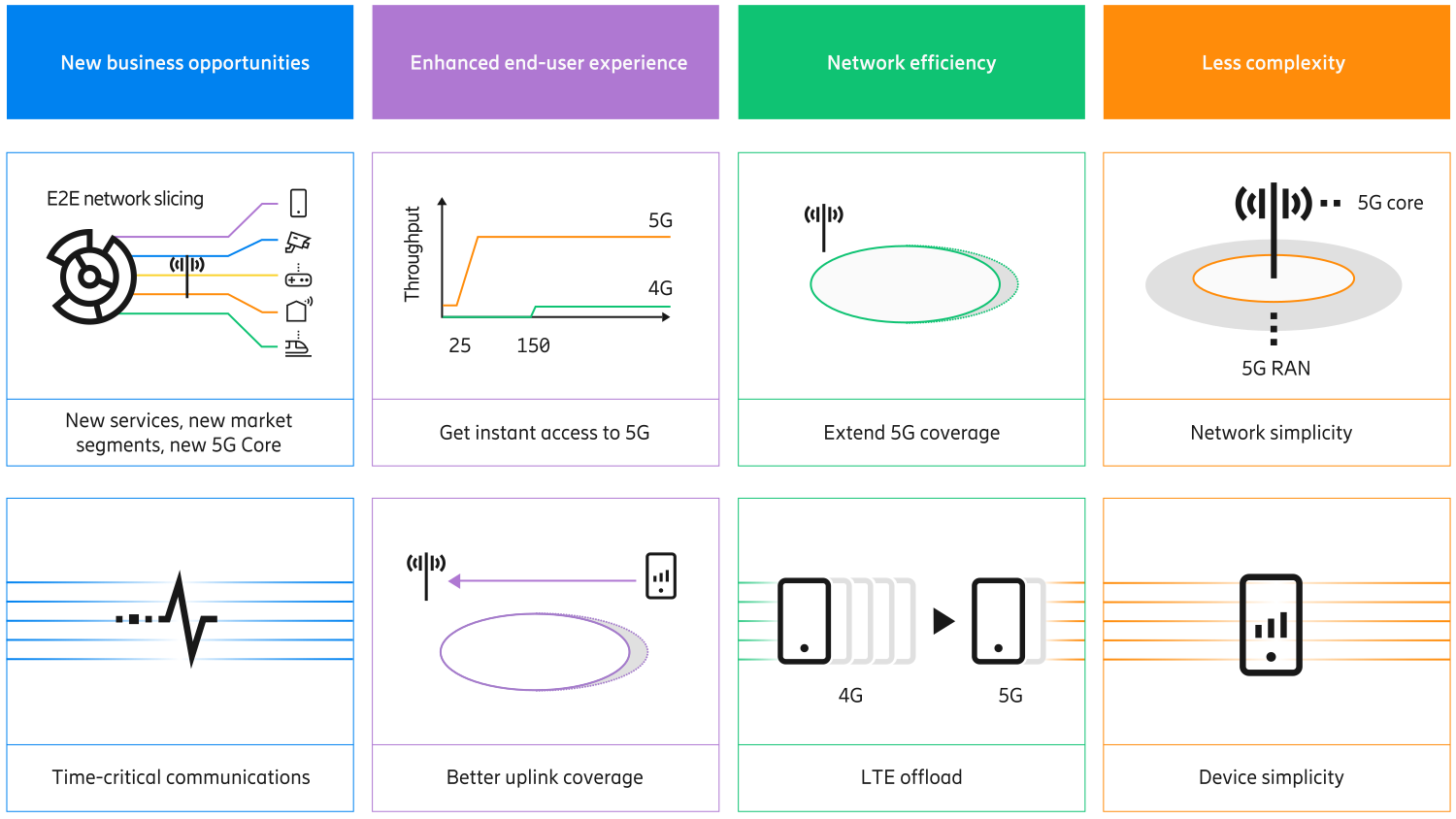
Figure 21: Selection of 5G SA key benefits 2
1 GSA, January 2022.
2 Examples of other benefits include: enhanced security (advanced encryption and identity protection), simplified operations and service agility.