










Optimized Optical Solutions - small form pluggable
As 5G networks are being deployed worldwide, high-speed optical transport is required to support the services and end user expectations. However, optical components, especially pluggable transceivers designed for data center applications not always meet the needs of the modern mobile network.
Introduction
Today, there is no shared and common understanding in the industry on which are the most important optical deployment cases and related requirements for Radio Access Networks (RANs). Industry specification, development, and deployment of optical components optimized for the mobile network would provide the transport foundation for current and future mobile networks. Such optimized optical components both enable cost savings while at the same time supporting the deployment of advanced services driving additional revenue. The Mobile Optical Pluggables (MOPA) [4] is an example of an industry initiative going in this direction.
Moving from optical components in RAN to optical components for RAN
Since the second mobile systems generation in the 1990s, the RAN capacity has grown exponentially [1]. Moving from 4G to 5G, this trend shows no sign of slowing down: peak data rate (maximum download speed) increased more than 60 times and traffic demand (data load on networks) increased 10 times. In particular, the fifth-generation mobile networks introduced several improvements from previous generations, including higher data rates enabled by much wider spectrum allocations. As an example, while the maximum spectrum width for LTE is 20 MHz, 5G NR can achieve up to 100 MHz in mid-band, and up to 800 MHz in high bands. The race for the spectrum allocations in the fifth-generation mobile systems goes in parallel with that for the rollouts of 5G networks: by 2027, it is expected that 5G networks will carry 62 percent of total mobile data traffic [2]. The increase in traffic is not the only aspect that differentiates 5G from previous mobile system generations. In highly populated cities, densification of the network (traffic load per square kilometer) is as important as the capability to deal with a high concentration of users. Analysts say that big cities will be served with 1 or 2 petabytes per square kilometer by 2025 [3]. Consequently, the mobile transport network follows a similar evolution in capacity and density. All this results in a need for increasingly high data rates in the transport network, pointing to the growing importance of optical solutions in mobile networks. Another way to illustrate the growing importance of optics in RAN is depicted in Figure 1, where the total bill of material (BoM) cost for a radio unit (RU) is shown with the pluggable optics cost portion for three different mobile generations (3G WCDMA in 2009, 4G LTE in 2014, and 5G NR in 2022). As can be seen, the relative cost portion of the optics has roughly doubled with 5G NR.
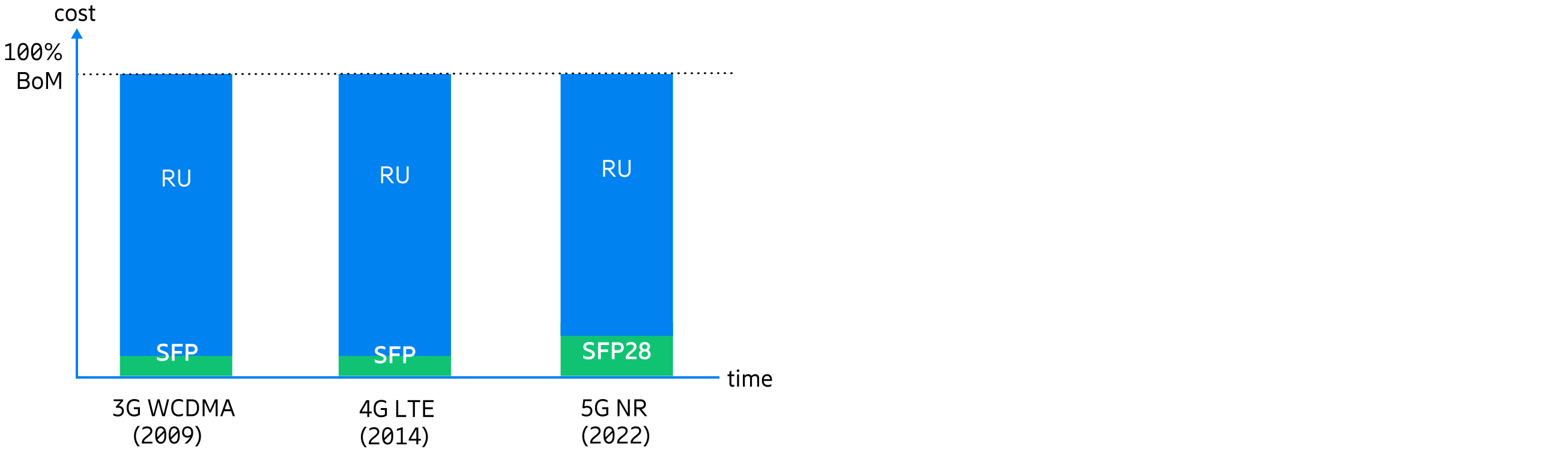
Figure 1: Relative cost portion of optical pluggables vs the total cost for an RRU from three different mobile generations
The mobile transport network connects RAN equipment such as Radio Units (RUs), Distributed Units (DUs), and Centralized Units (CUs), as shown in Figure 2. It includes the backhaul network, connecting the 5G Core Network to CUs, and supports both High Layer Split (HLS) interfaces between CUs and DUs and Low Layer Split (LLS) interfaces between DUs and RUs.
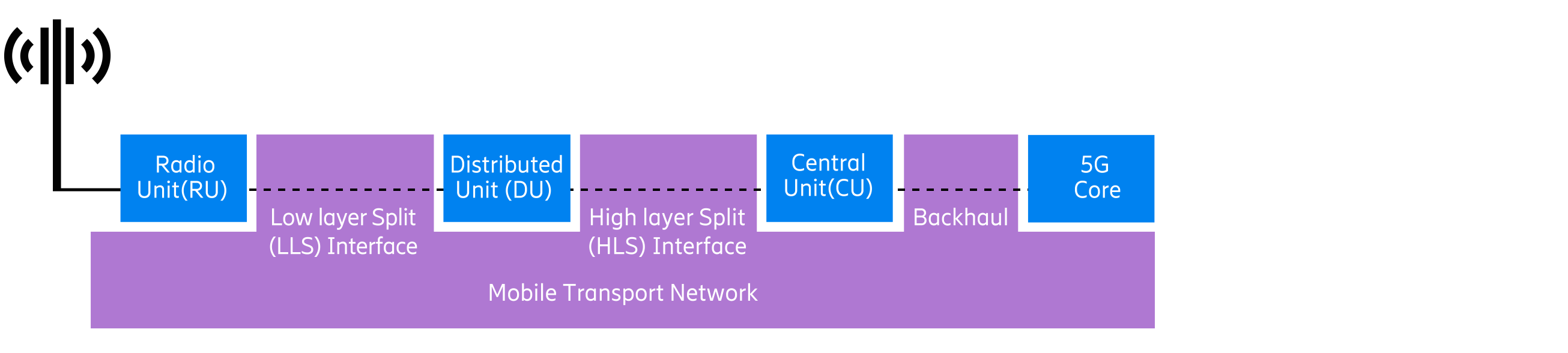
Figure 2: Mobile transport network
To deal with such a variety of connectivity services, the mobile transport network encompasses different kinds of equipment and technologies: packet switches and IP routers (fronthaul gateways, cell site gateways, etc.), front-panel pluggable optical transceivers (simply referred to as pluggables in the following), coarse or dense wavelength division multiplexers and demultiplexers and optical add-drop multiplexers (OADM).
The data rate from each 5G RUs is typically multiple Gbit/s carried over a few 10 Gbit/s or 25Gbit/s physical ports. These data rates are multiplied by the number of RUs at each antenna site and the number of antenna sites, so that the resulting aggregate bit rate can become a multiple of 100 Gbit/s. Thus, high-capacity (and cost-effective) optical components are key enablers for the mobile transport network. Radio access networks already drive big market volumes, with millions of optical pluggables deployed every year, and will do even more in the future. Figure 3 shows forecasts of the number of units and total revenues for optical pluggable transceivers in RANs.
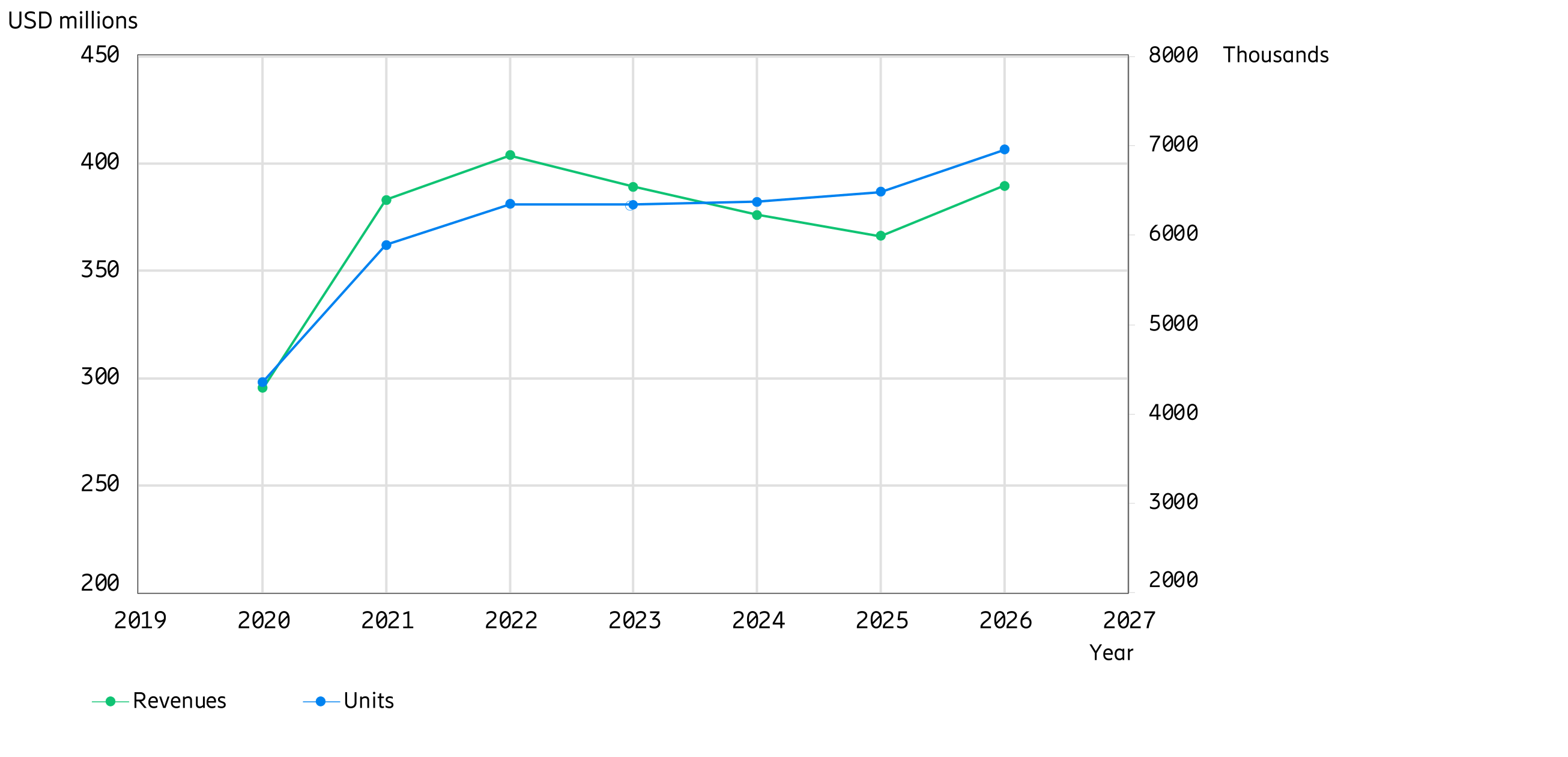
Figure 3: Forecasts of the number of units and total revenues for optical pluggable transceivers in RANs
The decrease of revenue starting from 2022 is due to the steep cost reduction of 25G transceivers, which is the dominant data rate in this time frame. Starting from 2025, more expensive transceivers working at higher bit rates, such as 50G and 100G, are expected to become a significant portion of the total number of units, restarting the revenues growth. The evolution of the bit rate is evident in Figure 4 which is showing a long-term forecast of pluggable units deployed at different bit rates in 2020 and 2026.
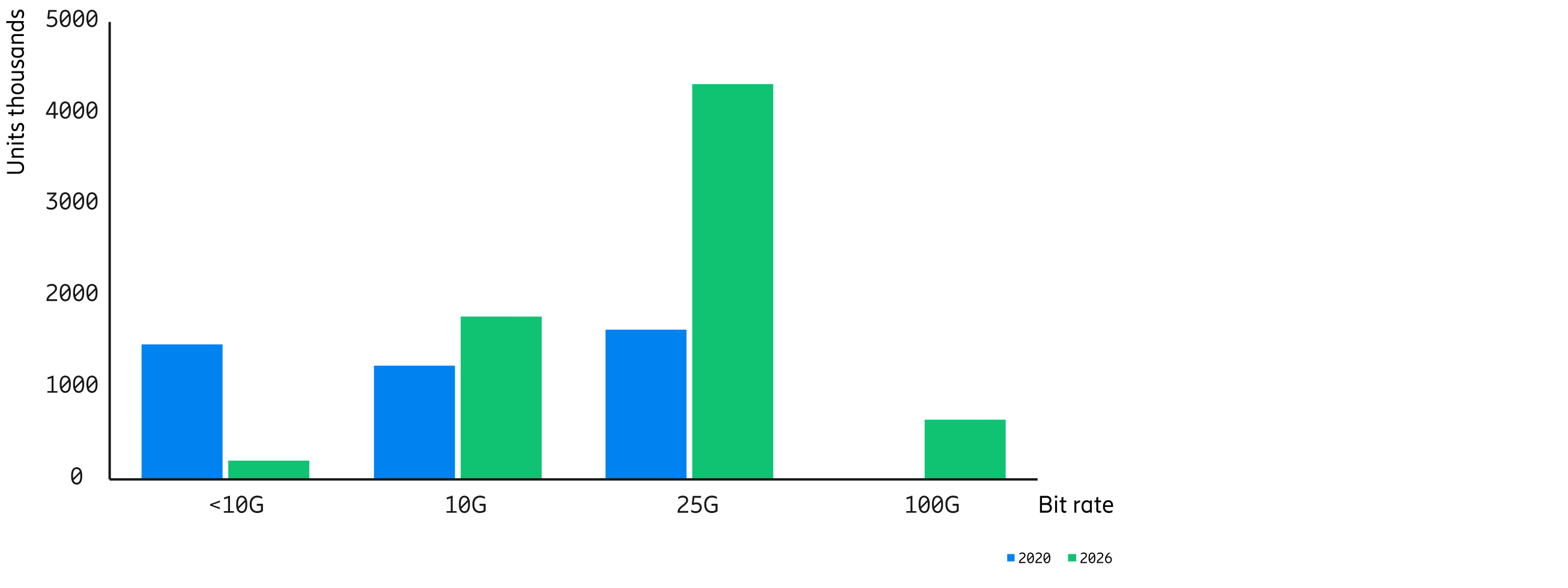
Figure 4: Long-term forecast of pluggable units deployed at different bit rates in 2020 and 2026
Figure 4 shows that the volumes for <10G, 10G, and 25 are about the same in 2020, while in 2026 25G is expected to dominate. Also, 100G ramps up quickly in this time frame, driven by packet-based mobile transport. However, long-term market forecasts like this may be affected by the introduction of unexpected emerging technologies. This could be the case for 50G: A very mature technology in the datacom industry which is becoming compelling for mobile networks due to the impending adoption of 50G electrical SerDes technology and the large reuse of existing 25G technology, with order-4 pulse amplitude modulation (PAM-4) modulation. The optical industry is currently adapting 50G for mobile network use cases, exactly like it happened for 25G when the corresponding electrical SerDes speed appeared in RAN products around 2018. Initiatives like MOPA can contribute to collectively acknowledging, driving, and speeding up this adaptation process, starting from the existing datacom standards and identifying additional requirements for the mobile networks use cases.
As is clear from the previous paragraph, mobile transport is a big and growing market for optical components. Nevertheless, features and prices of these optical components are driven by the datacom market, as well as the specification work carried out by standard developments organizations (SDO) and multi-source agreements (MSA) industrial consortia. This is a paradox considering that telecom applications, including mobile transport, approximately take 60% of the optical components market, with datacom absorbing the remaining 40%. As optical pluggables are important functions in the overall 5G system and an increasing part of the overall cost, the availability of those optical pluggables at the right time and cost is critical to fulfilling the 5G global deployments. Consequently, optical solutions optimized for RAN are required. For example, measurements on 1.6 million fronthaul links from RAN installations worldwide showed that 95% of optical links are below 1.3 km. This shows the need for a very cheap short distance single-mode optical transmitter, standardized in due time by the optics industry allowing for an active eco-system. As another example, tunable optical transmitters are highly beneficial in a RAN, since they allow the use of a single type of optical component for all the wavelength-multiplexed optical channels running over one fiber. However, current tunable transmitters are conceived for high-capacity transport systems, able to carry 48 or 96 different wavelengths over the same fiber. RANs typically need a lower number of wavelengths, for example, 12 or 24, that would allow reducing cost by reducing volume manufacturing tests for existing grids (“narrowly tunable”) or defining new grids with coarser frequency spacing, reducing the frequency stability requirement of the tunable laser and its cost.
Generating a shared and common view of optical solutions for mobile transport across all relevant industries is an effective way to secure that the right optical components, with a consistent and focused feature set, are available at the right time and the right cost for the 5G buildouts. Previously, such a common view is mostly lacking and this has several implications: too many different architectures and technologies are deployed, leading to market fragmentation; operators, system vendors, and optical components suppliers struggle to focus on the most relevant needs; and the right solution may not be commercially available at the right time and the right cost point. More awareness of radio-specific requirements, and enabling optical technologies, would mitigate the consequences of using RAN components that are not ideal from a cost viewpoint and cannot fulfill radio-specific requirements. There are several examples of important requirements specific to the mobile transport network. One is the capability to tolerate the wide climate conditions of outside antenna locations. This means that the equipment must be able to comply with the so-called industrial temperatures of –40 to +85 °C. Considering that antennas are located outdoor, on high towers, it is problematic to use heavy heatsinks or other advanced heat dissipation mechanisms (for example, liquid cooling). Outdoor radios have small heatsinks to allow convectional cooling. But since customers continuously ask for smaller-sized radios with additional RF output power, the radios and future SFPs get hotter and the need for high temp SFPs with less SFP power increases. This generates the need for low power optical devices that can operate at high temperatures (85°C at the pluggable case), in some cases even extreme (close to 100°C). The requirement especially impacts the lasers at the optical transmitters, the most temperature-sensitive device in a pluggable. Conversely, high temperature operation is not needed in data center equipment located in a protected environment. Another important mobile requirement is the need for long life spans, typically 15 years for the duration of the overall network service, to avoid costly tower climbs due to repairs. Furthermore, typical link distance and attenuation are different for datacom and RAN. Datacom consists of short (<1km long) point-to-point optical links between servers, switches, and storage units while mobile transport requires longer distances, up to 40 kilometers or even more. This, and the presence of passive optical components, such as OADMs and power splitters, increases the link attenuation and requires transceivers able to cope with higher attenuation than in datacom or the use of optical amplifiers. These optical technologies exist, widespread in long-haul fiber networks, but need a dramatic cost reduction (and, in the case of optical amplifiers, also a significant reduction of size) to be used in mobile transport.
Table 1 provides a high-level comparison between optics for data centers, for 5G Backhaul (Figure 2), and for LLS connections provided through distributed or centralized RAN (DRAN and CRAN, respectively).
| Characteristics | Data center (intra-office) | 5G DRAN LLS | 5G CRAN LLS | 5G Backhaul |
|---|---|---|---|---|
| Fiber distance | ≤ 2 km | ≤ 2 km | ≤ 15 km (20 km extreme cases) | ≤ 40 km, (80 km extreme cases) |
| Fiber supply | Abundant | Abundant | Scarce | Scarce |
| Data rates | 100, 400 Gbps | 25G | 25G | 25, 100G |
| Sync | Not critical | Very Critical | Very Critical | Critical |
| Lifetime | 3-5 years | 15 years | 15 years | 10-15 years |
| Environment | Indoor, tempcontrolled (C-temp) |
Outdoor, I-temp | Outdoor, I-temp | Outdoor, I-temp |
| Service cost | Low | Very high | Very high | High |
| Deplyment model |
Green field | Brown field | Brown field | Brown field |
Table 1. Optics requirements for data centers and RAN
The particular features that RANs demand to optical networks are often underestimated, leading to the belief that universal optical components exist, which may fulfill any use case in any application domain, ranging from telecom network to datacom. This is the so called Open HW (optical HW in, this case) paradigm. According to it, the generation of a well written and complete set of specifications would be enough to fully define multi-vendor interoperable equipment, which can be produced on large scale by any industry of the relevant sector. A too strict but unrealistic interpretation of this paradigm may spread the myth that optical components are “consumer” products that can be bought and installed regardless of the target application and with little technology validation, system design, and integration tests. In reality, this is not the case. Though standardization is necessary and is the foundation of communications, any specification, for example, a set of optical parameters for a transceiver, is by definition an abstracted and simplified representation of its behavior, which will never characterize it completely. Actually, telecom systems vendors play a primary role in the specification, qualification, and testing of optical components, ensuring their compatibility with a variety of mobile transport use cases, based on operators’ and service providers’ deployments worldwide. This avoids designs specific to a single region or service provider, with consequent market fragmentation. In addition, it prevents the common misunderstanding that there are optical components good for any application, from datacom to mobile networks. This mitigates the risk, for carrier service providers and system vendors to lose quality control and reliability, with a consequential increase of operational costs for troubleshooting. This risk is further increased by today’s fragmented market, where many small optical components vendors coexist and compete. Pushed by cost reduction needs, they may tend to significantly shorten the time to market of their devices, at the expense of exhaustive qualification and calibrations tests. More awareness of radio-specific requirements, and enabling optical technologies, helps in mitigating the consequences of using the RAN components that are not ideal from both performance and cost viewpoints.
The discussion carried out in the previous sections of this paper demonstrates the necessity to streamline the optical industry’s efforts towards the optics requirements and needs of the 5G deployments. The first initiative in this direction is the Mobile Optical Pluggables (MOPA) technical paper [4], by five market-leading companies (Ericsson, Nokia, II-VI, Lumentum, and Sumitomo Electric) This paper includes the most important high-level requirements and optical solutions for 5G. Initiatives like MOPA debunk the myth that one-size-fits-all components exist and reaffirm the importance of the testing and qualification work performed by system vendors that have a broad and global view of network scenarios. Without this necessary step, network operators would face greater risks of adopting optical solutions that are not optimized from a total cost of ownership (TCO) and future-outlook perspective. Currently, there are plenty of standardization bodies, industrial fora, and MSAs dealing with optical components, systems, and networks (Figure 5).
Standardization bodies

Industrial fora
MSA's
Figure 5: Standardization organizations overview
However, no industry standards organization has the mandate, scope, or cross-section of expertise found in MOPA. The mission and specifications of MOPA bring into play a unique set of participants, blending the expertise in optical networking, optical components, and RAN networking to form a group uniquely qualified to address the issues of the modern optical RAN. Existing optical networking standards organizations such as IEEE 802.3, ITU-T Study Group (SG) 15, and OIF are focused specifically on optical technology, optical networking, and optical implementation agreements. Most of their work focuses on optical interfaces and photonics, the application of which is targeted toward data centers and data center interconnect. While there is overlap between the applications, mobile networking has an additional and different requirement, as discussed in the previous section, given the unique operating environments and conditions facing RAN equipment. These requirements are often insufficiently addressed in the existing standards organizations. Where there is attention to mobile networking in these organizations, it is limited to general optical interface technology and speeds, usually with specific regional preferences, versus what component requirements it takes to implement a RAN with these technologies. MOPA takes on the task of specifically looking at the optical networking and use cases of the modern and emerging RAN from 3GPP, highlighting the uniqueness of the requirements and what it takes to meet them.
Such an improved common understanding of optical solutions for RAN can help system vendors, pluggable vendors, and mobile transport operators in mitigating risks of adopting solutions that are not optimized from a total cost of ownership and future-outlook perspective, Such a common understanding and focus can be achieved by defining a limited number of uses cases (“optical blueprints”) for optical components in RAN. A mobile optical blueprint is a network solution description documenting a use case with the optical pluggables and passive optical components implementing that use case, with high-level optical requirements. Figure 6 shows a simple example of an optical blueprint, taken from the MOPA technical paper, for a distributed RAN (DRAN).
A table with high-level, key requirements
| 2 km RU-DU Direct parallel fibers Blueprint | ||
|---|---|---|
| Typical use cases | DRAN DU to RU; DU to cell site router intra-site; DU and/or cell site router to microwave element intra-site. Up to 2 km |
|
| Distance | Typ Min 0 km; Typ. Max: 2 km | |
| Channel Insertion Loss | 2.8 dB @1.3 um | |
| Mode, Nr ch., Wavelengths |
Dual fiber: O-band 1310 nm. BiDi O-band 1270nm/1330 nm. | |
| Temp. Range/Class | I-temp | |
| Lifespan | 15 years | |
| Data rates | 10 Gbps | 25 Gbps |
| Form factor | SFP+ | SFP28 |
| FEC | No | Yes |
| Power Class | PC2 (1.5 W) | PC2 (1.5 W) |
| Pluggables codes | 10G-2km-O-G-1-2-SFP+ | 25G-2km-O-G-1-2-SFP28 |
| Key technologies | 10G-2km-O-B2-2-1-SFP+ | 25G-2km-O-B2-2-1-SFP28 |
| Low cost 25G DFB (e.g. reuse 10G 10 km). New low-cost tech like 25G FP |
||
A solution illustration

Figure 6: Example of optical blueprint for a DRAN
In general, a blueprint consists of a solution illustration and a table with high-level, key requirements. In this example, it refers to the short link (0-2 km) between RU and DU in a DRAN and the optical interfaces at its edges. In a DRAN, DU and CU functionalities collapse in the same equipment, connected to the RU by means of an LLS fronthaul interface (CPRI or eCPRI). It is out of the scope of this paper to illustrate in detail the content of the table in Figure 6. What is important to emphasize here is that it contains all the essential information to evaluate the R&D effort required to pluggable vendors to develop optical pluggables compliant with a blueprint and the information necessary to system vendors to integrate those pluggables in their equipment. Optical blueprints also provide SDOs with the key inputs to develop a full-fledged specification. Examples of information useful to pluggable vendors are the pluggable power class and the form factor. Examples of standard relevant information are the wavelength plan and the distance. Optical blueprints as the ones described in the MOPA paper cover all globally relevant deployment variants for the optical links in distributed, centralized, and virtualized RAN (DRAN, CRAN, and VRAN, respectively).
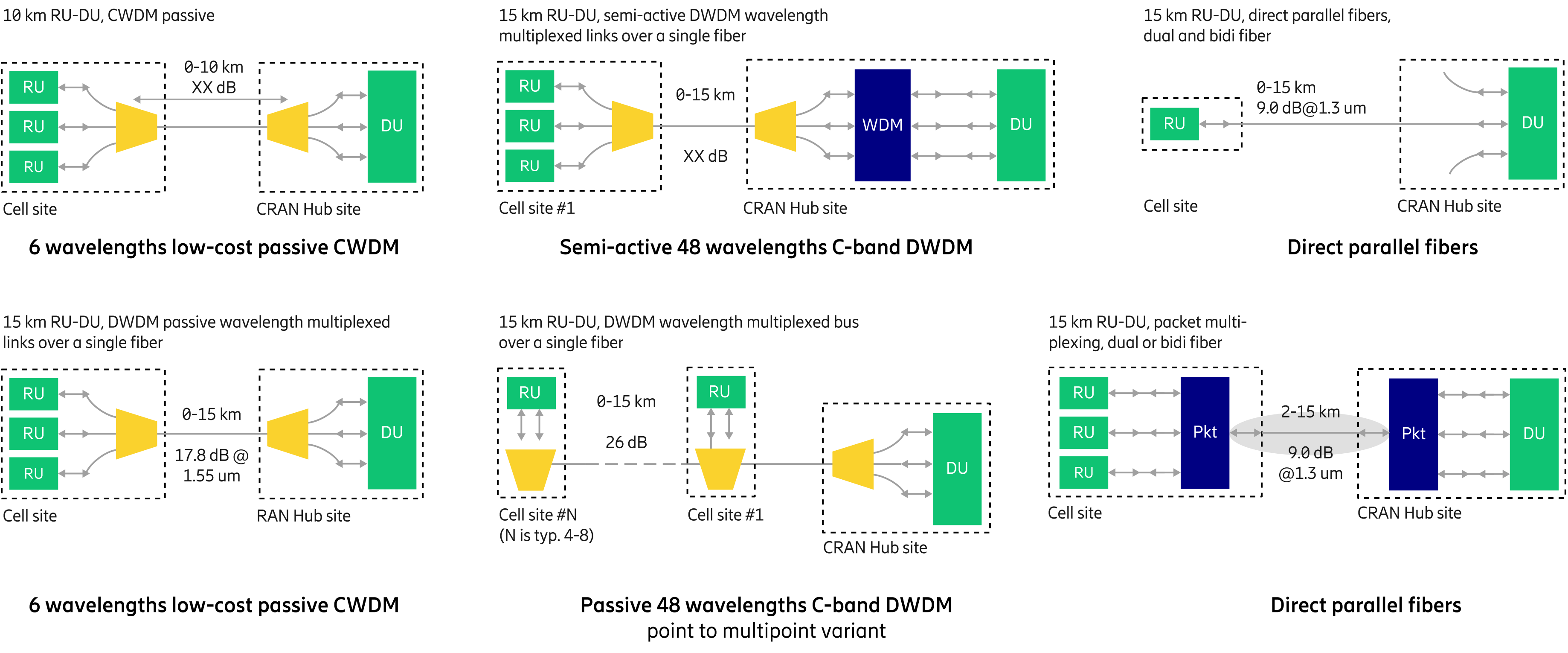
Figure 7: Examples of optical blueprints
As an example, Figure 7 illustrates the possible deployment scenarios for CRAN, each one mapped into a blueprint. This allows covering a variety of situations as regards network topology, aggregate capacity, type of carried traffic, etc., using the optimal technology for each situation. For example, direct parallel fibers with cost-effective “grey” pluggables (i.e., pluggables where the transmitted wavelength is not stabilized to save costs) will be used in fiber abundant scenarios while fiber-scarce scenarios require the use of dense wavelength division multiplexing (DWDM) technology.
The definitions of optical blueprints will result in a clear view of optical components needs for operators, systems vendors, and optical components suppliers and will encourage an eco-system for timely, cost-efficient, and optimized mobile transport architectures.
It may happen that an optical blueprint, defined based on operators’ requirements for future network upgrades, is not feasible with current optical technologies. Even in this case, however, the optical blueprint will help to understand what important technologies, capabilities, and components that are not yet available will need to be developed as key enablers for future RAN deployments. Relevant examples are optical transceivers operating at high temperatures, cost effective high-capacity transceivers, pluggable optical amplifiers and fiber chromatic dispersion compensators, cost-effective tunable filters, and wavelength switches. This will further help steer the optical industry in a RAN-friendly direction, seizing unexploited business opportunities.
Conclusions
It is observed that generic optics, developed for applications different from RANs, may not fit the requirements of the mobile transport network. Optical components natively conceived for radio access and based on technologies driven by its requirements (right optics at the right time and the right cost) would accelerate the pace at which RANs are deployed and decrease the relative cost of the optics as part of the total RAN solution. All industry players (communication service providers, system vendors, and optical pluggable vendors) can gain from a coopetitive approach where a common and shared view of the features that the RAN requires to optical components is built first, to foster a bigger and less fragmented market, and only then the usual competition phase starts. It would make it easier, and with lower risk, to estimate and plan the evolution of networks and products. Moreover, R&D work can be done faster and more effectively with reduced risk and a better ecosystem with more stable and sustainable supply chains can be put in place.
References
Optical Add Drop Multiplexer (OADM): it is an optical device having an input port, receiving a set of wavelength multiplexed optical channels, some drop ports where some of these wavelengths are individually extracted to be received, add ports where optical channels emitting at the same dropped wavelengths can be reinserted to be transmitted into the direction of the input optical wavelength, and an output port where the added wavelengths and the input wavelengths that have not been dropped are multiplexed.
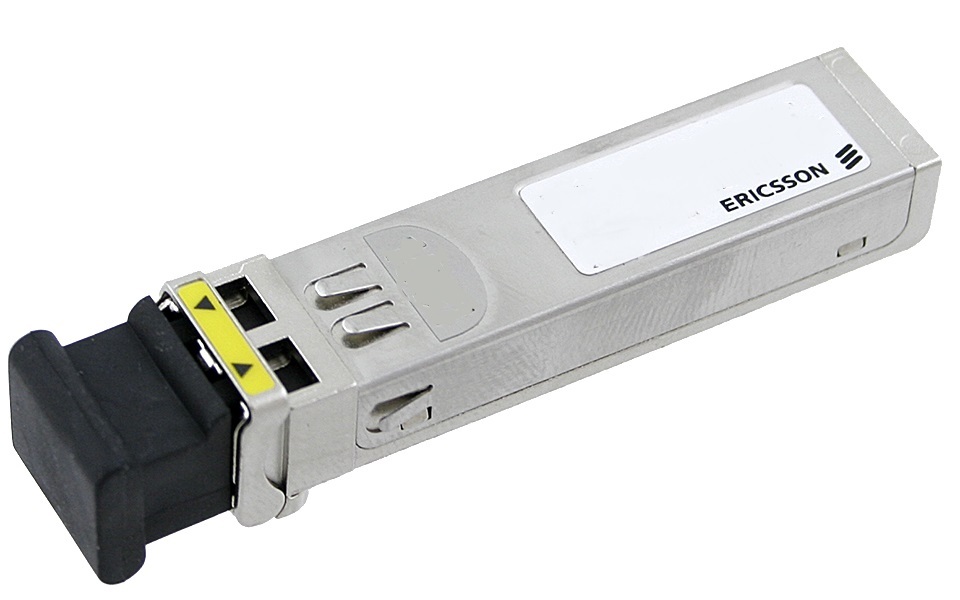
Pluggable: in its simplest form, a pluggable optical transceiver, or simply pluggable, is a device that has an optical output, for signal transmission into an optical fiber, an optical input, for receiving a signal from another optical fiber, an input electrical pin, for providing the modulating signal to the optical transmitter and an output pin, providing the photo-detected signal. Other electrical pins are used for power supply, control, diagnostics, etc. All are included in a small form package (SFP) that can be plugged into hosting equipment such as a radio unit, a baseband unit, a packet switch, a router, etc. Industrial multi-source agreements specify all relevant characteristics of a pluggable (mechanics, signal format, power consumption, and so on) making it compatible with a large variety of hosting units. There are several variants of the basic pluggable scheme. In bidirectional (BiDi) pluggables, optical transmitter and receiver are coupled to the same optical fiber using a duplexer, integrated into the same package. In other variants, the pluggable hosts several transmitters and receivers, each transmitter emitting at a different wavelength. The wavelengths are then multiplexed by means of an optical filter, also included in the package.
Figure 8: an example of pluggable
Tunable transmitters: they are optical transmitters for which it is possible to adjust the frequency of the emitted optical carrier, manually or automatically (self-tuning). The frequency can vary over a continuous range or a discrete frequency grid (typically, the 100 GHz or the 50 GHz grids defined by ITU-T). The use of tunable transmitters in wavelength division multiplexing systems allows using one transceiver variant for all the wavelengths of the spectrum, simplifying inventory and network maintenance.
Contributors