











Ericsson Antenna System
Ericsson Antenna System enables superior coverage, capacity and user experience across all key bands. Independent operator benchmarks in live networks show that Ericsson multi‑band antennas can significantly increase uplink and downlink throughput, expand effective coverage and improve device battery life compared with incumbent solutions, while also reducing the energy needed to carry each bit of traffic. Passive antennas therefore play a pivotal role in how every 5G site performs, from radio efficiency to what end users actually feel on their devices.
A precisely engineered antenna can extend reach, secure a robust uplink anchor and cut both network and device power consumption at the same time. That makes antenna choice a practical lever to get more from your spectrum and radio investments, and to prepare your network for 5G Standalone and AI‑driven optimization – where consistent, high‑quality RF performance is a prerequisite for unlocking advanced capabilities and future‑proofing the RAN.

Antenna technologies explained
Passive antennas play a decisive role in how every 5G site performs. They shape coverage, capacity and spectrum efficiency, and they influence how smoothly you can deploy, maintain and evolve your network. With the right antenna choices, you can unlock more value from today’s bands and radios, simplify field work, and prepare for 5G Standalone, AI‑driven optimization and future 6G evolution – while also supporting your energy and sustainability ambitions

Multi-band, multi-port platforms
Support several bands and radio connections in one footprint, simplifying 5G upgrades and antenna sharing.
Antenna efficiency
Describes how much of the input power is converted into useful radiated energy. Higher efficiency means stronger coverage and capacity for the same power, supporting better user experience and lower network energy consumption.
Beam efficiency
Describes how effectively an antenna focuses energy into the desired coverage area. Higher beam efficiency improves throughput and uplink performance with less wasted energy.
Passive intermodulation (PIM)
Unwanted mixing of signals in passive components that raises the noise floor and reduces uplink quality. Low‑PIM antennas are essential for spectrum‑efficient 5G services.
Antenna Monitoring Unit (AMU)
Monitors key antenna parameters in real time, giving you early visibility of performance or hardware issues at the site. This helps protect service quality, reduces fault‑finding time and supports more proactive, data‑driven maintenance.
Remote Electrical Tilt (RET)
Lets you adjust coverage remotely, speeding optimization and reducing truck rolls and field risk.
Proven benefits in the field
Performance and user experience
In a live trial with a European tier‑one CSP, an Ericsson 12‑port multi‑band antenna delivered 110 percent higher peak uplink and 15 percent higher peak downlink throughput than the incumbent antenna at the same site. Coverage on the 2100 MHz band improved by over 6 dB—about four times larger coverage area—enabling higher data rates for advanced 5G use cases such as enhanced mobile broadband and fixed wireless access. The trial also showed up to 35 percent device battery savings due to improved signal quality and reduced transmit power.
Energy efficiency and TCO
In another operator benchmark, Ericsson Antenna System reduced radio output power by 29 percent while still delivering 7.5 percent more traffic volume per kWh than the best competing antenna. This corresponded to annual energy savings of more than 4,700 kWh per site, with further savings expected on low‑band layers. High beam efficiency and optimized mechanical design also help lower wind load and simplify installation, contributing to lower total cost of ownership.
Real-network proof points
Multivendor operator benchmarks and drive tests confirm that these lab results hold in live networks, showing consistently better SINR, carrier‑aggregation utilization and traffic per site compared with incumbent antennas. This is where you lean on “performance and user experience” (throughput, coverage, CA behavior, uplink integrity, device KPI impact and spectral efficiency).
Mechanical and environmental robustness
Antennas undergo combined temperature, humidity, corrosion, vibration and dynamic wind‑load testing, plus radome and material verification. This leads to lighter designs with optimized wind load and very low field failure rates. With safe and smart brackets we ensure sites are easier and safer to plan, build and maintain over time.
Transparent, best‑in‑class wind‑load and mechanical performance
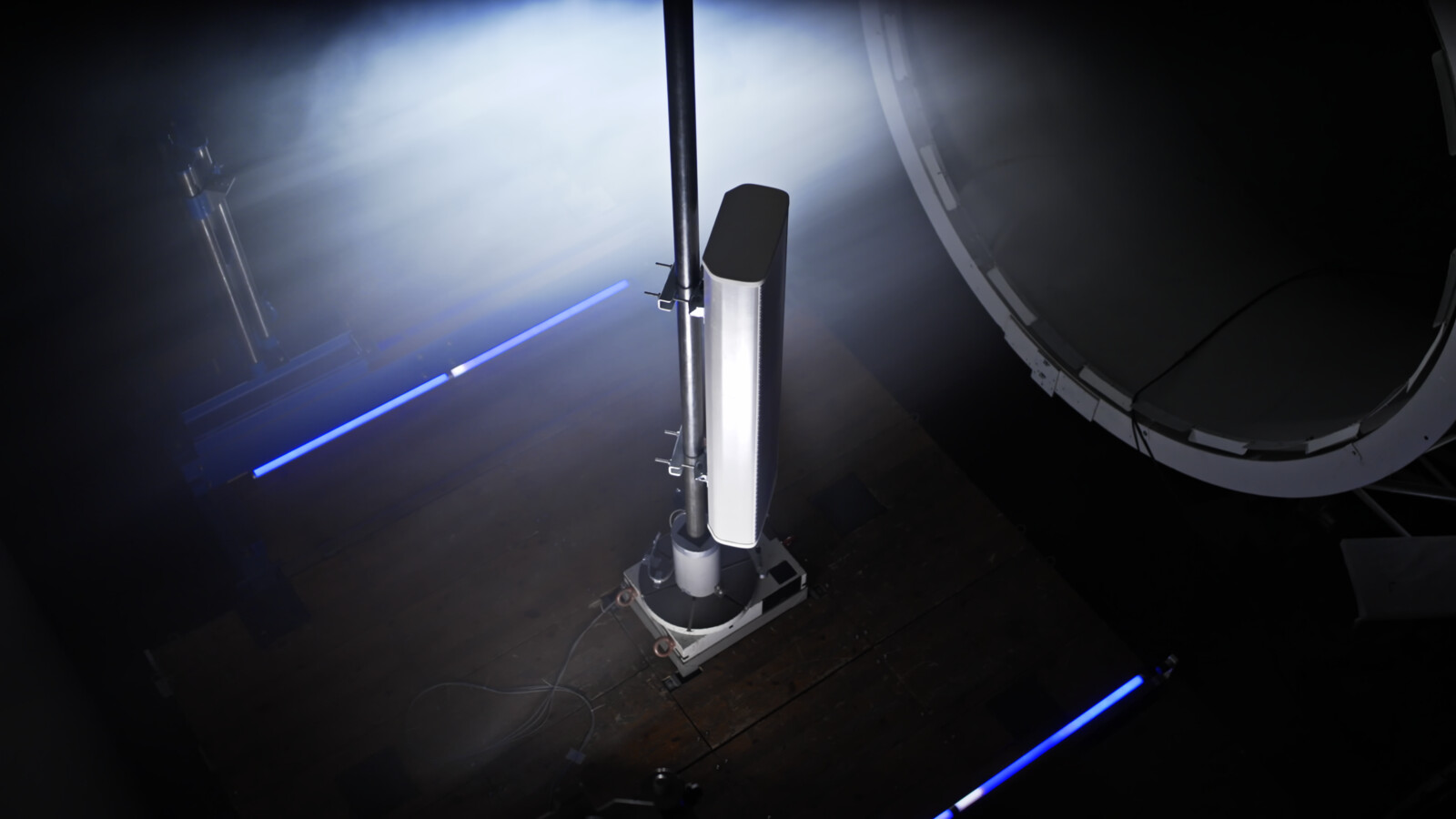
Best-in-class wind-load and mechanical performance sets our antennas apart. The rigorous approach enables lighter platform designs with around 20% lower wind load and weight, helping operators simplify site planning, maximize reuse of existing towers, and reduce total cost of ownership. Each antenna is validated in dedicated dynamic wind tunnels in Europe and the US, and wind-load simulation tests, using 360° analysis and the latest industry standards, including latest NGMN BASTA guidelines.
Where these gains matter most
Dense urban and shared sites
On high‑load urban and shared sites, better beam efficiency, higher SINR and improved carrier aggregation utilization help you unlock more capacity from existing spectrum. In the 2024 field trial, Ericsson Antenna System increased 5G DSS 2100 downlink data traffic by 165 percent and uplink data traffic by 280 percent compared with the incumbent, while also improving carrier‑aggregation distribution and high‑order modulation usage.
Coverage and modernization in suburban and rural areas
The same coverage and SINR advantages translate into fewer sites or more headroom when you modernize suburban and rural networks. With larger effective coverage per antenna, you can often maintain or improve service while reducing radio power or avoiding additional sites, which supports both CAPEX and OPEX efficiency.
Networks with strong energy and climate targets
For CSPs with ambitious sustainability goals, the benchmarked energy savings and device battery improvements show that antenna selection directly influences network and user‑side emissions. Combining lower site energy use with a circular‑economy approach in design, materials and packaging helps you support climate and reporting targets as part of normal rollout decisions.

How Antenna Innovation Powers AI-Driven Networks
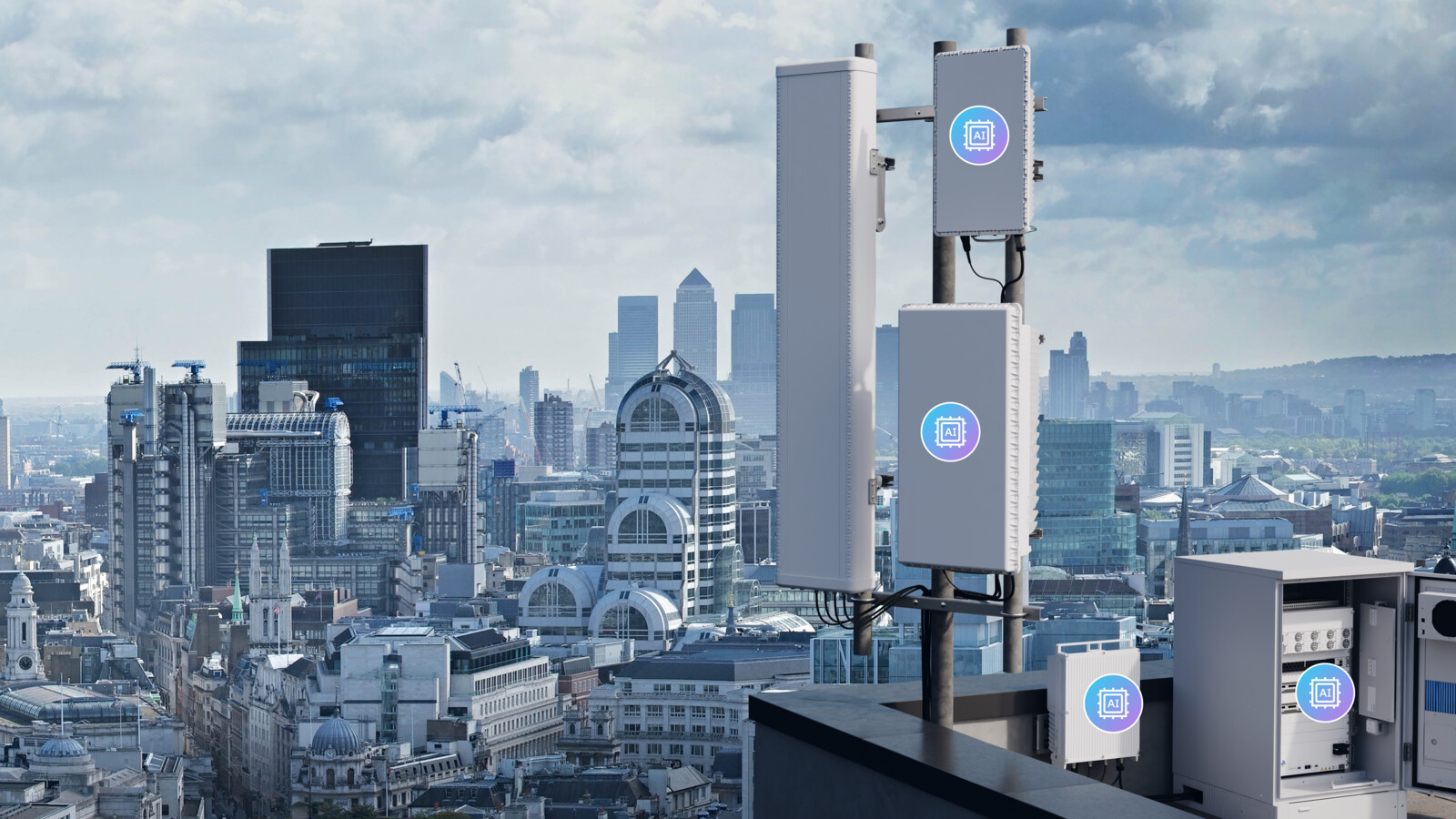
Discover how the latest antenna innovations are helping operators build high-performing, AI-ready networks. In these MWC 2026 video interviews, Ericsson experts share how intelligent antenna design improves uplink performance, strengthens coverage and capacity, enables automation through real-time data, and supports more resilient, energy-efficient networks. Watch to explore the technology and innovation shaping the future of mobile connectivity.
Further insights


Stay updated
Blog articles
News articles
Papers and documents
Press releases
Everything you need to know about Ericsson Antenna System
The Ericsson Antenna System is a portfolio of passive antennas and related accessories designed to help communications service providers (CSPs) deliver high-performing, energy-efficient and future-ready networks. The antenna is the gateway to the radio access network. As we move towards 5G standalone, programmability and performance are key for the network. And antennas can help to improve coverage, uplink performance, capacity, spectrum efficiency and in the end reduce total cost of ownership (TCO).
Ericsson’s trio net antennas boost overall network performance by delivering wider coverage and better uplink speeds while keeping interference low and stable (enabling up to –156 dBc PIM). They offer up to 85% antenna and beam efficiency to further enhance coverage and throughput and support advanced configurations (4T4R on low bands and up to 4T8R on mid bands) for greater capacity. The design is energy- and material-conscious, cutting embodied CO2 by 42% and weight by 37%, and reduces radio power use by about 29%, all while offering industry-leading wind-load resilience and straightforward installation to lower total cost of ownership (Read more).
Sustainability is built into the antenna portfolio: from reduced power consumption, eco-friendly materials and full lifecycle thinking, to enable operators to meet their ESG targets. By deploying energy-efficient antennas, operators can lower their carbon footprint, reduce energy bills and support circular economy principles (Read more).
Our solutions outline more realistic improvements by focusing on the real network impact and using simulations and live network benchmarks. In addition, there are more product parameters to consider, such as site requirements (wind load, weight, etc.) as well as easy site accessory installation. Ericsson provides detailed product datasheets, use-case references and deployment guidelines to help you match the right solution (Read more).
While actual gains depend on site conditions, operators using the Ericsson antenna system typically see enhancements such as higher spectral efficiency (more bits per hertz), improved uplink/downlink throughput and data traffic, lower interference, and better energy-per-bit metrics. These translate into improved throughput for end users and improved economics for the operator (Read more).
