










Why Standalone is vital for reaching 5G maturity

Domain Sales Manager, Network Solutions, Market Area Middle East and Africa (MMEA)

Domain Sales Manager, Network Solutions, Market Area Middle East and Africa (MMEA)
Domain Sales Manager, Network Solutions, Market Area Middle East and Africa (MMEA)
After I wrapped up a remote customer workshop last week on the benefits of 5G Standalone technology, I noticed that my nine-year-old child had been listening carefully. “Daddy, what does ‘standalone’ mean?” he asked.
I explained that children must grow and experience the world, try out new things for themselves. This is what Standalone technology enables for service providers. Non-standalone, on the other hand, relies on old ways of doing things.
Maximizing reuse of existing networks
5G Standalone architecture breaks new ground by using a single radio access technology (RAT). With no 4G legacy setup, or anchoring bands to look after, 5G Standalone enables around 6x faster access to 5G spectrum and massively simplifies planning and execution.
Introducing 5G Standalone with single RAT and cloud native dual-mode 5G Core solutions lets service providers offer their customers super-fast response times, as well as quicker access to superior data rates.
It offers better uplink coverage as there is no power split between user equipment using 4G and 5G. Zero inactive states means that users can connect to 5G more quickly. Examples of use cases that would benefit from these advantages are cloud-based online gaming, immersive media, high-tech vehicles and robot control.
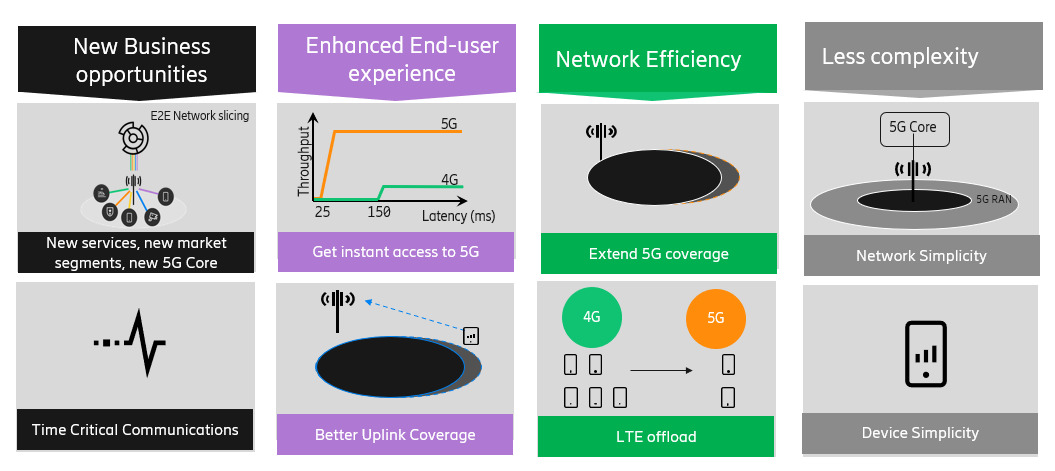
Figure 1: Why 5G Standalone
Leveraging the flexibility of end-to-end network slicing
5G Standalone leverages the flexibility of end-to-end network slicing capabilities to accommodate new cases within the same physical network.
End-to-end network slicing systematically addresses the diversified requirements and traffic characteristics of the new services, leading to higher levels of scalability. It also enables service differentiation in terms of quality of service, security and reliability. Service providers can further monetize their 5G investments by addressing users that are prepared to pay more for tailored services.
Network slicing permits network resource sharing when there is no contention of resources between different types of services. It also provides isolation among those services when resource contention occurs. As a consequence, new and challenging use cases can coexist with all the other services on offer, which will be protected against high-resource demanding services.
Ericsson software is designed to enable service providers to launch 5G Standalone commercially. Combined with our cloud native dual-mode 5G Core solutions, the new 5G software can be installed on existing Ericsson Radio System hardware for unbeatable time to market.
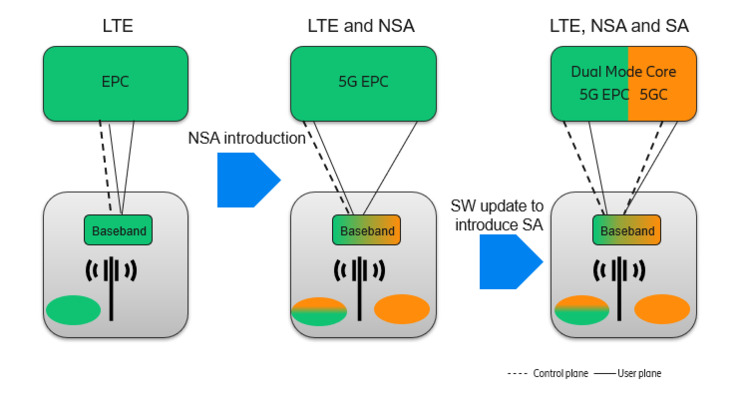
Figure 2: Ericsson 5G Standalone implementation
The value of the 5G mid-band
The 5G mid-band (below 6GHz, time division duplex, TDD) is the sweet spot for 5G deployments. It has a higher bandwidth and capacity compared to the low-band, but uplink coverage is more limited. This can be overcome by using Carrier Aggregation to increase the overall mid-band downlink cell coverage and offer access to more users.
5G promises to offer better and higher speed services compared to 4G and it is solely through mid-band TDD that such a promise can be kept.
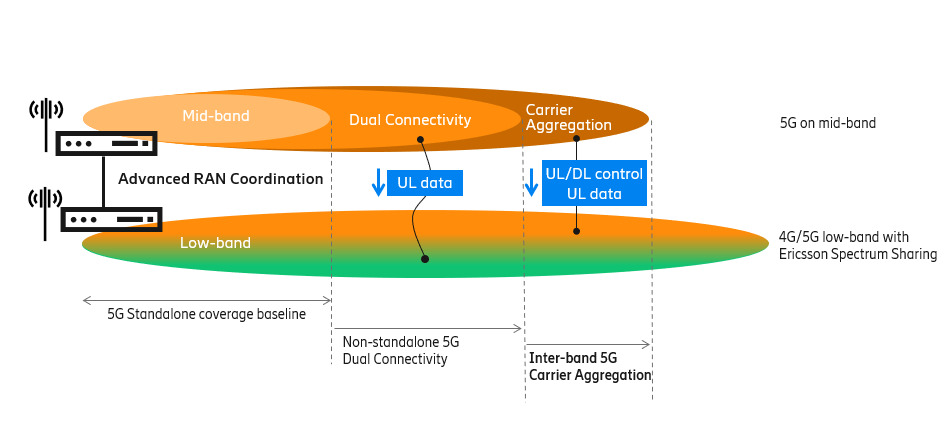
Figure 3: 5G Carrier Aggregation improving Standalone coverage and capacity
Benefits for consumers and enterprises
For consumers, 5G Standalone offers better smartphone experiences through improved latency, responsiveness, voice quality and security. It also gives service providers the chance to capture new mass-market use cases within stimulating services like online gaming, immersive media, and AR/VR/XR.
Together with Deutsche Telekom and Samsung, we have already showcased successful Cloud VR game streaming. We used a Samsung S21 commercial device tethered to a VR headset and utilized commercial-grade 5G Standalone infrastructure with end-to-end network slicing.

Figure 4: Cloud virtual reality gaming based on 5G Standalone
For enterprises, 5G Standalone architecture offers increased support for high-reliability and time-sensitive industrial applications. This is in addition to increased security, authentication, and integration with local IT operations. With low latency, high reliability, and security built in, it can help support the introduction of smart manufacturing, automatic guided vehicles, factory floors and robots.
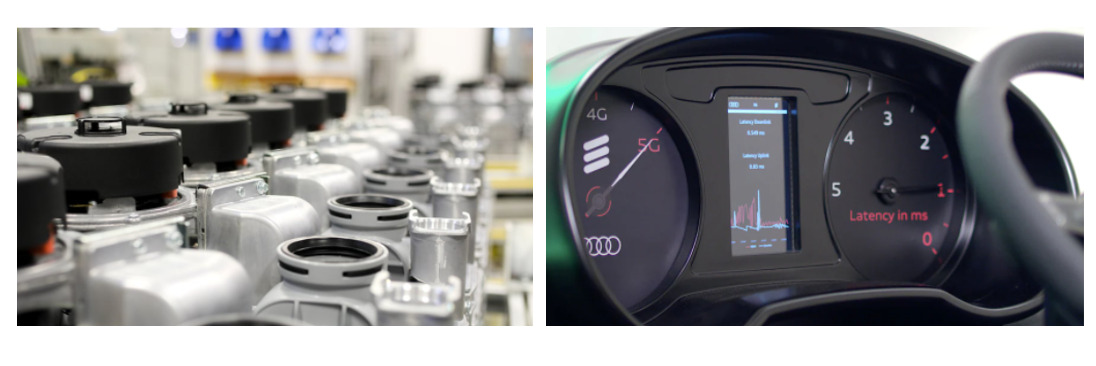
Figure 5: Industrial automation using 5G Standalone architecture
An area that can impact both consumers and enterprises is mission-critical communication. In any emergency situation, instant, reliable, and stable communication is required for first responders to coordinate and control the event. To meet such demands, Ericsson provides next-generation products and solutions for Erillisverkot's mission-critical broadband network in Finland.

Figure 6: 5G Standalone serving public safety sector
For consumer and enterprises, 5G Standalone, combined with mid-band TDD and network slicing, can enable users to have both a private and business profile on the same smartphone.
This means the user can, for example, use a high-quality connection for a videocall for professional purpose and a more basic videocall when connecting to family and friends.
The professional calls can be charged to the user’s employer, while basic videocalls can be paid for by the user. In collaboration with Google and Taiwan’s Far EasTone, we have showcased this ‘multi-pay” use case with an Android 12 smartphone. We connected the device simultaneously to two network slices: one for business purposes and the other for private use.
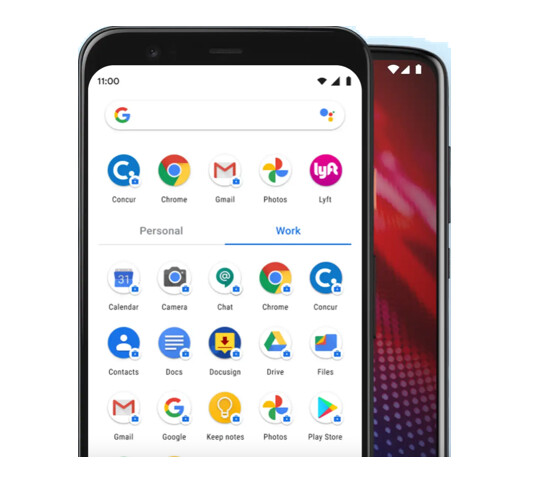
Figure 7: Multi-pay smartphone use case
The beginning of a new era
When combined with the mid-band TDD, together with network slicing software, Standalone finally offers service providers the opportunity to monetize their 5G investments. It does so by providing better services compared to 4G, true service differentiation, and new and enhanced use cases to consumers and enterprises.
5G Standalone has the potential to enable exciting use cases like multi-pay, which could very well impact the way we use our smartphones today, allowing service providers to explore new business models and exploit new revenue sources.
Every day that passes, I see my child growing. They are able to do new things and approach different tasks more independently. 5G Standalone architecture is also maturing quickly. Combined with our cloud native dual-mode 5G Core solutions, Ericsson software can empower service providers to launch 5G Standalone commercially, ultimately moving from discussion about this exciting technology to real-life implementation.
Related links
Visit the Ericsson Standalone 5G page
Visit the Ericsson Spectrum Sharing page
Visit Elevating experiences on 5G page