









Everything you need to know about the new open fronthaul standard

Principal Standardization Advisor, 5G Transport
Principal Researcher, Deterministic networks
Principal Standardization Advisor, 5G Transport
Principal Researcher, Deterministic networks
Principal Standardization Advisor, 5G Transport
Principal Researcher, Deterministic networks
About ten years ago, big things started to happen across both the cellular side of communication networks, through distribution of the Radio Access Network (RAN) components interconnected with Ethernet packet networks; but also, on the Ethernet bridging side with a move to Time-Sensitive Networking (TSN).
As we were also engaged with our activities on the bridging side, we were very aware of the developments in the RAN network and how there was growing customer momentum to reduce the cost and complexity of managing transport networks in the same way.
“Why can’t we take packet networks and deploy them throughout our fronthaul transport network, why must we still rely on point-to-point connections?”
With this demand from our customers, we saw the opportunity to leverage a packet network to connect all the various network components, so service providers could potentially use the same infrastructure for multiple purposes and services such as fronthaul, backhaul, residential, and enterprise.
We saw that opportunity, we helped to drive that vision with our standardization partners and, recently, we helped to deliver the first ever packet fronthaul network standard in IEEE (Institute of Electrical and Electronics Engineers).
CPRI and a modern history of fronthaul transport
First, let us look at how fronthaul works.
In cellular network deployments, radio units and their antenna systems are often separated from their baseband units (or radio equipment controllers). Traditionally this separation was just for analog radio frequency (RF) signals and the distance was limited from the top of the tower to the bottom. However, service providers soon saw cost advantages to pooling their radio equipment controllers in a central location to serve antennas on many towers. This fronthaul connection, so-called since it was the opposite of the well-known backhaul connection, was based on the industry standard Common Public Radio Interface (CPRI). Due to the latency and latency variation (jitter) constraints of CPRI, as well as its high bandwidth, fronthaul has traditionally been deployed as point-to-point fiber.
During the development of 5G, as radio equipment controllers were decomposed, the widely adopted CPRI fronthaul interface was being enhanced to make the fronthaul interface feasible in a packet network, such as a switched Ethernet network. In the industry, this sparked many discussions as to which functions besides RF could be moved closer to the antenna in the radio equipment.
At the same time, we began to see the potential for further cost savings, driven in part by industry demand. What if our customers’ networks could support a mix of fronthaul and backhaul traffic along with non-cellular traffic like residential broadband and enterprise service traffic? With that, the vision of a single packet transport network was born.
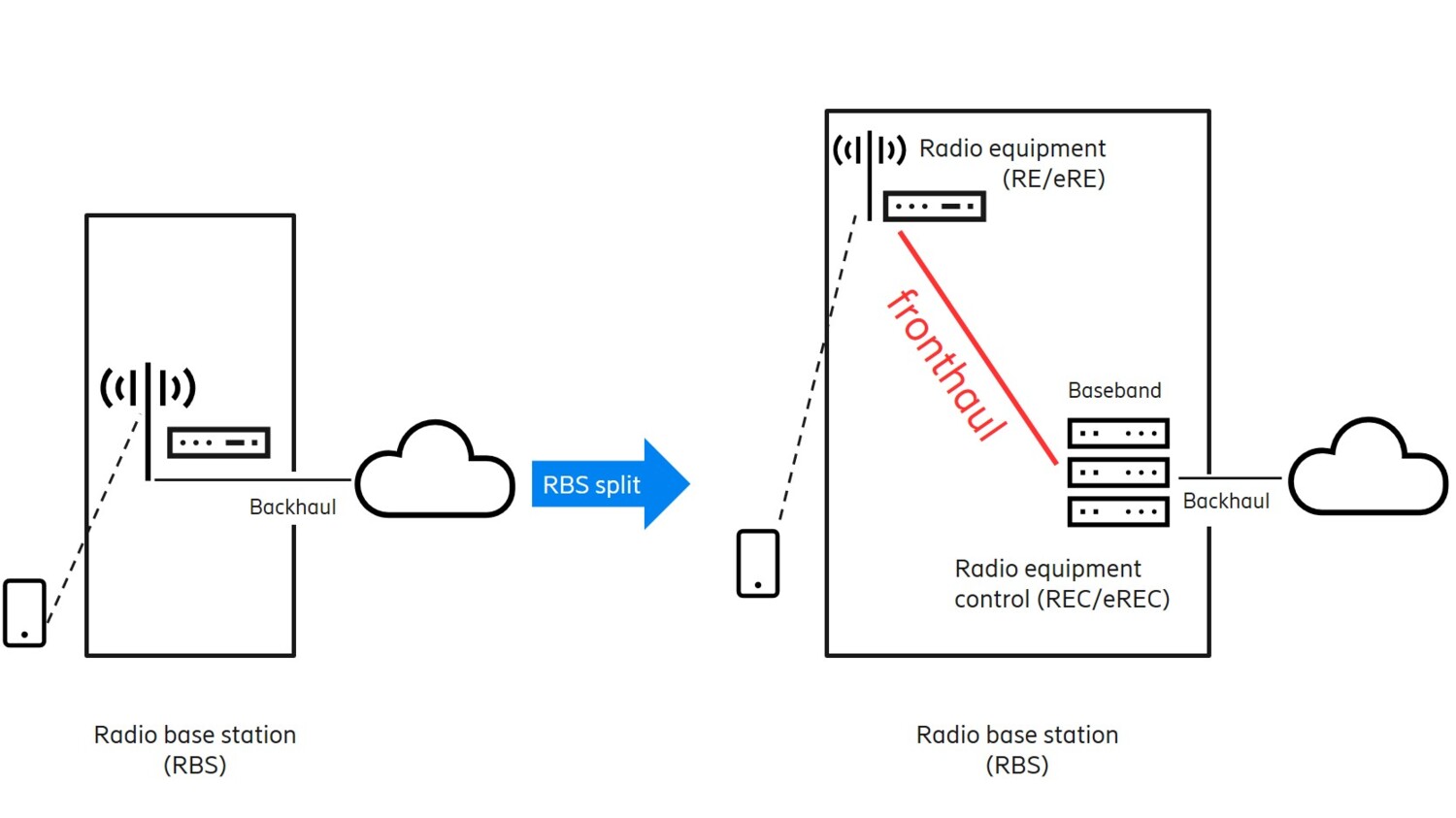
Figure 1: Fronthaul and the network architecture
IEEE 802.1 and the first steps to an open packet fronthaul standard
When it comes to a packet network for fronthaul, the natural choice is Ethernet because of its characteristics (e.g., simple, low overhead, etc.) which make it easier to meet the stringent requirements of modern RAN networks. Ericsson already has a lot of interest and experience in Ethernet technologies as cellular networks leverage Ethernet and Bridging in wide area networks (WAN) to interconnect components of the Core and Radio Access Networks. This dispels the myth that Ericsson is only a radio company, where in fact Ethernet, and transport networking in general (e.g., Ethernet, optical, IP networking), is an essential part of all cellular networks.
The hot topic for us then became the challenge of moving fronthaul over an Ethernet packet network.
In 2014, we proposed to lead the initiative through IEEE 802, the standardization body for market driven standards on Ethernet, Wi-Fi, and Bridging and TSN. Around the same time, we were also very active in driving the evolution of TSN in IEEE, which naturally made it a very nice fit to develop a specification which described both how to use TSN and how this could enable Ethernet packet fronthaul. The new standard would also ensure interoperability and ease of deployment while addressing the demands of 5G cellular systems for new market segments.
Today, colleagues from Ericsson lead both the IEEE 802.1 Working Group and the TSN Task Group within it. We brought in the radio expertise of the CPRI Cooperation, to complement the LAN and WAN networking expertise of IEEE 802, resulting in a cross-industry fronthaul collaboration led by IEEE 802.1. The collaboration expanded to reference both CPRI Cooperation's eCPRI work and the telecom synchronization work of the ITU’s Telecommunication Standardization Sector (ITU-T) Study Group 15 Question 13.
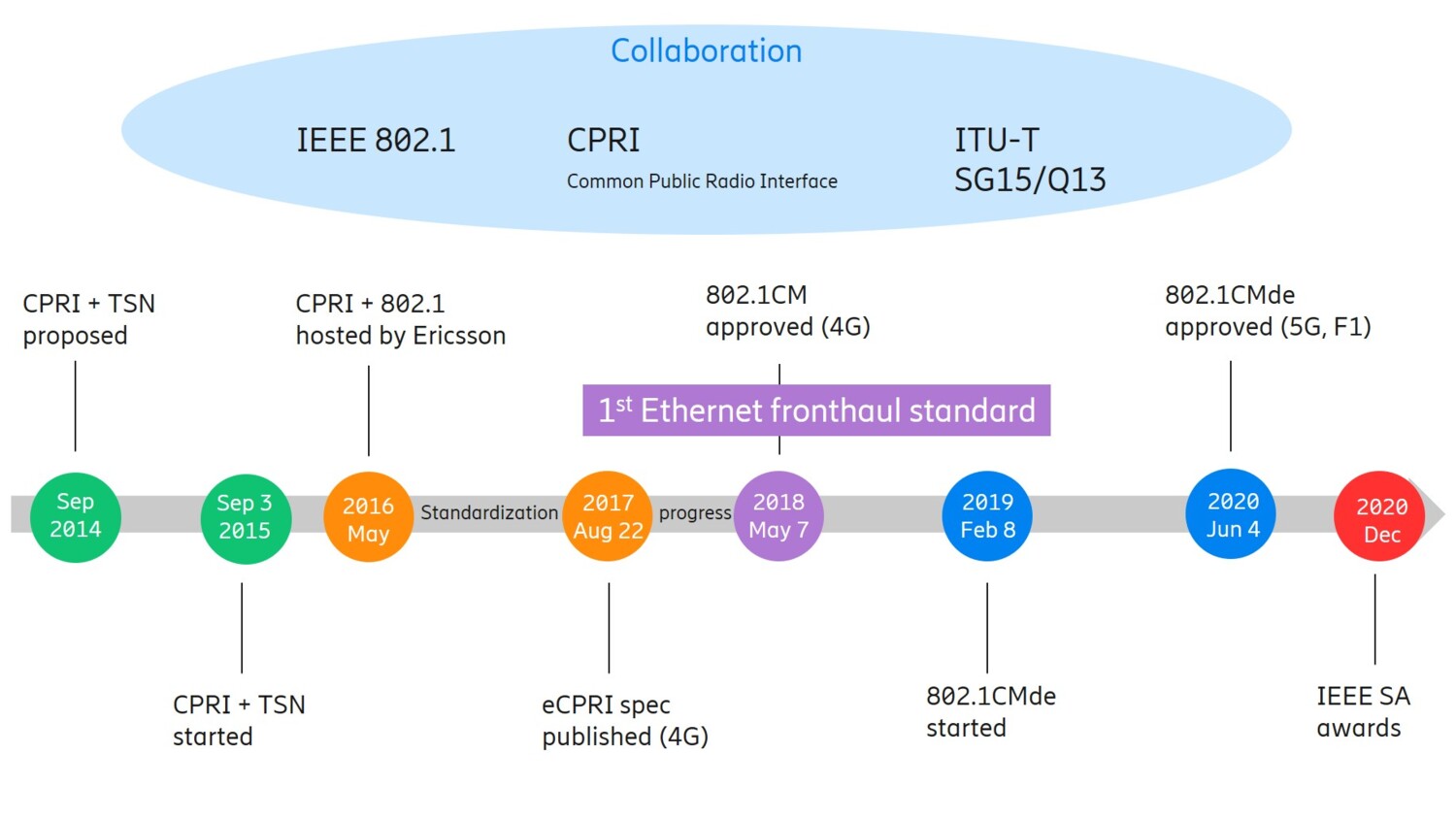
Figure 2: Timeline of the new IEEE 802.1 standard
Benefits of the new open packet fronthaul standard
The resulting standard, IEEE 802.1CM, became the first standard to connect a cellular network’s antenna radio units to its baseband unit via a bridged packet fronthaul network over IEEE Std 802.3 Ethernet.
It lays the foundation for service providers to deploy carrier-grade Ethernet bridged networks, protecting existing investment in Ethernet transport equipment while also providing a deterministic network to address stringent fronthaul requirements through TSN. It also enables service providers to “cloudify” their RAN by allowing virtual network functions and supporting the evolution of pooling to a cloud RAN architecture. This is both driving and driven by the massive ongoing transition in 4G and 5G fronthaul networks and in greenfield 5G deployments.
For service providers, leveraging the benefits of standard Ethernet with silicon that is economically available brings economies of scale, flexibility, and traffic efficiency through a tried and tested technology which has already proved effective in various areas of the network.
It also offers further opportunities to reduce cost and complexity by enabling transport network convergence. This means that, with fronthaul over TSN-enabled Ethernet, the same infrastructure can be used for multiple purposes and services. While initially this may be limited to backhaul and fronthaul for 4G and 5G RAN, it will eventually evolve into one transport network for all traffic (e.g., fronthaul, backhaul, residential, and enterprise).
The standard leverages full Ethernet technology (i.e., IEEE 802.3 PHY and MAC, along with IEEE 802.1Q Virtual Local Area Network (VLAN) bridging), deployed equipment and know-how by associating the radio domain with the Ethernet packet domain through a UNI (user-network interface). The transport services provided by this UNI may leverage the work of MEF on Transport Services for Mobile Networks i.e., can be self-built or leased by a service provider from a third-party or a combination of the two. The UNI or edge ports are IEEE Std 802.3 Ethernet ports that support IEEE Std 802.1Q tagging.
Time-Sensitive Networking (TSN) and its application through industries
In the story of packet fronthaul standardization, and indeed of 5G, TSN plays an important role. Since Ericsson has been engaged in the development of TSN technologies from its inception, we recognized the synergies that could be achieved with TSN in fronthaul and how they could benefit service providers delivering enterprise services.
TSN is a set of standards – encompassing a toolset of synchronization, reliability, bounded latency, and resource management – which provide deterministic data transfer in Ethernet packet networks and is the enabling technology which makes it possible to deploy 5G architecture in an extensible and efficient way. Deterministic data transfer is data packet delivery within a time window without loss or delay – as opposed to traditional best-effort packet networks where some packets take much more time to be delivered or may be lost. Because of this important feature, TSN makes it possible to use 5G to connect devices in industrial automation and other application areas where stringent demands are placed on the network.
TSN is a horizontal technology. However, in IEEE 802.1 we have been making additional effort to make it more accessible to various industry verticals through profiling. Since the introduction of TSN, there has been growing interest in deploying deterministic networks in various application areas – with each vertical industry bringing their own use cases that require specific identification of components from the TSN toolset. With that, we saw the opportunities to develop this toolset concept, which began 15 years ago as an activity to support audio/video bridging, into something that could support a much wider range of industries such as industrial automation, automotive, aerospace, and more.
To create the profiles, we began to collect application requirements, such as synchronization requirements and data transfer requirements on the transport networks. The collaboration identified the packet networking and synchronization features required to address fronthaul requirements for 4G and 5G RANs. This included Ethernet Bridging features and characteristics, TSN toolset features (e.g., frame pre-emption), and synchronization solutions and approaches (e.g., how to leverage the Telecom profile of the IEEE 1588 Precision Time Protocol). The TSN profiles for fronthaul then specify the solution details for meeting fronthaul requirements in an Ethernet network through a conformance specification, providing details on how to use the relevant parts of the TSN toolset with standard-conformant devices. As a result, IEEE 802.1CM provides the blueprint for further TSN profiles, e.g., the IEC/IEEE 60802 TSN Profile for Industrial Automation.
The basis of the TSN toolset is that it enables use of the right “tool” for the right job, allowing bridged Ethernet networks to deliver the right packet at the right time. This is achieved by the TSN profile standard selecting the base TSN standards (“tools”) to be used from the TSN toolset and specifying how to use them in a given vertical. The profiling also includes the selection of relevant options of the base TSN standards, such as specifying defaults, and providing configuration guidance. The profiling work benefits from contributions and engagement from the experts of each vertical. In turn, the resulting TSN profile becomes a standard that is truly useful to support the targeted vertical.
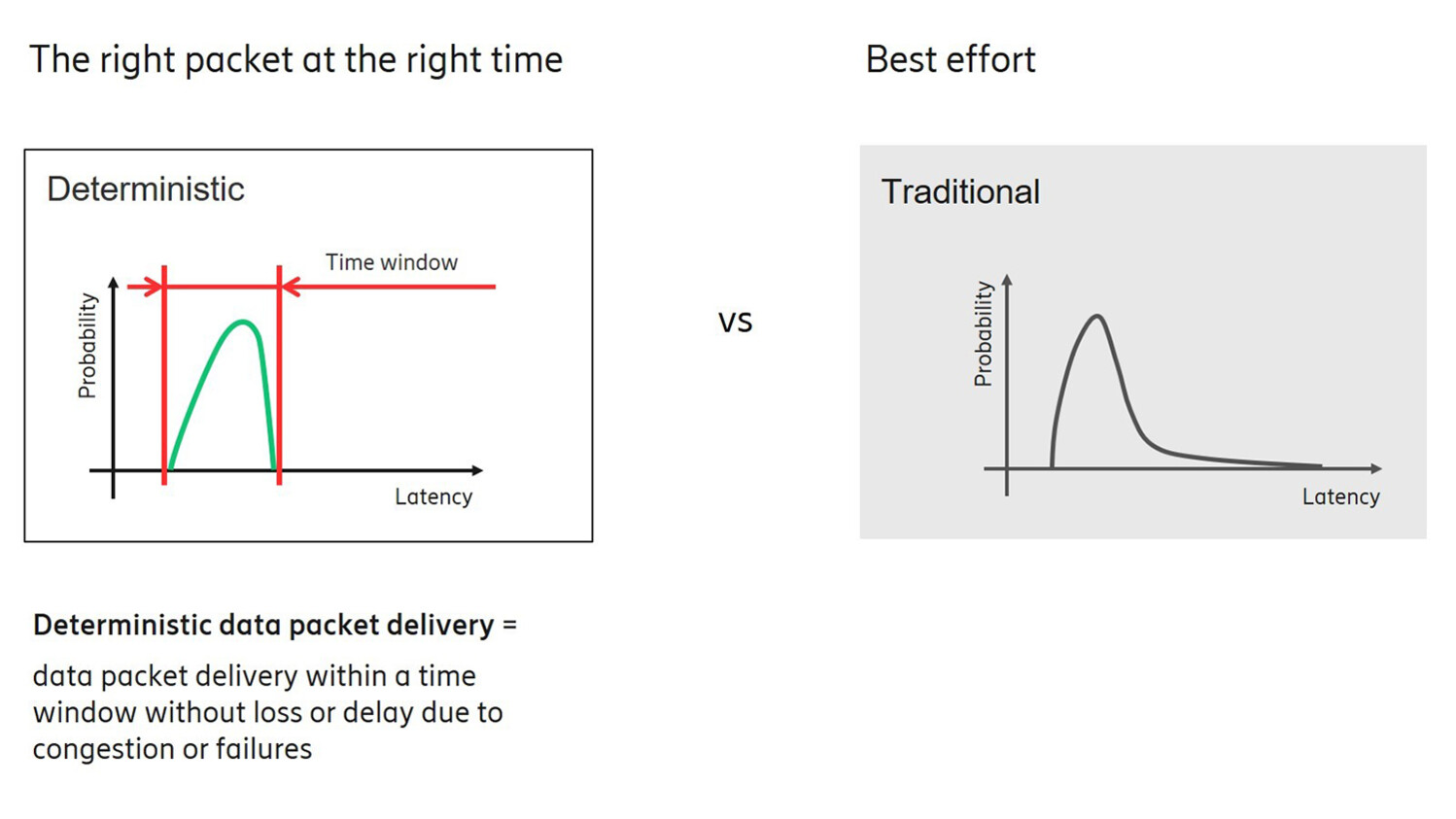
Figure 3: Deterministic data transfer in Ethernet TSN networks
Fronthaul data flows and synchronization
The fronthaul network as defined in 802.1CM can support CPRI, eCPRI, or other fronthaul interfaces. Further, it is agnostic to the decomposition architecture chosen (e.g., a particular architectural split of functions between the radio units and baseband units) as the focus is on meeting the radio requirements on the air interface. However, the different fronthaul information flows are supported separately from each other by the packet fronthaul network. Primarily, synchronization is separated from data flows, i.e., separate transport services are provided for synchronization and the data flows. In addition, the different data flows, i.e., user data and control and management (C&M) are treated separate from each other. These separated flows can be identified by different priority or VLAN Identifier (VID) values.
IEEE 802.1CM defines two fronthaul profiles for fronthaul data flows to meet their requirements. In addition, an optional synchronization solution can be provided by the packet fronthaul network, e.g., in a Sync as a Service (SaaS) fashion. The mandatory Profile A of 802.1CM is designed to keep it as simple as possible while still meeting the fronthaul requirements. Profile A relies on strict priority where user data is marked high priority, C&M data is marked lower priority and non-fronthaul traffic is marked with the lowest priority. For this profile, the maximum frame size for all traffic is 2000 octets (per IEEE Std 802.3) to allow bridged network engineering. The optional Profile B adds enhanced features from the TSN toolset, namely frame pre-emption, which reduces latency variation due to interfering packets that is most effective on 10GE and smaller links. In addition to the strict priority marking, fronthaul traffic is identified as express traffic for frame pre-emption and non-fronthaul traffic is preemptable. While the maximum frame size for fronthaul traffic is 2000 octets (per IEEE Std 802.3), the frame size is flexible for non-fronthaul traffic, thus facilitating traffic engineering.
Synchronization is important for the operation of fronthaul and one has multiple synchronization solutions to choose from, e.g., packet timing or a Global Navigation Satellite System (GNSS). For the optional packet synchronization solution, 802.1CM specifies the use of the ITU-T Telecom Profile of the Precision Time Protocol (PTP) and Synchronous Ethernet (SyncE) to provide accurate time and frequency delivery over packet fronthaul.
2020 IEEE Standards Association Emerging Technology Award
The cross organizational engagement and cooperation in the development of the TSN profile for Fronthaul was both rare and vital to success. As a result, in 2020, the 802.1 working group, chaired by Ericsson’s Glenn Parsons, was awarded with the IEEE Standards Association (SA) Emerging Technology Award:
For the development of IEEE Std 802.1CM™-2018 Time-Sensitive Networking for Fronthaul as amended by IEEE Std 802.1CMde™-2020, the first IEEE standard to connect a cellular network’s radio equipment to its remote controller via a packet network, in particular, over a bridged IEEE 802.3™ Ethernet network.
Ericsson’s János Farkas, the technical editor of IEEE Std 802.1CM and the chair of the TSN Task Group was awarded a 2020 IEEE SA Standards Medallion:
For exceptional skill in championing the standardization development of time-sensitive networking.
These awards recognize the team of experts with multiple affiliations from the IEEE 802.1 working group who have been driving the work on TSN, including IEEE SA itself and the many Ericsson teams working hard behind the scenes.
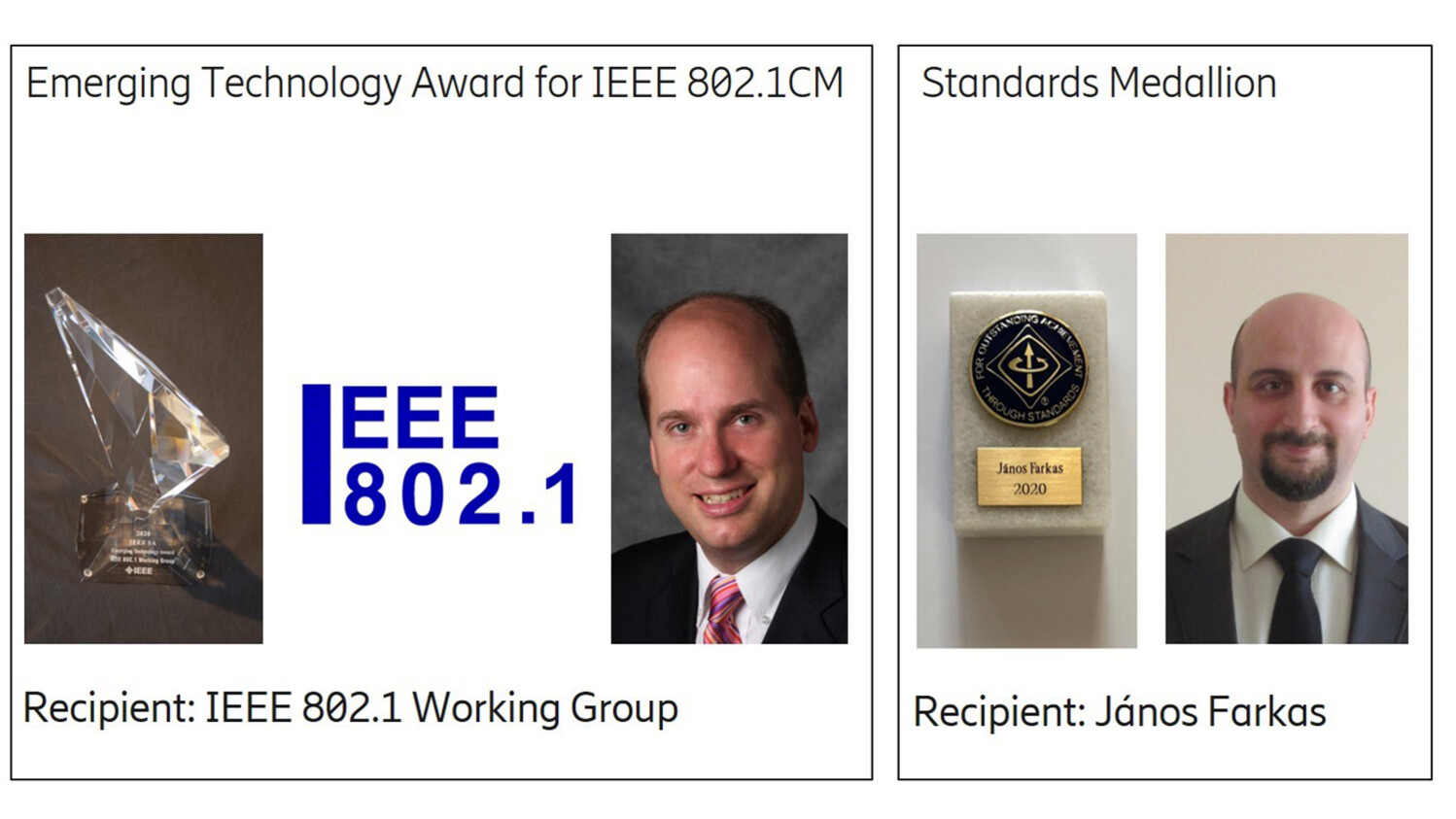
Figure 4: Winners of 2020 IEEE SA Emerging Technology Award and Standards Medallion
The future of packet fronthaul
With IEEE 802.1CM, we have listened to our customers and delivered a strong first step on our journey to full packet fronthaul networks.
The new standard has brought together key players involved in the Ethernet and fronthaul networking industries, as well as various standardization bodies. This not only validated the approach of our working group, but it has also created a blueprint of a tried-and-true way of guaranteeing market relevance.
In future releases, we look forward to continuing our work with the ecosystem to deliver a full packet fronthaul network.
Read more
How 5G integrates with TSN-based industrial communication systems
5G-TSN integration meets networking requirements for industrial automation
5G synchronization requirements and solutions
Explore 5G
Explore the fundamentals of modern network architecture and how it is driving a new era of agile, cloud-native network operations.
Learn how 5G RAN enhances coverage, capacity and overall network experience for today's subscribers.
Explore how our industry-leading 5G RAN solutions can take you deeper into new performance paradigms.