










IoT partner enablement and monetization demand more automation in BSS

Head of Business and Operations Support Systems (BOS) Portfolio

Head of Business and Operations Support Systems (BOS) Portfolio
Head of Business and Operations Support Systems (BOS) Portfolio
IoT is here and growing rapidly
The Internet of Things (IoT) is revolutionizing every aspect of modern life, including commerce and industry, smart homes and cities, healthcare and transportation. IoT is growing in demand because it enables automated functionality based upon real-time data exchanges between computing devices and sensors that take place machine-to-machine (M2M) over the Internet.
IoT is already transforming tech-forward 5G use cases, such as self-driving cars, electric vehicle (EV) smart charging, smart utility grids, manufacturing, and farming, and impacting a wide range of enterprise verticals.
In this blog, we’ll discuss the revenue potential to communication service providers (CSPs) of the IoT revolution and why it pays to collaborate with the key players in their IoT partner ecosystem. CSPs’ IoT revenue opportunities depend on the Business Support Systems (BSS) platform. BSS must evolve, towards a cost-effective provisioning of IoT application and service onboarding, portability, lifecycle management, monetization and reporting.
Monetization of IoT use cases for enterprises will require BSS to be both flexible and scalable to attract and retain IoT players with agile capabilities for partner management and robust ordering, orchestration, monetization and fulfilment throughout the IoT ecosystem.
Without the help of IoT players who are knowledgeable about the needs of the 5G IoT use case or vertical they want to pursue, it’s challenging for CSPs to effectively monetize IoT opportunities. And without the right BSS architecture in place, it’s difficult to attract, onboard and retain the best partners, and make it easy for them to autonomously interact with the 5G telecom infrastructure.
Flexible BSS and automation help unlock IoT opportunities
With roughly 6.2 billion IoT connections expected by 2030, “the total revenue from the value chain for mobile IoT and Low Power Wide Area (LPWA) connections is expected to be around USD247.5 billion by 2030”, according to “IoT partner enablement in BSS: Readying CSPs for new IoT market opportunities”, a research report released by Analysys Mason.
Analysys Mason’s research showed that IoT-related hardware and application services could generate significant additional revenue for CSPs as shown in this figure:
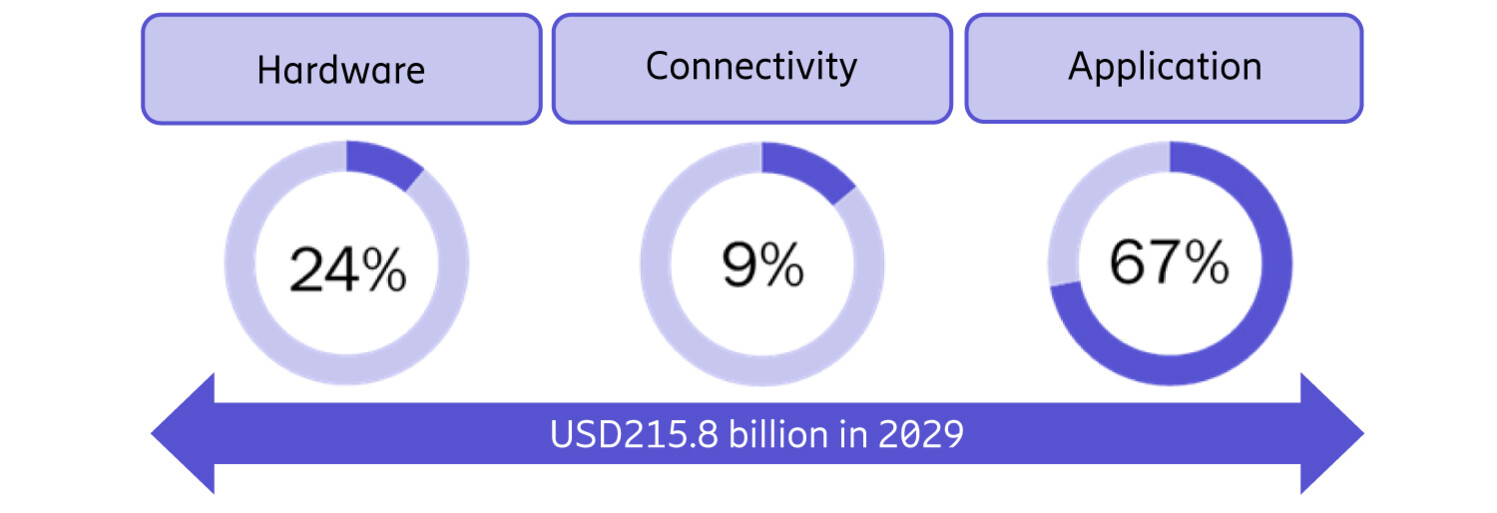
Figure 1: Percentage of TVC revenue from each component for traditional cellular and LPWA networks, worldwide, 2030. Source: Analysys Mason
“IoT represents an immediate opportunity for CSPs,” the report cites. “However, given the current state of most CSPs’ BSS, much needs to be done to ensure that CSPs remain an integral part of the IoT value chain. CSPs … need to accelerate adoption of modern partner enablement platforms that can attract and retain IoT partners and effectively monetize the combined offerings.”
The bottom line is that customized legacy stacks lack the agility to support IoT use cases and revenue. Since IoT is considered a low margin business, CSPs need a framework that enables extensive automation across the partner ecosystem to be profitable in the IoT arena. The reality is that with billions of IoT connections and a high-volume of transactions, ranging from ordering, provisioning, orchestration, fulfillment, billing and monetization, automation is crucial to partner enablement, handling a massive workload and scaling to keep up with IoT demand.
Strong partnerships propel IoT ecosystems
Rather than just selling connectivity, the IoT use case demands that CSPs shift their focus in many ways, including how they see their role in the value chain. They also need to think in terms of co-designing and co-creating IoT-driven services along with knowledgeable commercial partners and application providers. If, for example, a CSP wants to target a specialized vertical, such as agriculture or EV smart charging, having partners who are experts in that area lets CSPs get up and running faster by letting partners proactively create new services and make offers on their behalf, and then split the revenue.
To attract and retain the best partners, CSPs need to upgrade their siloed, legacy stacks because these older systems are not designed to be easily reconfigurable and customizing them for new applications can be both time-consuming and costly to create and maintain. IoT partner management platforms of the future will have five fundamental capabilities: advanced self-service, lifecycle management, real-time dashboards, catalog-driven architecture, and co-creation capabilities, as shown in figure 2 below.
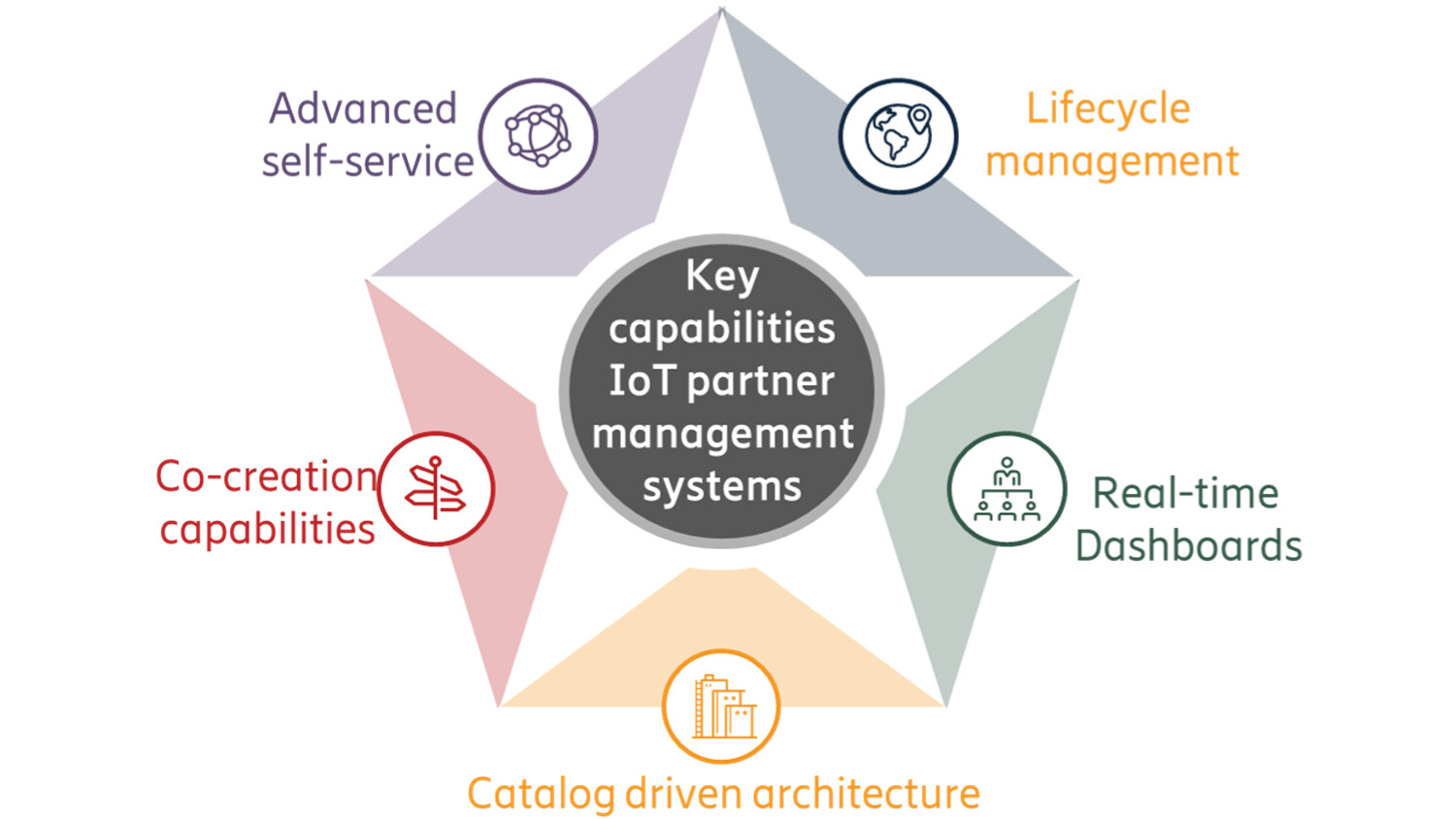
Figure 2: Five future fundamental capabilities for IoT partner management platforms. Source: Analysys Mason
While legacy stacks aren’t well-suited to providing these fundamental capabilities and allowing collaboration with multiple vendors in an ecosystem, a modern BSS platform is. A responsive BSS architecture makes it easy for partners to do business with CSPs. This includes self-service capabilities wherever possible. As the figure below illustrates, IoT partners want to do as much as they can for themselves without any intervention by their CSPs.
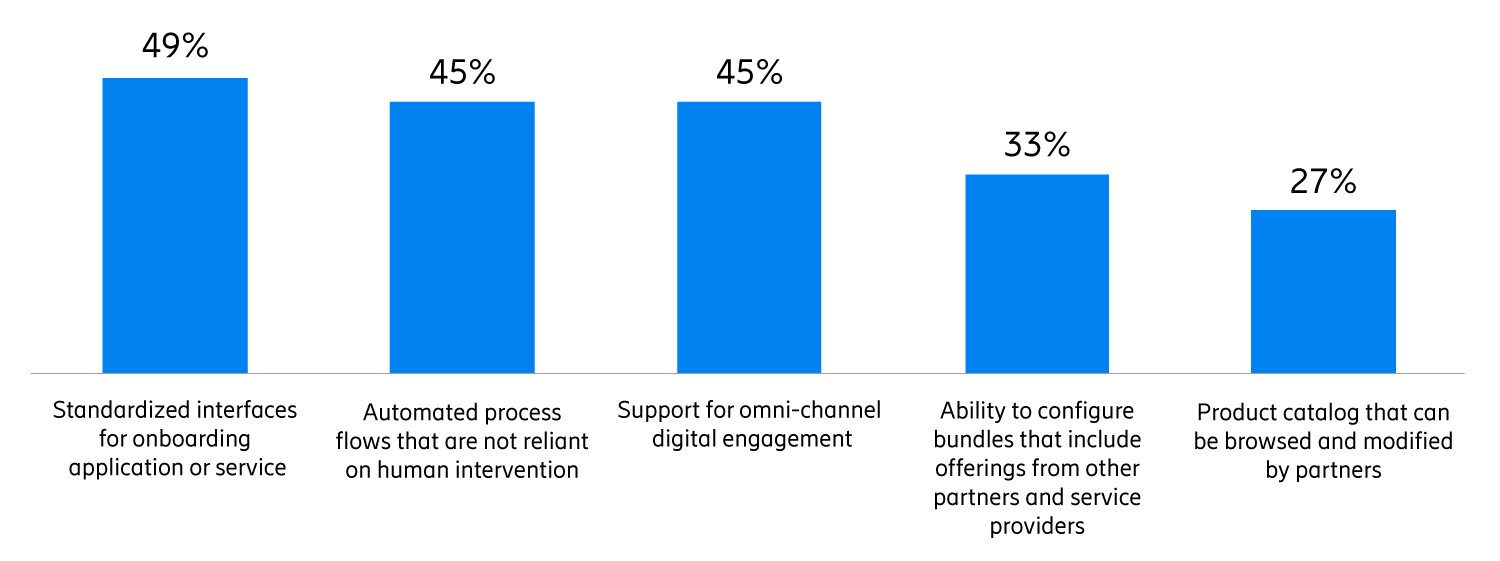
Figure 3: Essential self-service capabilities for IoT ecosystem. Source: Analysys Mason
BSS is the solution to the problem of automating process flows that enable partners to co-create new offerings, configuring services and leveraging product catalogs without CSP involvement. BSS also streamlines the cost and burden of onboarding new partners, with a catalog-driven architecture that partners can browse, access, and update in real-time. Ericsson’s Digital Experience Platform (DXP) product can help on-board partners and manage their on-board experience.
| Ericsson Digital Experience Platform is an omni-channel digital platform that provides advanced customer management and product configuration. DXP leverages a cloud infrastructure, TM Forum and Open Digital Architecture (ODA), Open APIs for eco-system and channel integrations while leveraging a centralized catalog with templatized offers and fulfillment flows. |
Where do we go from here?
Most CSPs consider the adoption of IoT ecosystem business models to be strategically crucial to their survival and almost all plan to transform their BSS partner management platform—specifically to capitalize on IoT—within the next two years. These statistics, illustrated below, were among the many insights uncovered by the Analysys Mason research project, which surveyed 108 CSPs and IoT service providers worldwide, in May and June of 2022.
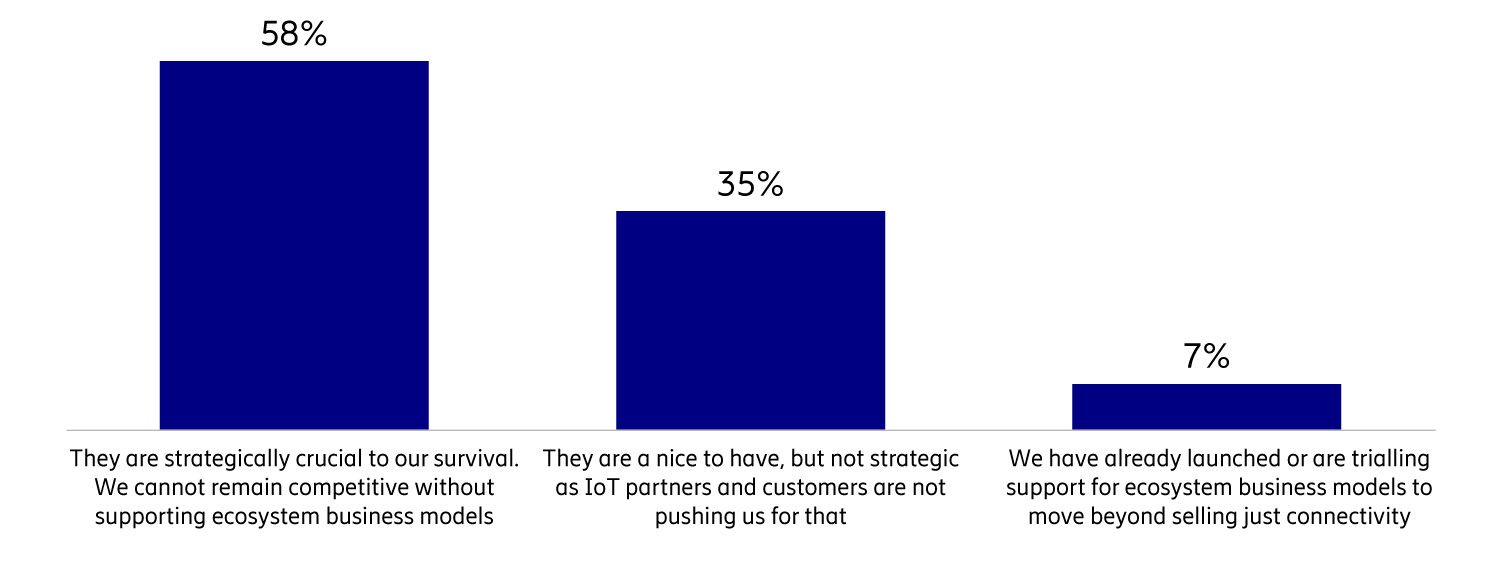
Figure 4: CSPs’ view of IoT ‘ecosystem business models (N=55). Source: Analysys Mason
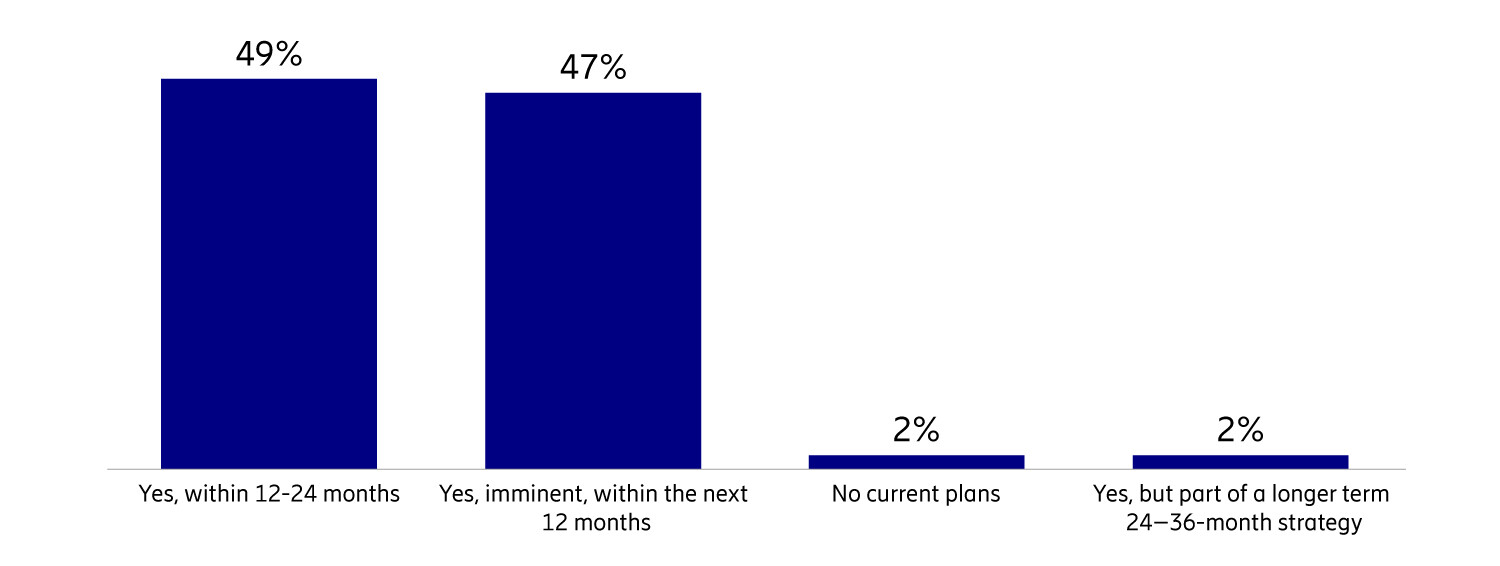
Figure 5: Plans to transform IoT BSS partner management platform (N=55). Source: Analysys Mason
But if many CSPs are already excited about IoT opportunities and consider this move to be crucial to their very survival, what’s hindering their progress? The answer is, “There’s no consensus on the primary challenges facing CSPs, but rather a broad mixture of different issues,” explained John Abraham, Principal Analyst at Analysys Mason.
John and I discussed this and other challenges facing CSPs and their IoT partners during “IoT opportunities demand better partner enablement in BSS”, a one-hour webinar that streamed on Wednesday, September 7, 2022, moderated by James Crawshaw, Practice Leader/Service Provider for Transformation at Omdia.
For CSPs, John indicated that the bottlenecks all stem from inadequate or legacy BSS systems resulting in bottlenecks. These include limited support for self-service and ecosystem business models, slow time to market, inability to meet 5G requirements, a lack of visibility on back-end processes that partners would need, and the high cost of customizing this existing infrastructure.
Calling “co-creation” critical to a thriving IoT partner ecosystem, John shared the responses given by the Telco IoT partners they surveyed about the challenges they faced when trying to launch new IoT applications on their telecom operators’ platforms. The figures below show the wide range of challenges they singled out as pressing:
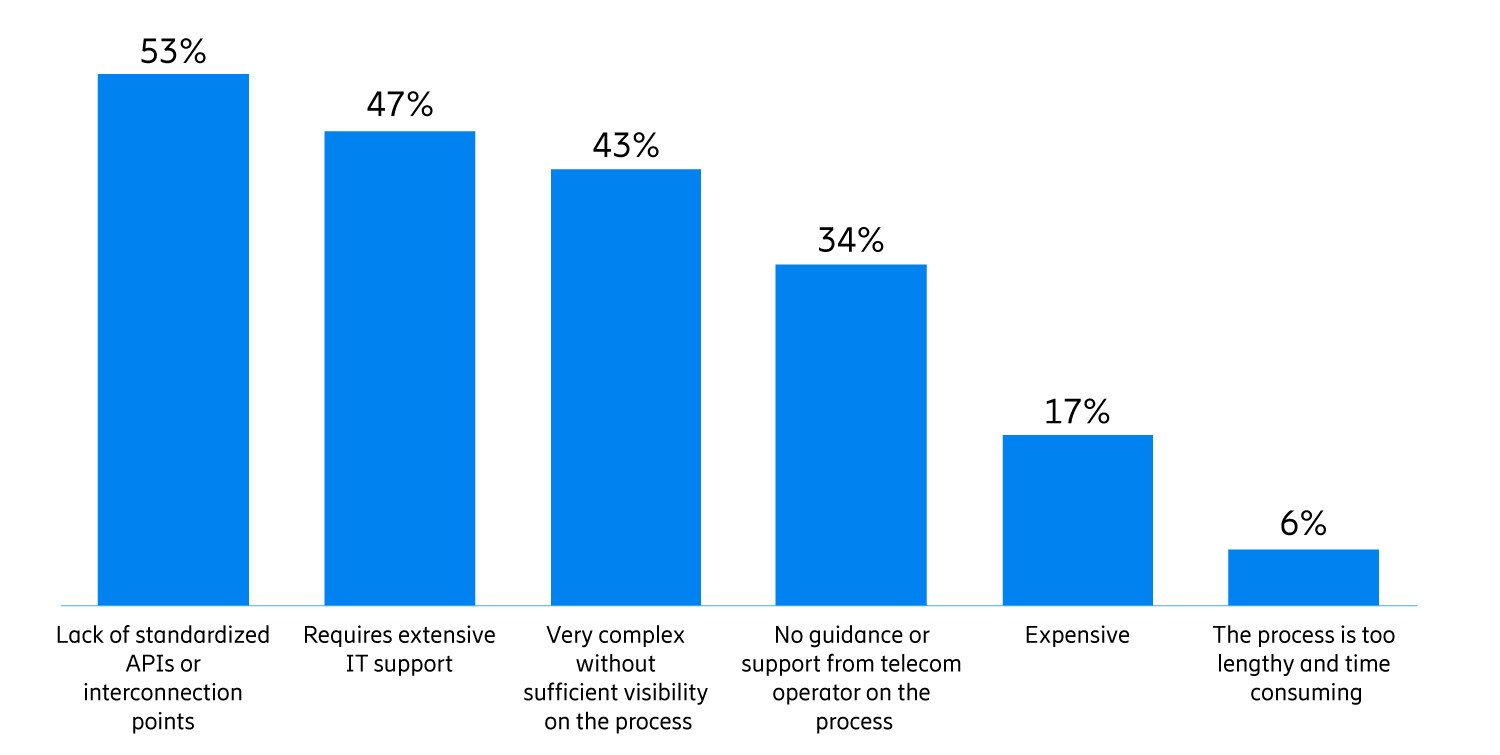
Figure 6: Primary challenges of co-creation and commercially launching IoT applications on the CSP platforms (N=53). Source: Analysys Mason
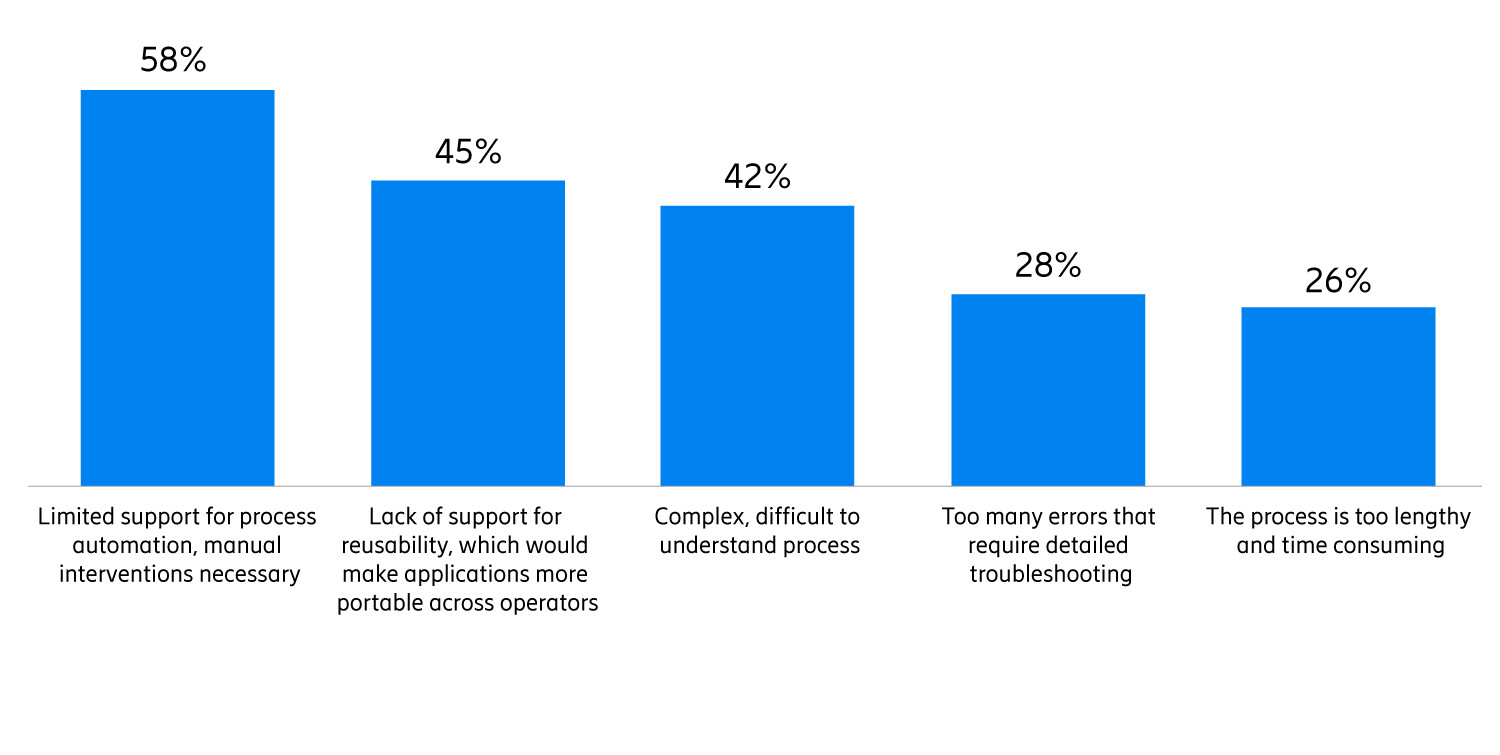
Figure 7: Primary challenges in onboarding IoT applications with CSPs (N=53). Source: Analysys Mason
The Telco IoT partners cited many challenges, including: a lack of standardized Application Programming Interfaces (APIs), a cumbersome, error-prone experience and the need for extensive IT support to make the interface seamless.
In conclusion, CSPs have three things to consider as a way forward:
- Addressing IoT challenges will come through automation efficiencies, especially for challenging margin use cases, E2E operational excellence and building from the start for scale
- CSPs need to proceed strategically with IoT investments by digitizing partner enablement capabilities for IoT use cases, and enable partners with: Automation, self-service, and co-creation
- To attract, retain and monetize effectively IoT partners, CSPs need to remove friction from workflows and dataflows across their BSS, OSS and networks and this requires capabilities such as onboarding, settlement, open standardized APIs (TMF Open APIs), expose BSS securely so ecosystem partners can build value on top of network, configuration over customization and catalog driven
Modernizing with a BSS platform, such as Ericsson’s offerings, provides an agile foundation that supports standardized protocols that interface between the telcos’ and IoT partners’ platforms to enable massive order processing profitably at scale through automated orchestration.
At Ericsson, we believe everything that that can go wireless, will go wireless, we’ve stretched out as far as 2050, and we’ve estimated approximately 24 billion IoT devices will be interconnected. Advanced BSS solves the CSP’s key pain points: inflexible legacy frameworks, low margin IoT use cases, and expensive IoT partner onboarding. To capitalizing on emerging IoT opportunities, CSPs who fail to make significant BSS upgrades, relying instead on their legacy stacks, will find themselves at a considerable competitive disadvantage.
Learn more
Report: IoT partner enablement in BSS: Readying CSPs for new IoT market opportunities
Webinar: IoT opportunities demand better partner enablement in BSS
Guest blog: Modern partner management systems are central to 5G IoT success
eBrief: BSS for sustainable choices: Exploring Electric Vehicle (EV) smart charging
Blog: IoT monetization and how CSPs can improve it
Blog: 3 steps to IoT monetization
Learn more about Ericsson Digital BSS
Learn more about Telecom BSS
Learn more about 5G monetization
Learn more about Digital Experience Platform