









Architecture of the AI domain in the 6G core network
- 3GPP’s ongoing 6G studies propose a dedicated artificial intelligence (AI) domain in the 6G core network to deliver AI capabilities to user equipment (UE) and application functions (AFs), supporting intent handling and AI-agent collaboration.
- The AI domain can evolve rapidly, supporting new AI-driven use cases.

Expert AI ML analytics

Senior expert network architecture & AI

Senior expert, Core network architecture
Expert AI ML analytics
Senior expert network architecture & AI
Senior expert, Core network architecture
Expert AI ML analytics
Senior expert network architecture & AI
Senior expert, Core network architecture
The 6G system is expected to provide a wide range of AI-native services to UEs (as defined by 3GPP but also denoted as device in this post) and AFs, while preserving the typical characteristics of telecommunication networks for factors such as stability, reliability, determinism, and security. The introduction of such AI-native services offers communications service providers (CSPs) an opportunity to move beyond traditional and unlock new revenue streams by expanding into higher-value segments of the emerging AI economy. The proposed AI-related services in the 6G core network create concrete monetization opportunities that go beyond those already identified for 5G.
These services will increasingly be consumed by a growing ecosystem of AI-enabled devices. Examples include smartphones with personal AI assistants, smart glasses offering immersive, real-time assistance, autonomous robots collaborating with cloud and edge intelligence, AI-assisted drones, and industrial Internet of Things (IoT) devices connected to enterprise AI systems.
These services require new capabilities that are best supported by a dedicated network domain acting in a 3GPP-defined network, with two important factors to consider: the speed of change and the relative maturity of current AI technologies and specifications. AI technologies and corresponding use cases are evolving much faster than 3GPP networks and related standards. Therefore, the possibility of independent evolution becomes pivotal, as it enables innovation while guaranteeing the network behavioral principles.
AI domain in the 6G core network
In Ericsson’s vision, the packet-switched (PS) domain of the 6G core network builds on an evolved 5G core, with a new AI domain introduced to support UE and AF use cases, as shown in Figure 1. The resulting 6G core network architecture can be summarized as follows:
- 6G core network – PS domain: Based on an evolved 5G Core, it supports both 6G radio access network (6G RAN) and 5G RAN (NG RAN).
- 6G core network – AI domain: A coordination and control layer for AI-specific use cases. Owned and controlled by CSPs, it introduces new functions to handle AI agents, intents, and AI-aware services at scale. This enables the network to serve as a platform for AI use cases for UEs and AFs. The AI domain handles intents from UEs and AFs and supports the interaction between agents on different UEs.
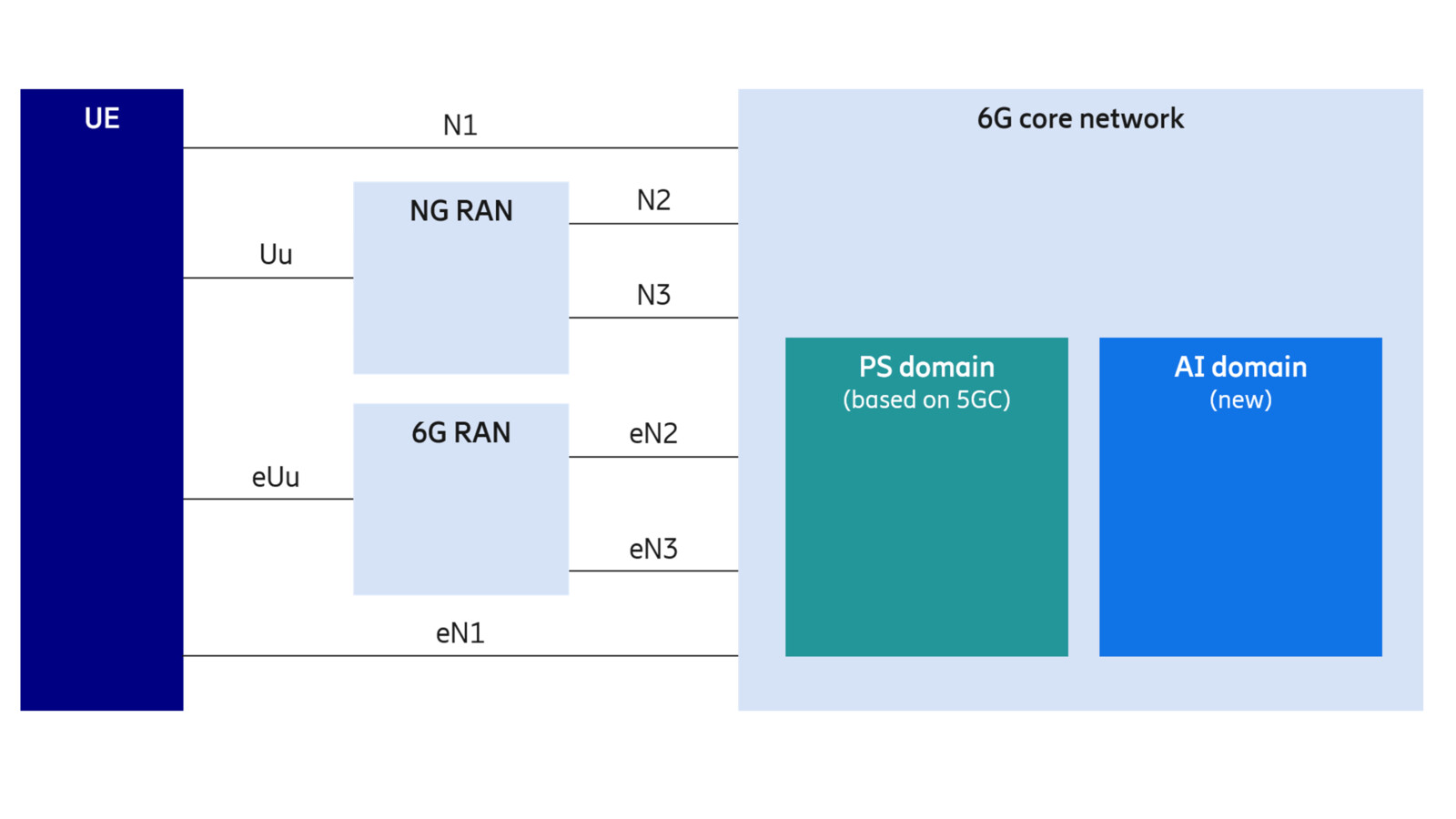
Figure 1: 6G core network
Communicating entities with AI functionalities
Current entities interacting with the existing 5G PS domain will play a different role in the future 6G network: a UE may host an intent client and one or more AI agents, and an AF may include AI agents.
Across the industry, interest in AI-based and AI agent-based applications has grown since AI- and large language model-based chatbots a few years ago, followed by evolution into AI agents that autonomously solve tasks with a given goal and authority. Examples of use cases for these AI agents include shopping and personal planning (such as meeting and travel planning). In some cases, robotics/AI agents that may need to interact with network-side AI agents interpret visual objects or situations.
The use of smart glasses is increasing in mobile networks, particularly in extended reality applications. These glasses are typically connected to third-party servers, but CSPs could provide additional spatial data for augmented reality features. Smart glasses are one example that may provide user intent.
Today, devices use mobile networks only for connectivity when communicating agentically with application functions. In the future, devices and AFs will also be able to communicate agentically with mobile networks. The network will need to support standard functionalities such as identification, authentication, and authorization for such clients or agents on UEs and AFs. It will also enable new use cases such as UE- or AF-generated intent handling, invocation of network capabilities through AI-enabled interfaces, and communication and collaboration between AI agents.
The AI domain will be the natural receiver of these requests, which are granted to involved entities and have been provisioned for the requested capability.
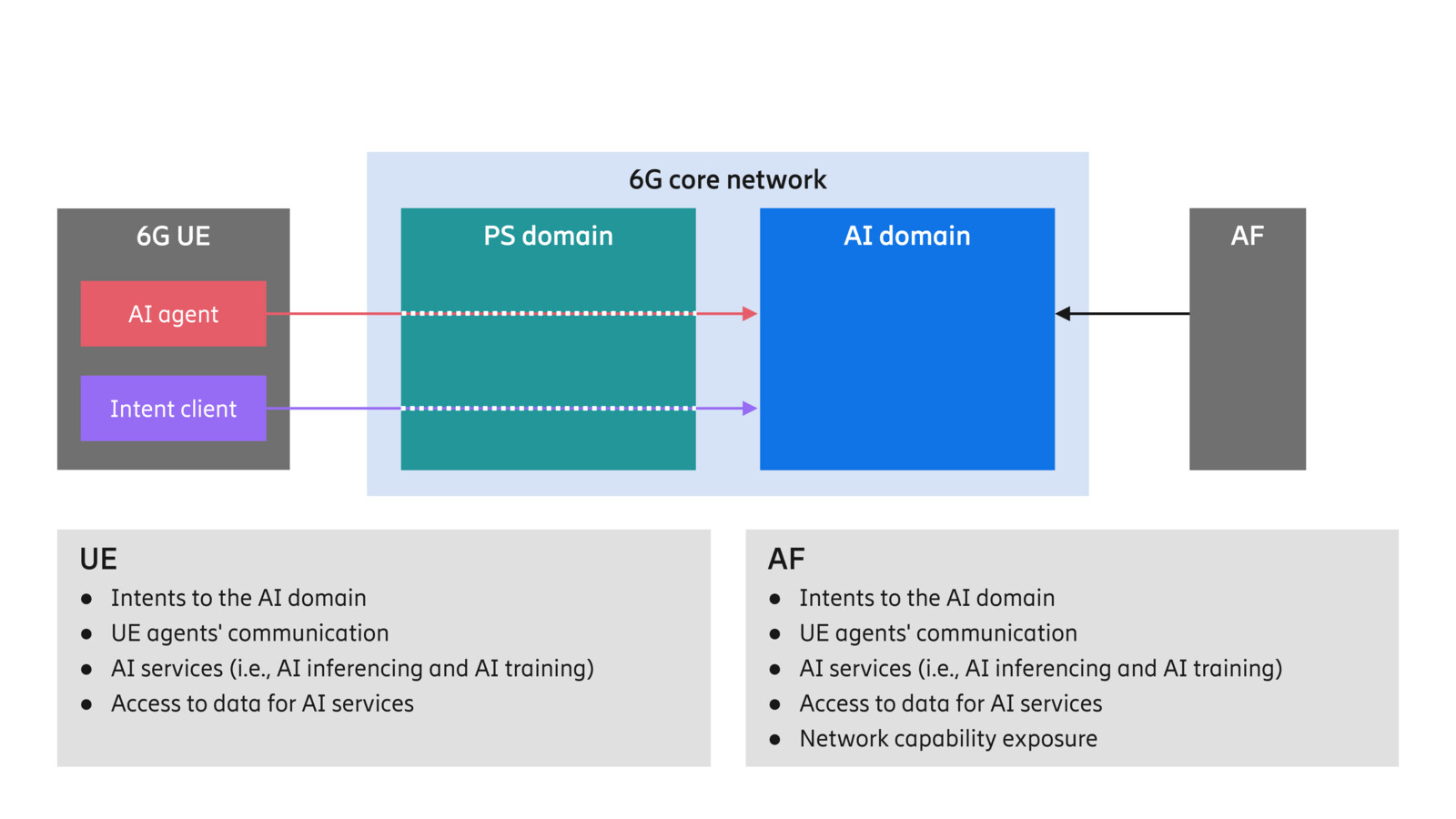
Figure 2: UE- and AF-triggered use cases
User equipment (UE)
The UE can include both intent clients triggering intent requests toward the core network and one or more AI agents that can communicate with other AI agents on other UEs. These clients and agents are registered in the AI domain (see Figure 3). The registration ensures that they are authenticated and authorized before they can use any service provided by the AI domain. . The UE can also interact with an AF, which acts as the AI-domain consumer and invokes AI-domain services on behalf of the UE (see Figure 4). Thereby the UE can also access AI-domain capabilities indirectly through an AF.
The actual implementation in the UE will depend on a UE vendor’s decision, but we foresee the separation of an intent client from more generic AI agents in the UE. We are using the term AI domain client on the UE for both user intent and AI agent use cases. In the following, we use the term UE unless we need to define UE internal functionality.
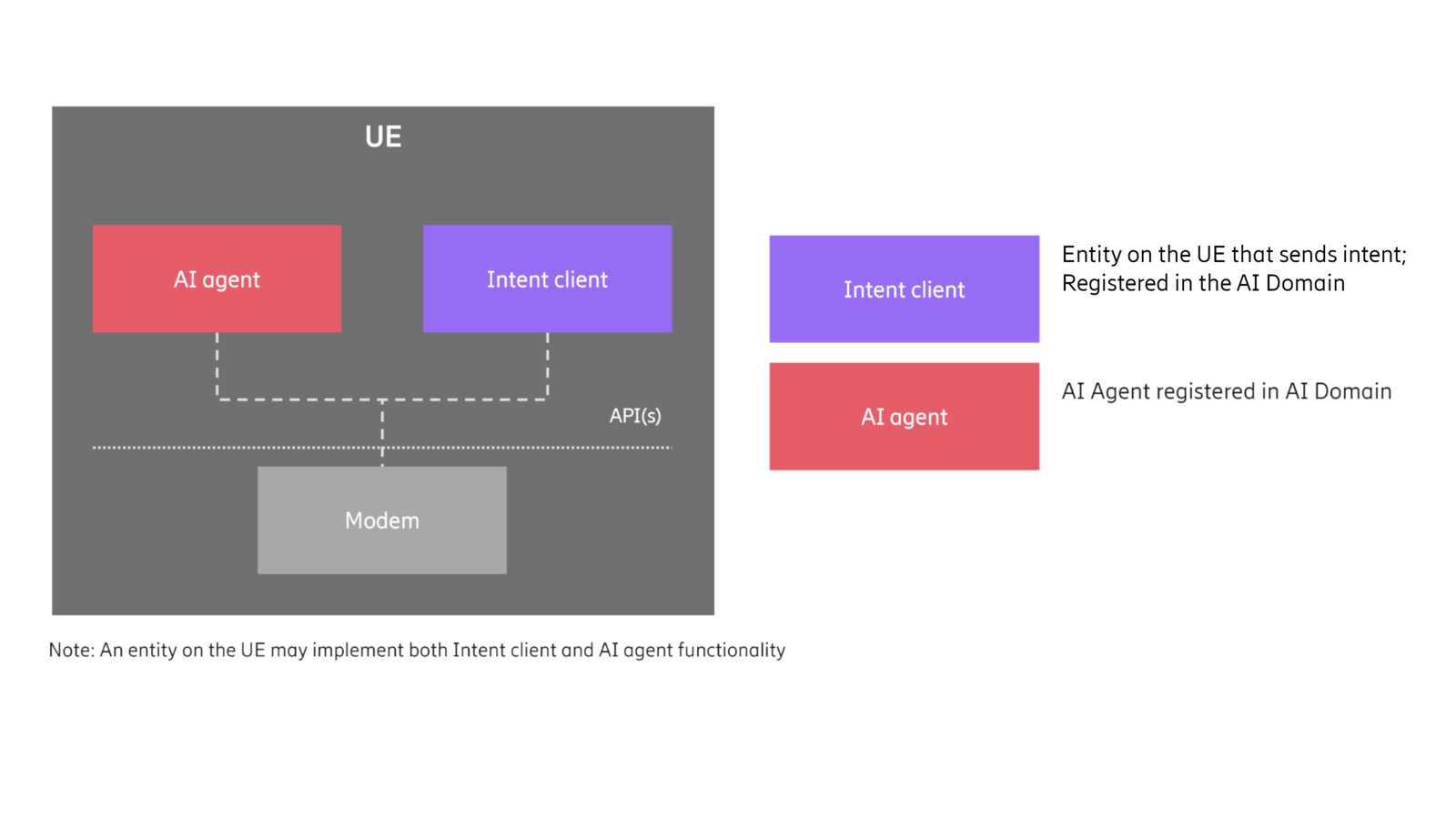
Figure 3: A UE containing an intent client and an AI agent
Application function (AF)
For AFs, the AF AI agent role can interact with the AI domain (see Figure 4). The AF can interact with the AI domain through an exposure layer that handles management operations such as onboarding, authentication, and authorization, before allowing the AF to use the exposed AI services (capabilities) it is authorized to use.
The exposure framework can be realized in three different ways: 3GPP-specified, CAMARA-specified, or through non-standard implementation. The exposure layer includes authorization servers that can authorize the invoker.
3GPP also covers scenarios in which an AF in CSP trusted domain connects directly to the AI domain gateway. In this case, the AI domain handles authentication and authorization of the AF.
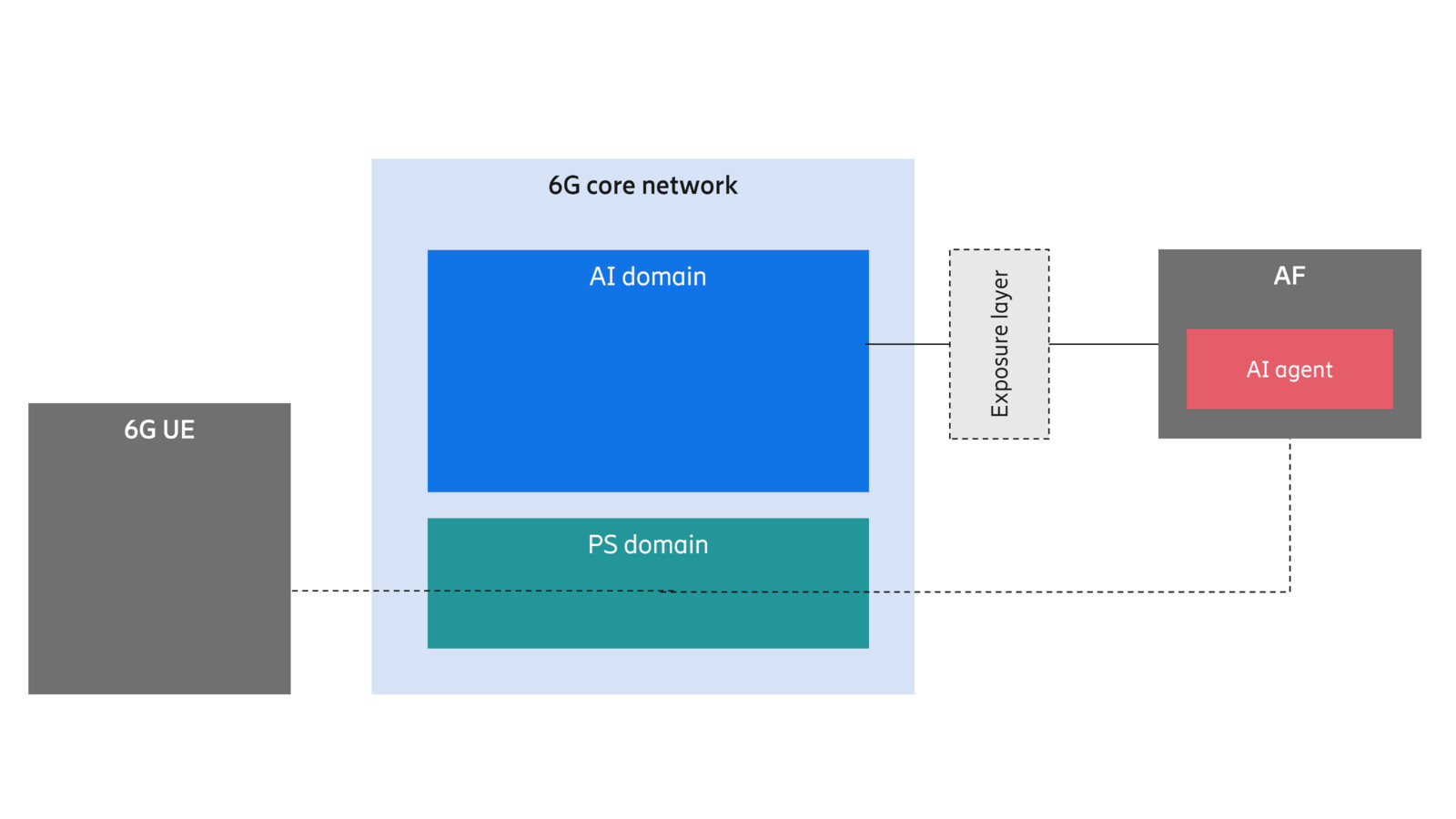
Figure 4: AI agents on the AF
AI domain connectivity
In the envisioned 6G core network architecture, the UE reaches the AI domain over a dedicated protocol data unit (PDU) session established through the 6G core network’s PS domain and connected to a predefined data network name (DNN), as shown in Figure 5. This PDU session carries all interactions between the UE and the AI domain; in this document, we use the term AI PDU session for this PDU session. Each CSP can decide which DNN and Single Network Slice Selection Assistance Information (S-NSSAI) to use for the AI PDU session. UE subscription data is used during registration in the eAMF in the PS domain to indicate whether AI services are allowed for the UE. The PS domain handles access, mobility, and basic connectivity, while the AI domain is a separate set of core functions that coordinates AI domain client communication and related AI services.
The UE uses the AI PDU session to reach the AI domain entry point function in the CSP’s network, and the AI domain entry point function address is provided to the UE as part of the PDU session establishment procedure. This cleanly separates AI traffic from other data sessions, for example, for Internet access and IMS services. By using a PDU session to access the AI domain the UE can get the same mobility support across 5G and 6G as other services in the PS domain. This applies not only to Internet access and IMS services such as voice, but also to AI services provided to the UE.
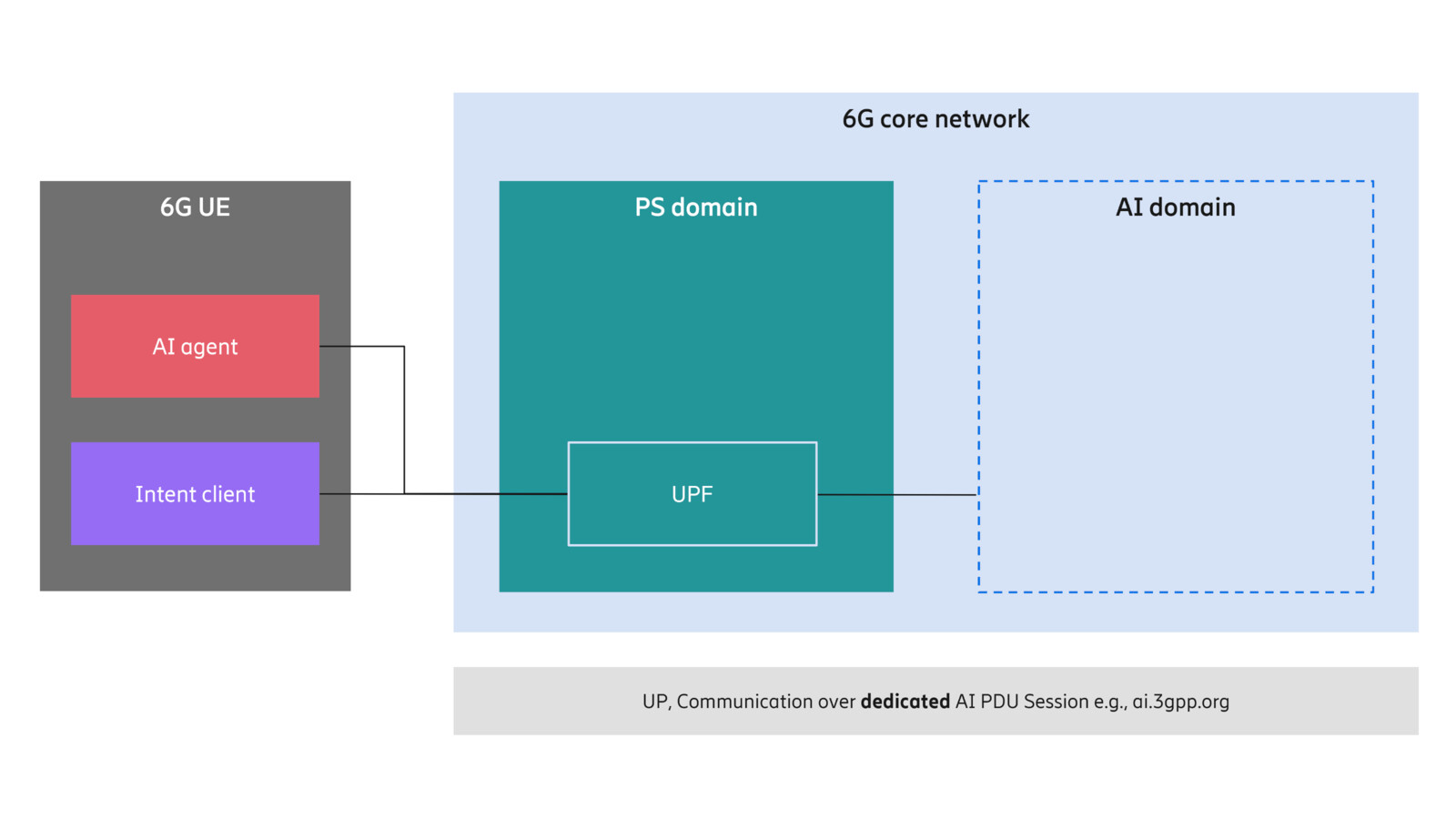
Figure 5: PDU session for traffic to the AI domain. UPF: User Plane Function
AI domain in the 6G network architecture
Ericsson's proposal is based on a 6G network architecture where AI-native functionality for UE and AF use cases is handled by a dedicated AI domain rather than being integrated directly into the PS domain. Continuing its evolution from the 5G Core, the PS domain is responsible for managing connectivity, mobility, and policy enforcement. The AI domain complements this by supporting AI-native interactions, such as intent handling, AI-agent collaboration, and access to AI-related services for UE and AF.
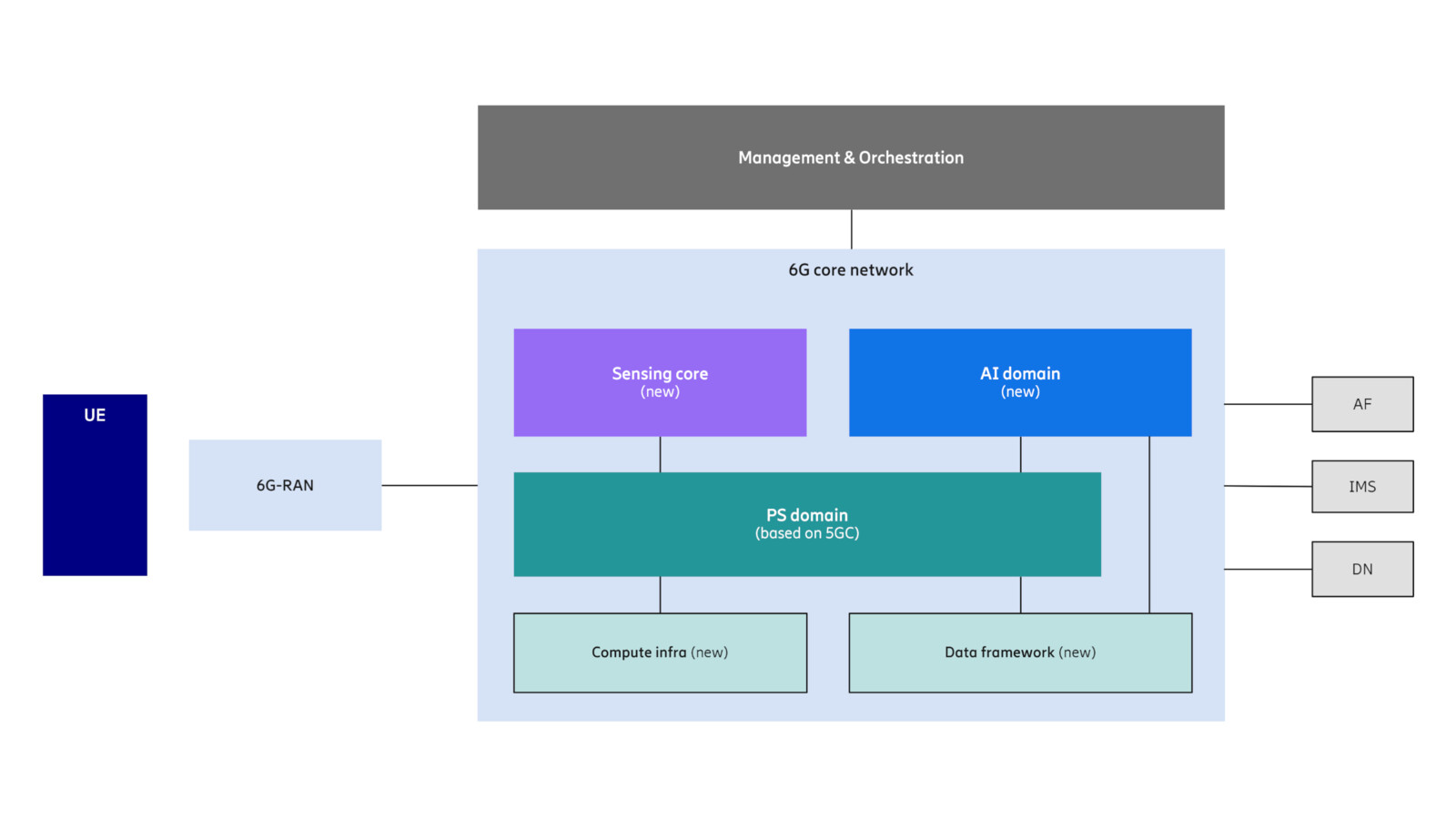
Figure 6: AI domain in the 6G network architecture
Additional domains such as data framework, sensing core functions, and compute infrastructure can provide supporting resources to the AI domain when required. This separation allows each domain to evolve independently while maintaining clear interfaces and responsibilities.
The architecture is guided by five key principles.
Separation of concerns
The AI domain handles AI-native interactions with UEs and AFs, while the PS domain remains focused on connectivity services and core network operations.
Independent evolution
AI technologies are evolving significantly faster than telecom standards. By separating AI capabilities for UE and AF use cases into a dedicated domain, CSPs can introduce new AI services without requiring changes to the core connectivity architecture to enable them.
Trust by design
All AI-native services are subject to CSP-controlled identity, authentication, authorization, and policy frameworks. Furthermore, as we see AI agents becoming increasingly capable, specific security considerations must be included in the AI domain to protect a CSP’s network from rogue agents.
Reuse of existing network capabilities
The AI domain does not replace existing network functions. Instead, it consumes existing capabilities exposed by the PS domain and other network domains when required.
Incremental deployment
CSPs can introduce AI-native services according to business demands and operational readiness without disrupting existing services.
AI domain functional elements and reference points
The 6G core network AI domain consists of at least the following functions (see Figure 7):
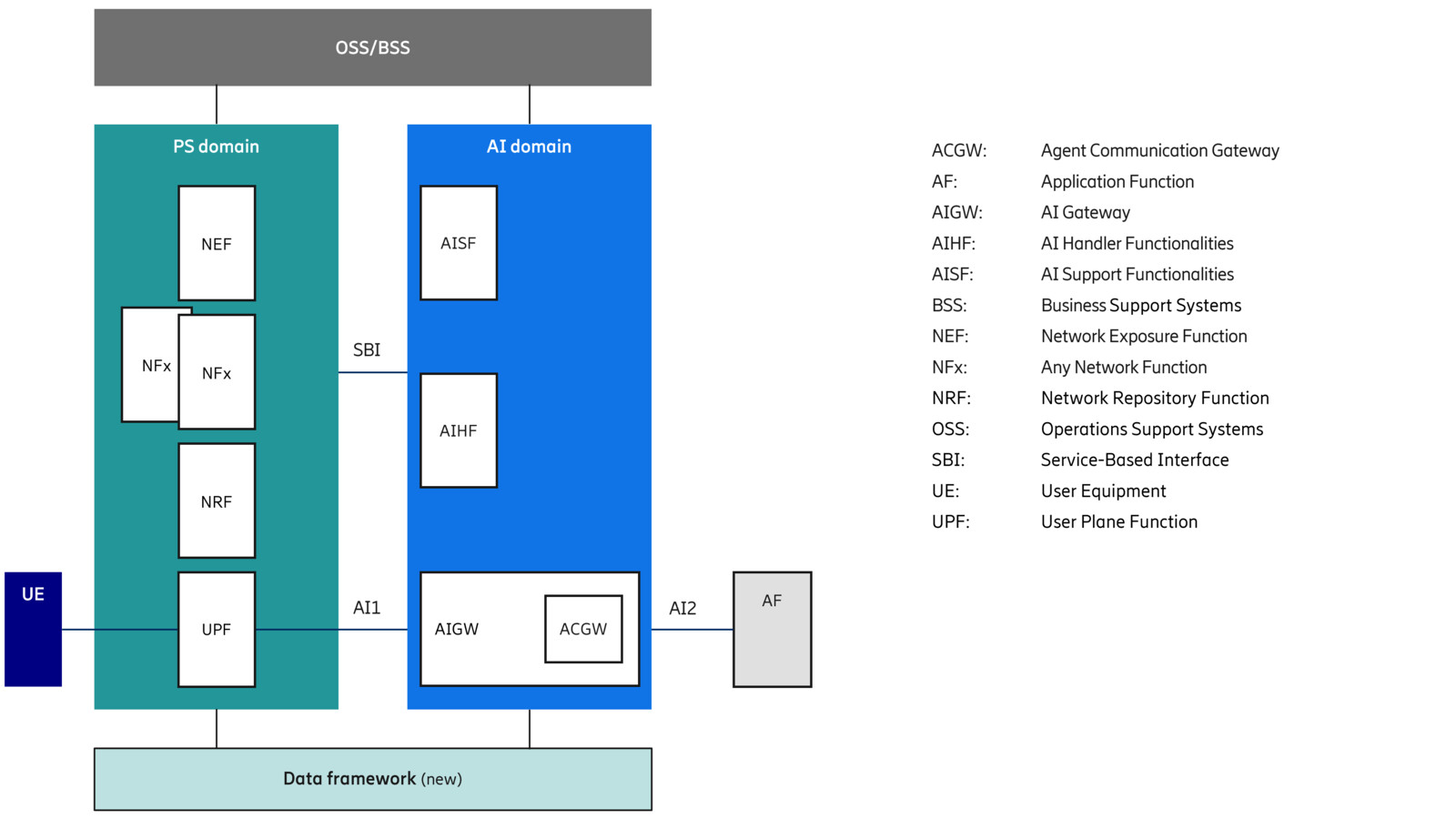
Figure 7: Functional elements of the AI domain and reference points
Entry point functions
AI gateway (AIGW), shown in Figure 7, receives requests from UEs and AFs. It provides a controlled entry point into the AI domain, enables service discovery, and ensures that requests are directed to the appropriate service functions. It also includes an agent communication gateway (ACGW) for UE AI-agent group communication.
Service functions
AI handler functionalities (AIHF), shown in Figure 7, contain the AI domain logic. They handle requests such as intent processing, AI-agent interactions, and access to AI-related capabilities, while coordinating with other network domains as needed. These functions are also responsible for interdomain communication toward other domains such as the PS domain, data framework, and operations and business support systems (OSS/BSS). This communication is needed to fulfill anticipated AI services, such as intents.
Support functions
AI support functionalities (AISF), shown in Figure 7, provide common services used by the AI domain, including identity management, authentication, authorization, discovery, and context management.
Together, these functions create a common framework through which devices, applications, and AI agents can interact with AI-enabled network capabilities. The exact realization of these functions may evolve over time. In Ericsson’s view, AI-related innovation for UE and AF use cases should primarily occur within the AI domain itself, while standardization should focus on external behaviors and interfaces to ensure interoperability.
The two new external reference points, AI1 and AI2, for UE and AF, respectively, will formally describe such external behavior and will require standardization. Internal interfaces, instead, are less suitable for a standardization process. We prefer to only list the functionalities and avoid standardizing the internals to ensure speed of innovation.
The architectural principles described above are not goals in themselves. Their purpose is to enable a new class of AI-native interactions while maintaining the stability and operational characteristics expected of mobile networks for basic connectivity services. The following examples illustrate how the AI domain can support future AI-enabled services.
How the AI domain enables AI-native services
The AI domain supports a broad range of AI-native interactions between user devices, applications, and network capabilities. While specific implementations will evolve over time, the interactions can be grouped into three main categories.
Intent-driven interaction with the network
One of the primary roles of the AI domain is to allow users and applications to express desired outcomes rather than network-specific procedures.
A user may wish to improve connectivity for a gaming session. An enterprise application may request improved quality of service for a fleet of autonomous robots. In both cases, the requester describes the desired outcome while the network determines how to fulfil it.
The AI domain acts as an intermediary between the intent requester and existing network capabilities. It interprets the request, verifies authorization, and determines which network resources and services are needed. The actual execution remains within established network functions, preserving the operational integrity of the core network.
This approach simplifies service consumption while enabling a more autonomous and adaptable network architecture.
AI agent interaction and collaboration
AI agents on UEs may need to discover other agents, exchange information, and collaborate to accomplish a task. For example, a personal AI assistant running on a smartphone may interact with enterprise AI agents, cloud-based AI services, or CSP-provided network capabilities to fulfil a user request. Similarly, a fleet of autonomous robots may collaborate with AI agents to coordinate tasks and share situational information.
The AI domain introduces a trusted interaction model in which AI agents can discover network capabilities, use CSP-provided services, and interact with other authorized agents under CSP and enterprise policy control.
To support these interactions, the AI domain manages identity, authentication, authorization, and discovery, allowing agents to communicate while remaining under CSP policy control.
Besides enabling unrestricted peer-to-peer communication by the 6G system where CSPs only provide connectivity, the AI domain provides a governed framework that supports secure one-to-one and group communication between AI agents.
This creates the foundation for future AI-agent ecosystems while ensuring that security, trust, and operational policies remain under CSP control.
Access to AI services, data, and network capabilities
The AI domain also provides a common framework through which authorized users, applications, and AI agents can access capabilities exposed by the network.
Examples include:
- network information and context
- positioning and sensing information
- AI training and inference services
- AI workload execution services
- network exposure capabilities
The AI domain simplifies access to these resources and services by providing a consistent interaction model independent of the underlying implementation. As new AI-related services emerge, they can be introduced within the AI domain without requiring fundamental changes to the PS core network. This allows CSPs to introduce AI capabilities at the pace of AI innovation, while maintaining long-term stability of their core connectivity infrastructure.
Summary
The AI domain adds support for AI-native services for UEs and AFs to the 6G core network. CSPs can decide whether to deploy the AI domain in addition to basic connectivity provided by the PS Domain and other new 6G functionalities. This approach supports rapid innovation through complete separation of concerns, while minimizing impacts on the PS domain and preserving the fundamental aspects of network stability, security, and determinism.
UEs and AFs access the AI domain through AI1 and AI2 interfaces, respectively. The PS domain provides connectivity, including mobility support for AI1. The AI domain supports a range of new use cases, such as intent processing, UE agent communication, and new AI services including AI model training, inference and access to the necessary data to execute these services The AI domain framework is extensible and can evolve to support AI services not envisioned.
The AI domain interacts with other functionalities in the 6G core network for intent fulfillment. For example, it can support AI services that use data and compute capabilities in the PS domain, enabling flexible AI services without bypassing established network procedures.
The following people have also contributed to this post
Lasse Olsson
Expert, Core network evolution realization
Richard Wang
Expert, Core network robustness
Read more
- Discover how the 6G AI domain can enable trusted intents, AI-agent collaboration, and new AI-native services
- Explore how AI agents could be integrated into telecom network architecture, from intent management to autonomous operations
- Read about the convergence of AI, cloud, and mobile supports network revolution
- Learn how the future of AI revolution depends on the convergence of three technology pillars: AI, cloud, and mobile
- Discover how 6G marks the shift from today’s 5G Standalone networks to an AI-native intelligent fabric
- Explore agentic AI for autonomous telecom networks
- Learn how AI, standardization, and industry collaboration are shaping the path toward 6G