


Skip navigation
Hilda and Lars Magnus Ericsson.

150 years of history

150 years of reaching new horizons

Ericsson history

Welcome to a journey through the world of Ericsson – trip through history towards the future. These articles depict in photographs and film how the small factory opened by Lars Magnus Ericsson in 1876 successfully evolves into a global company.
""
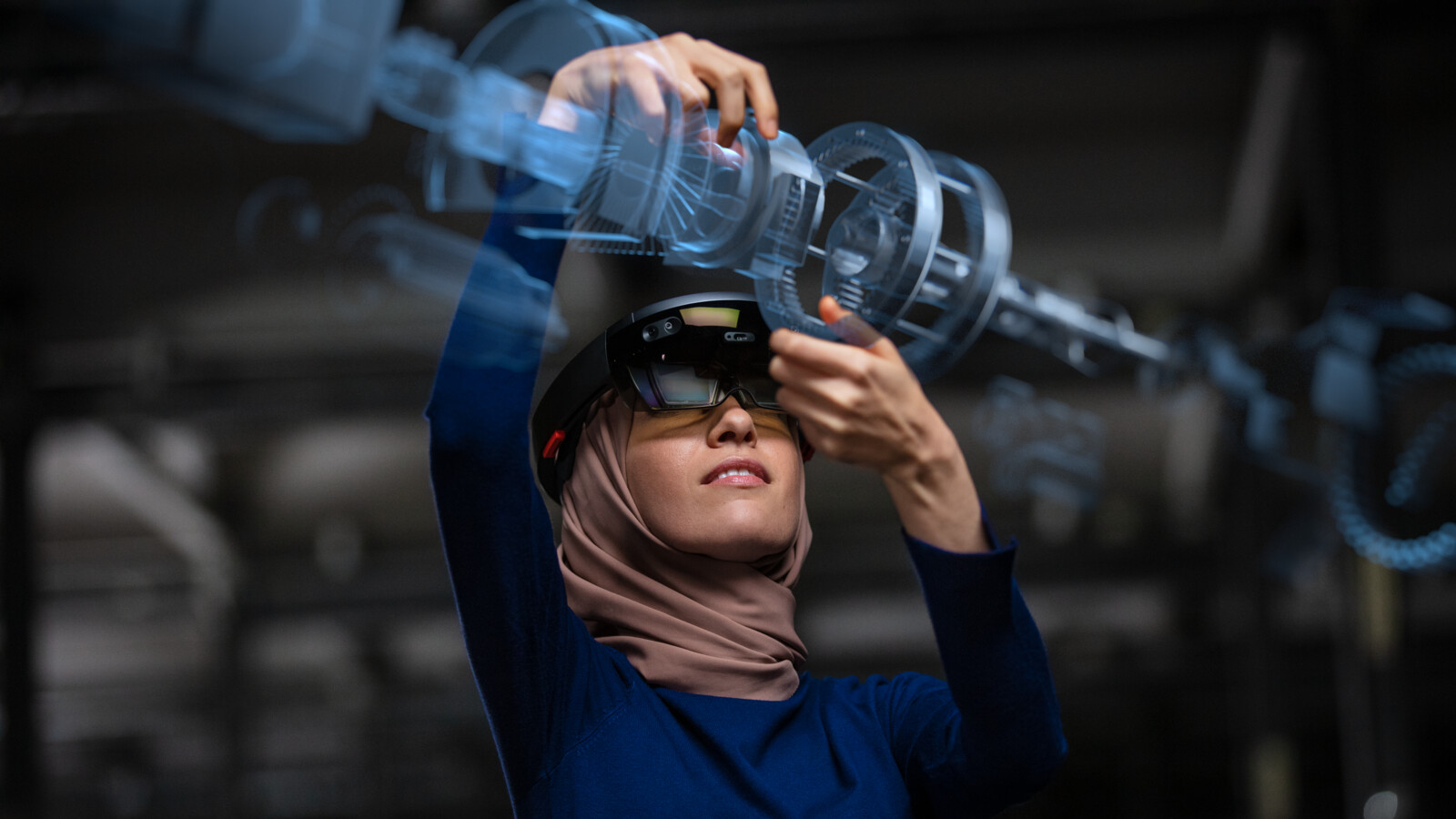
Building the future. Again.
Celebrate 150 years of powering global connectivity with us

How did we get there?

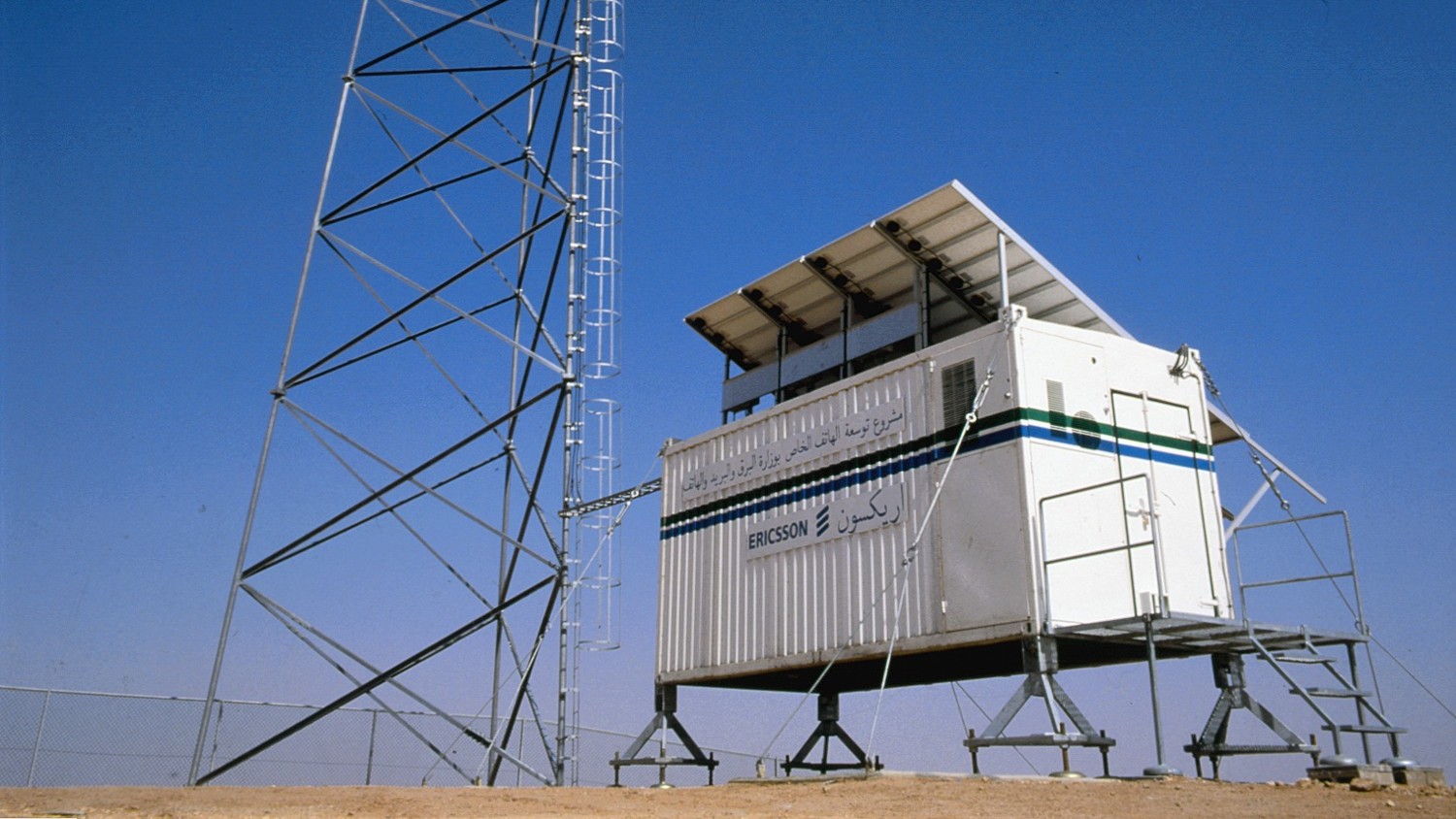
2024 - Internet of Things and more!

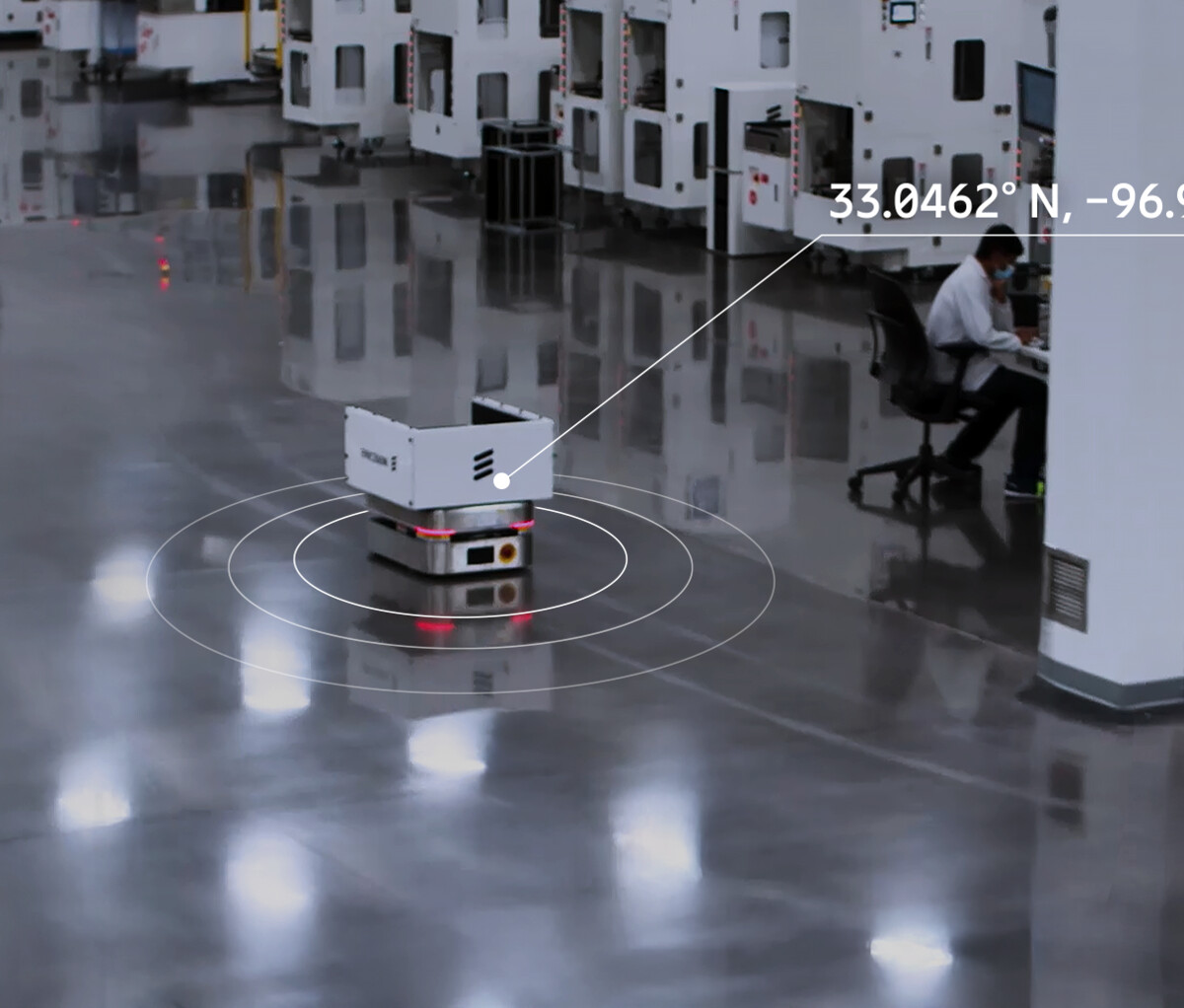
For long now, Ericsson has been dedicated to advancing 5G, enabling the Internet of Things. Presently, Ericsson is also engaged in the development of 6G, anticipating that it will deliver an “extended reality” experience, engaging all our senses.

2010: 4G arrives

In December 2009, Ericsson launched the world's first commercial 4G network in collaboration with TeliaSonera (previously Swedish PTT Televerket). The network was based on the new standard for mobile telecommunication systems: LTE, Long Term Evolution.

2001: Sony Ericsson is created

Since the start in 1876, Ericsson had been active in making both phones and networks. In October 2001, Ericsson’s cell phone division merged with the Japanese home electronics firm Sony and formed Sony Ericsson. The competition had become much tougher in the cell phone sector, and Ericsson could no longer rely solely on its own technical expertise. 

1991: GSM changes everything

After NMT (1G) came GSM (2G), enabling even more widespread use of mobile telephony. On July 1, 1991, the new European GSM standard was introduced across many European countries, with GSM calls being made in Germany, Finland, Denmark, and Sweden over Ericsson systems. 

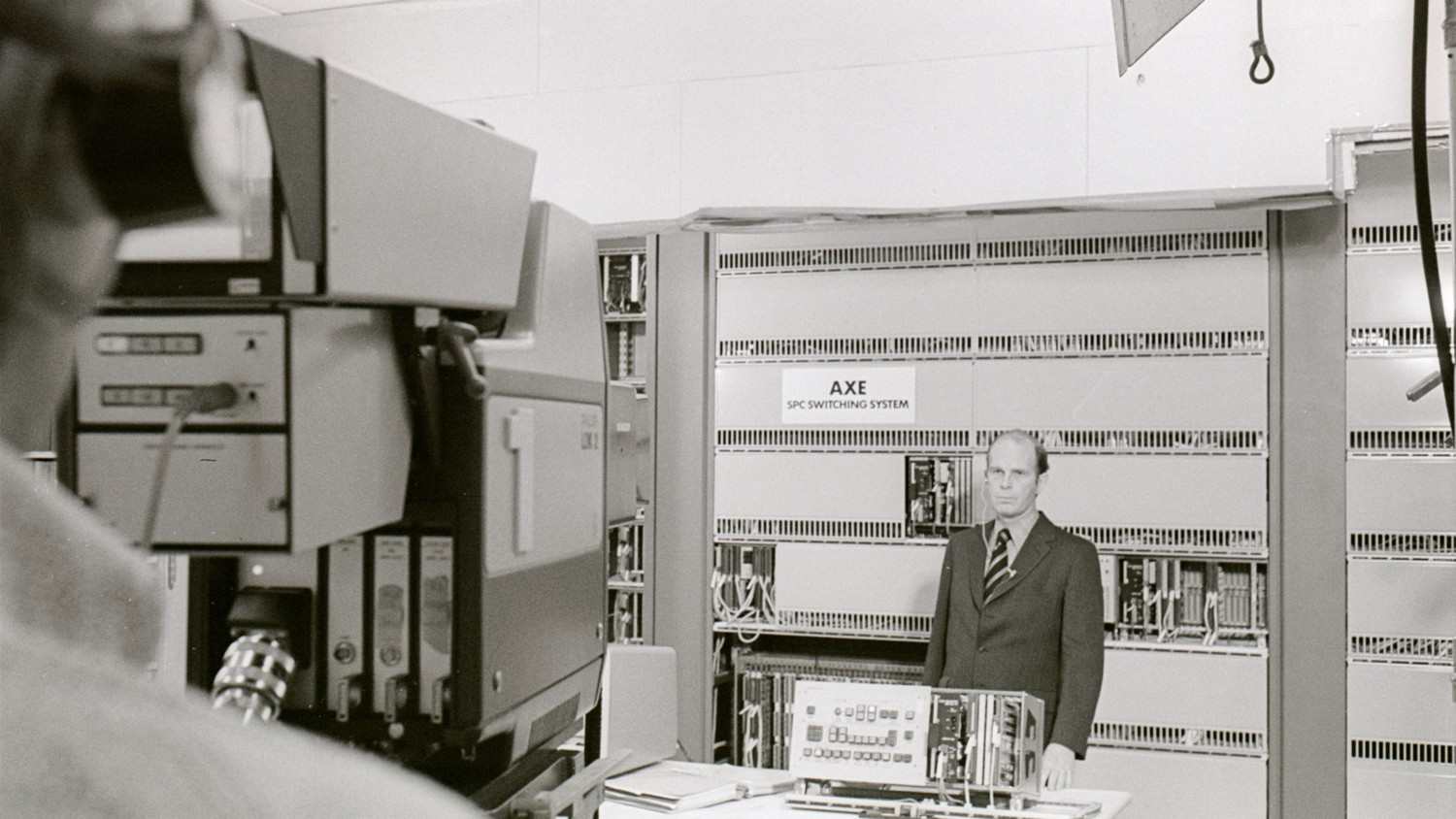
1976: the AXE-switch

The days of analog switches were coming to an end. New electronic and digital systems would replace them – and so Ericsson built the AXE switching system, as a joint venture with Swedish PTT Televerket. AXE was revolutionary in several ways, particularly through its advanced modular system architecture – and Ericsson would prosper with it for many decades to come.

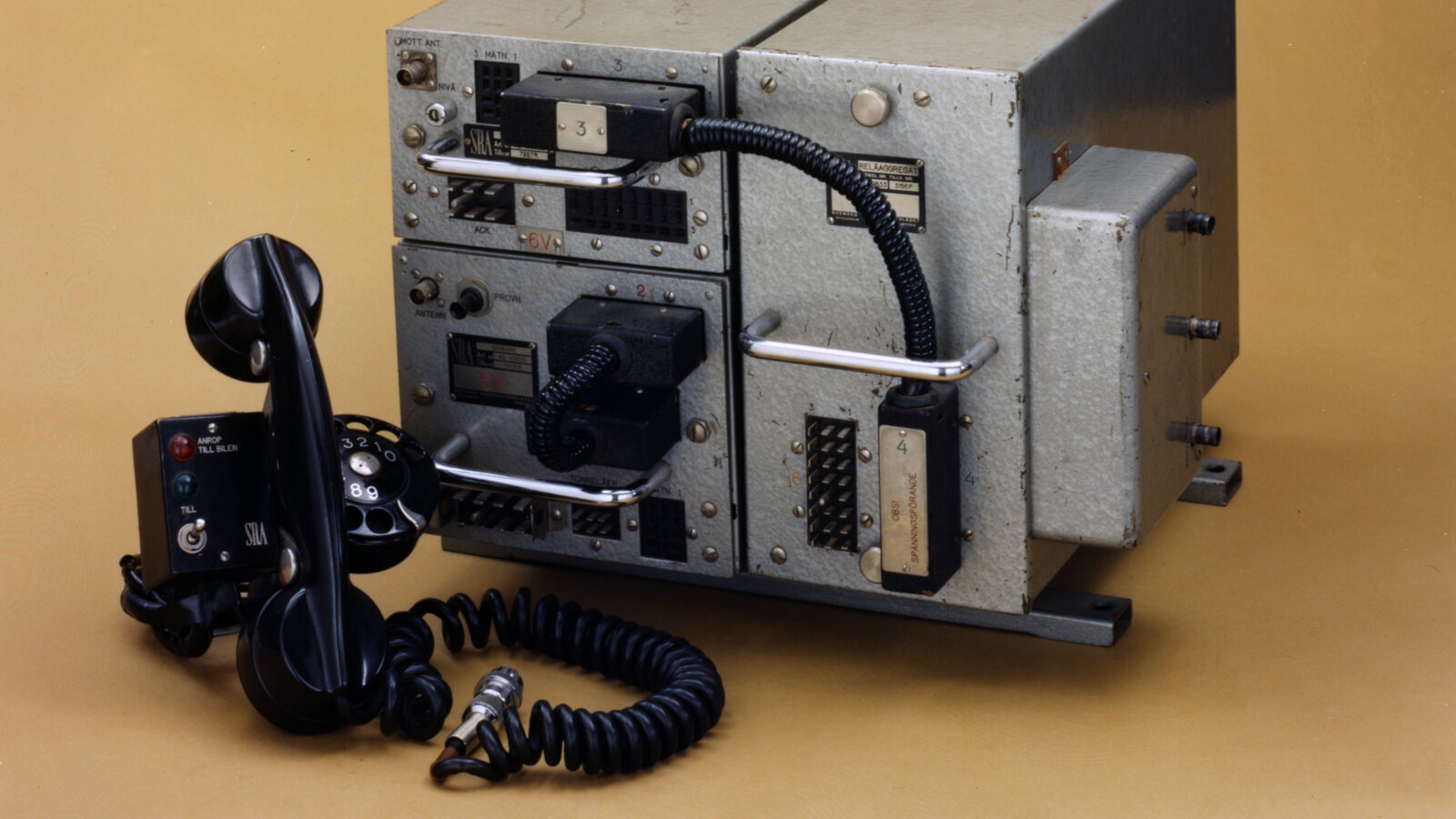
1956: Mobile telephony awakens

Ericsson's very first mobile phone, designed in 1956, weighed like a young teenager at 40 kilos and was about the size of a suitcase. Perhaps not really “mobile”. And never destined to be a best-seller, since the network that was built to support it couldn’t handle more than 100 subscribers. (In 1987 that Ericsson would release its first real handheld mobile phone, the HotLine Pocket.) 

1923: the 500-switch

A phone switching system capable of handling 500 lines! The first Ericsson 500-switch station was put in operation in 1923. Eight years later, Ericsson had delivered about 100 stations with a total of more than 350,000 lines. Sales continued to increase over several decades. By 1974, when sales eventually started to decline, 4.8 million lines using the 500-switch were in operation in public telephone stations. Plus: read about the effects of the Krueger crash on Ericsson – and learn about the LM City!

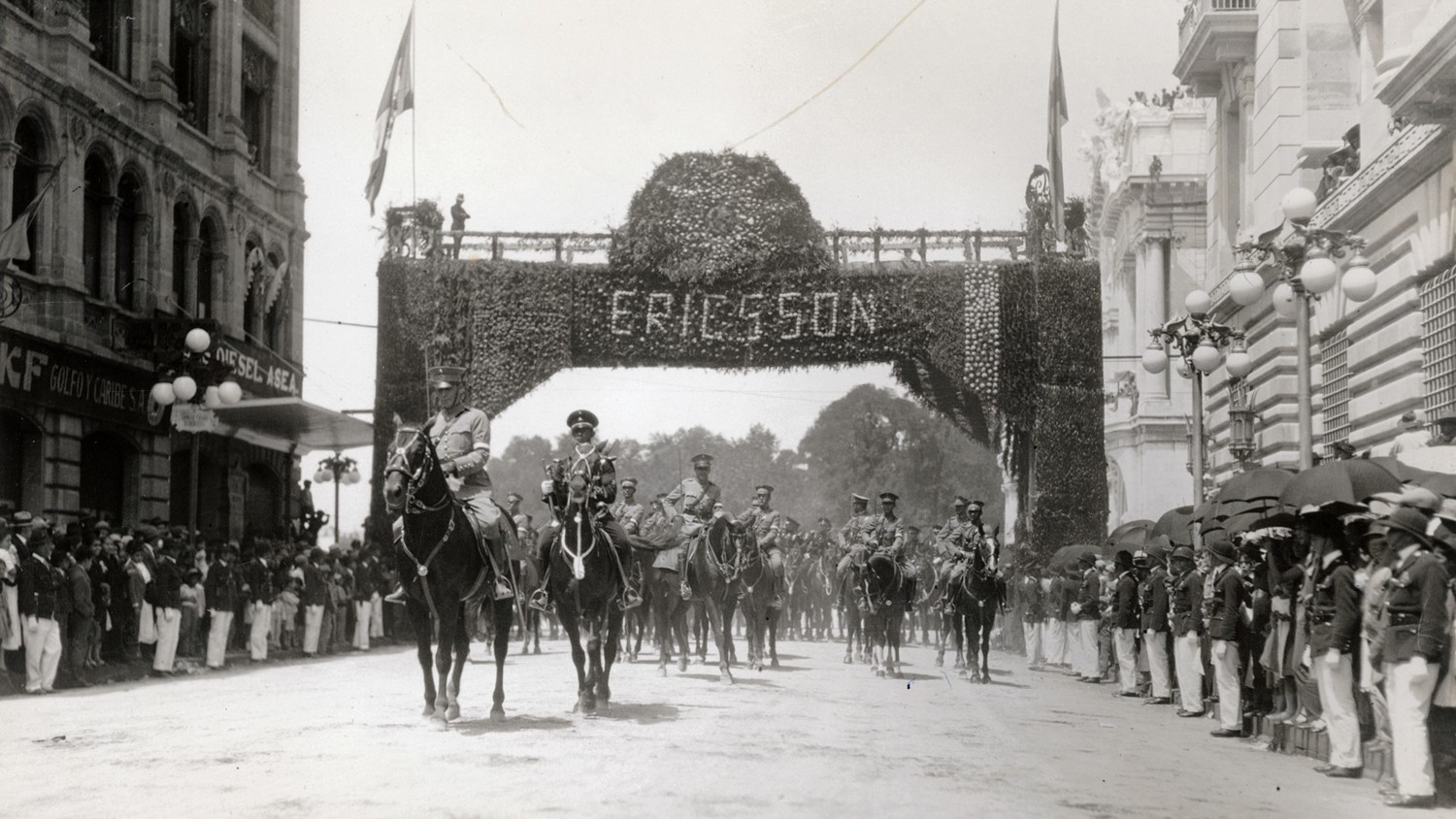
1904: Global from the start (almost)

In 1904, Ericsson decided to apply for a telephone concession in Mexico. The Mexican authorities granted a license in the following year, and Ericsson were permitted to become an operator. This was only one of several early international investments for Ericsson. Already before Mexico, Ericsson had opened operations in many European countries.

1876: Lars Magnus Ericsson starts a mechanical workshop

In 1876, Lars Magnus Ericsson started a small mechanical workshop in central Stockholm, which went on to become one of the world’s leading information and communication technology companies. In 1880, he launched the first wall-mounted telephone and delivered the first switchboard.

Highlights

Revolution in technology

The telecom industry faced a revolution in technology in the early 1970s.

Changing the world

The story of Lars Magnus Ericsson and his successors.

The book “Changing the world”, from where this article is, was released in 2009

More interesting assets about Ericsson's history
Sources

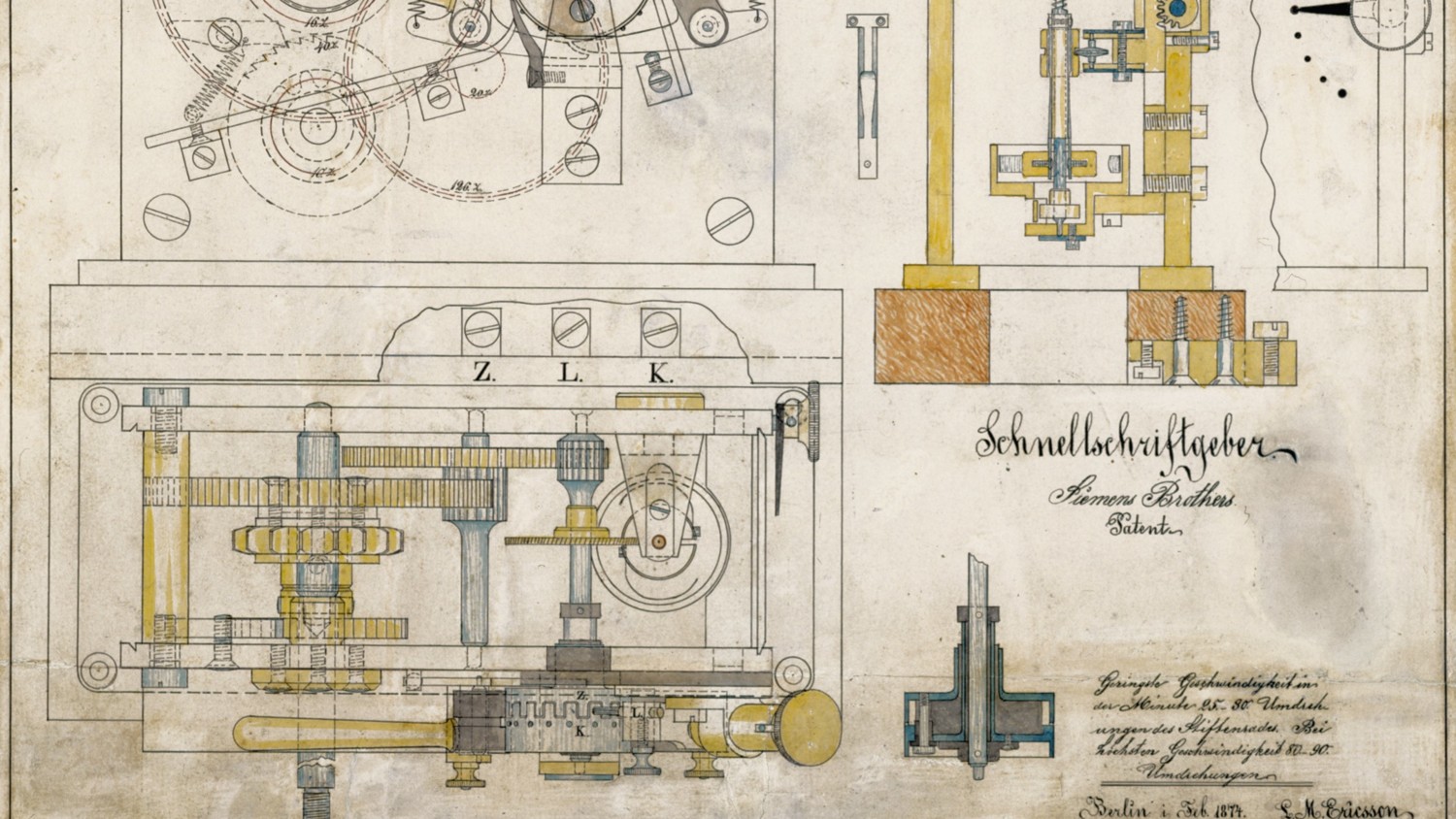
Here can you find and download old annual reports, LME Review, Contact, Product catalogues and other publications.

Videos

Interesting old documentary and commercial videos - all from the entrepreneurs - Hilda Ericsson (1860-1941) to Harry Hotline in more modern time... 

Literature

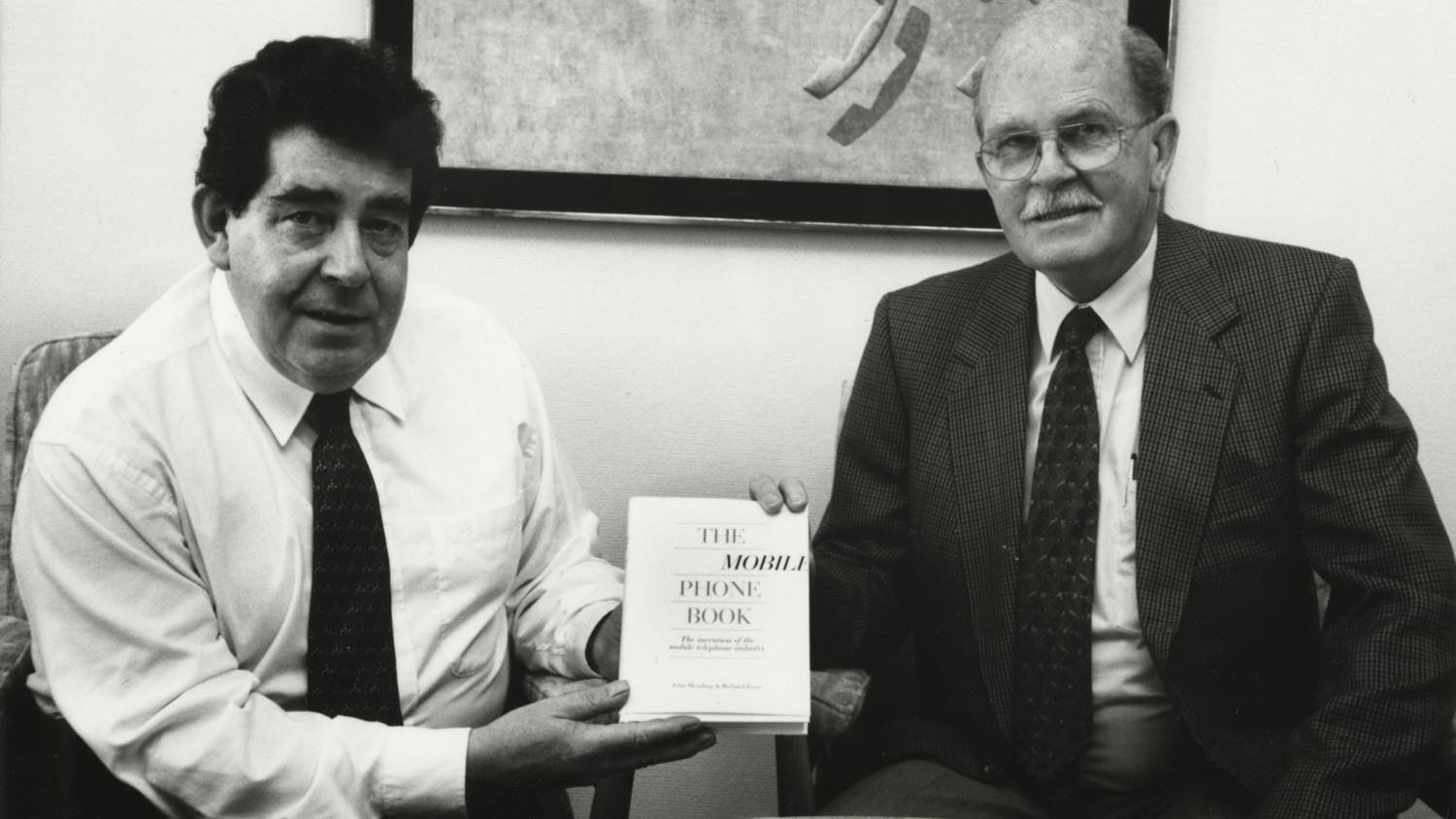
Through the years there have been many books written about Ericsson. You can find a number of titles in this list.

Places

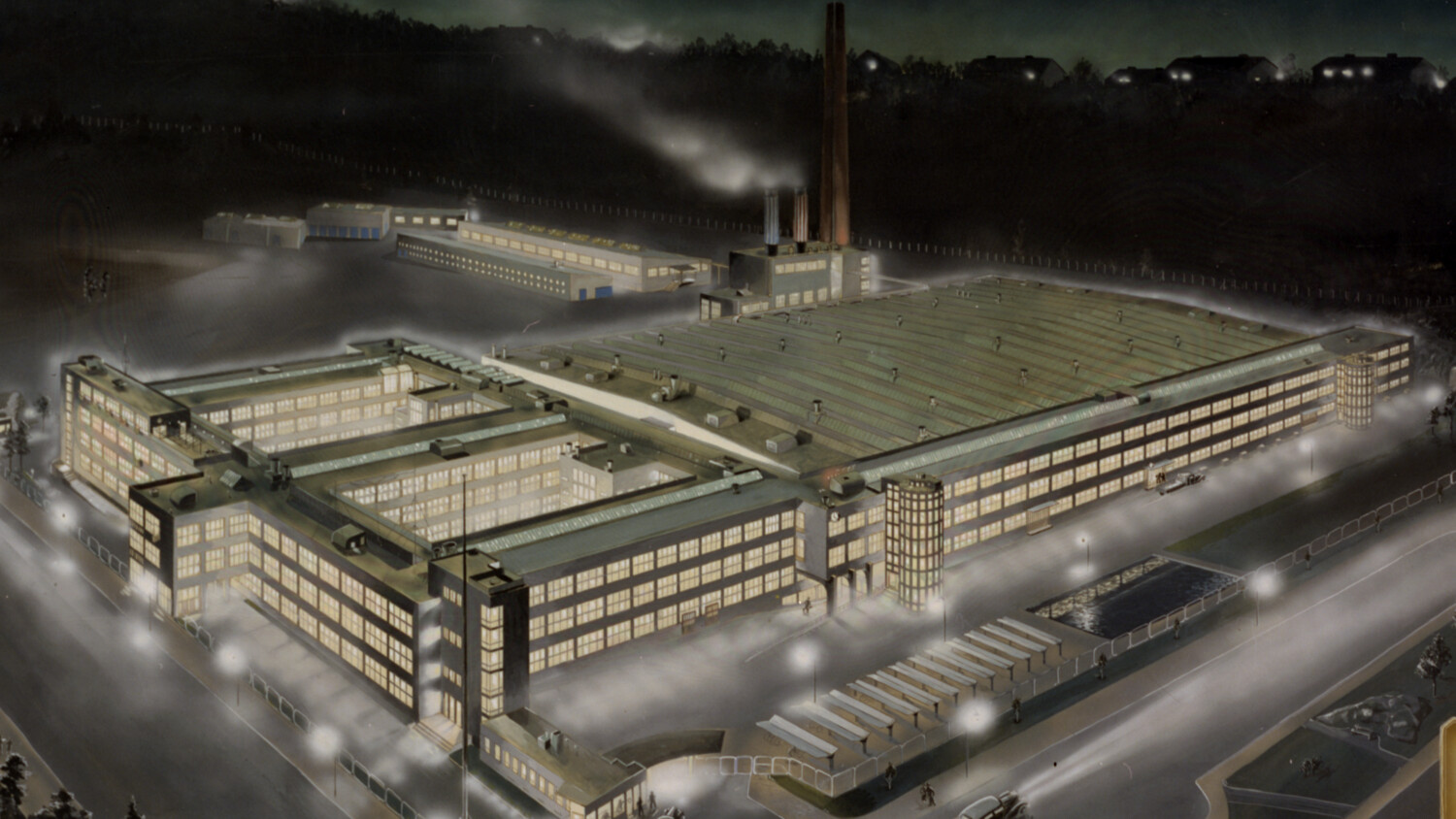
Visit the very first addresses from the 1800’s in Stockholm. Then follow along as the company moves to Tulegatan and Telefonplan.

People

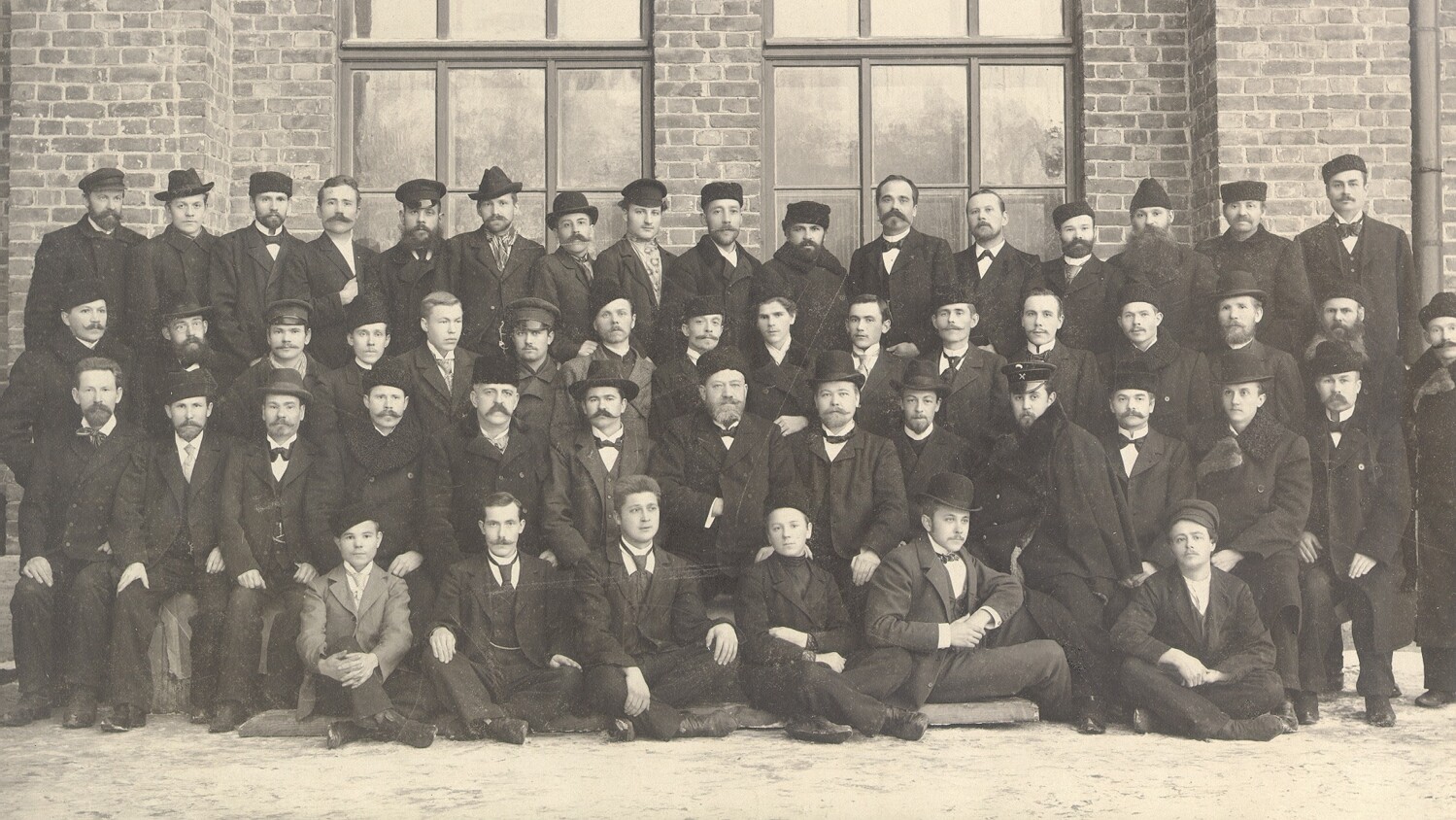
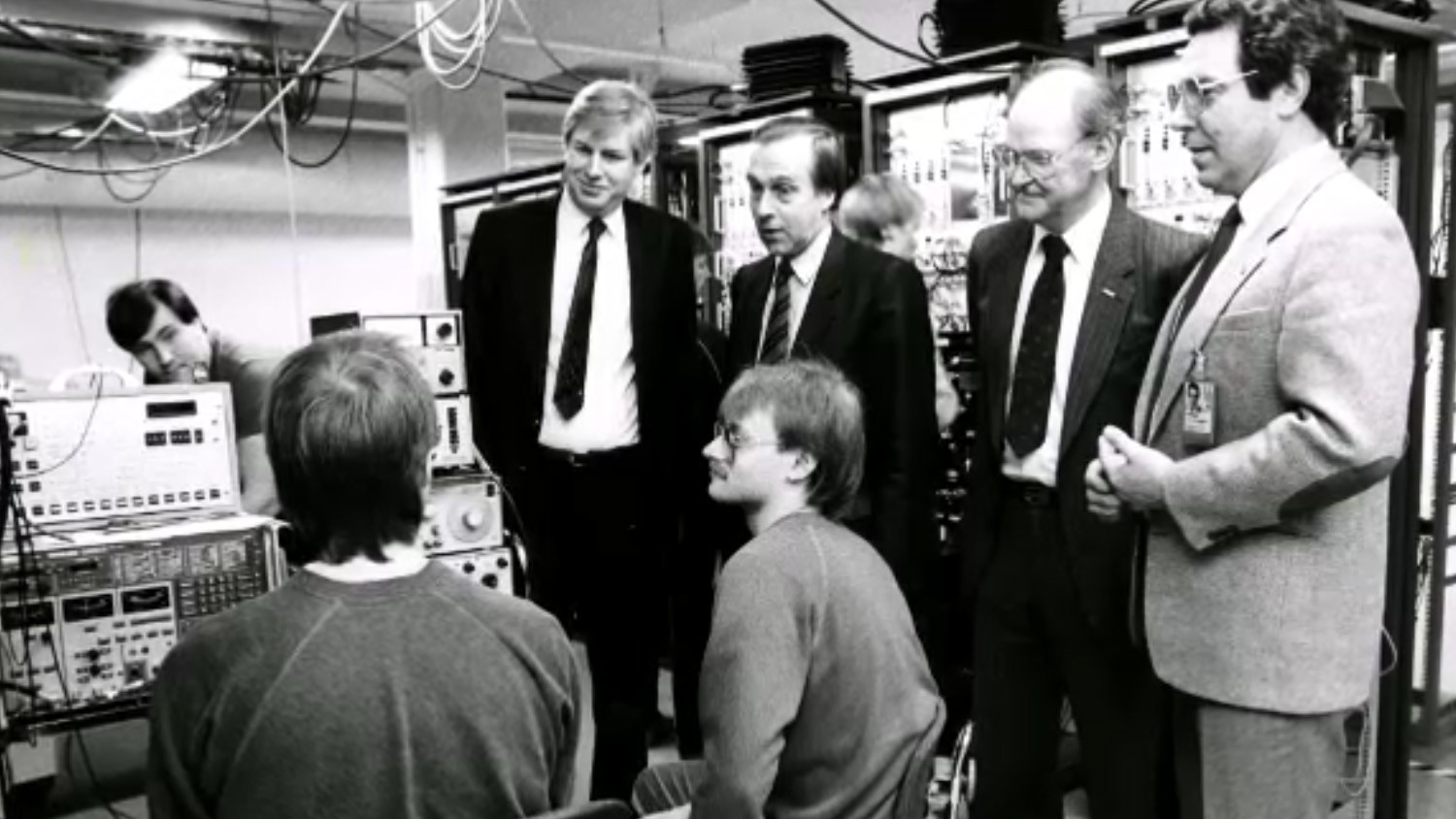
Meet Ericsson’s founder and the managing directors; meet the industry leaders and employees.

Communication

Ponder the unique pictures from pioneer times of telephony. Discover the telephone’s entrance to daily home life, the workplace and in literature.

Company

Follow Ericsson’s dramatic journey as the company copes with the world’s economic ups and downs.

Products

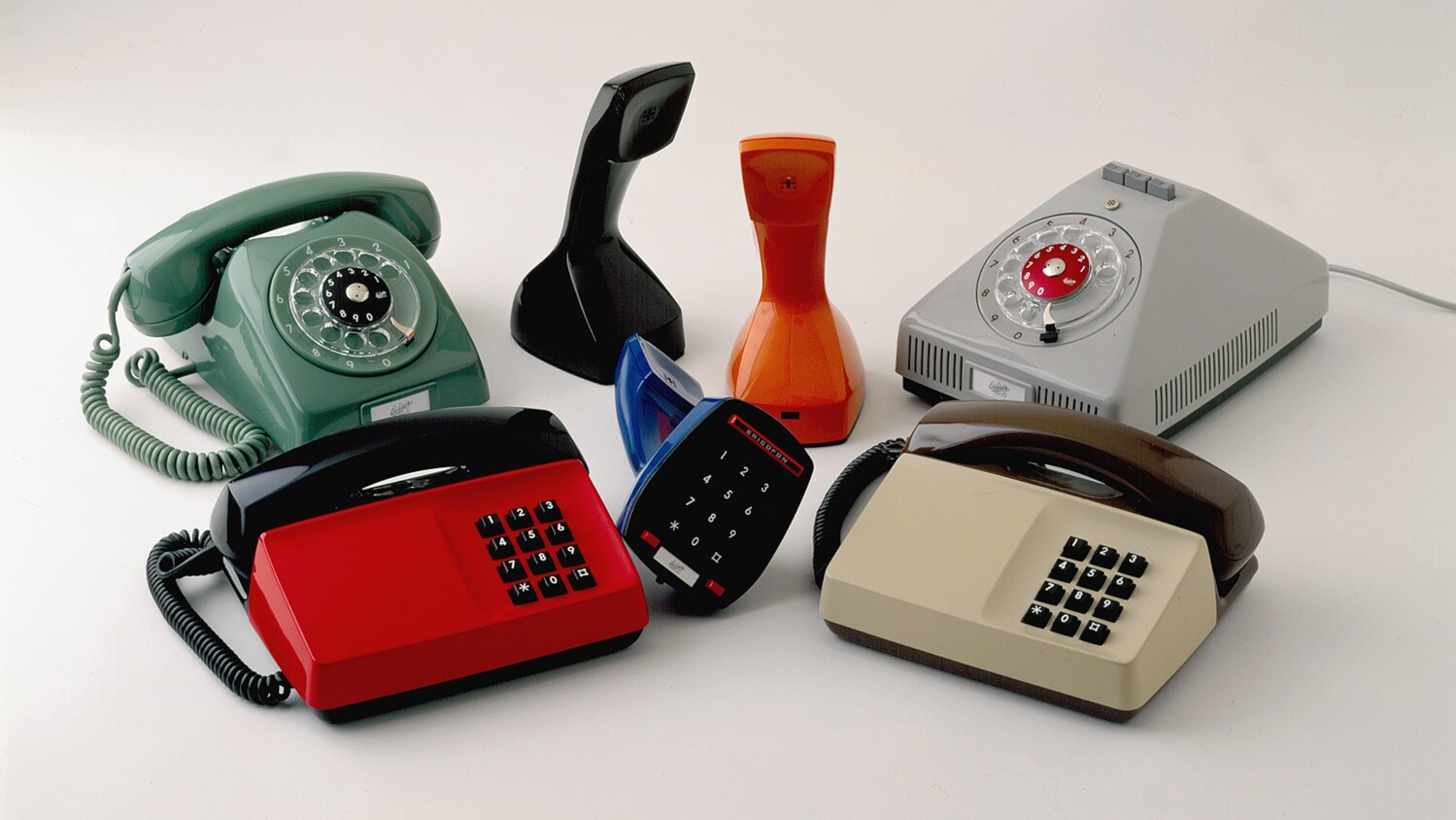
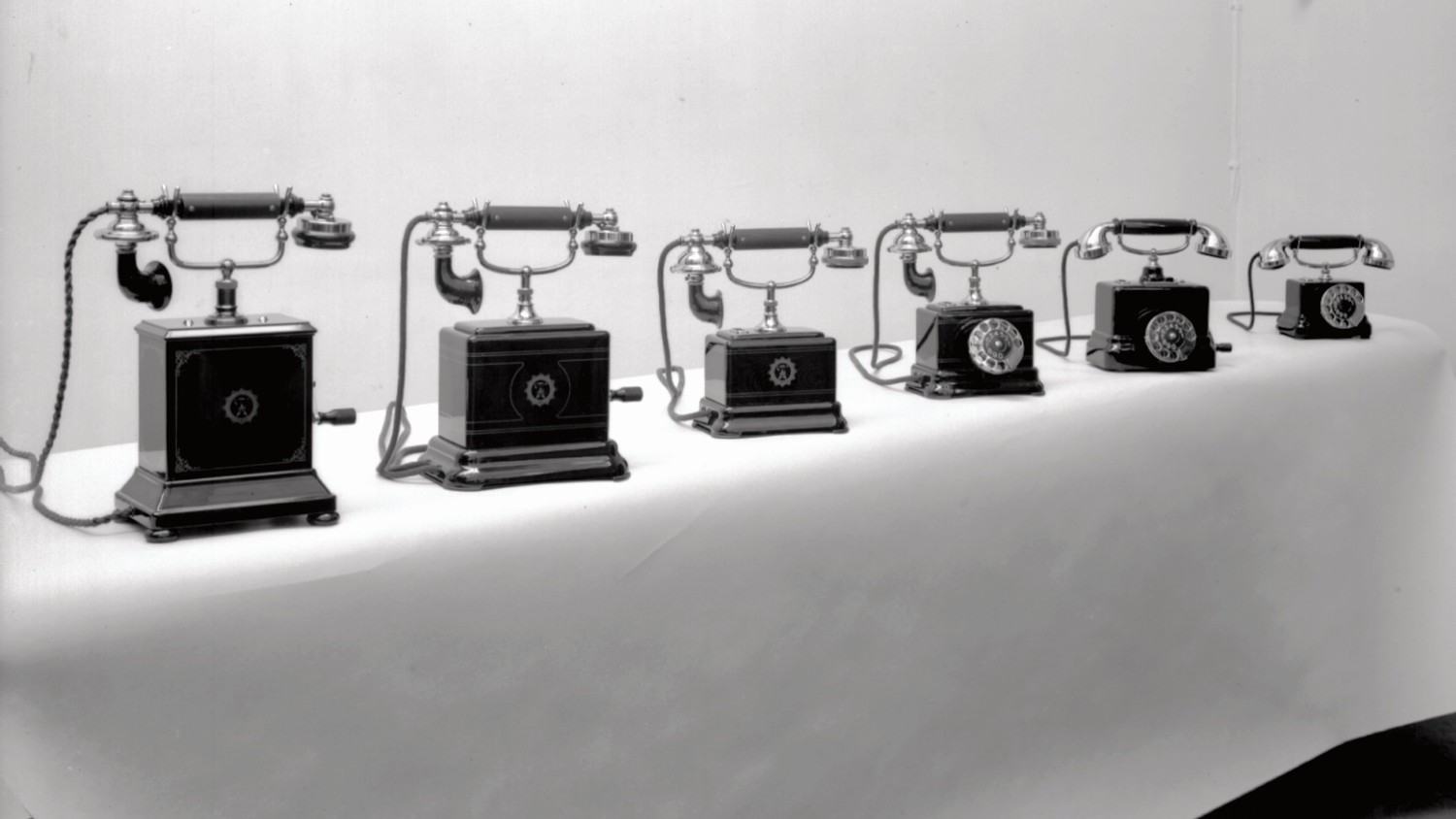
From the first telephones and exchanges, as well as the Ericofon and AXE telephone exchange systems of the 1900’s as well as the mobile systems and mobile phones of later times.

Shaping history

Over the past 140 years, Ericsson has been a global leader in ICT solutions. From manufacturing some of the first telephones, to managing networks that process 40% of the world's data, we have a long history of shaping how the world communicates.

On the line

© Telefonaktiebolaget LM Ericsson and Centre for Business History

Contact info/About the site