











Avoiding the vicious circle of decreased sustainability
Increased exposure to disruptive events makes companies prefer redundant and more resource-intensive solutions.
Resilience vs sustainability
Resilience and sustainability are two terms that are often used synonymously, but strictly speaking, they are not the same. A well-established way to describe a company’s sustainability effort is to base it on the concept of the triple bottom line (TBL), where not only a company’s profitability is measured, but also its social impact on people (employees, customers or others that are impacted socially by the company) and environmental impact on the planet (figure 8). A truly sustainable company can handle all three bottom lines.
Environmental sustainability is defined by protecting the needs of the future by reducing energy consumption and greenhouse gas emissions and avoiding the depletion of natural resources, and a TBL sustainable company manages that while at the same time caters to this generation’s social and economic needs. This definition implies a need to prioritize efficiency, yet an obvious way to achieve resilience is to create redundancy, such as duplicating systems in case one system goes down.
Resilience, for many enterprises, plays out in the short to the mid-term scenarios, while sustainability, particularly its environmental aspect, tends to be associated with a long-term perspective. An ideal setup would be both sustainable and resilient. One factor affecting enterprises is their preference for redundancy over efficiency during disruptive events. Our data shows that companies with more experience of disruptive events tend to prefer redundancy. In this context, redundancy may, for example, concern the intentional duplication of fiber connections, energy sources, supply of spare parts or other input material.
In figure 9 below, enterprises without any experience of disruptive events are compared with companies that have experienced one to three disruptive events and those that have experienced three or more events. For those without any experience, the proportion of those who prefer efficiency (green) compared to redundancy (purple) is similar. However, as more disruptive events are experienced, the proportion who prefer redundancy increases.
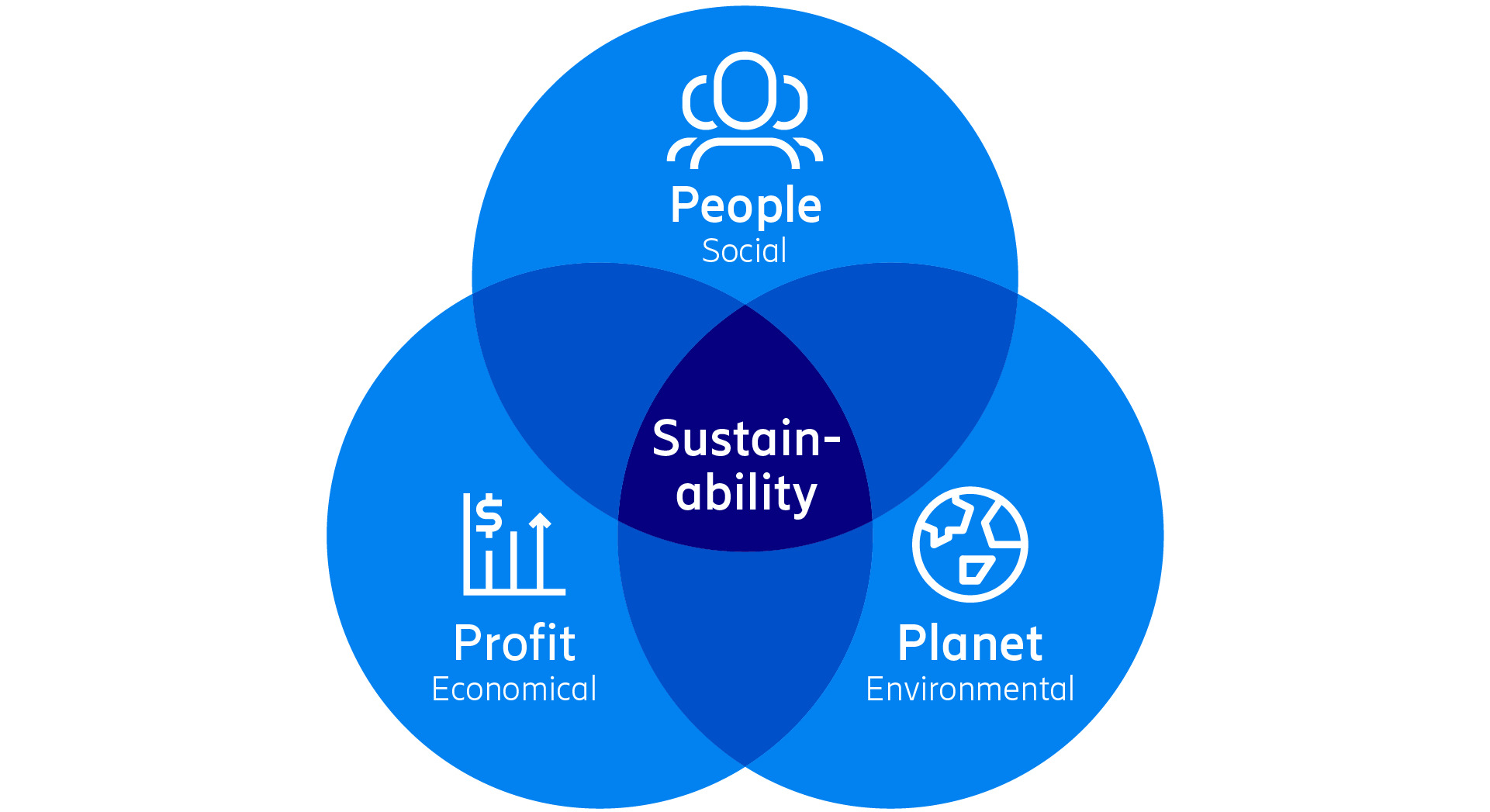
Figure 8: Sustainability from a triple bottom line perspective
Our results highlight that if the decision-makers are correct in their assumption that disruptive events will increase, it is also likely that more enterprises will opt for redundant solutions in the future. Thus, there will be increased resource consumption – contrary to what is needed to achieve long-term sustainability.
Dematerialization is the shift towards digital resources, products and services, leading to a decreased consumption of physical resources. As this also increases business value, dematerialization enables enterprises to “create more with less”.
Almost half of all the enterprises surveyed say they always consider both efficiency and redundancy to find the best trade-off between being able to handle disruptive events and achieving long-term sustainability.
When asking decision-makers to what extent natural disasters caused by climate change are key challenges for their companies, fewer efficiency-oriented enterprises (41 percent) consider it problematic compared to those that are redundancy-oriented (54 percent). This could be linked to having strategies that consider environmental sustainability issues more extensively which in turn makes them less vulnerable.
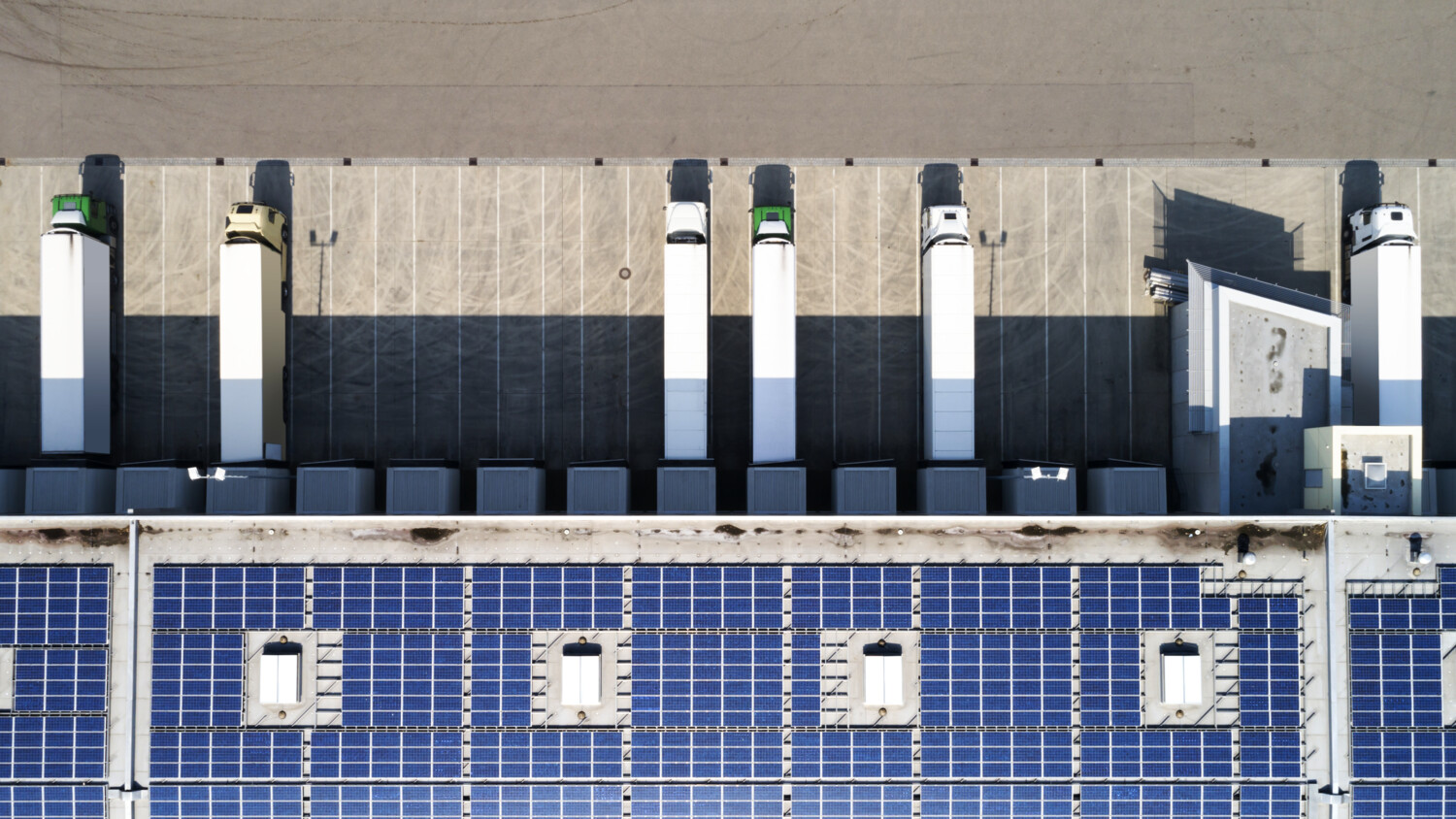
Renewable energy
In the context of recent energy crises and its disruptive impacts, 76 percent of decision-makers believe it is essential to have resilient power and electricity supplies since many enterprises are heavily energy-dependent. As society becomes more electrified, the demand for reliable and cost-efficient electricity will increase. Rising energy costs and perceived risks of electrical disturbances motivate enterprises to invest in local renewable electricity production, such as solar or wind energy. Decision-makers (56 percent) say shifting to renewable energy will make their companies more resilient against price shocks and energy disruptions. Just as many say, their companies are fully committed to increasing their share of renewable energy usage.
Investments in renewable energy are examples that could provide a more systematic resilience, as well as lead to further job creation and economic growth. It is, therefore, not so surprising that roughly 3 out of 4 decision-makers agree that the power and electricity supply must be built and run to withstand the effects of disruptive events. The Ericsson IndustryLab report “Bringing 5G to power” discusses the need for a resilient energy system.