Conclusion: Time to rethink resilience
The next level of resilience is based on proactivity and long-term efficiency.
Achieving long-term resilience
Going forward, it is clear that enterprises need to rethink their strategy and definition of resilience – the traditional meaning of being prepared for disruptive events will not be sufficient. None of the five identified current paths to resilience will be enough on their own. Still, combining components from each path will be vital to achieving long-term resilience – a truly sustainable future for all.
Two fundamental paradigm shifts will be needed to enable enterprises to reach long-term resilience:
Short-term, redundancy-based resilience needs to shift to a more sustainable, long-term efficiency-based resilience. This is a challenge for many, with almost 8 out of 10 enterprises still increasing redundancy in their supply chains today.
Recovery-oriented resilience needs to shift towards proactive business model innovation. While only 40 percent of decision-makers say this is already part of their resilience strategy, close to 6 out of 10 plan to increase these efforts in the future.
Shifting to long-term, efficiency-based resilience
Dematerialization through digitalization (such as using less production material or freeing up office space when employees can work remotely) enables company resilience through benefits such as decreased cost, higher profitability and flexibility . Over 80 percent of the surveyed enterprises have already invested in technologies that allow more flexible remote working.
When enterprises shift focus from reactive to proactive, digitalization will be fundamental – AI, advanced data analysis, and continuous technology and business model innovation. Recommendations and automation assume the availability of accurate, relevant and timely data, which will require stable and high-performance connectivity.
While digitalization aids in building enterprise resiliency, it may also introduce new risks and vulnerabilities. Centralization and being cloud-based could lead to further exposure to cyber-attacks and blackouts, which further emphasizes the importance of having resilience-hardened connectivity and power supply.

Proactive innovation and business model evolution
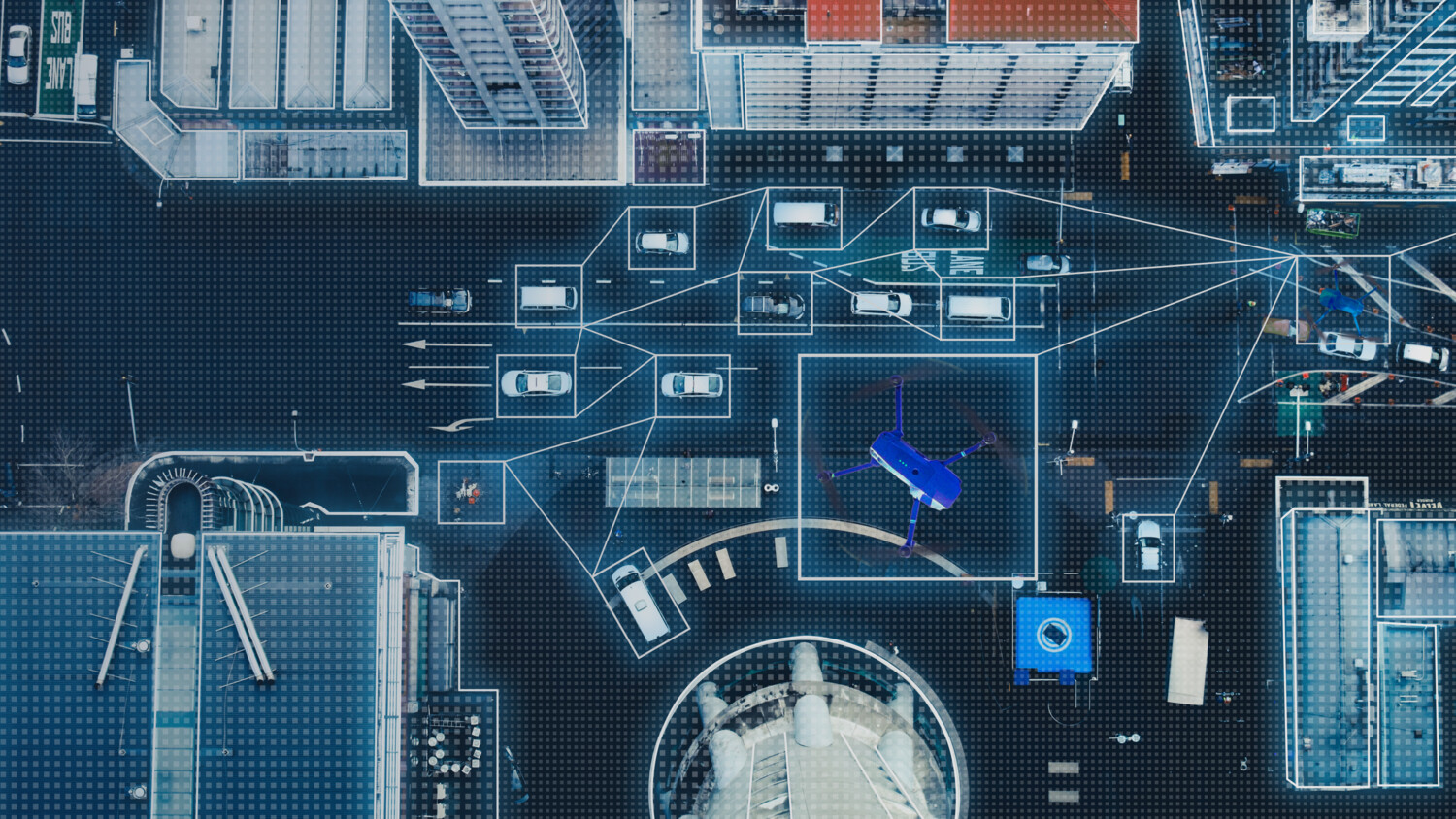
Moving forward, it will be even more important for enterprises to have the tools to proactively innovate and adapt their business models to handle disruptive events better. By having the required innovation capabilities and financial muscles, enterprises will be able to do so before the crisis occurs. Being data-driven and agile will enable companies to adjust their offerings quickly, shift to new target groups or change how their offerings are being brought to market.
During the COVID pandemic, e-commerce sales skyrocketed17. Many traditional bricks-and-mortar retail companies have responded by switching at least part of their sales from physical to e-commerce. According to Eurostat, the COVID-19 pandemic pushed 12 percent of EU enterprises to start or increase sales online18.
Another factor in accelerating innovation and business model evolution is the vast and continuously expanding global availability of developers, applications, and open APIs. There are, for example, countless applications that provide guidance on how to increase resilience, ranging from apps that teach individuals to handle stress better to risk assessment and business continuity planning apps. The importance of having ubiquitous, high-speed, low latency connectivity for these apps aligns well with the fact that 61 percent of decision-makers and 53 percent of employees firmly believe 5G networks will be an essential innovation platform for their work.
The path ahead
The COVID-19 pandemic has demonstrated to companies the importance of thinking outside the box and being prepared for the unforeseen. At the same time, the definition of resilience has widened for enterprises – from a focus on individual disruptive events to a broader perspective where resilience is seen in the light of globalization, digitalization, and sustainability. Additionally, resilience preparedness is migrating from an internal focus on actions within each company to a broader collaborative societal preparedness.
Sustainability sits at the core of long-term resilience. Neither enterprise nor societal resilience can be achieved unless alignment and coordination between stakeholders are strengthened, and this is true also for sustainable development. Society must adhere to improved coherence of action at all levels, global, regional and national, to implement the UN development goals for a more resilient and sustainable world. Enterprises need to integrate sustainability and resilience into one long-term agenda and assess the strategy to reach those goals.
From a holistic view, enterprises and societies need to build more structural resilience to make it possible for companies to recover and come out stronger after disruptive events. Future disruptive events may accentuate ongoing societal changes, emphasizing the need for a proactive and long-term perspective on resilience. It is time to break the vicious circle of increased resource usage and create a virtuous circle of sustainable resilience.
It is time to rethink resilience!