Managing implications of new disruptions
Enterprises can enhance resilience through continuous learning and proactive strategies, including an increased focus on digitalization and ICT tools.
The lifecycle of preparedness
Anticipating and preparing for upcoming risks and events is high on the agenda for many of the surveyed enterprises. Larger organizations that have succeeded in this area have the financial muscle to assemble cross-functional teams that develop analytic solutions for faster responses to changing situations, emerging risks and issues, and anticipated events. New, emerging practices also include applying advanced use cases in data and analytics, such as nowcasting – forecasting the near future, present, and even the recent past using frequently measured indicators.
Preparedness may involve analyzing and identifying the risk of disruptive events (before they happen), proactively preventing the impact of disruptive events (before they happen), mitigating the impact of disruptive events (while they are happening) and finally recovering from disruptive events (after they have happened) (figure 6).
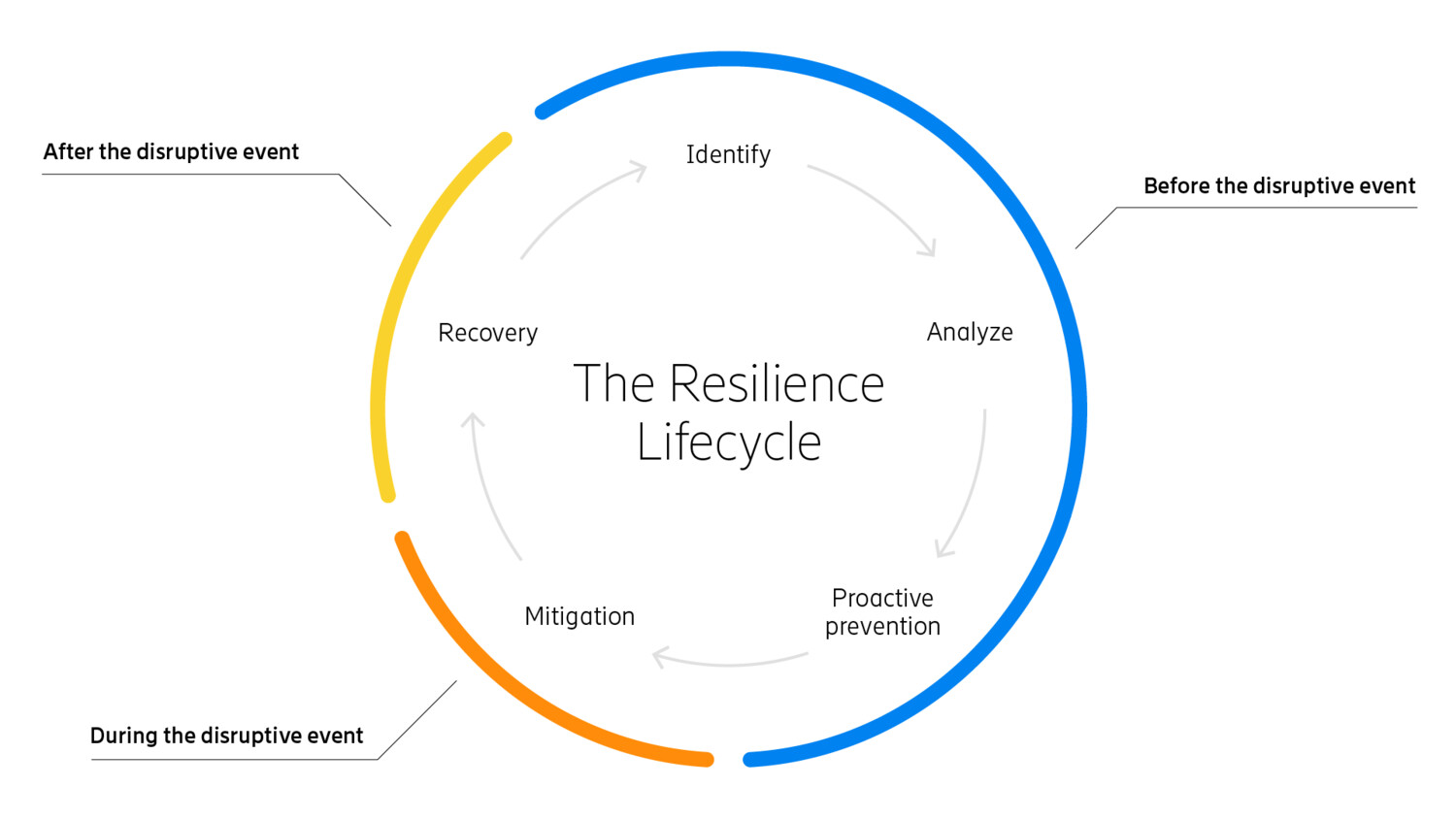
Figure 6: The resilience lifecycle
Nonetheless, traditional preparedness will not be enough going forward. Many of the interviewed companies said the most critical lesson learned since the pandemic was to be prepared for the unexpected – requiring a balance between preparedness and having pre-made plans versus being agile and nimble. In that sense, preparedness will be more about having the right building blocks to have an optimal mix of flexibility and traditional preparations.
Understanding the full impact of an event
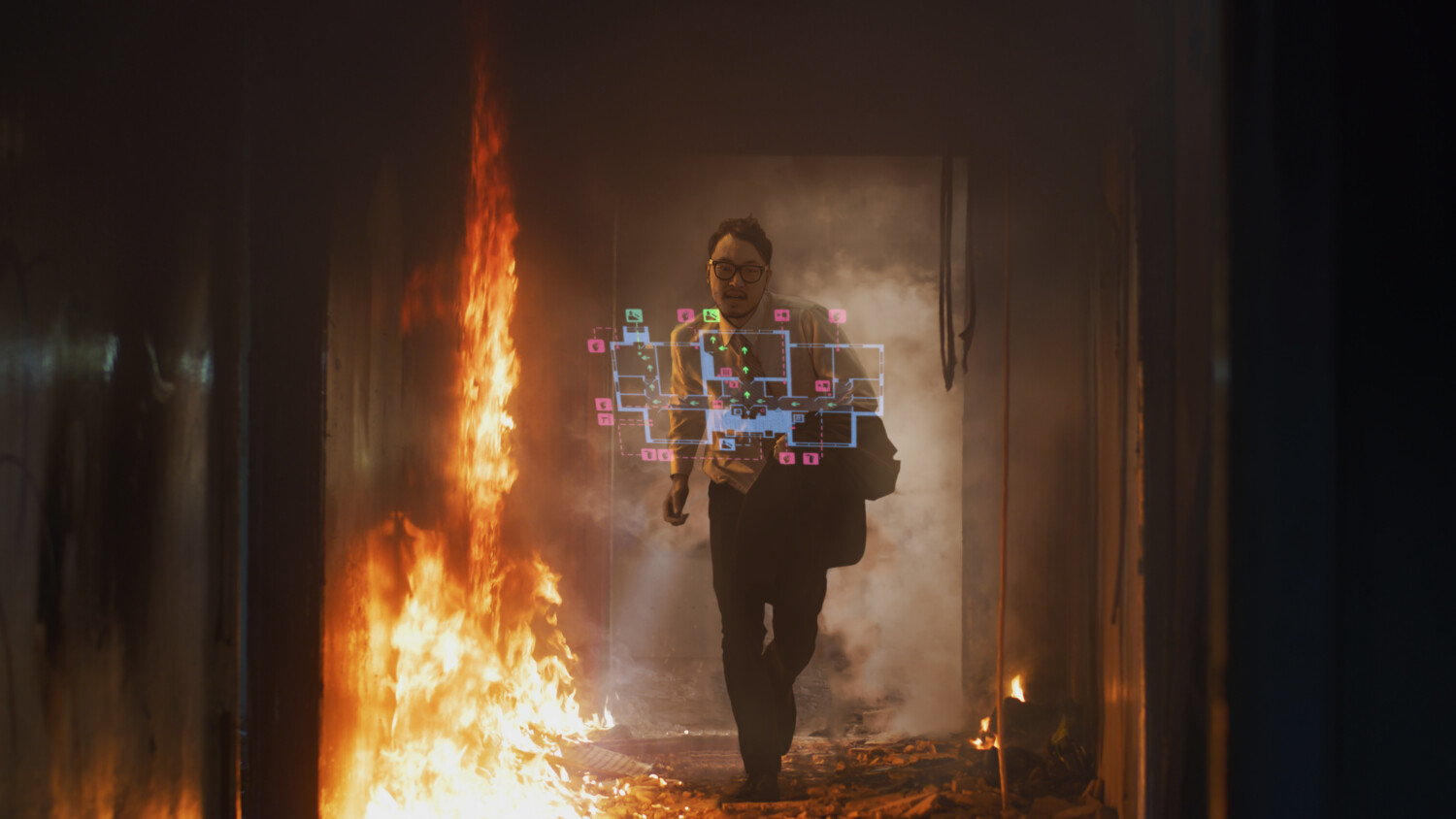
A common way for enterprises to prepare is to have exercises, drills and training where employees are placed in unexpected situations to test their capabilities, as actual disruptive events are not planned for and may happen very quickly.
At the same time, it is hard for enterprises and their employees to fully grasp the full impact of disruptive events if not experienced. Decision-makers in this study agree they need help understanding the implications of new disruptive events. Technologies such as AI, Internet of Things (IoT), AR/VR and cloud solutions may aid enterprise preparedness. In our survey, we asked both decision-makers and employees about the benefits of seven ICT powered concepts that could help enterprises to become more resilient (figure 7: Illustration of resilience concepts below).
Resilience concepts
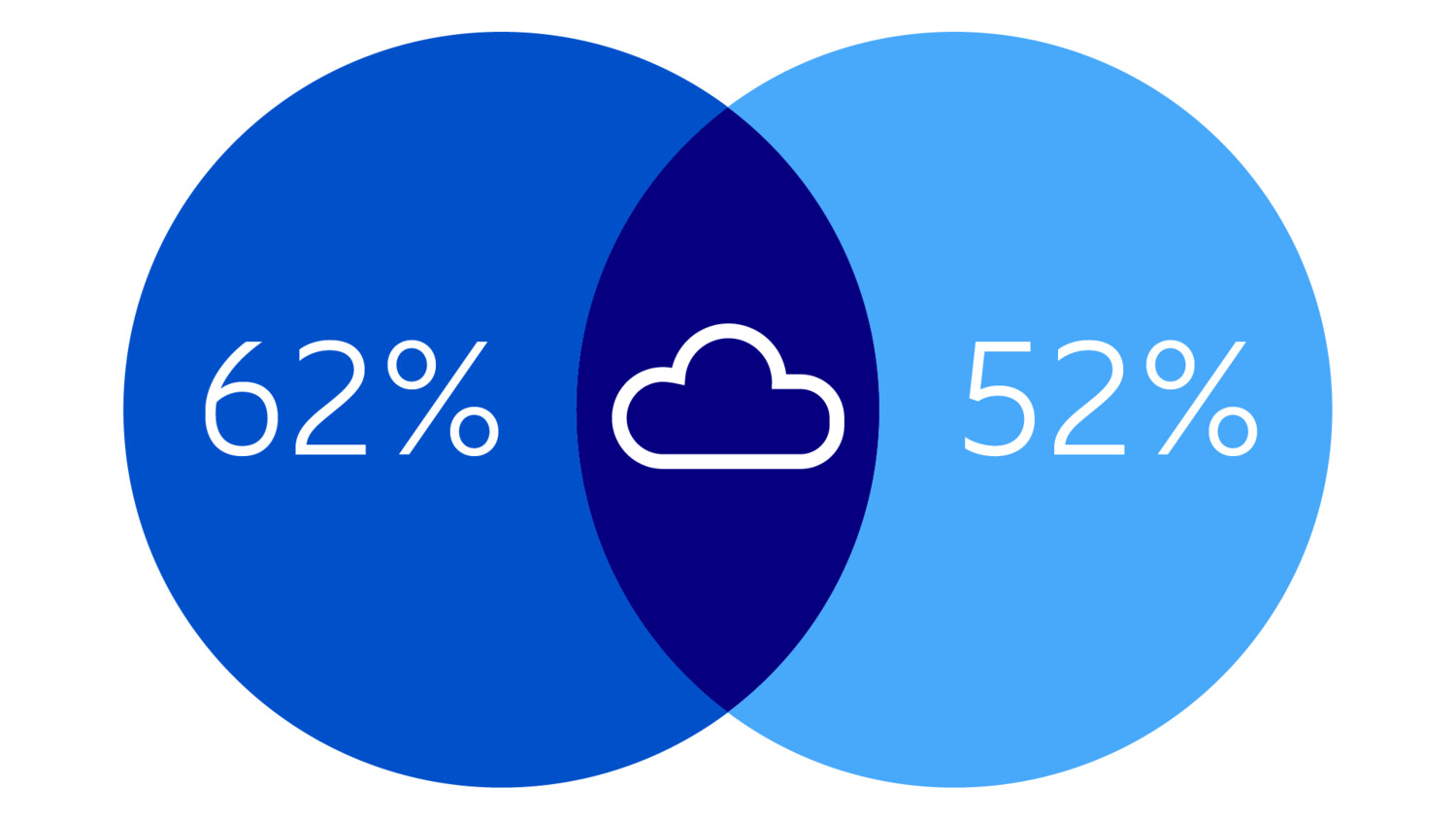
A cloud-based anti-fraud system with connected sensors and smart algorithms that can detect and resolve any digital fraud with minimum downtime.
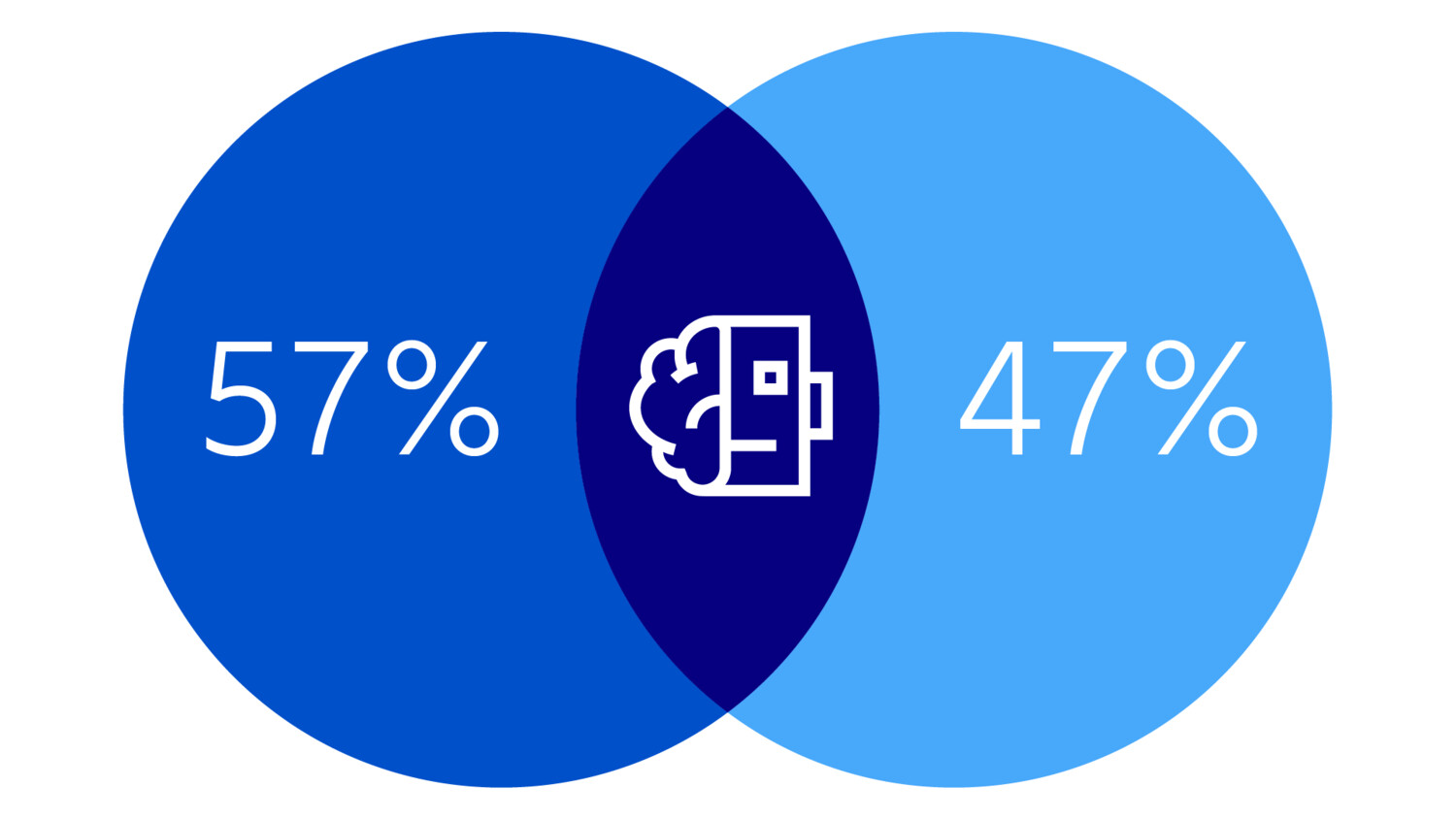
AI-based service that learns from previous events and provides early preventative recommendations or early warnings of disruptive events.
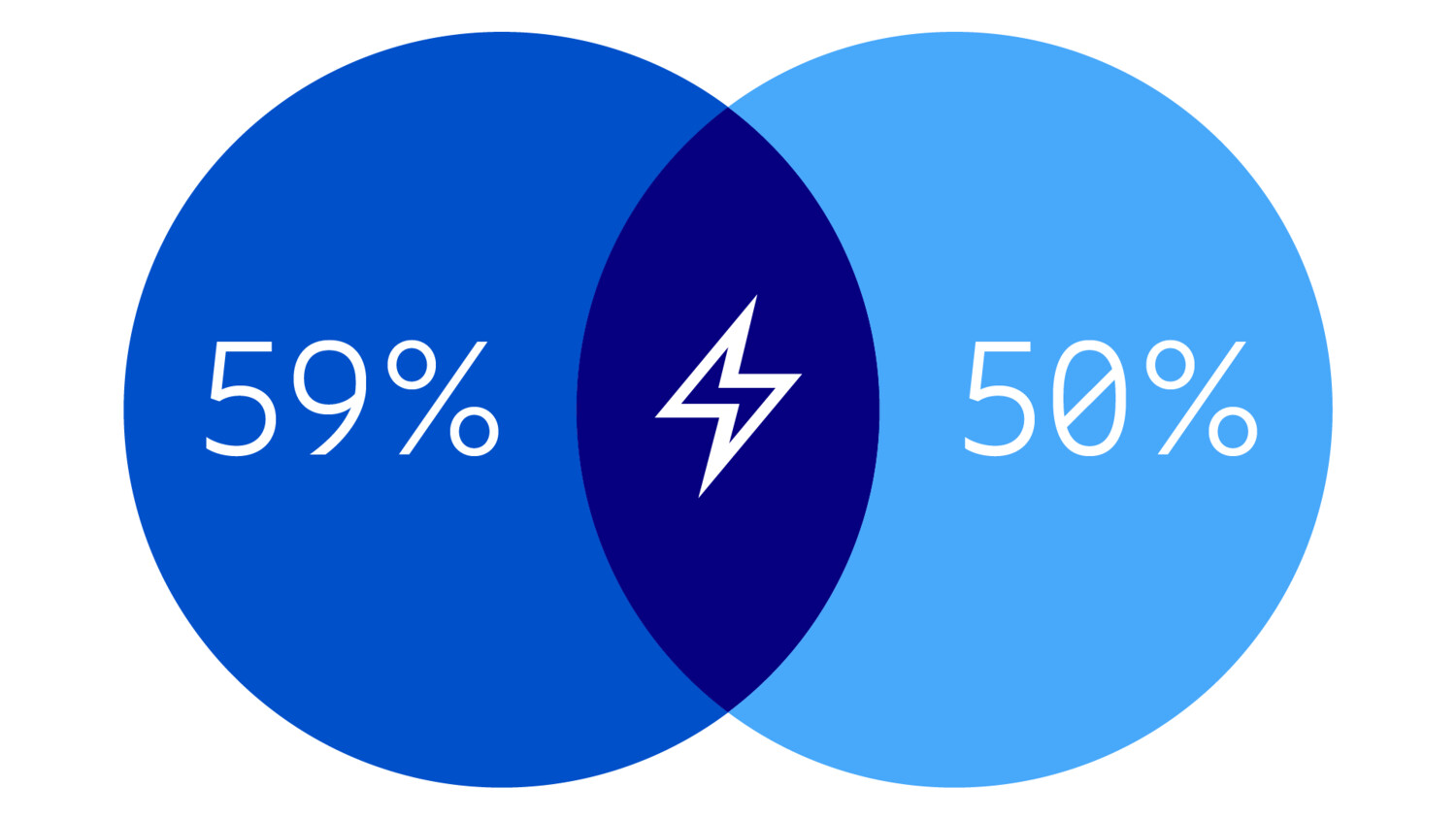
A smart energy application that, using historic data and energy price fluctuations, can calculate and recommend the best energy option to become resilient and sustainable.
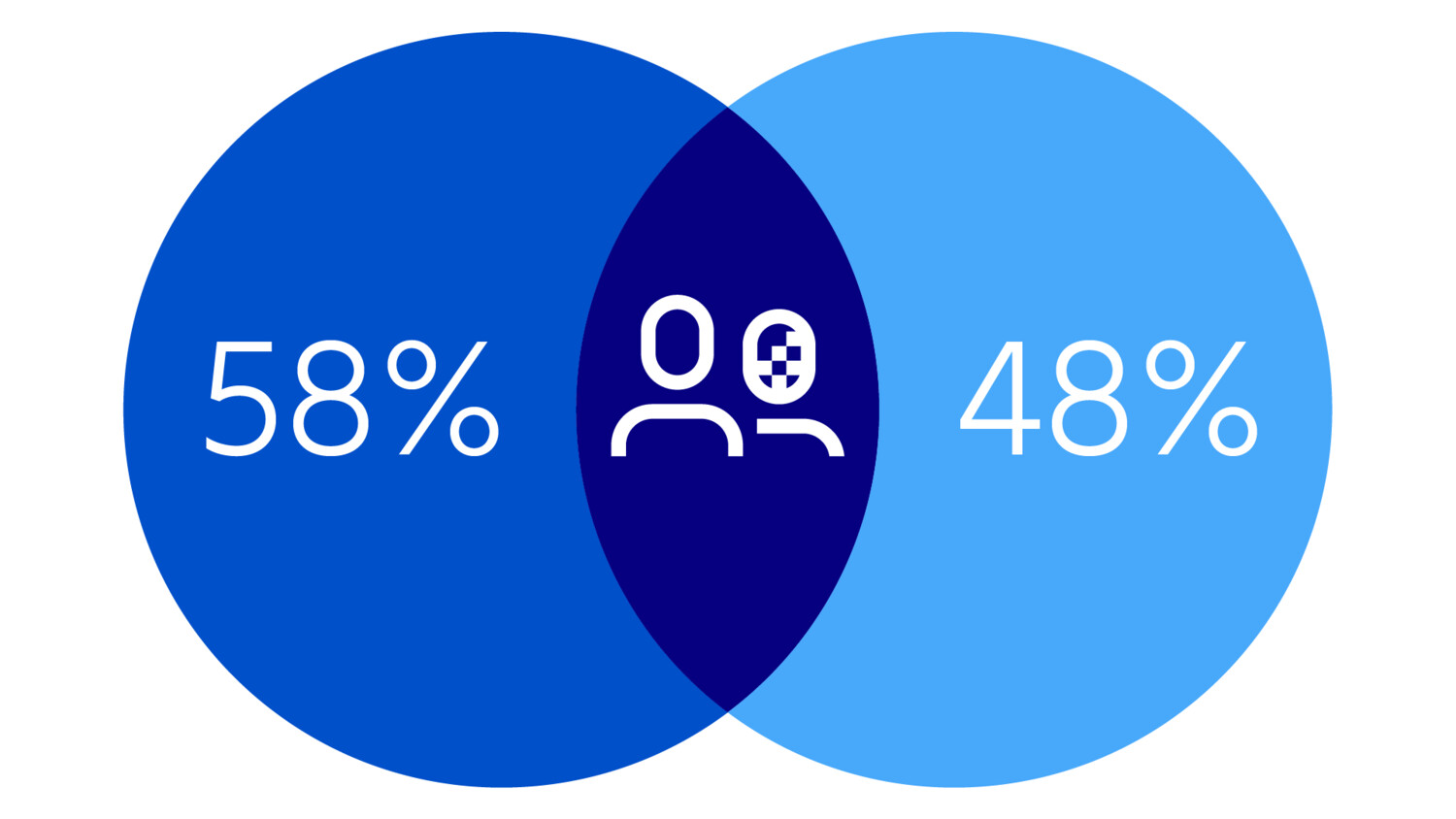
A digital twin of all the company's physical and digital resources (stored in the cloud) that can enable the company to relocate in times of disruptive events and crises.
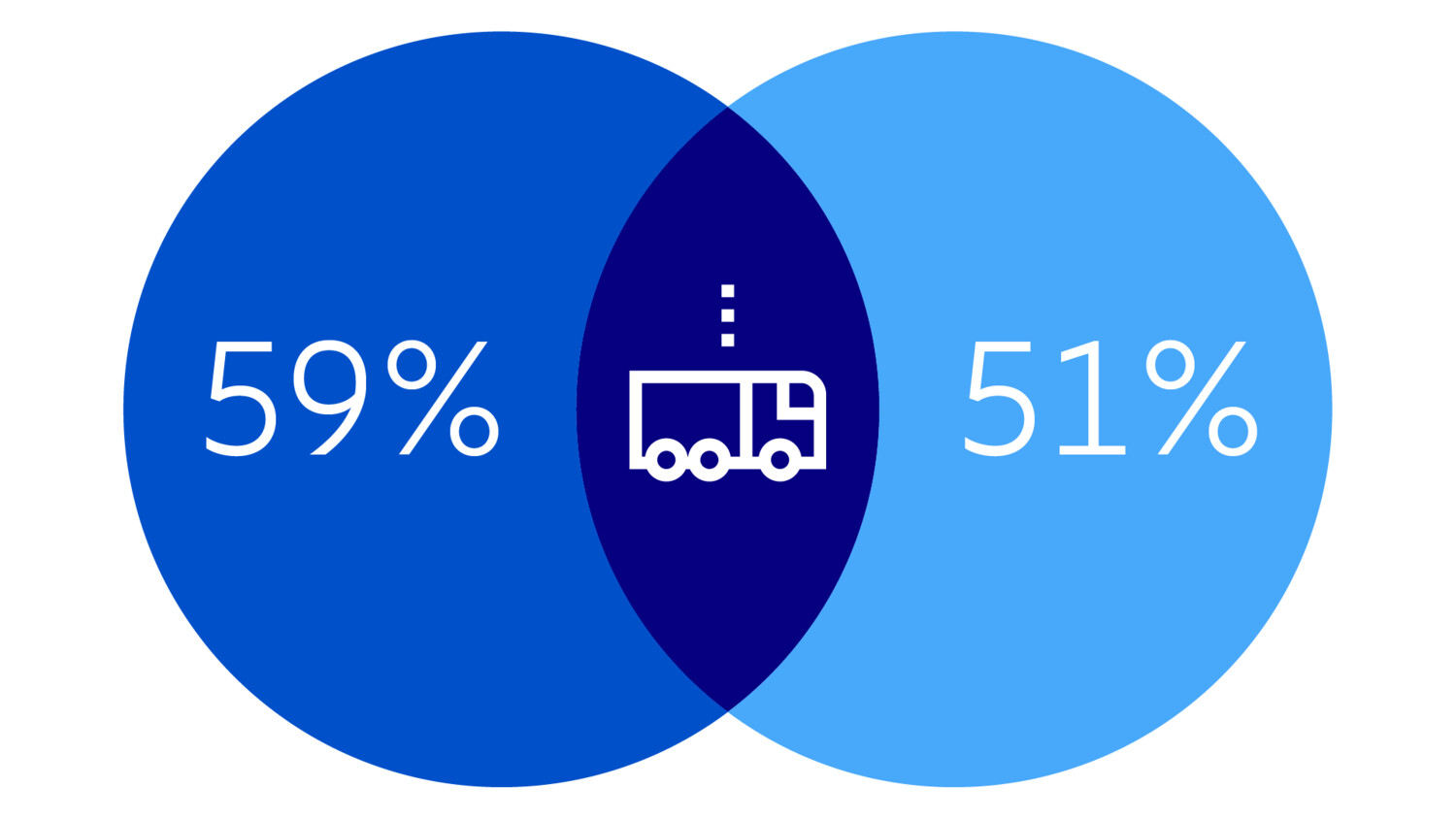
A supply chain tool that constantly searches for alternative suppliers and the best route options for efficient delivery.
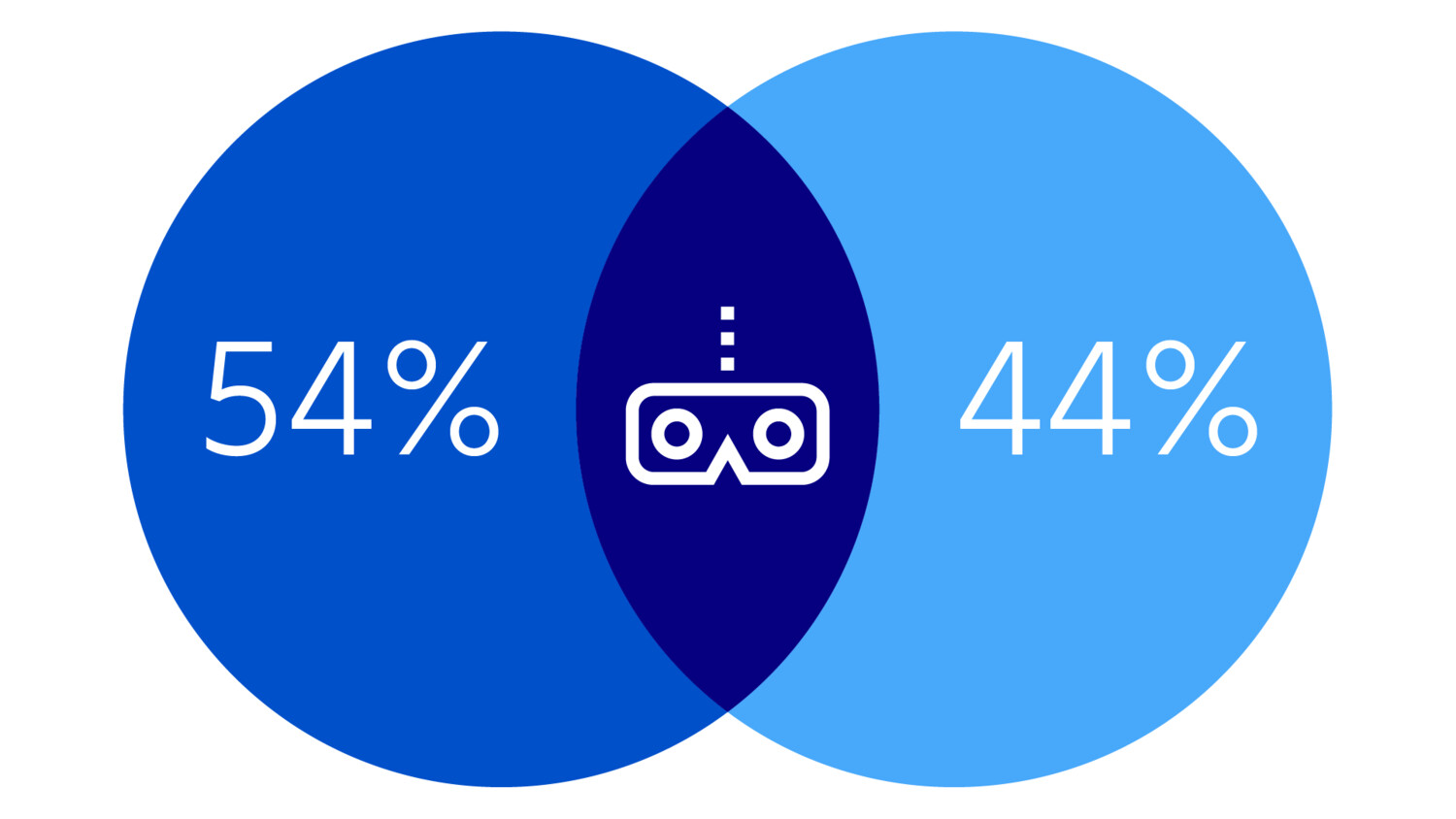
A virtual reality (VR) training system that teaches employees how to handle disruptive events and crises.
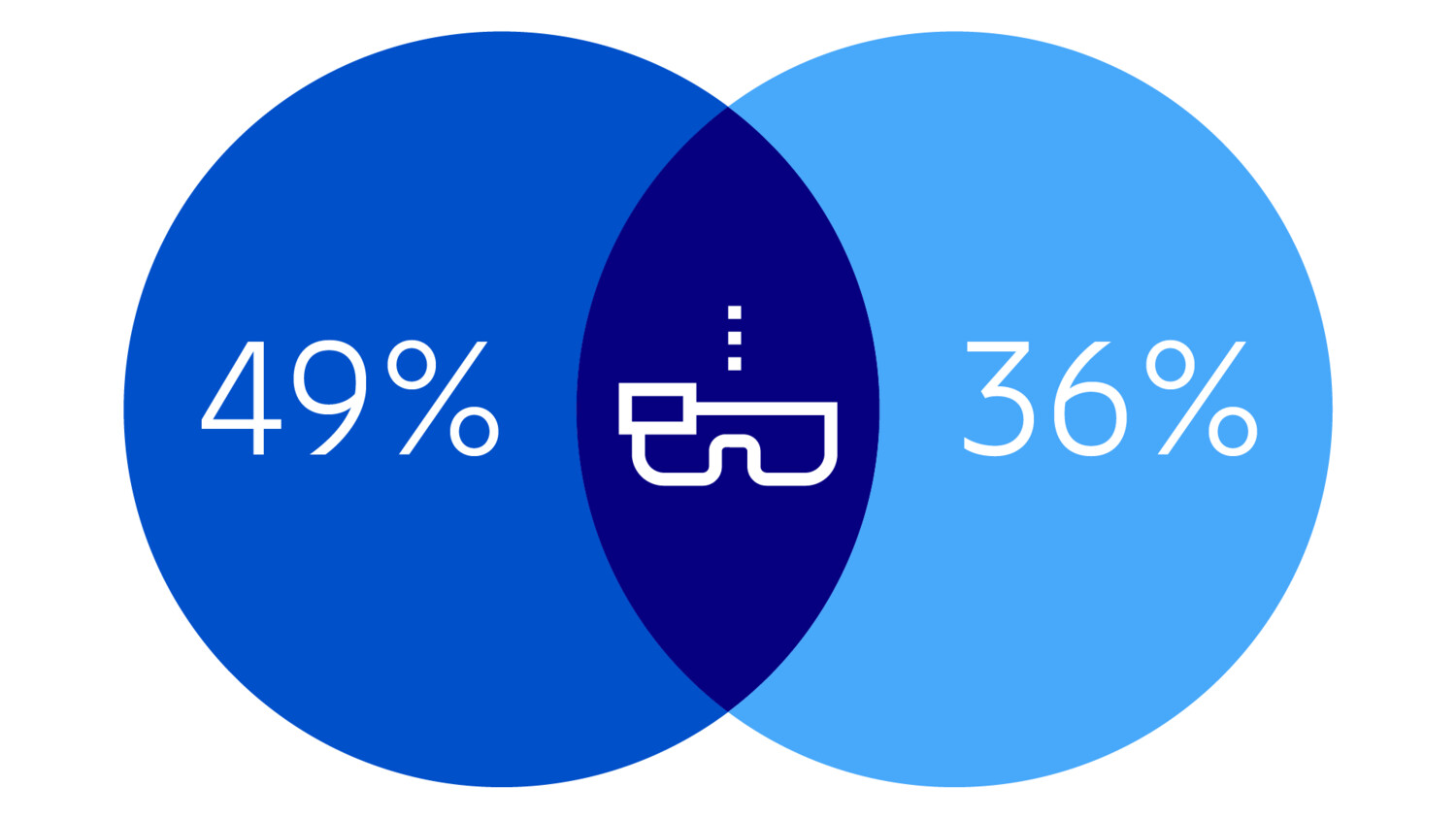
Augmented reality (AR) or virtual reality (VR) glasses that provide an immersive experience of, for example, the office when you are not able to go to your normal workplace.
Technologies which use AR/VR may be beneficial in creating immersive experiences that would increase understanding of the effects of disruptive events and possible ways to tackle them – like providing realistic yet safe simulations that take training to a new level. Around 54 percent of decision-makers want a VR training system that teaches employees how to handle disruptive events and crises. Advanced machine learning and AI may also be beneficial. We also found that 57 percent of decision-makers want an AI-based service that learns from previous events and provides early preventive recommendations or warnings of disruptive events.
Examples of organizations using technology to train for disruptive events
- Los Angeles police department: Implemented virtual reality to train officers in a new way12. The system monitors each individual's heartbeats, eye movements and stress levels during the training.
- New York city office of emergency management: Used AI to build a replica of New York city. Command element simulation allows trainees to navigate the virtual city with a joystick.
Private-public collaborations
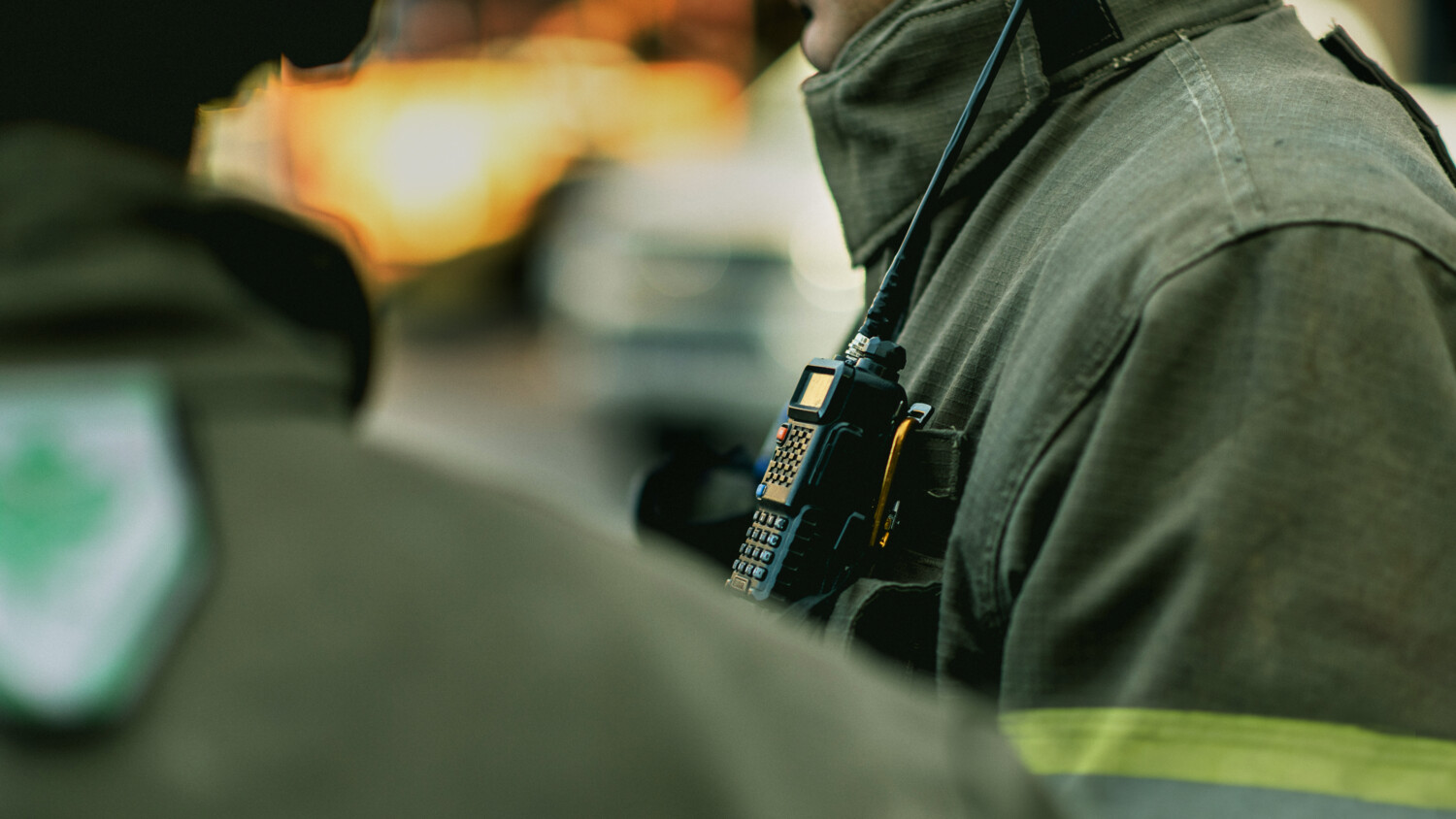
During the Covid-19 pandemic, national governments and municipalities were crucial in handling the crisis, saving lives and reducing the economic impact on enterprises – manifested in the form of furlough schemes, emergency loans and financial support. Over half of the surveyed employees received at least one type of societal support during the pandemic. Decision-makers expressed gratitude for the efforts made but also pointed out that more can be made in the future, especially if they are to withstand the full impact of disruptive events. In fact, 89 percent of decision-makers and 83 percent of employees say it is imperative for society to provide support during disruptive events.
When demand and supply change quickly and unexpectedly (as they did during the pandemic, the "Ever Given" ship blockade of the Suez Canal, and the Russian invasion of Ukraine), market-based systems frequently fail to keep up. It is, therefore, not difficult to understand the importance of the emerging trend of partnerships focused on resilience, both on the local and global levels. Strong partnerships (public or private entities) support stronger societal resilience. Close to 6 out of 10 employees think well-functioning cooperation with partners, suppliers, and other collaborators is key to building resiliency in their organization.
Information sharing and cooperation between enterprises and society are important considerations in building resilience. An increasing number of cities are committed to reducing local risks and are creating resilience and crisis preparedness strategies. These cities are also taking action to enhance their understanding of localized and systemic risks. Dependencies on public infrastructure such as water and electricity supply and cellular and internet services cannot be overstated. Overall, 7 out of 10 decision-makers say public infrastructure must be able to withstand disruptive events. Amongst the most resilient enterprises, this number jumps to around 9 out of 10.
Examples of partnerships for resilience building
- The London Resilience Partnership13 helps facilitate connections and foster exchanges and collaborations among cities and organizations that make cities resilient.
- Two ongoing city-lead public-private collaborations are Resilient Cities network14 and Making cities resilient 203015.
- In the US, the Chicago first16 was mentioned by decision-makers in this study. ChicagoFIRST is a nonprofit association that provides critical firms a collaborative forum to address private sector resilience and emergency management planning and response with relevant local, regional, and national public sector agencies.