










Your guide to evolving to 5G Core with full efficiency

Strategic Marketing Manager 5G Core
Strategic Marketing Manager 5G Core
Strategic Marketing Manager 5G Core
The core network challenges on the path to 5G
Throughout all critical shifts in technology, communication service providers (CSPs) will share one key challenge: efficiently managing total cost of ownership (TCO). During migration period, new and existing systems need to effectively coexist in an effective way for many years. At the same time, more efficiencies need to be made to capture new business opportunities.
Figure 1 summarizes some of the main challenges service providers are currently facing which could be exacerbated during the transition from Evolved Packet Core (EPC) to a 5GC network. face today and that will get exacerbated when transitioning from EPC to 5GC System.
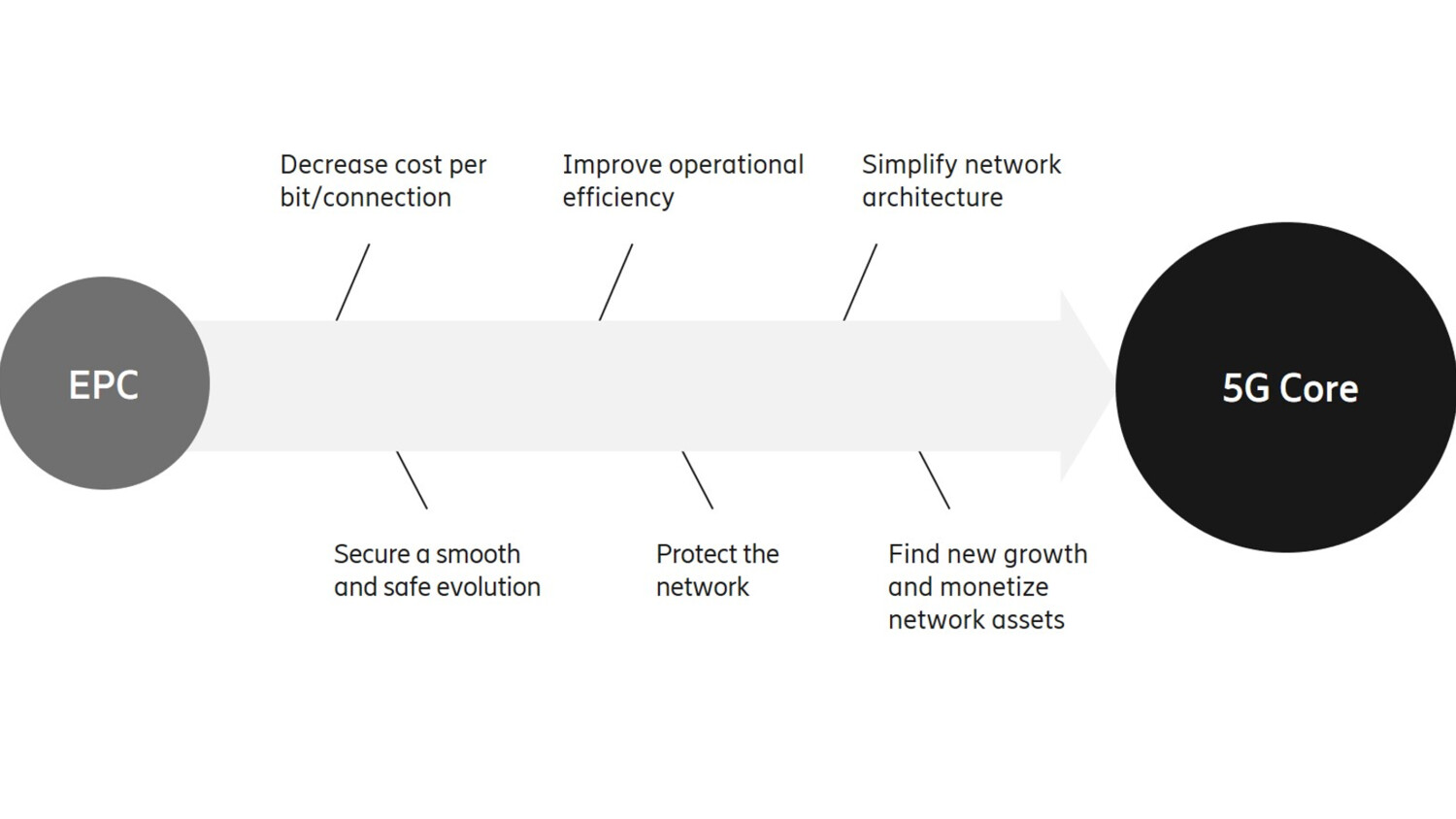
Figure 1 – CSPs challenges on the path to 5G
One core – endless possibilities: Ericsson’s dual-mode 5G Core
During the core network transition phase, the new 5GC will live together alongside EPC. In this scenario, a “one core” solution for multi-access and services is imperative to achieve full network efficiency. Managing the existing EPC Evolved Packet Core (EPC) networks and the Cloud native 5G Core networks separately would not only increase CAPEX inefficiencies but also increase the level of complexity to operate and manage the core network drastically. The increased network complexity of having two separated networks would also make it harder to monetize the network.
With that thinking in mind, in 2019 Ericsson released the dual-mode 5G Core, a cloud-native solution that delivers both EPC and 5GC 3GPP architectures in a common operation and maintenance (O&M) platform. This allows for a multi-access and programmable 5G Core solution, including support of 5G NR (non-standalone and standalone) deployments, as well as all previous generations.
The solution incorporates Packet Core, Unified Data Management (UDM), Policy Management and Signaling Controller network functions (NFs) delivering all network functionalities expected from a 5G Core network. These NFs are grouped into eight different products for high efficiency, and in accordance to the services they provide to the network, as seen in figure 2.
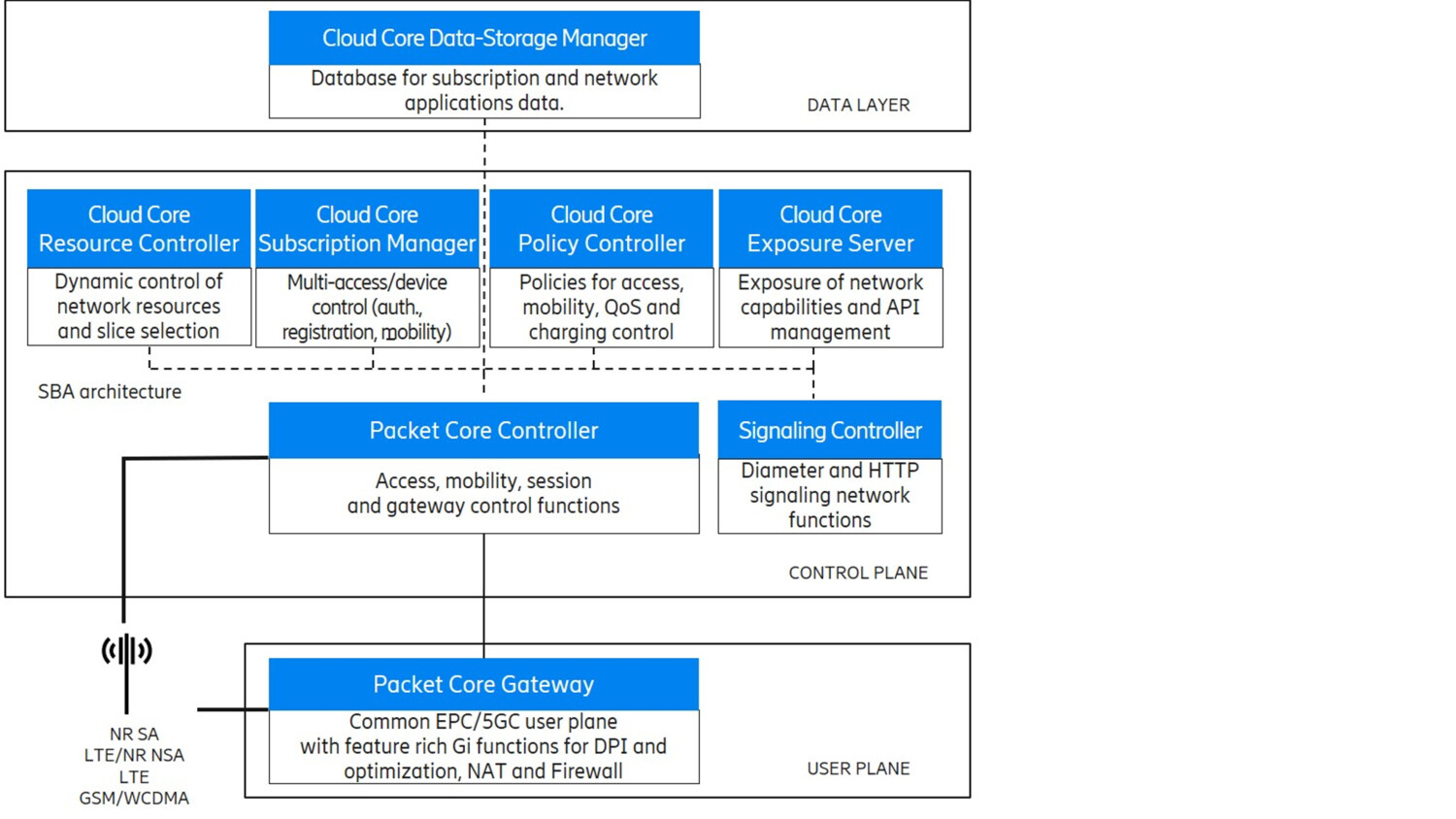
Figure 2 - Ericsson’s dual-mode 5G Core portfolio
Moreover, Ericsson’s dual-mode 5G Core includes additional integrated network capabilities for enhanced network ensuring security, programmability and high user plane efficiency, such as:
Network exposure capabilities for business innovation: The Cloud Core Exposure Server (CCES) product enables the aggregation of 4G and 5G network Application Programming Interfaces (APIs) and the ability to compose into service APIs. These service APIs can be designed around concrete use cases that service providers want to address in the market, enabling them to securely expose and monetize the core network.
Packet Core Firewall for higher security in the core network: The Packet Core Gateway (PCG) product offers a tightly integrated Packet Core Firewall solution providing a fusion of User Plane security and advanced security functions, addressing security use cases in the mobile broadband and IoT segments.
Software probes for assurance, security and improved end-user experience: An inbuilt tapping and probing solution that eliminates the need for standalone hardware. This can dramatically simplify network architecture and improve operational efficiency, reducing CAPEX and OPEX.
For more details about Ericsson’s dual-mode 5G Core solution download our Solution description guide.
Evolving the core network from EPC to 5G Core
Although a one-core solution helps achieve high operational and business efficiency in 5G, the reality is that existing EPC networks will co-exist with the new 5G Core networks for a long time. The full transition may take some years and it can happen in different parts of the network at different stages. There are several paths to a 5GC network – and no journey to 5GC will be the same. Each will have a different starting point and include different objectives in terms of new technology introduction, use cases and time frames.
The chosen solution to build your 5G Core network needs to offer stepwise and domain-independent migration possibilities while delivering concrete benefits along the way. To enable a smooth transition, we have redesigned our EPC software, which is based on microservices, to be fully cloud native while maintaining feature parity toward the installed base. This allows service providers to invest in extra 4G capacity today or deploy extra capacity for the launch of 5G NR non-standalone (NSA) services, while at the same time investing in a future-proof technology that will be fully re-usable when migrating the customer base to 5G NR standalone (SA). The new cloud-native EPC NFs can also fully co-exist with virtual NFs (VNFs) and even physical NFs (PNFs) in the same core network. They can also share the cloud infrastructure used for existing network function virtualization (NFV) deployments.
Taking a more holistic view on the evolution, we have highlighted seven building blocks service providers CSPs should consider when defining the evolution plan to their core networks as shown in Figure 3.
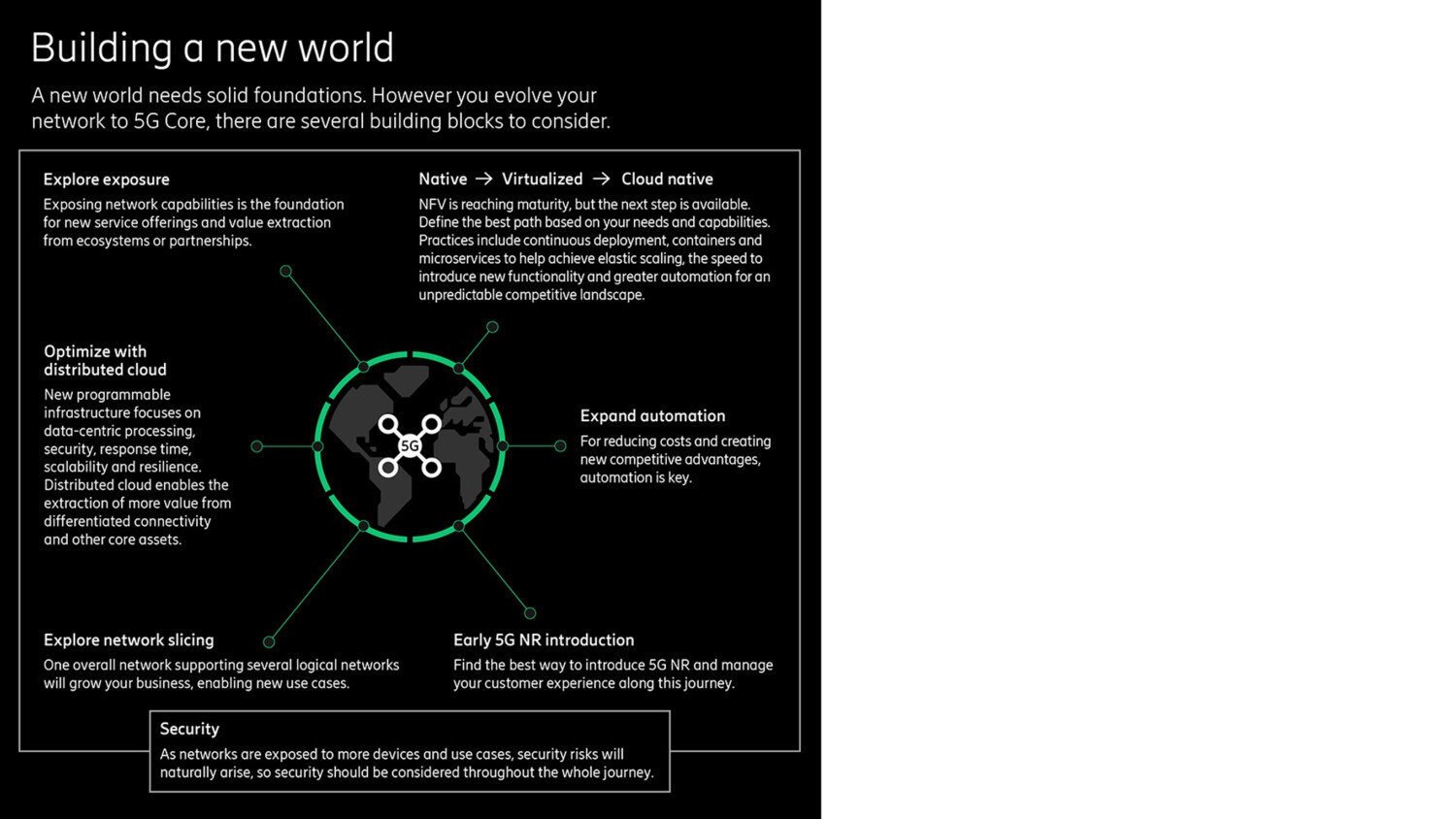
Figure 3 - Building blocks for the evolution to 5G Core
We recommend dividing a 5G project into these key building blocks. Their order is not chronological, but they are all important areas to consider in parallel or in a different order, depending on your needs and strategy.
Do you want to learn more about these building blocks and the capabilities offered by our dual-mode 5G Core solution which support a smooth evolution journey into 5G Core? Download our guide to evolving from EPC to 5G Core
Managing TCO with efficiency during migration
As I mentioned in the beginning of this post, a big challenge for service providers is to manage TCO efficiently, and this becomes even more relevant during big technology shifts.
Ericsson’s dual-mode 5G Core solution can significantly reduce core network CAPEX and OPEX in the. user plane (UP), control plane and data layer footprints. It can also deliver substantial integration cost savings when expanding already deployed nodes with new network functions on (e.g. deploying 4G NFs in already deployed cloud-native nodes for 5GC NR SA).
The core network OPEX and CAPEX savings enabled by the capabilities of our dual-mode 5G Core (as highlighted in Figure 4), can potentially enable more than a 50 percent reduction in the network TCO when compared to expenditures in the legacy core network (that is, EPC). This significant cost reduction will be reached over time, based on the speed of adoption of each capability and the characteristics of the evolution path selected by each service provider to move from EPC to 5GC for standalone NR.
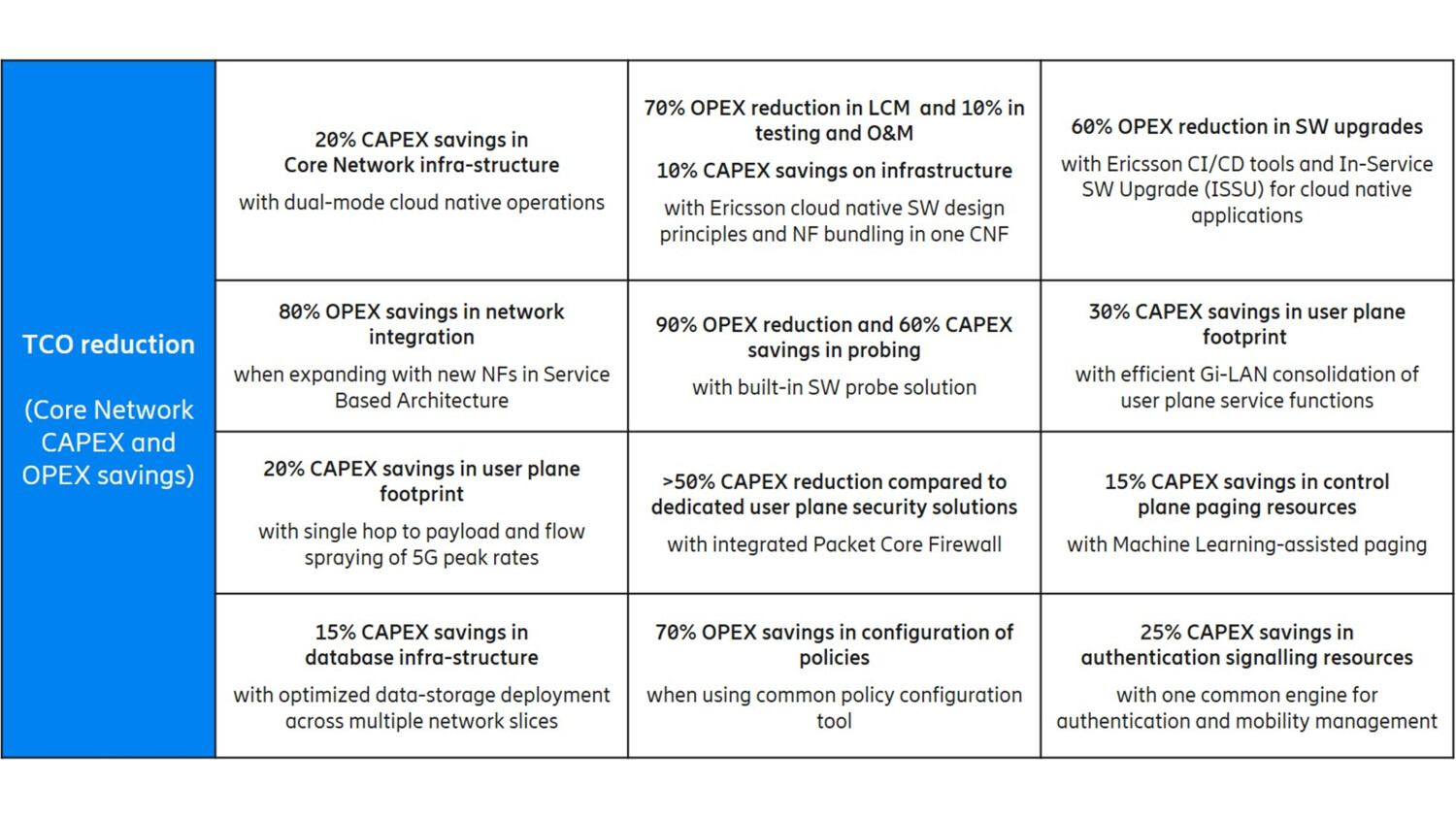
Figure 4 - TCO reduction opportunities with dual-mode 5G Core
An example can be seen in the next figure where we can observe, at first, a smaller TCO reduction when evolving the EPC network to support 5G NR non-standalone (NSA). When introducing 5GC, and growing the number of 5G subscriptions, we should expect a TCO increase due to the coexistence of two separated core networks (EPC and 5GC). However, when migrating toward the dual-mode 5G Core to consolidate 5G and 4G users in a single, common Core, a drastic TCO reduction of up to 50 percent can be seen.
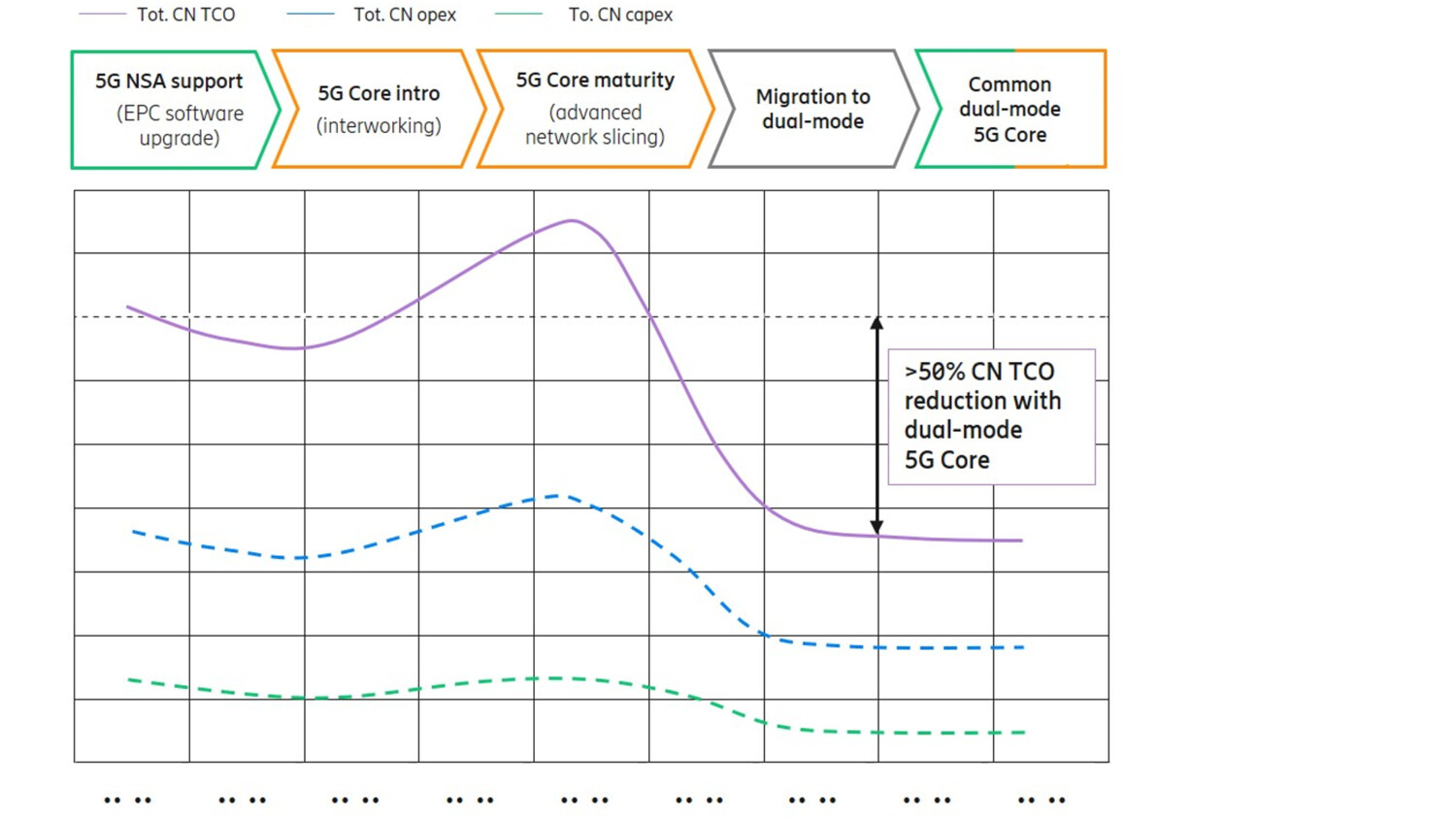
Figure 5 - TCO evolution during the migration to dual-mode 5G Core
Do you want to know more details about how these potential TCO savings from Ericsson’s dual-mode 5G Core solution are achieved? Download our guide Dual-mode 5G Core: TCO benefits
The journey to 5G Core won’t be quick or simple, but it will be exciting, and it will take us into a completely new era of mobile communication. It will be based on an agile network platform capable of delivering a myriad of new services to consumers in a speed never seen before. If you choose the right solution, this platform can be built in a stepwise way, and deliver tangible benefits on each step of your chosen journey.
Want to know more?
This post is part of our guide to building a Cloud native 5G Core blog post series, where we outline six strategic areas that forms the foundation to a cloud-native core network capable of unleashing the full potential of 5G. Investing time in these topics will make you better equipped to plan, deploy and manage your new network for business success.
Continue reading the complete guide to dig deeper into each of its topic areas.
Read the previously released blog posts of this series:
Building a cloud native 5G Core: the guide series
Your guide to building a cloud native infrastructure for 5G
Your guide to enabling voice services in 5G networks
Your guide to 5G network automation and zero touch
You guide to transforming network operations on the journey to 5G
Your guide to end-to-end security when introducing 5G core
Read more about Network automation
Read more about Core network