










Your guide to subscriber data management on the journey to 5G

Strategic Marketing Manager 5G Core

Head of Marketing and Sales Readiness for UDM, Policy and Exposure
Strategic Marketing Manager 5G Core
Head of Marketing and Sales Readiness for UDM, Policy and Exposure
Strategic Marketing Manager 5G Core
Head of Marketing and Sales Readiness for UDM, Policy and Exposure
When planning the evolution to a 5G Core (5GC) network, it’s easy to look at it as just a single “chunk” of the core network, but a network evolution plan to 5GC could (and should) tackle some domains separately, or group them. If we look at the 5G Core network architecture, it includes user plane, packet core control plane, subscription data management (SDM) control plane, data layer, policy control and Network exposure domains. Each of these domains will play its own vital role in the overall core network, ensuring 5G use cases reach their full potential – and each will have their own challenges, solutions and paths to follow on the 5G evolutionary journey that can be quite diverse from each other.
While much has been already written on the user plane and packet core control plane, the 5G SDM control plane and data layer are sometimes overlooked. It is time to give the proper attention that these vital domains of a 5GC network deserve; and to explain how the traditional SDM solutions in 4G can evolve into a Cloud native Subscription and Data Management (cnSDM) capable of addressing the needs from both 4G and 5G networks and services.
To address this gap, we’ve prepared the paper cloud-native subscription and data management in 5G – which is a guide to mastering data and subscribers’ handling in multi-access core networks. In this blog post we highlight some of the insights from this paper, but it contains much more so don’t forget to download and read the guide.
The roles of SDM in 5GC architecture
The 5G network creates new needs in terms of both the variety of data which can be stored and managed in the core network, and new use cases to be handled for subscriber authentication and service authorization across the different network domains. Therefore, traditional SDM domains need to step forward, implementing new solutions to handle a wider number of data types in a unified way, and make them available where needed, when needed, and with the right level of accesses, speed and security.
The cnSDM solution in 5G must also handle the increased complexity in the control plane, driven by different service options consumed by multiple types of devices, across many sub-network domains – each with a specific business need. Finally, the cnSDM solution should support different deployment options, in order to efficiently serve network slicing and edge computing use cases while keeping the network’s total cost of ownership (TCO) as low as possible.
Why a cloud-native solution for SDM
A simple answer to this question is that the chosen 5GC architecture defined by 3GPP is based on cloud-native technology built on microservices. As a matter of fact, the new 5GC architecture is more than that as it introduces a service-based architecture (SBA) where a Network Function (NF) offers services to other NFs via application programming interfaces (APIs) that are encrypted for enhanced security. This architecture is based on IT principles not incorporated in previous generations of mobile core networks.
Taking a closer look, it is not so hard to understand that cloud-native technology is needed to fulfill the 5G promise. Cloud-native applications are assembled from a combination of individual microservices (small pieces of software). This architecture is highly modular. One microservice can be reused by many different applications, adding deployment scalability and accelerating software development. This will bring many benefits including:
- Software decomposition and improved LCM, allowing faster and simpler updates and upgrades in live networks
- Greater agnosticity between applications and underlying infrastructure, allowing more deployment flexibility, easier application and portability
- Higher levels of application resilience, allowing the system to cope with failures without the need for a full restart or service interruption
- High levels of orchestration and automation, reducing the need for – or time spent on – manual activities, due to capabilities like auto-scaling of microservices, auto-healing and automated tests
The granular decomposition of the software in multiple microservices makes a flexible bundling of different Network Functions (NFs) possible, with different functional characteristics within the same centralized engine. In this way, service providers can simplify the network architecture, reducing the number of nodes and interfaces. In addition, by leveraging on the state-less design and the auto-scaling, service providers can independently scale the cloud-native application at microservice level – securing optimal allocation of resources across different network domains and network slices.
Not forgetting that cloud-native deployments also offer higher levels of orchestration and automation including the in-service software update (ISSU) at microservice level, to significantly speed up the software upgrade and update activities by up to 70 percent when compared to the virtualized deployment.
Application resiliency is also highly improved in cloud native thanks to auto‑healing. This enables the termination of faulty cloud-native application instances, and instantiate new ones for higher availability and robustness.
The combination of all these technology aspects, enabled by cloud-native SDM, helps service providers minimize the total infrastructure, improve the operational efficiency and increase the level of data protection.
Tackling the data layer challenges in the evolution to 5G
Evolving to a cnSDM solution addresses new challenges from 5G and tackles old challenges in the SDM domain.
SDM solutions have evolved, moving from a monolithic to a data-layered architecture, and from physical into virtualized deployment. With cnSDM, we enter the third stage of evolution, into an SBA-based on cloud-native deployment.
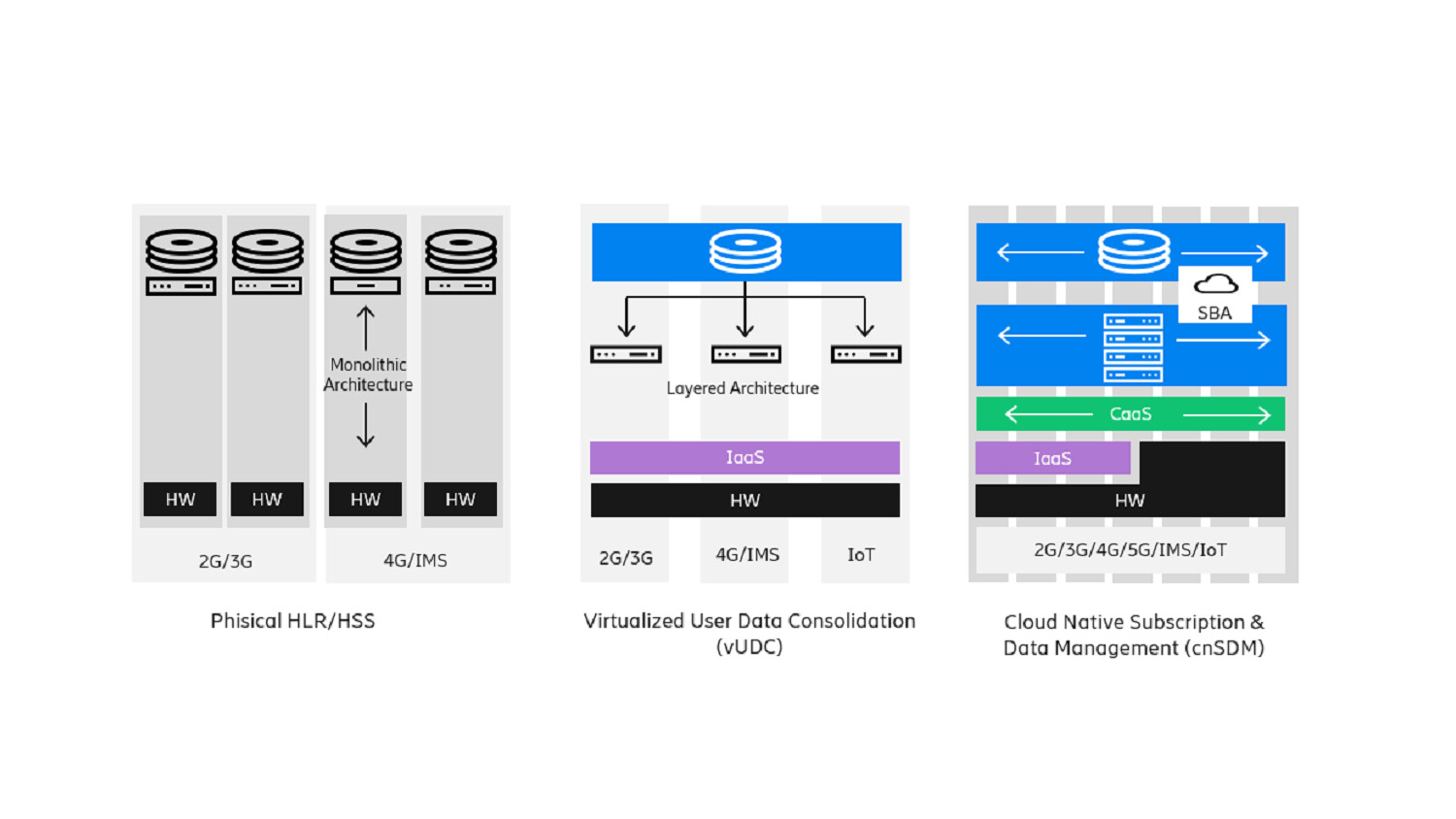
Figure 1: The evolutionary journey towards cnSDM
We cannot forget also that the 5G Core network will co-exist and work alongside existing 2G/3G and 4G core networks for years to come. This will lead to a hybrid network scenario that service providers will need to operate with throughout their migration to 5G.
The cnSDM in 5GC introduces a flexible SDM solution, where unified data storage and centralized subscription management services are split – thanks to the data-less application Front Ends (FEs) – and fully connected to the rest of the network entities through open and standard Service-Based Interfaces (SBI). Both are shared across multiple network domains and slices, covering many types of data (structured, unstructured, subscription, application, network configuration, session and exposure); multiple types of devices (SIM and non-SIM based); and multiple types of access (2G/3G/4G/5GNSA/5GSA).
The Ericsson’s cnSDM solution addresses the main challenges in the SDM area in ways that were not possible with the previous SDM solutions as it can be seen in the figure below.
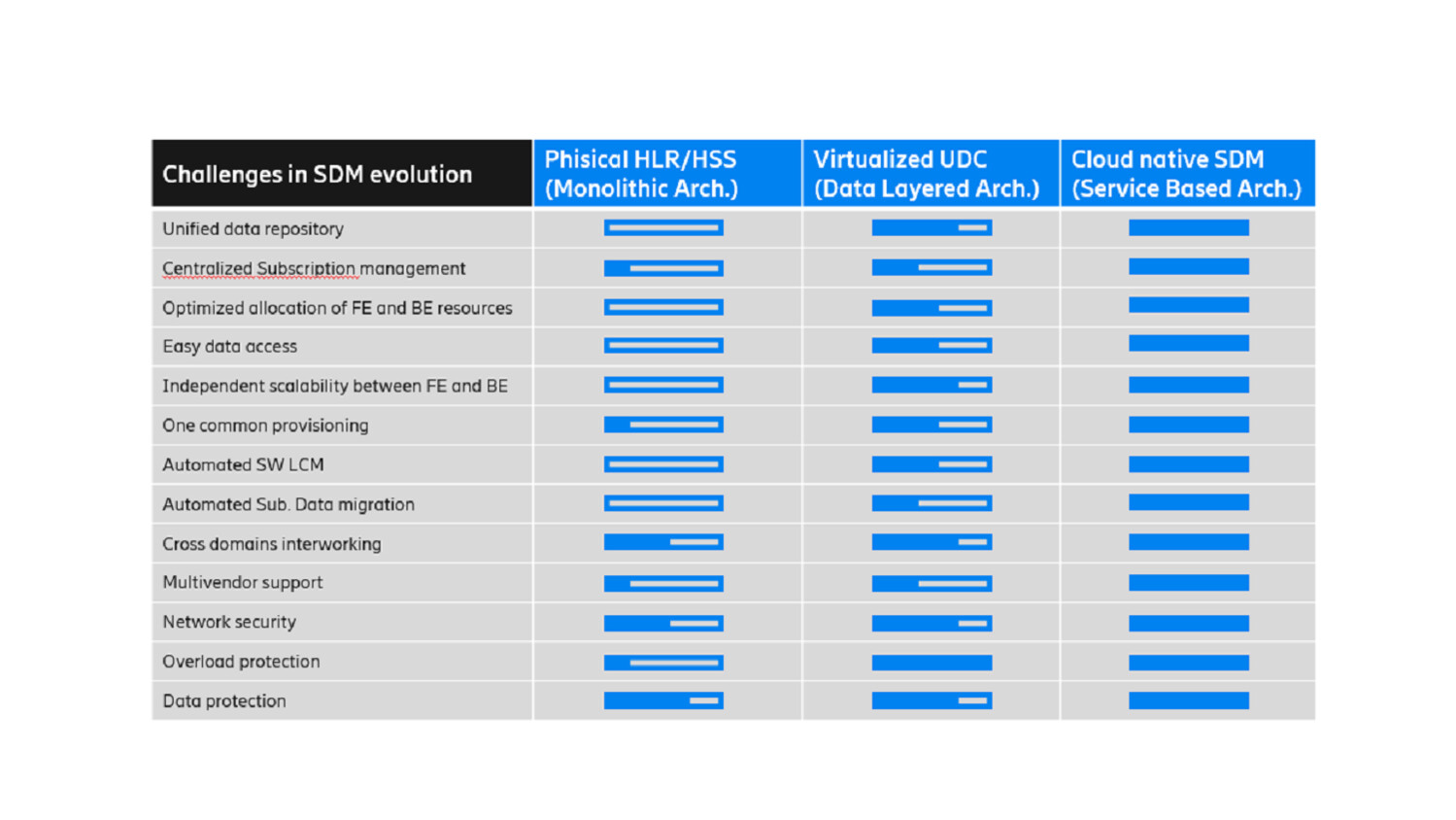
Figure 2: Main challenges in the SDM solution
The blue bars in the table of figure 2 indicates approximately how good each SDM solution can address each challenge. An empty bar (with white line) means that the solution is not addressing the challenge at all while a full bar means that it is fully addressing the challenge.
How to build an cnSDM solution for full network efficiency in 5G
Ericsson’s cnSDM solution is part of the dual-mode 5GC offering for a common cloud-native software platform that supports EPC and 5GC 3GPP architectures (see Figure 3). This allows for a multi-access solution, including support of 5G NR (NSA and SA) deployments, as well as all previous generations, in a single software platform for operational efficiency.
The cnSDM is based on two main network components: the Cloud Core Data-storage Manager (CCDM) based on the combination of UDR and UDSF network functions inside the same product for unified data storage; and the Cloud Core Subscription Manager (CCSM), based on the combination of UDM, AUSF, HSS, EIR NFs and HSM module, inside the same product for centralized subscription management.
The CCDM can support multiple types of structured and unstructured data, including multiple standard interfaces to connect both legacy and new 5G application FEs. This ability to act as one common data repository for all network domains can optimize the data storage resource usage by up to 20 percent, when compared to a scenario of coexistence between legacy and the new 5G database. It also includes a single provisioning engine for accesses.
The CCSM secures authentication consolidation and mobility management procedures in one common engine, to reduce up to 25 percent of the impact of signaling processing in the different application FEs. We can optimize the common microservice resources and reduce integration test activities by up to 10 percent, thanks to the flexible bundling of different application FEs in the same CCSM product.
Finally, the cnSDM solution implements a built-in automated migration procedure ensuring automated subscriber data migration from legacy Ericsson databases into the dual-mode cloud native common repository. When compared to the traditional data migration activities in legacy SDM solutions, service providers can safely migrate double the number of subscribers per day, at any time (not only during maintenance windows), and without stopping provisioning, or impacting traffic.
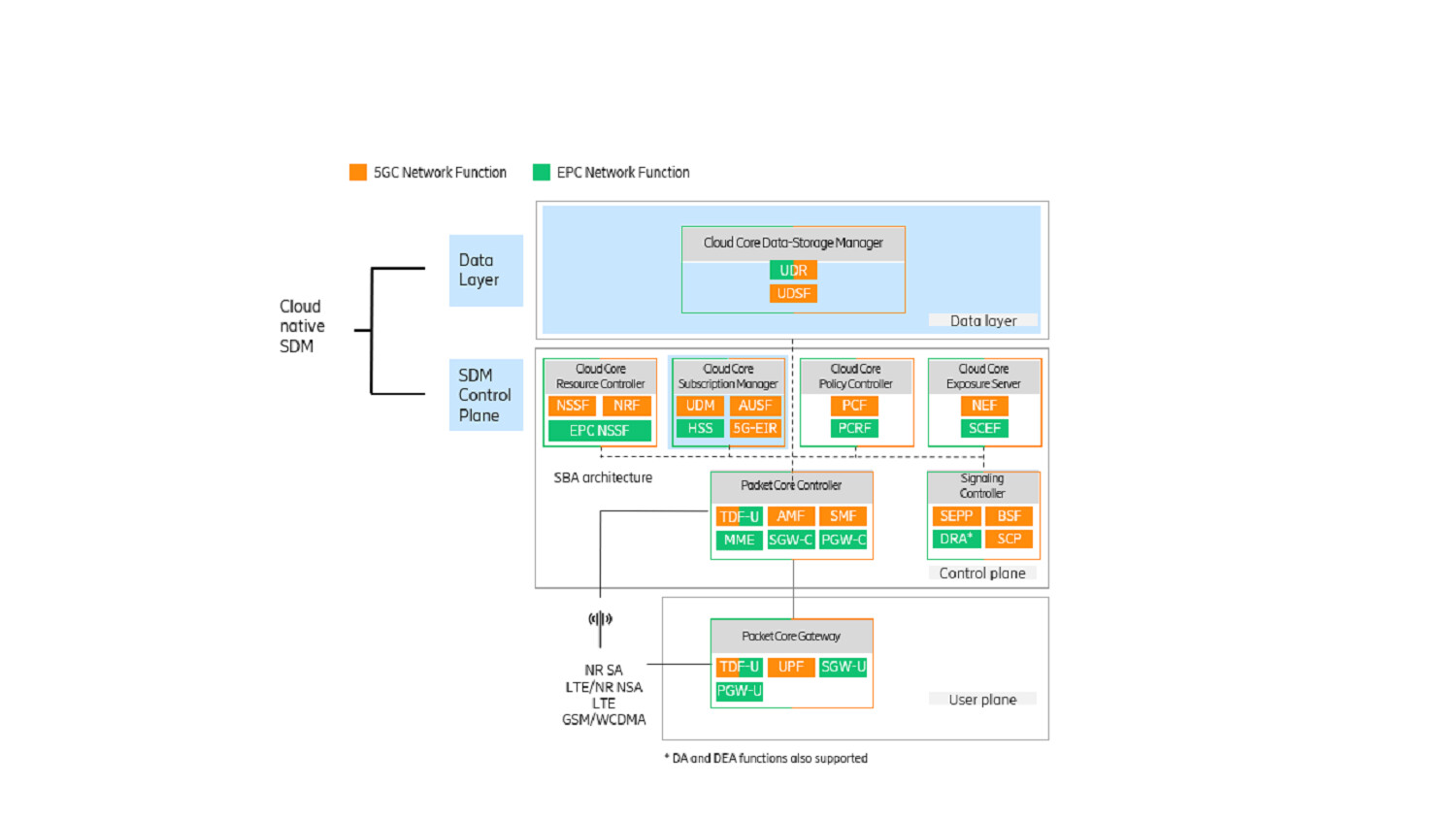
Figure 3: The cnSDM solution as part of Ericsson’s dual-mode 5G Core solution
For more information on the dual-mode 5G Core components read our guide One core – the best of two worlds.
A smooth migration into a new era
The cnSDM enables a smooth evolutionary path from EPC to 5GC architectures for the entire data layer. The growing trend of 5G subscriptions will determine each service providers’ strategy and speed for evolving the current data layer solutions into cnSDM. We can consider three significant steps:
- A first step where we introduce 5G NSA with a simple software upgrade of legacy SDM.
- A second step where we introduce the new 5GC for SA accesses, putting in place mechanisms for automated subscriber migration between the two domains, and securing two levels of interworking for service continuity and mobility management: one between the legacy database and UDR, and one between the legacy FE and UDM.
- A third step where we move the entire installed base into the final cnSDM.
The dual-mode 5G Core solution offers also different capabilities for securing smooth evolution paths into a full 5G Core network as full-interworking and feature parity with legacy solutions, gradual integration of network functions (NFs), domain independent evolution paths and deployment alternatives for the cloud infrastructure allowing, for example, to deploy the cloud native NFs over an existing Network Function Virtualization Infrastructure (NFVI) or BareMetal.
For more information on the dual-mode 5G Core evolution capabilities read our guide Building a new world – A guide to evolving from EPC to 5G Core.
For more information on the cloud infrastructure evolution alternatives read our guide Building a cloud native infrastructure.
The time is now
There are multiple benefits for service providers as they fully embrace cloud-native technology. From higher scalability and deployment flexibility to increased automation and reduced time for new software deployments, cloud native will be pivotal in enabling myriad new use cases that are economically viable to both service providers and their customers.
It will also allow service providers to extract the maximum benefits from other technologies and network capabilities, such as network slicing, edge computing and network exposure.
With the deployments of new 5G New Radio (NR) standalone networks worldwide well under way, demanding the introduction of the new 5GC network architecture, cnSDM solutions will happen faster than you may think. And the service providers that start they evolution journey earlier will benefit the most from a full-fledge cloud native core network for business success in 5G.
We have a concise portfolio and wide expertise from deploying cloud native 5G core networks with leading Tier 1 organizations across all continents, enabling a stepwise evolution journey to achieve quick wins while adjusting for the market and technology realities and striking a balance between cost and benefit.
Wherever you are on your journey, Ericsson can support you on your evolution path.
Want to know more?
This post is part of our guide to building a Cloud native 5G Core blog post series, where we outline six strategic areas that forms the foundation to a cloud-native core network capable of unleashing the full potential of 5G. Investing time in these topics will make you better equipped to plan, deploy and manage your new network for business success.
Continue reading the complete guide to dig deeper into each of its topic areas.
Read the previously released blog posts of this series:
Building a cloud native 5G Core: the guide series
Your guide to building a cloud native infrastructure for 5G
Your guide to evolving to 5G Core with full efficiency
Your guide to enabling voice services in 5G networks
Your guide to 5G network automation and zero-touch
Your guide to transforming network operations on the journey to 5G
Your guide to end-to-end security when introducing 5G Core
Read more about Network automation
Read more about Core network