







Public safety
Public safety communications have traditionally relied on dedicated, isolated networks. Today, as emergency response becomes increasingly complex and interconnected, modern communication networks are becoming central to how first responders coordinate, share critical information, and save lives. The evolution of these networks reflects broader transformations in how societies prepare for, respond to, and recover from emergencies
Why modernize?
What mobile broadband networks enable for public safety
From voice to vision
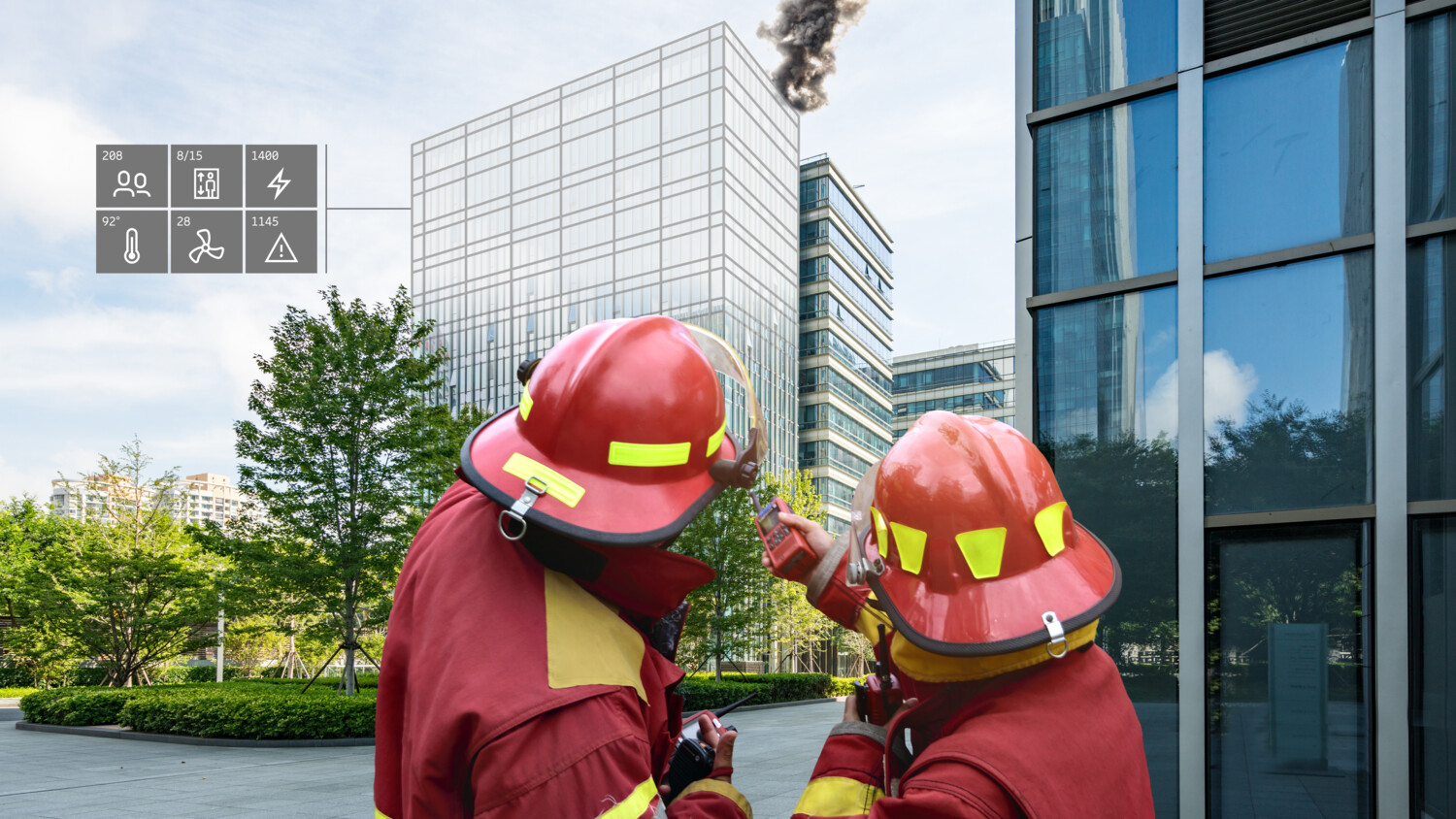
Broadband networks enable incident commanders to see what's happening in real-time. Video feeds from drones and mobile units, live location tracking, thermal imaging, and interactive mapping tools give responders unprecedented awareness of emergency situations.
Outcome: Faster, better-informed decisions. Reduced operational delays. Improved resource allocation based on actual conditions rather than voice reports.
Seamless communication across organizations
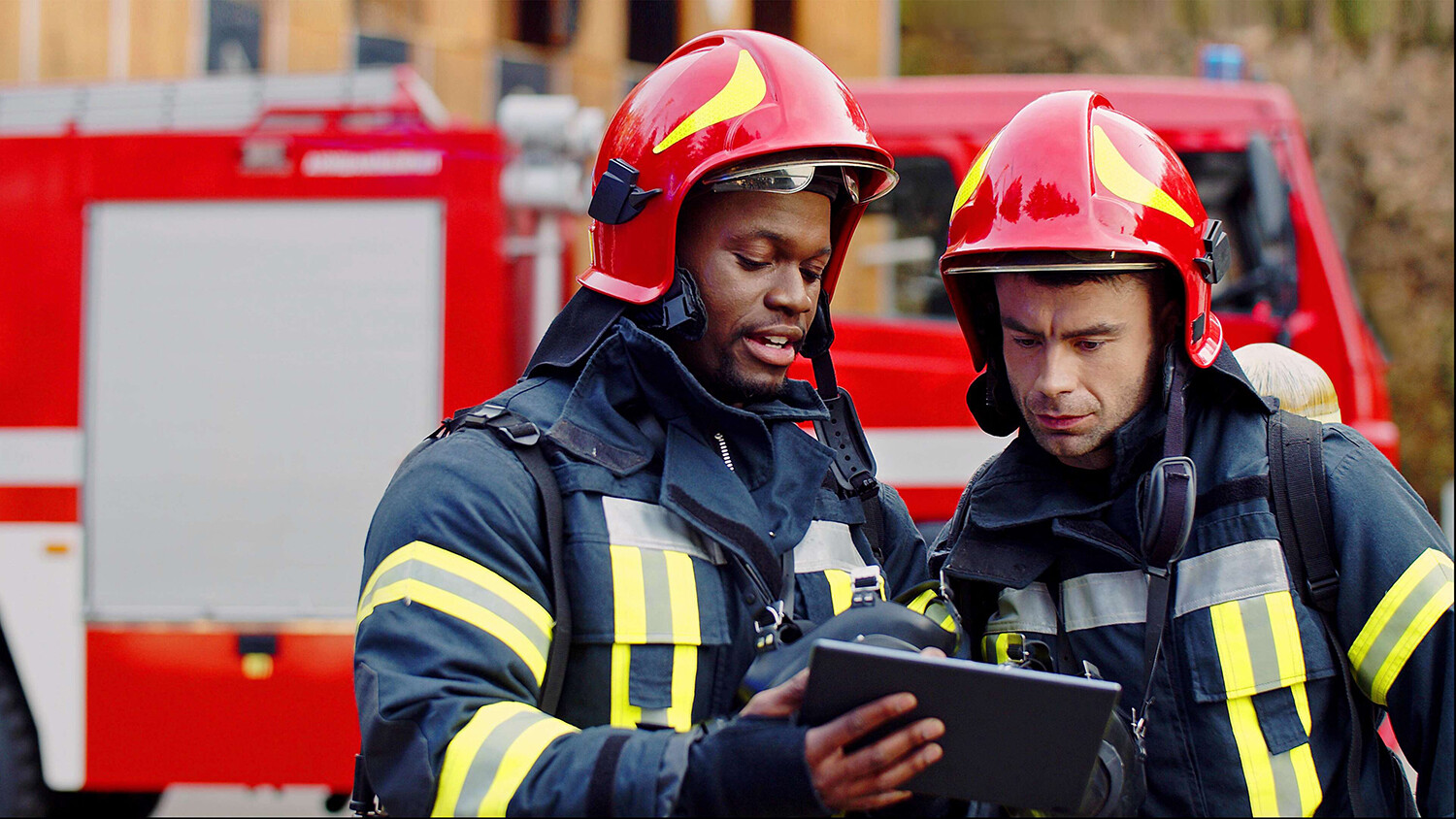
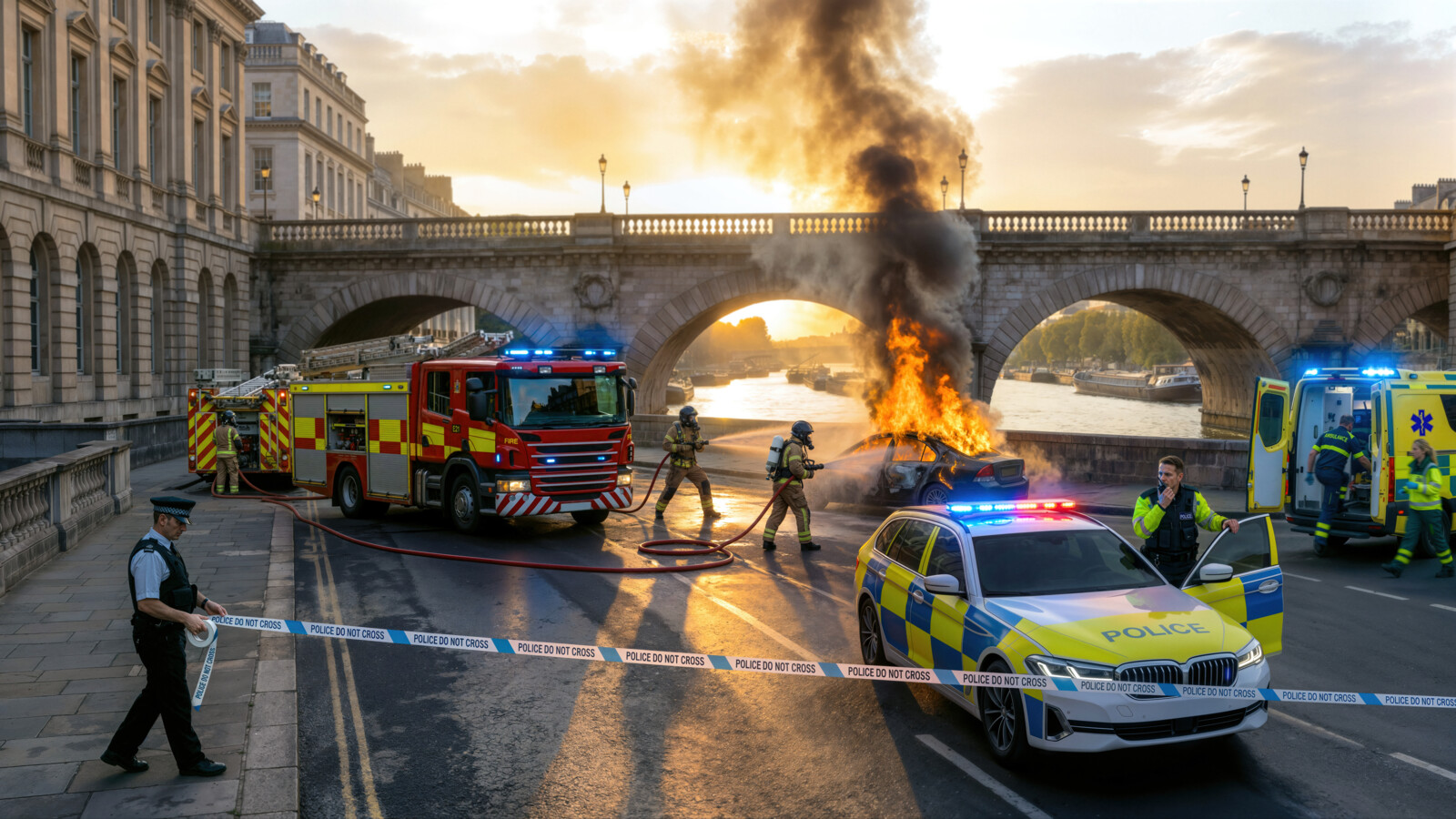
Broadband networks unify communication across police, fire, medical services, federal agencies, and critical infrastructure operators. Instead of managing separate systems and manual coordination, agencies share common platforms and real-time information.
Outcome: Faster multi-agency response to complex emergencies. Reduced confusion and miscommunication. Significantly improved outcomes for large-scale incidents.
Communications that survive emergencies
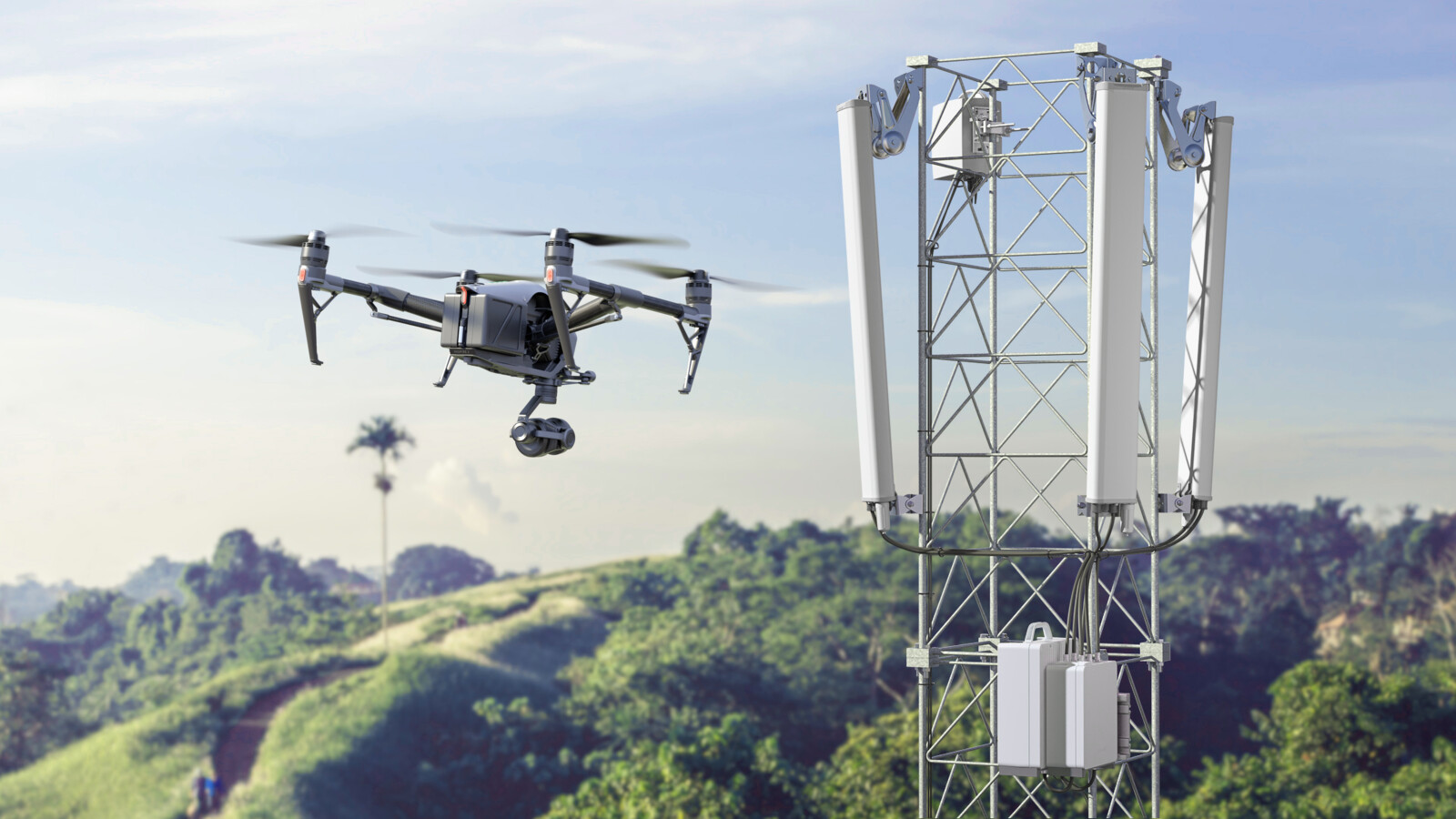
Modern networks can be architected with redundancy that function even when primary infrastructure is damaged. Resilient networks ensure connectivity continues in compromised areas when communication is most critical.
Outcome: Communication availability during the emergencies that damage standard infrastructure. Faster restoration of critical services. Reduced vulnerability to infrastructure failures.
Doing more with smarter infrastructure
Standardized 4G/5G infrastructure with priority access and service-level guarantees enables agencies to reduce capital costs and ongoing operational overhead. Modernization budgets can focus on capabilities and training rather than maintaining aging systems.
Outcome: Lower total cost of ownership over time. Resources redirected toward operational improvements and staff development for operational improvements and staff development. Sustainable infrastructure investments.
Built for tomorrow's capabilities
4G/5G networks are designed to evolve. Emerging capabilities—AI-powered features, advanced analytics, autonomous systems, enhanced cybersecurity—can be deployed without replacing underlying infrastructure. Agencies invest in transformation once, then benefit from continuous capability improvements.
Outcome: Technology investments remain relevant and competitive for decades. Access to emerging capabilities without recurring major infrastructure investments.
Better outcomes when it matters most
Unified communications, real-time data, and better coordination tools mean responders spend less time on logistics and more time on actual emergency response. Faster information flow reduces decision-making delays. Integrated platforms improve inter-agency collaboration.
Outcome: Demonstrably faster response times. More efficient resource allocation. Measurably better outcomes during critical incidents—lives saved, property protected, services restored faster.