










Your guide to CI/CD in telecom networks – for today and tomorrow

Solution Marketing Manager

Solution Marketing Manager
Solution Marketing Manager
CI/CD today and tomorrow
Do you believe continuous integration and continuous deployment (CI/CD) is needed for digital transformation? At Ericsson, we do. We believe CI/CD is the cornerstone of true digital transformation. And it’s accelerated by the introduction of cloud-native 5G Core.
A cloud-native, microservices-based 5G Core network is designed for automation. The complexity and options in a 5G network are huge. The software release cycles are typically 3 to 4 weeks instead of 6 to 12 months and communication service providers need a highly agile approach like CI/CD to match this cadence. CI/CD unlocks the new service revenue potential of 5G by life cycle managing the increased technological complexity and granularity of change that enables service diversity. This isn’t to say it’s not possible to deploy a cloud-native 5G Core network without CI/CD, but it is likely to be cost and resource prohibitive. The benefits of CI/CD in telecom are many, as described in Figure 1.
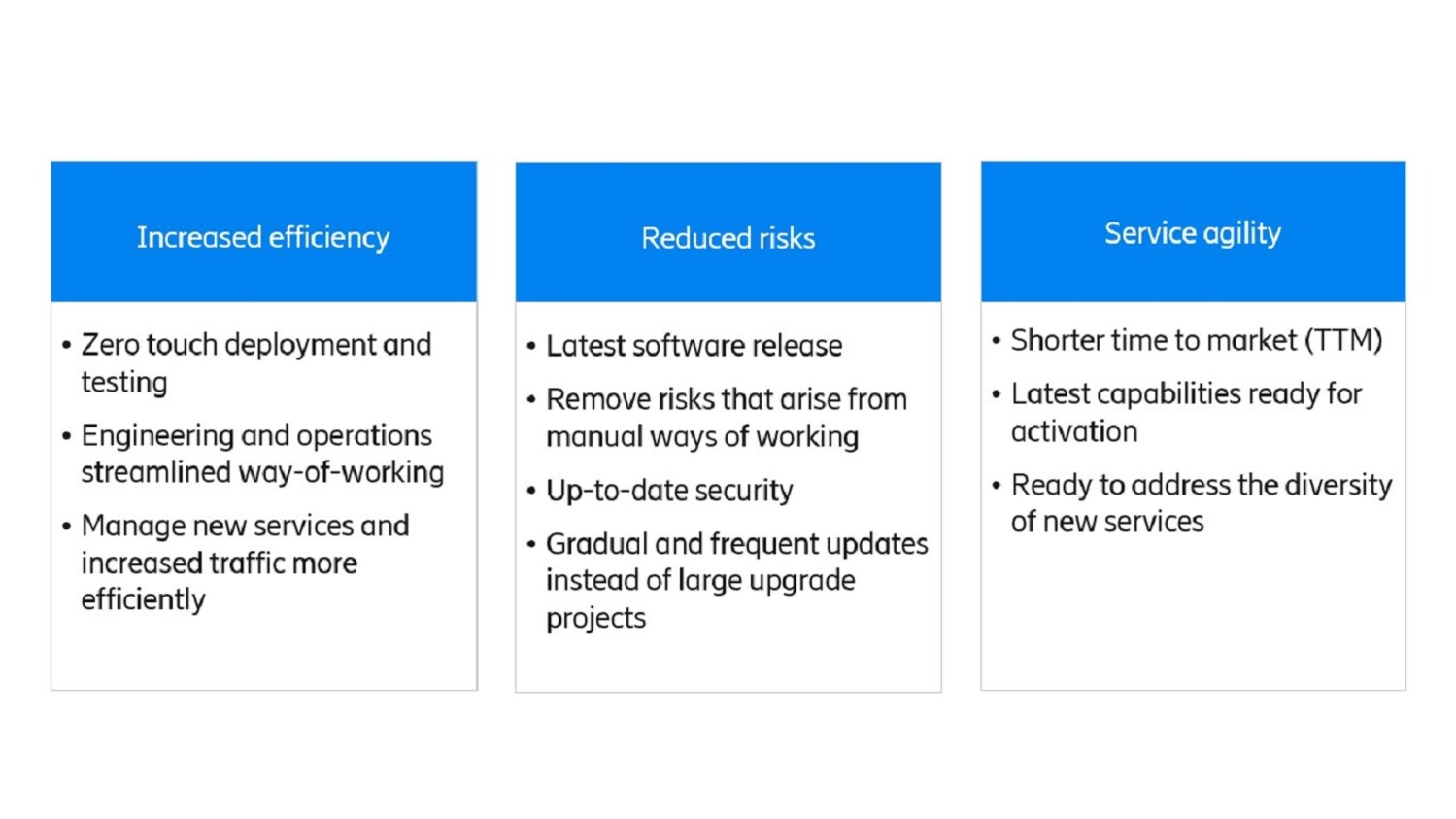
Figure 1: Benefits of CI/CD in telecom networks
Ericsson started continuous software deployments for radio access network nodes as early as 2015 in some markets like the US, to replace the legacy release verification. We were also early out with the fundamental change of Ericsson’s Packet Core software development moving from multiple parallel software release ‘chains’, to a ‘one track’ software development model.
Looking at the telecoms industry overall, CI/CD and cloud-native application design is, to a large extent, still in its infancy, but we have ambitious goals. We are trialing CI/CD with leading service providers who have progressed in network functions virtualization (NFV) transformation and plan to soon introduce cloud-native 5G Core. For example, in early 2020 KDDI and Ericsson achieved a cloud-native CI/CD software pipeline breakthrough when Ericsson’s CI/CD pipeline for cloud-native 5G Core standalone software deployment was successfully tested.
The ultimate goal of CI/CD is to allow for automated, repeatable, low-risk updates of all components and layers of the architecture stack. This includes the cloud infrastructure, software applications for network and IT domains like OSS/BSS, the management of network slices for end-to-end services and exposure of APIs.
Should you wait for cloud-native 5G Core or start before?
Fully automated software pipelines are the future, and we know it requires both technological and organizational changes. CI/CD means a significant change in the process of software onboarding and deployment. CI/CD will become more critical for Cloud native including 5G Core, which is why the best time to start is now to get the process, competence and organization properly aligned in advance. The more service providers embrace cloud native and CI/CD, the closer they will move towards zero-touch automation.
Are you an innovative service provider?
From our discussions with service providers we know the needs and approach to CI/CD will vary depending on the network size and operational and service ambitions. Innovative service providers want to transform their ways-of-working and their operational procedures to become truly agile in the marketplace. They want to continuously get the latest software releases, even at microservice level. They are in the process of architecting and implementing CI/CD pipelines based on IT best practices to handle life cycle management of products from all their suppliers in a common way.
Conservative service providers want CI/CD automation benefits within their existing operational procedures and architecture, giving them faster product validation and quality at a reduced cost. They do not expect a higher release cadence, frequent updates or a continuous software flow.
Figure 2 shows the impact on ways of working as more CI/CD automation is added. Whichever road is taken, the journey to a 5G Core network, which will require a virtualized network and cloud-native technologies, will mandate some type of viable CI/CD flow. This is a fundamental change from the physical nodes where software upgrades could be postponed for years or indefinitely.
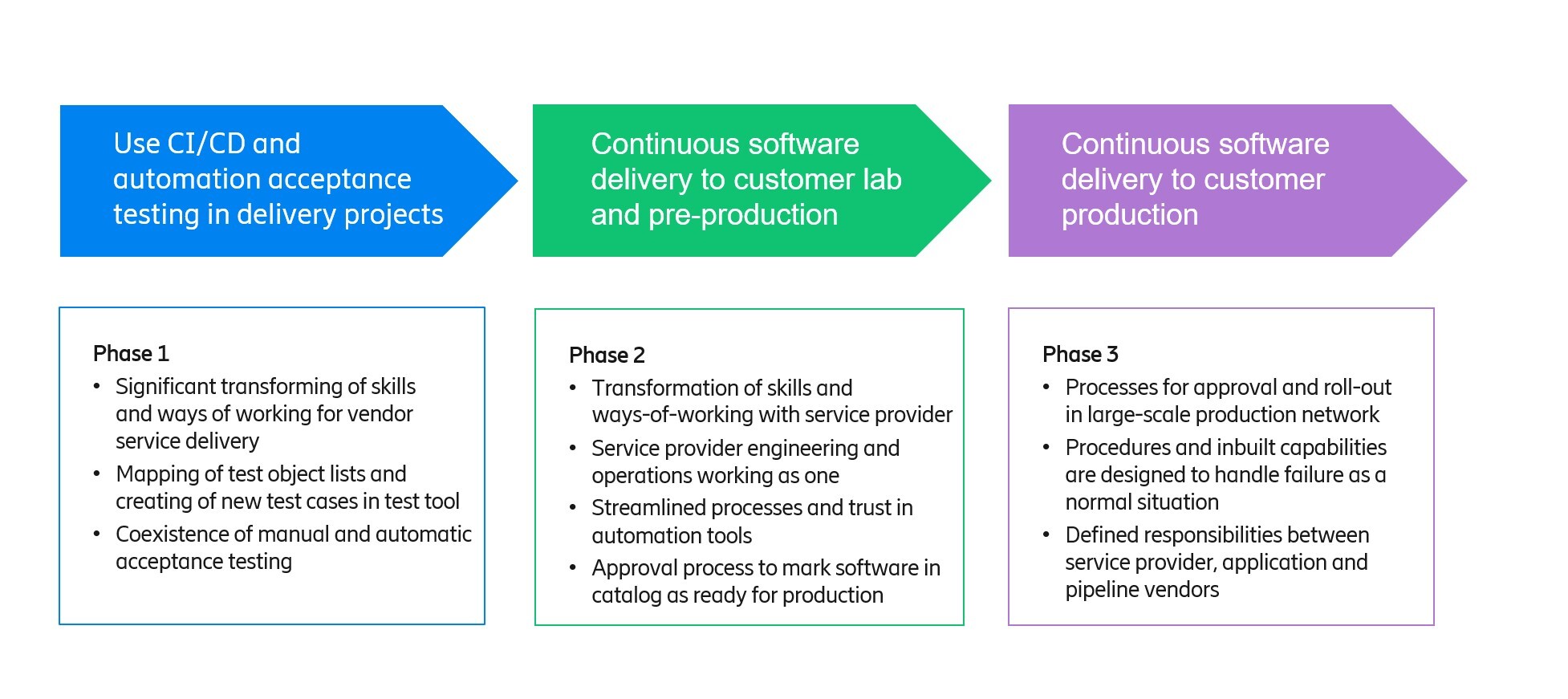
Figure 2: Impact on ways of working as more CI/CD automation is added
How can service providers get started with CI/CD?
CI/CD is not a one-step thing, it's a journey. There is no one-size-fits-all path to full automation. The first step is recognizing the potential, and the limitations, of a service provider’s starting position and taking small steps. On the journey, service providers will probably find some low hanging fruits to start with, such as automated testing. All basic, repetitive, time-consuming activities that can be automated have to be automated, as they represent the best potential for savings.
A typical CI/CD entry point is the automation of all validation and verification activities. Additional quick wins include software download-related tasks and selected low-level tasks in software preparation and deployment.
All these individual automated steps can then be orchestrated into larger sections, and finally into a complete CI/CD flow with less manual intervention.
With CI/CD, service providers will be able to reallocate their organization’s talent and resources away from manual tasks to where they are most effective. For example, Finnish service provider Elisa is pioneering telecoms DevOps and expects that automation will help them maintain operational quality in a more complex cloud-native network without doubling up on resources.
CI/CD with Ericsson
Ericsson has followed a one-track software design philosophy for over 15 years. This enables continuous, fast, scalable deployments and stable, low-risk rollouts of new functionalities. Our cloud-native microservices-based dual-mode 5G Core portfolio is built on this experience. We are on the journey, leveraging our expertise to automate 100 percent of our 5G offering.
Read our guide to learn more about CI/CD today and tomorrow in telecom networks, and CI/CD with Ericsson.
Want to know more?
This post is part of our guide to building a cloud-native 5G Core blog post series, where we outline six strategic areas that form the foundation to a cloud-native core network capable of unleashing the full potential of 5G. Investing time in these topics will make you better equipped to plan, deploy and manage your new network for business success.
Continue reading the complete guide to dig deeper into each of its topic areas.
Read the previous articles of the series:
Building a cloud native 5G Core: the guide series
Your guide to building a cloud native infrastructure for 5G
Your guide to evolving to 5G Core with full efficiency
Your guide to enabling voice services in 5G networks
You guide to transforming network operations on the journey to 5G
Your guide to end-to-end security when introducing 5G core
Your guide to subscriber data management on the journey to 5G
Your guide to 5G network automation and zero-touch
Read more about Network automation
Read more about Core network