Skip navigation
Woman using AR glasses when interacting with robotic arm.

5G Core

Get to the core of 5G's potential

Understanding 5G Core

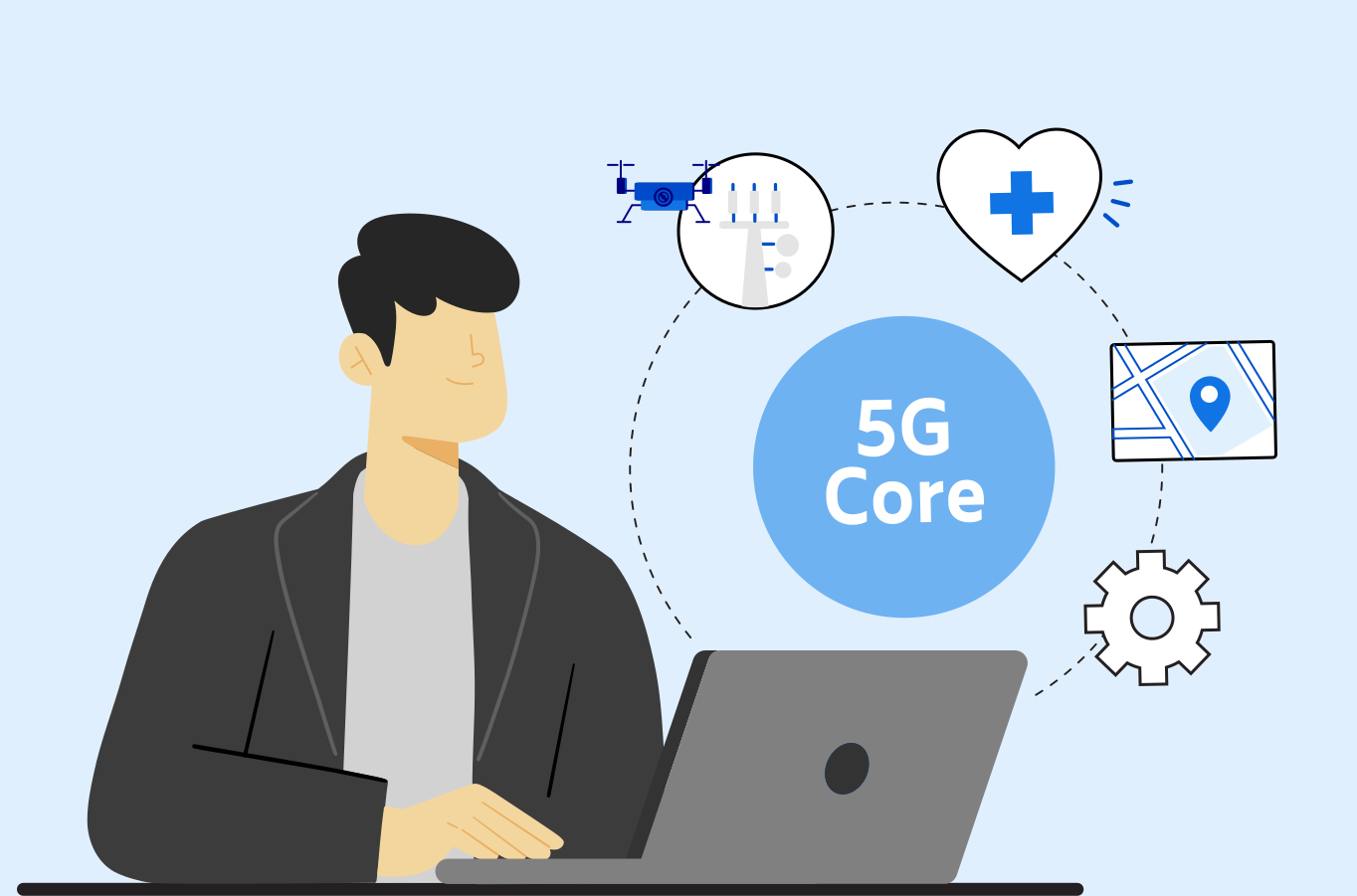
5G is a game changer, elevating network capabilities  and user experiences to a whole new level – and at its heart lies the 5G Core (5GC) network. 5GC is the central part of the 5G network, responsible for managing data, voice and other services – essentially, the intelligent control center of a 5G mobile network, enabling complex actions and sophisticated capabilities vital for unlocking the full potential of 5G.

The easiest way to understand 5GC is to imagine the key organs in your body. Your brain is the intelligence center, processing information collected by your nervous system, making decisions and coordinating actions throughout your body, and working with your heart to pump blood around your body in response to its needs.

Similarly, the 5GC is the hub that manages all the data traffic and storage, user services and advanced functionalities in a 5G network, controlling the flow of user traffic around the network. Just like the brain receives information from your senses, the 5GC handles data brought in from the network infrastructure – the 5G New Radio (NR) and Radio Access Network (RAN), processing requests from connected devices like your smartphone or smartwatch. It then routes all the data traffic to the requested internet service, enterprise service or person in the optimal way.

5G non-standalone (NSA) leverages existing 4G LTE core networks to deliver higher speeds by combining 5G New Radio (NR) with the 4G Evolved Packet Core (EPC), allowing for a faster initial rollout of 5G services.

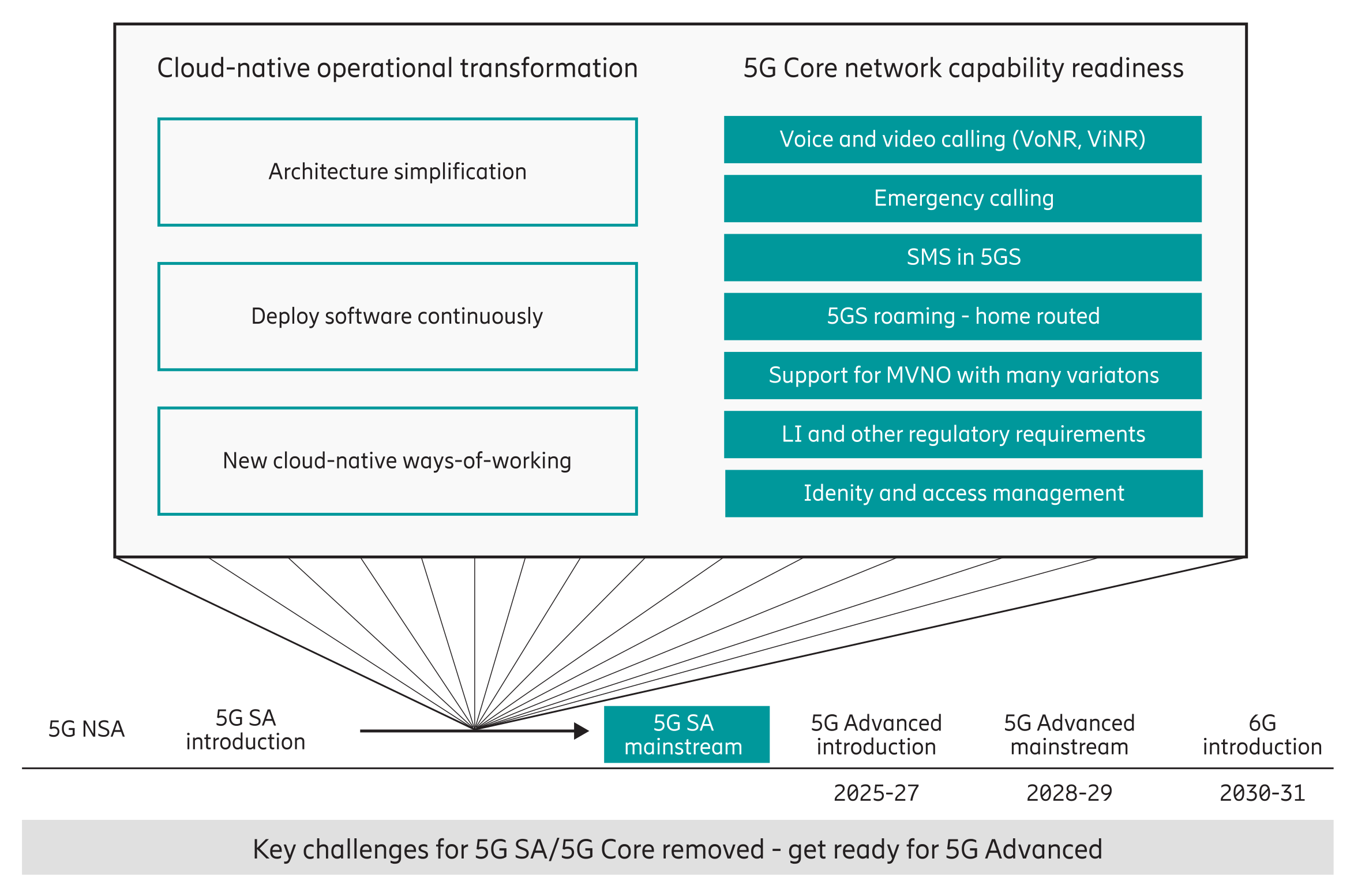
However, it’s with 5G standalone (SA) that the full potential of 5G can be realized. 5G SA uses a fully cloud-native 5GC network to enable ultra-low latency, support advanced network slicing functions and facilitate a broader range of innovative use cases that address the growing needs of businesses and consumers. Adding additional capacity directly onto a 5G SA network can also significantly reduce the total cost of ownership (TCO) compared to expanding existing 4G networks.

Learn more about 5G SA vs NSA

""
Ready to transform your network with 5G Core solutions?

Discover Ericsson's 5G Core offerings, designed to deliver high performance, optimize cost efficiency, increase agility and secure new revenue streams.

Explore 5G Core solutions

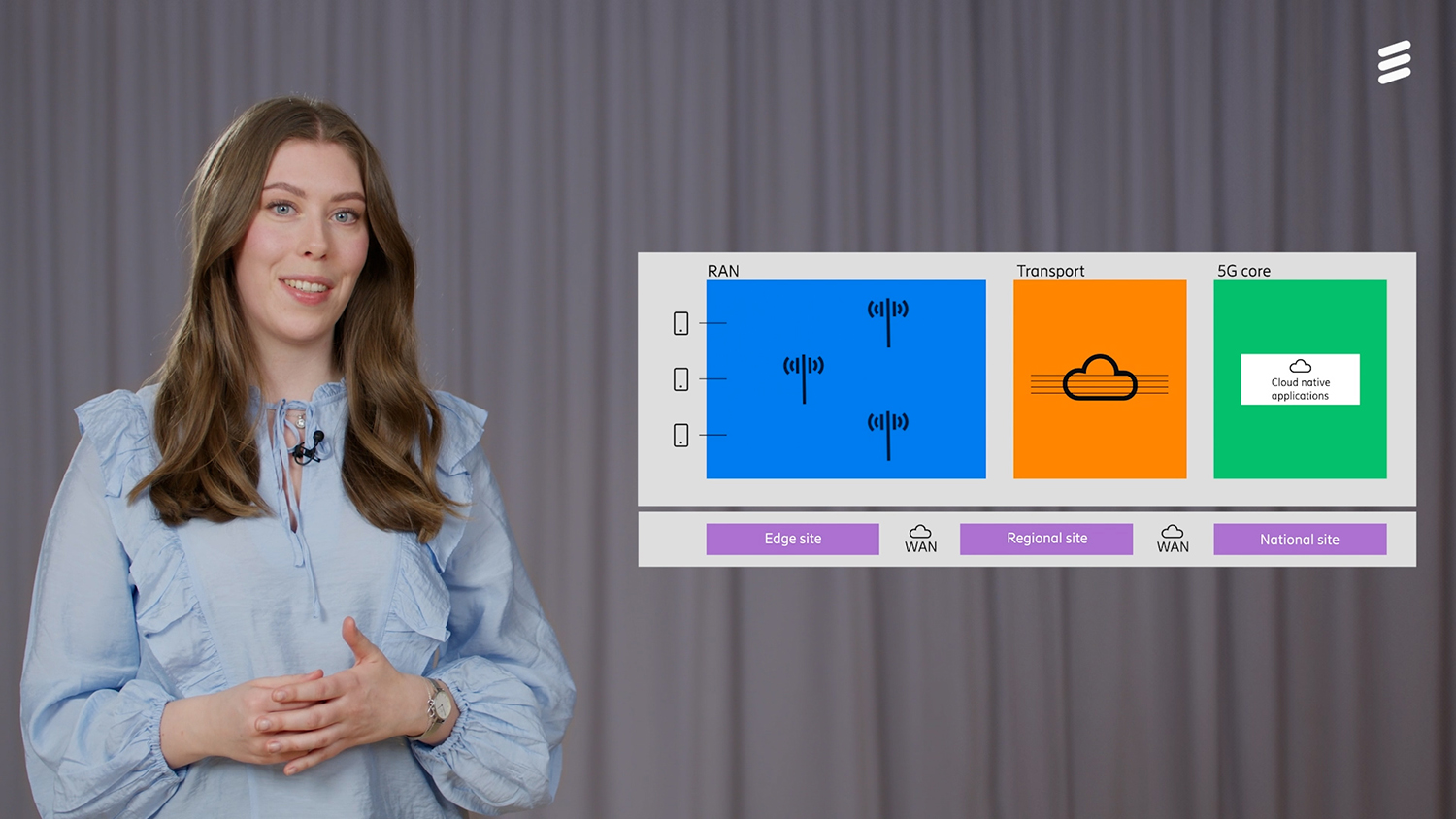
5G Core network architecture

5GC is built on a Service-Based Architecture (SBA), implementing IT network principles and a cloud-native design. Each network function (NF) within the 5GC offers services through APIs, making the network more flexible and programmable and enabling unique capabilities.

Key functional groups within the 5GC architecture include:

The data layer stores and manages critical subscriber and network application data, such as user profiles, authentication information and network policies. Subscriber data management (SDM) is of vital importance, as today’s mobile networks manage millions of subscriber-related data transactions every second – data which need to be collected, stored, provisioned and made accessible on demand to network functions, applications, or other services.

The control plane is responsible for managing access, signaling, sessions, mobility and policies across the network. It includes functions like the dynamic control of network resources and slice selection, authentication and mobility management and the exposure of network capabilities and management of Application Programming Interfaces (APIs).

The user plane handles the actual user data traffic, providing high throughput for services like mobile broadband (MBB), and with the right solutions, can help ensure the efficient utilization of physical resources, even as traffic and demand grow.

Network evolution, connected city, drone, aerial view

5G Core as an enabler

5G Core is more than just a network upgrade; it’s an enabler for a new era of services and applications, playing a crucial role in the wider telecom network by facilitating advanced functionalities beyond traditional mobile broadband. Enabling new 5G services and use cases means introducing new capabilities to the core network which weren’t supported in previous generations, such as edge computing, network slicing, network exposure and service orchestration.

Network slicing

Network slicing is a key capability directly enabled by 5GC’s cloud-native architecture, allowing a physical network to be partitioned into multiple virtual networks tailored to specific service requirements. This 5GC capability  enables service providers to offer differentiated 5G connectivity services and unlock new market segments through use cases like fleet management, remote broadcasting and enhanced experiences for sports events and concerts.

Learn more about network slicing

Network exposure

Network exposure, facilitated by the 5GC’s service-based architecture and its Network Exposure Function (NEF), allows for the secure exposure of network capabilities and data via standardized APIs to third-party developers and enterprises. This approach enables monetization through new revenue models and faster time-to-market for innovative offerings such as fraud prevention APIs, location tracking and differentiated connectivity services.

Dive deeper into network exposure

A seamless journey to cloud-native 5GC

The 5G journey is a critical evolution, and moving to a common cloud-native core platform for 4G/5G NSA and 5G SA is a crucial stepping-stone along the way. Solutions, such as the Ericsson dual-mode 5G Core, unify 4G Evolved Packet Core (EPC) and 5GC functions onto a single, cloud-native platform, enabling seamless handling of both traffic types. This approach simplifies operations, boosts resource utilization, and is essential for unlocking 5G SA's full potential and achieving cost efficiencies by avoiding the complexities of running parallel networks.

Guide to 5GC network transformation
A seamless journey to cloud-native 5GC

The freedom of going cloud native

The shift to a cloud-native 5G Core fundamentally transforms network architecture, embracing IT principles like microservices and containerization. This design fosters agility, flexibility and extensive automation, boosting resource utilization, improving cost efficiency and providing a future-proof foundation for 5G standalone's full potential and future evolution.

Read more about cloud native

Three steps to 5GC success

Plan and build

Discover the transformation to a cloud-native 5G Core. Alongside leading service providers, we share our insights to transform operations and enable agile service creation.

Scale and evolve

Expand your core network by adding new cloud-native network functions and transform your operations by focusing on automated life cycle management and CI/CD, while creating a more efficient network.

Innovate and empower

Discover new and enhanced network capabilities that enable differentiated connectivity offerings. Network slicing, edge computing and network exposure, open a world of opportunity.

The evolved 5GC: optimized, agile and automated

While 5GC's cloud-native architecture, standardized APIs and SBA are crucial enablers of its performance, efficiency and flexibility, Continuous Integration and Continuous Deployment (CI/CD) practices are the cornerstone of digital transformation. Frequent, automated software updates and deployments, streamlining of the software lifecycle and acceleration of new feature integrations enables next-level operational agility, while empowering continuous innovation and new business models.
Download our guide to CI/CD

Unleash the power of 5G SA with the right signaling support

As 5GC acts as the control center of the network, signaling functions are vital – they are what enables 5GC to deliver such stable, secure and scalable networks. This means that having a robust signaling strategy is the key to success, supporting functions such as the service communication proxy, binding support function, security edge protection proxy and diameter signaling controller.

Plan your 5G signaling strategy

5G Advanced and beyond – the next frontier

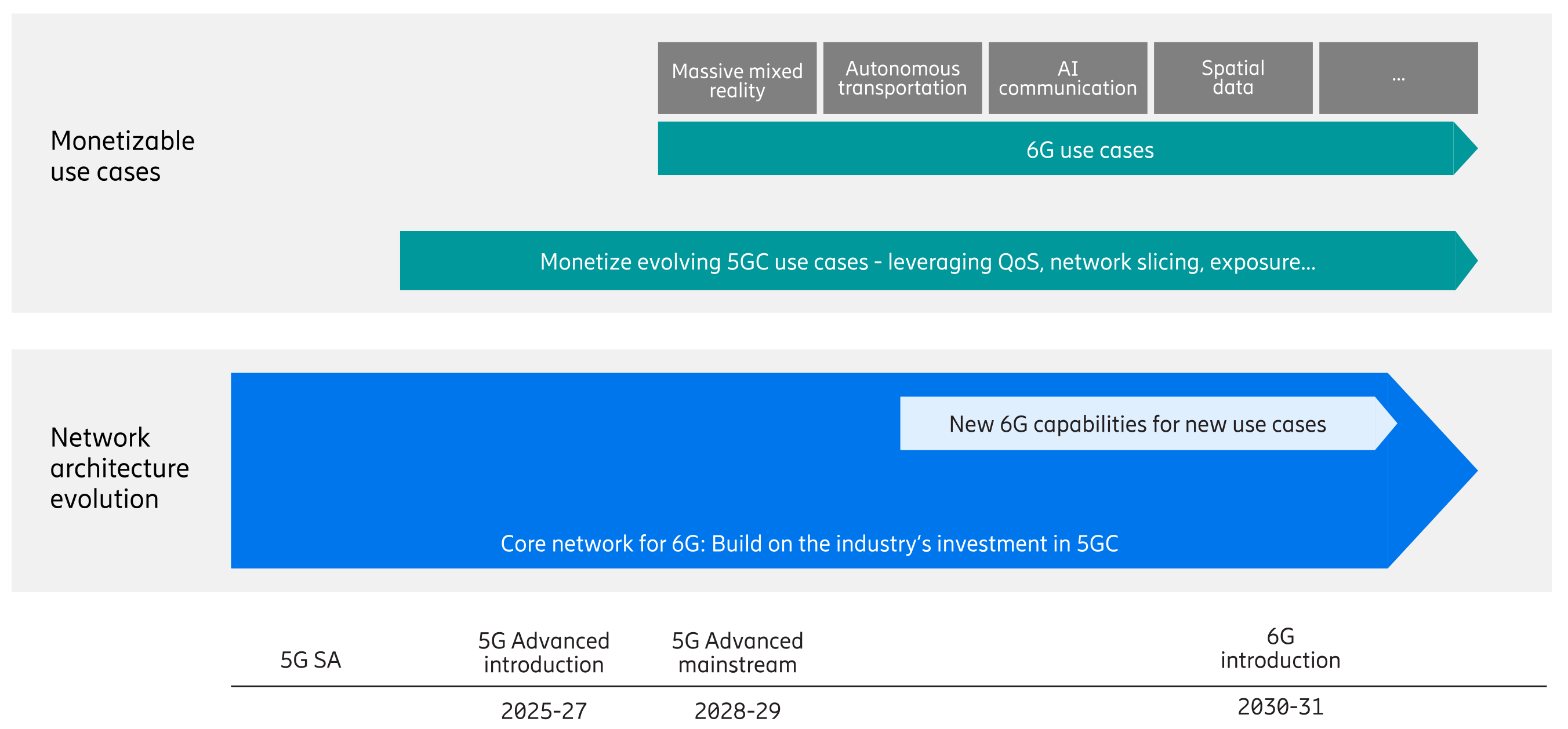
As 5G continues to evolve, 5G Advanced represents the next step forward, bringing further enhancements and expanded monetization capabilities beyond the initial rollout. This evolution will further enabling even more sophisticated use cases and driving continued innovation in the telecom landscape. 5G Core’s agile, cloud-native foundation is crucial for supporting this progression, ensuring networks are ready for future demands including the exciting use cases of 6G to come, such as autonomous transport and mixed reality at scale.

Learn more about 5G Advanced

6G Core: development in progress

6G Core: development in progress

3GPP standards for 6G Core are already under development, with technical specifications anticipated for completion around 2028. Studies are also being undertaken to define the standalone 6G architecture, including the 6G core network, and will include identifying which capabilities and network functions can be reused from the 5GC and where new functionalities need to be defined, such as adding NFs to support new features ahead of the anticipated commercial introduction of 6G in 2030.

Find out more about 6G

Ericsson 5G Core solutions

Ericsson offers a comprehensive portfolio of high-performing 5G Core solutions designed to help service providers optimize total-cost-of-ownership (TCO), drive agility in operations and unlock growth beyond mobile broadband. Our dual-mode 5G Core has proven success in large-scale deployments, supporting hundreds of millions of subscribers across the globe.

Explore our 5G Core solutions

Join us at the Core Network Summit event 2026

Welcome to Ericsson Core Network Summit, exclusively for the Communication Service Provider (CSP) community. It will take place in Rome in May 2026 and the host is Telecom Italia Mobile (TIM). The summit will feature a lively and interactive format, where CSPs can share insights and learnings with each other and Ericsson. The overall theme of the event is Re-invent business for growth. Find details about the event in the event page.

Go to the event
Curious to know more?

From optimized total-cost-of-ownership, network rollout and new monetization capabilities, our team of 5GC experts is ready to answer your questions.

Get in touch

Hear from the experts

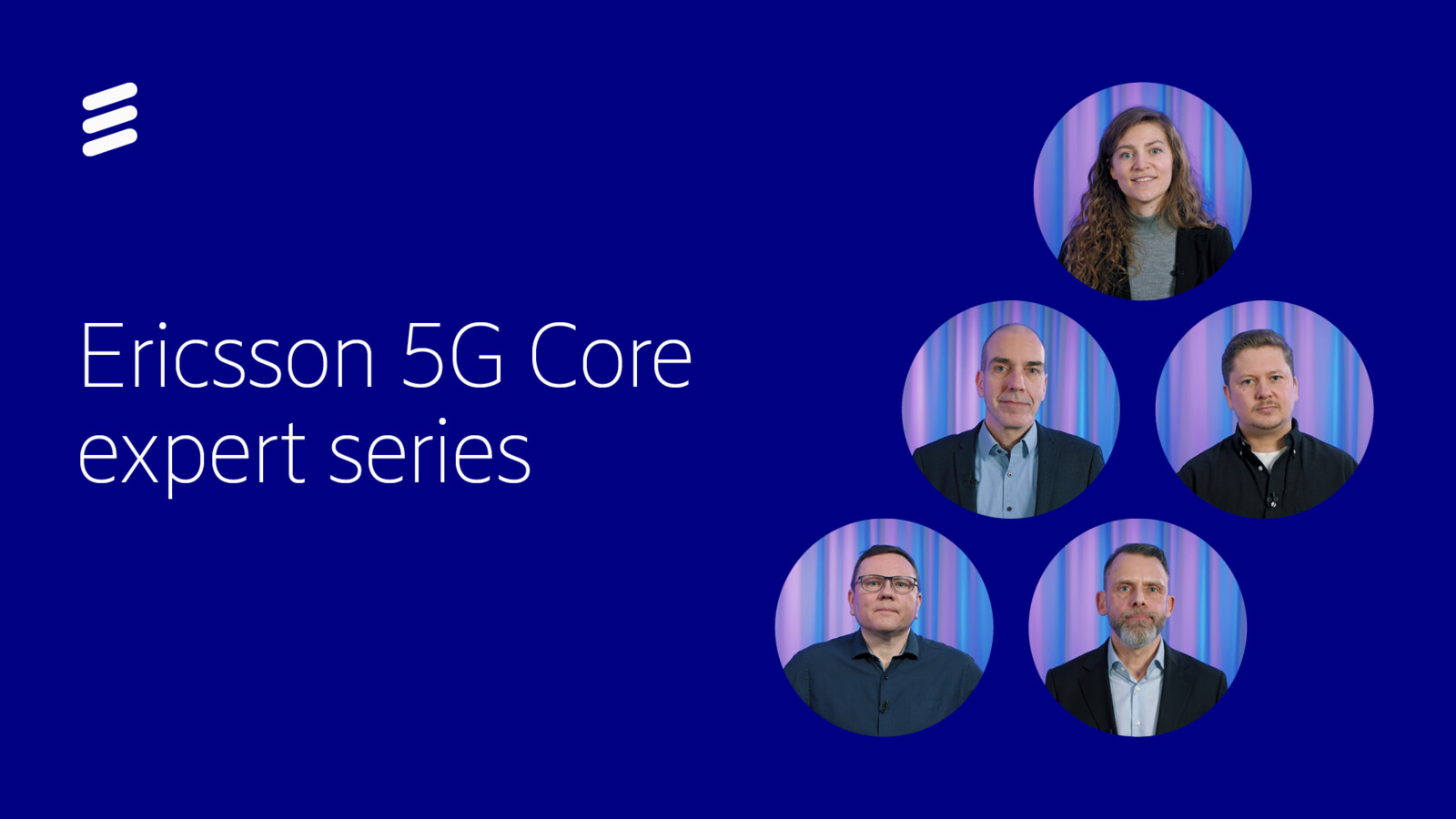
Gain deeper insights into 5G Core, its evolution and strategic deployment from Ericsson’s specialists and industry leaders. In this video series our experts explain and present different topic areas that service providers need to plan for when evolving their 5G Core networks.

Watch the video series

Journey toward autonomous core networks

Aiming to achieve Level 4 autonomous core networks? Discover the key drivers, challenges, and strategic priorities influencing service providers transition to autonomous core networks in this study from Omdia.

Strategic TCO aspects to accelerate 5G Core deployment

Learn how a full-stack 5GC solution can reduce TCO by up to 25 percent, plus more insights about deploying and configuring a cost-efficient 5GC network architecture in our report with Omdia.

5G Core network guide series

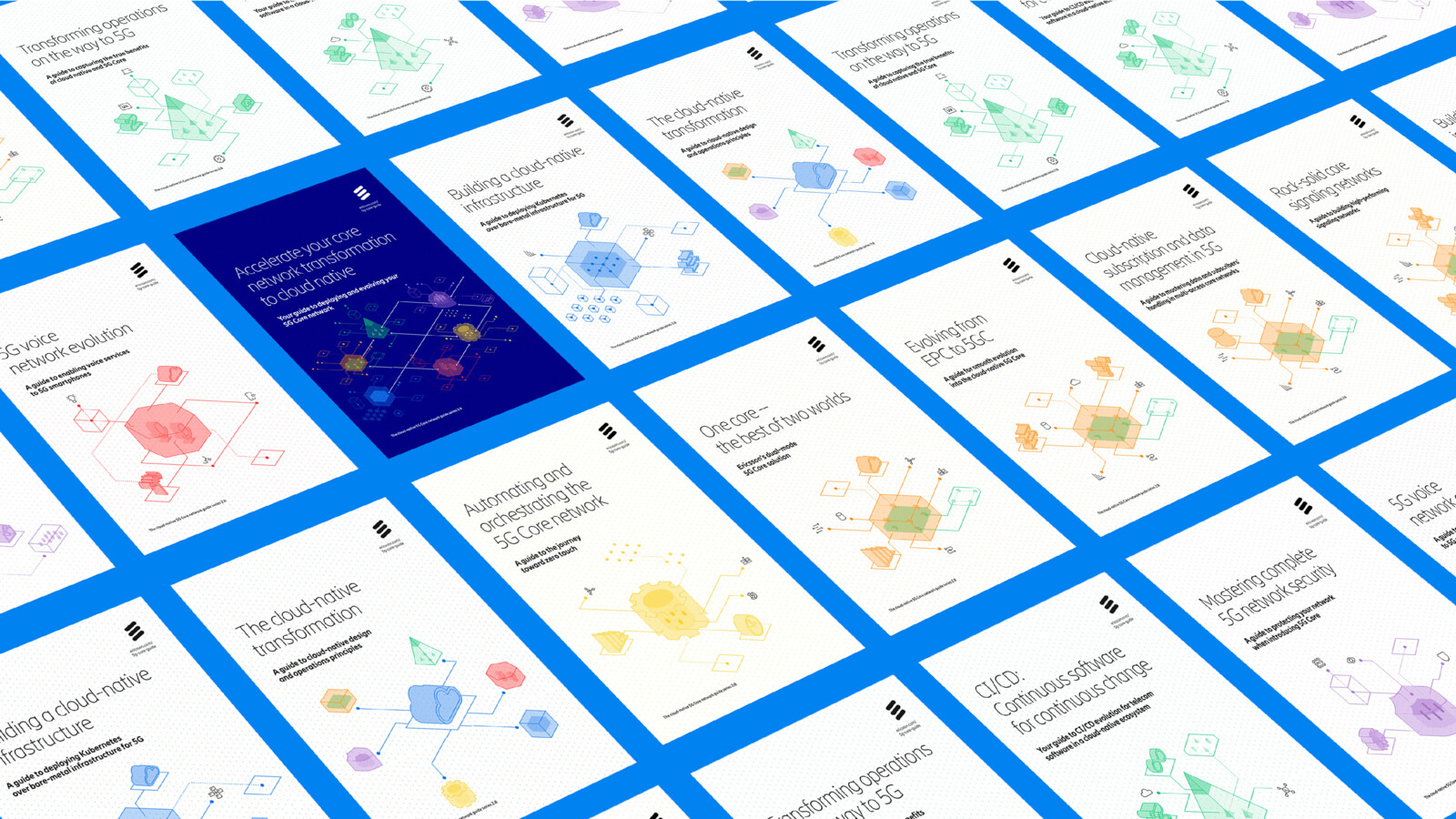
Learn how to release 5G’s full potential in your network with our cloud-native 5G Core network guide series, sharing learnings and insights from our experience with pioneering service providers around the world.

Security enhancements in 3GPP release 18

3GPP Release 18 marks the first release of 5G Advanced. Discover the latest security developments in this release, from specific use cases to overall system security enhancements and regulatory requirements.

Related topics

Core network security

Read about the end-to-end view of the security aspects and solutions needed to introduce 5G Core including standardization, product security, and management and operations.

Core network energy efficiency

Secure energy efficiency while handling exponential traffic growth through a high-performing core network. Learn how to break the energy curve in core networks.

Network and service exposure

Service providers can monetize their 5G investments through API exposure. By exposing 5G APIs, they can enable third parties to access and leverage the unique features of the 5G Standalone (5G SA) network. But how?

Cloud Infrastructure

Cloud infrastructure architecture makes it possible for various applications, for example telecom, operations supports systems, business support systems and IoT, to share infrastructure resources for their needs.

5G Voice

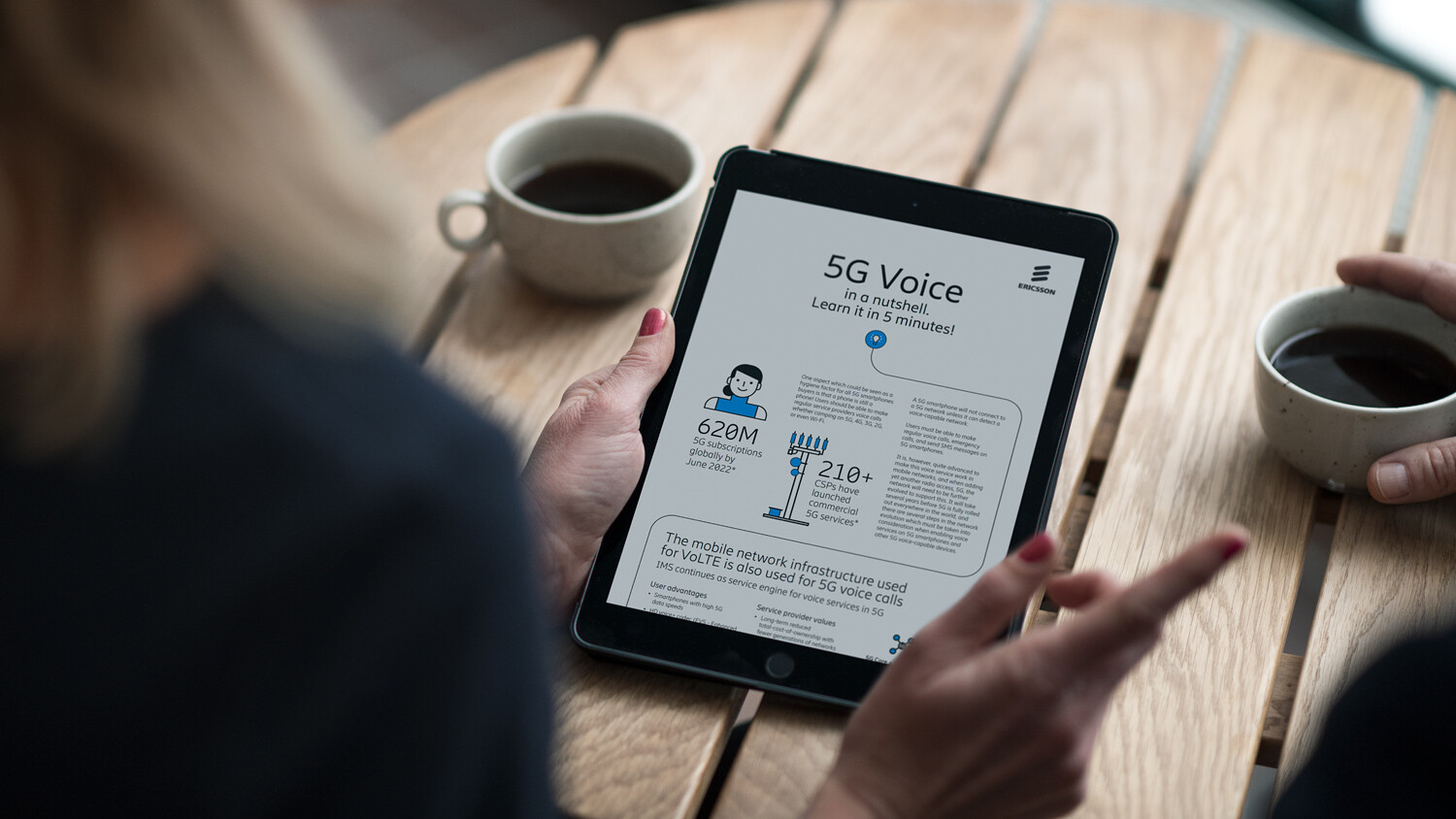
Voice is still the king of communication in a 5G world and there will be even more consumer and enterprise use cases developed where high-quality voice and communication services experiences are crucial.

Automated operations with CI/CD

Continuous Integration and Continuous Delivery (CI/CD) transforms the management of software lifecycles, building automated processes for shorter time to market, enhanced service agility and seamless rollouts of new releases and features.

Further insights

Press releases

Blog posts

Cases

Papers and reports