What is 5G?
5G is the fifth generation of cellular networks. Up to 100 times faster than 4G, 5G is creating never-before-seen opportunities for people and businesses.
Faster connectivity speeds, ultra-low latency and greater bandwidth is advancing societies, transforming industries and dramatically enhancing day-to-day experiences. Services that we used to see as futuristic, such as e-health, connected vehicles and traffic systems and advanced mobile cloud gaming have arrived.
With 5G technology, we can help create a smarter, safer and more sustainable future.

5G brings new capabilities that create opportunities for people, businesses and society. But what is 5G going to mean for you? Put simply: a lot.
The basics of 5G explained
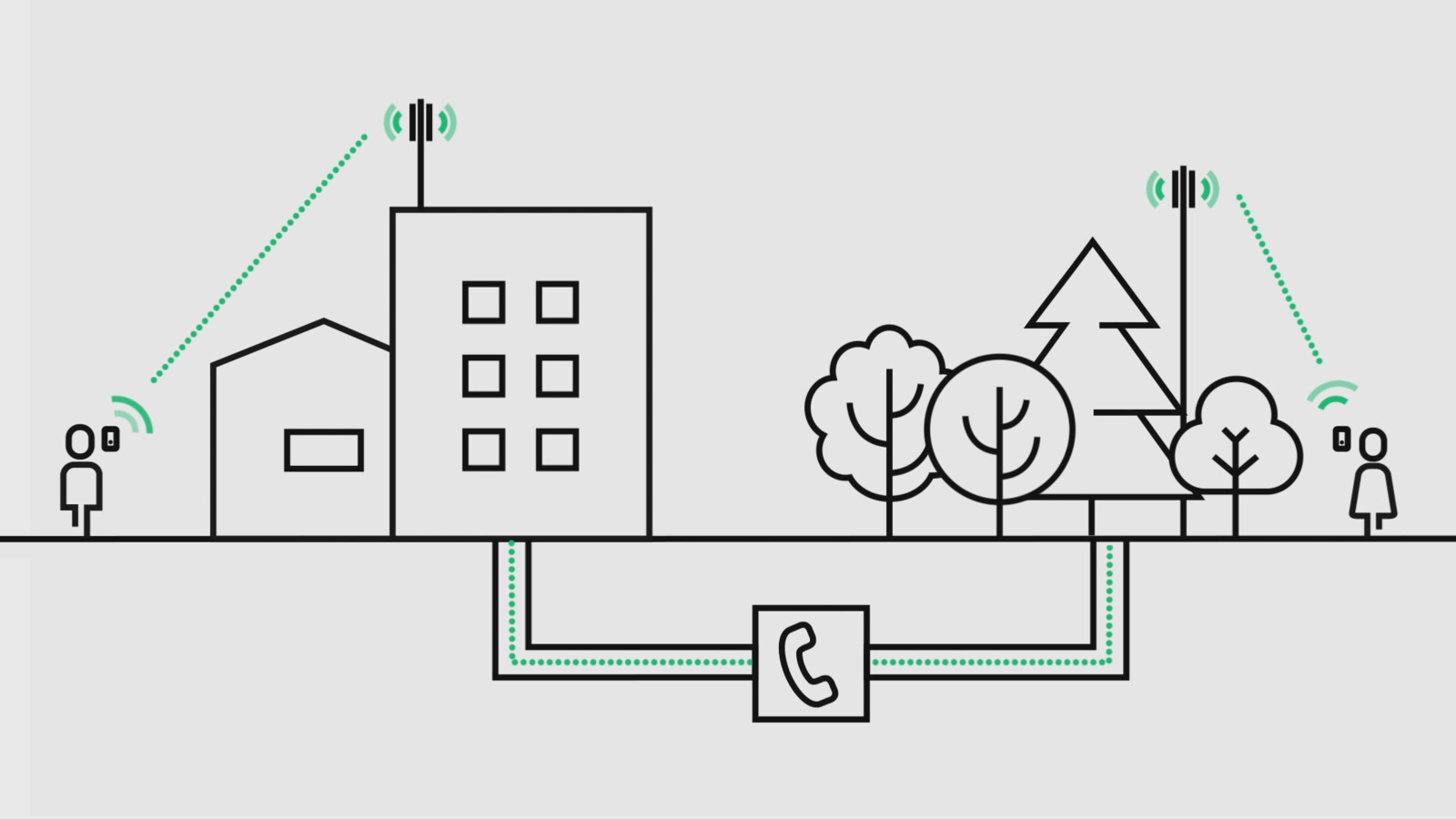
How do 5G networks work?
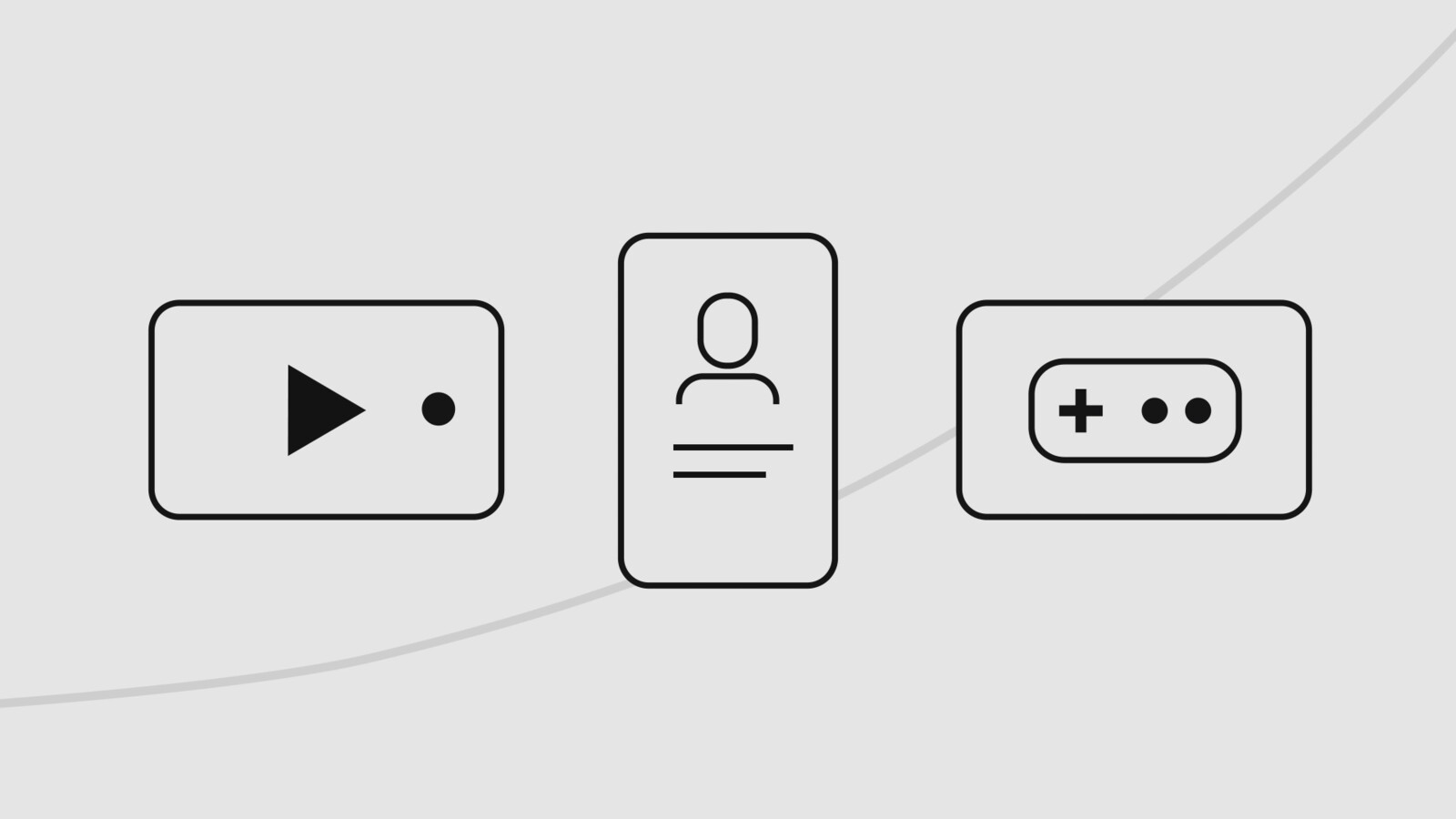
How fast is 5G compared to 4G?
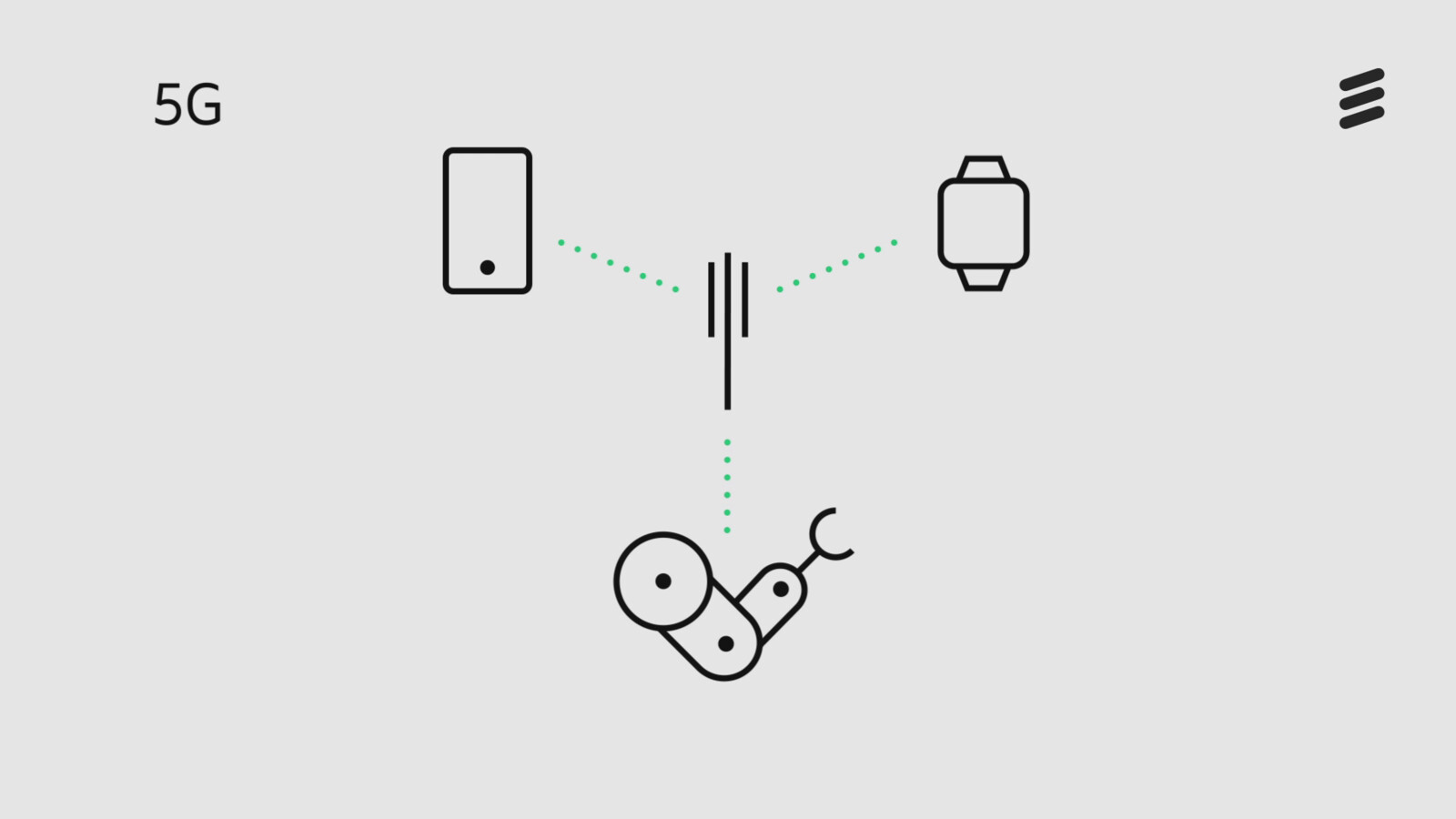
What kind of devices can 5G connect?
5G's key features and capabilities
Faster speeds
5G is designed to deliver significantly faster data rates compared to 4G, including achievable peak data download rates up to 20Gbps, with significantly improved upload rates up to 10Gbps.
Wider bandwidths
5G mid- and high-band spectrum introduces new, wider bandwidth capabilities for mobile networks. 5G multi-antenna solutions can also unlock higher capacity on any given bandwidth without the addition of new radio sites.
Efficient coverage
5G carrier aggregation and spectrum sharing make it possible to aggregate and reuse deployed sites and spectrum, enabling wider 5G coverage through existing radio sites.
Lower latency
5G reduces the time it takes for data to travel across the network to your device by a factor of five, lowering latency to a matter of milliseconds and enabling new 5G real-time applications.
Massive connections
5G is designed to manage 1000 times higher data volumes compared to 4G, making it possible to support large IoT deployments in dense traffic hotspots.
Precise positioning
5G improves positioning accuracy by one hundred-fold, delivering new possibilities for fast-moving IoT applications across manufacturing, logistics, and transport – including non-terrestrial networks.
5G vs 4G at a glance
While previous mobile generations were developed primarily to address consumer use cases, from 2G’s voice and messaging services to 3G’s web-browsing and 4G’s higher-speed data and video streaming – 5G is developed to transform not only the lives of consumers, but also entire enterprises, industries, and public infrastructures.
This is possible thanks to 5G’s support for ultra low latency, higher capacity, improved mobility and positioning. With new possibilities to move data processing away from devices and cloud servers closer to the network edge, as well as ensuring guaranteed quality of service through network slicing, 5G makes it possible to serve the exact needs and requirements of each mobile user.
Unlike previous mobile generations, 5G also introduces a new virtualized cloud-based core, enabling new AI-based automation possibilities to network and taking us closer than ever to fully autonomous intent-based networks with minimal human touch.
Comparing the performance of 5G vs 4G
| 5G | 4G | |
|---|---|---|
| Peak download speed | 20 Gbps | 1 Gbps |
| Peak upload speed | 10 Gbps | 0.2 Gbps |
| Latency (shortest delay time) | 1 millisecond | 10 milliseconds |
| Availability | 99.999% | 99.99X% |
| Mobility | 500 km/h | 350 km/h |
| Positioning accuracy | 1 meter | 45 meters |
| Device density (per square mile) | 2.5 million | 250 |
5G spectrum: the key differences
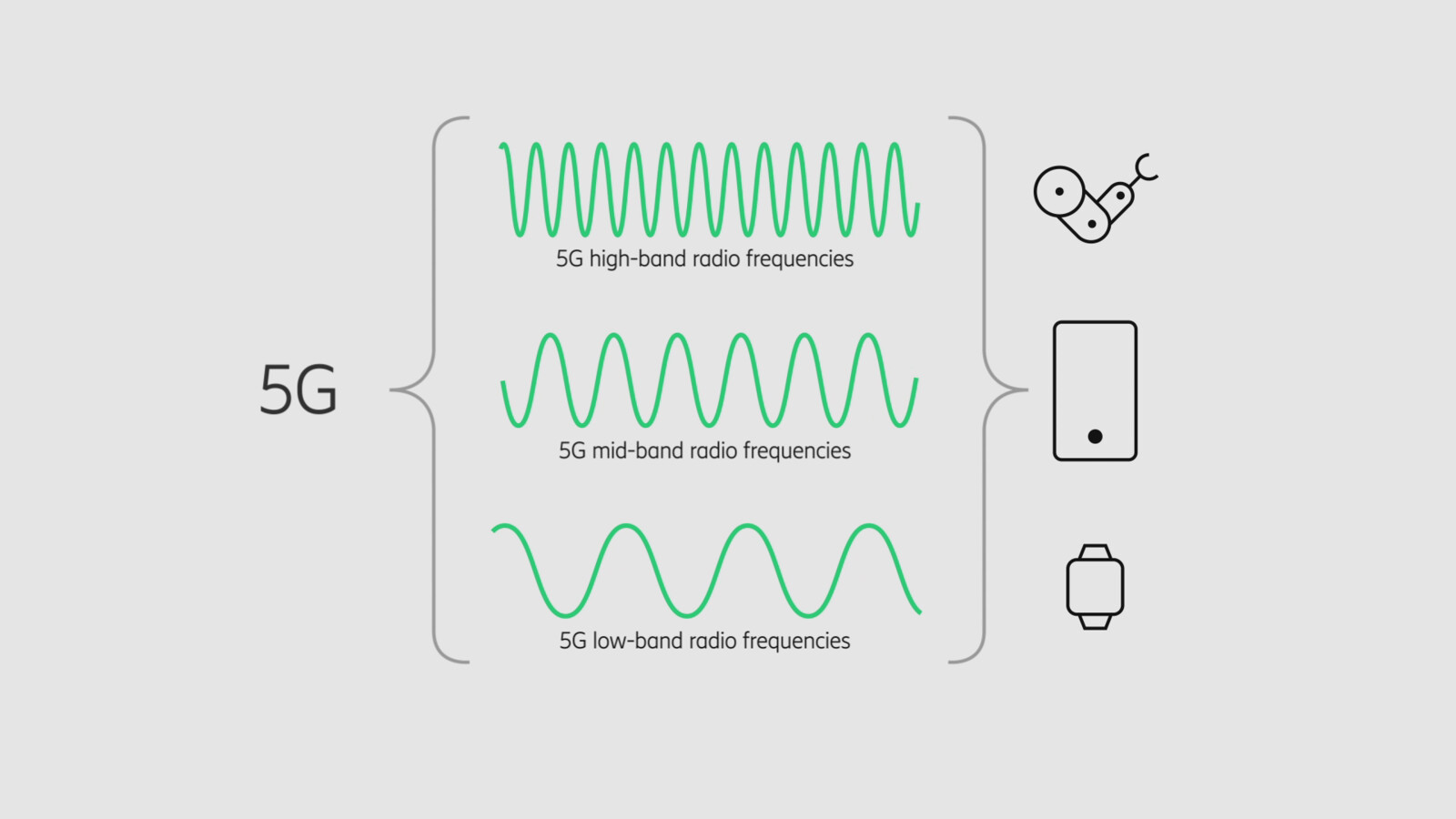
5G introduces new frequency bands in the mid- and high spectrum range, unlocking entirely new bandwidth capabilities and much faster speeds across mobile networks.
Together with existing 3GPP low-band frequencies, this combination means that 5G can deliver the required coverage, quality and capacity for new services such as enhanced mobile broadband, IoT, industrial automation and mission-critical business cases.
Low-band 5G (below 1GHz)
Low-band 5G spectrum comes from a mix of re-farmed spectrum from early mobile generations (1G, 2G) and previously unused bands. Offering favorable radio wave propagation characteristics, low-band 5G is crucial in building out 5G coverage.
Mid-band 5G (1GHz to 6GHz)
Mid-band 5G spectrum is regarded as 5G’s ‘backbone’, combining a favorable combination of good propagation characteristics (coverage) and wider bandwidths (capacity). This includes existing 3G/4G bands, as well as new spectrum licensed for mobile services.
High-band 5G (24.25GHz to 86GHz)
High-band 5G spectrum is completely new for 5G and enables the launch of high-performance 5G services in dedicated zones. Services that rely on 5G high band require denser deployments of ‘small cell’ solutions to achieve the required high-capacity indoor- and outdoor coverage.
Top picks: gamechanging 5G technologies and use cases
5G will do much more than significantly improve your network connection. It provides new opportunities, enabling us to deliver groundbreaking solutions that reach across society.

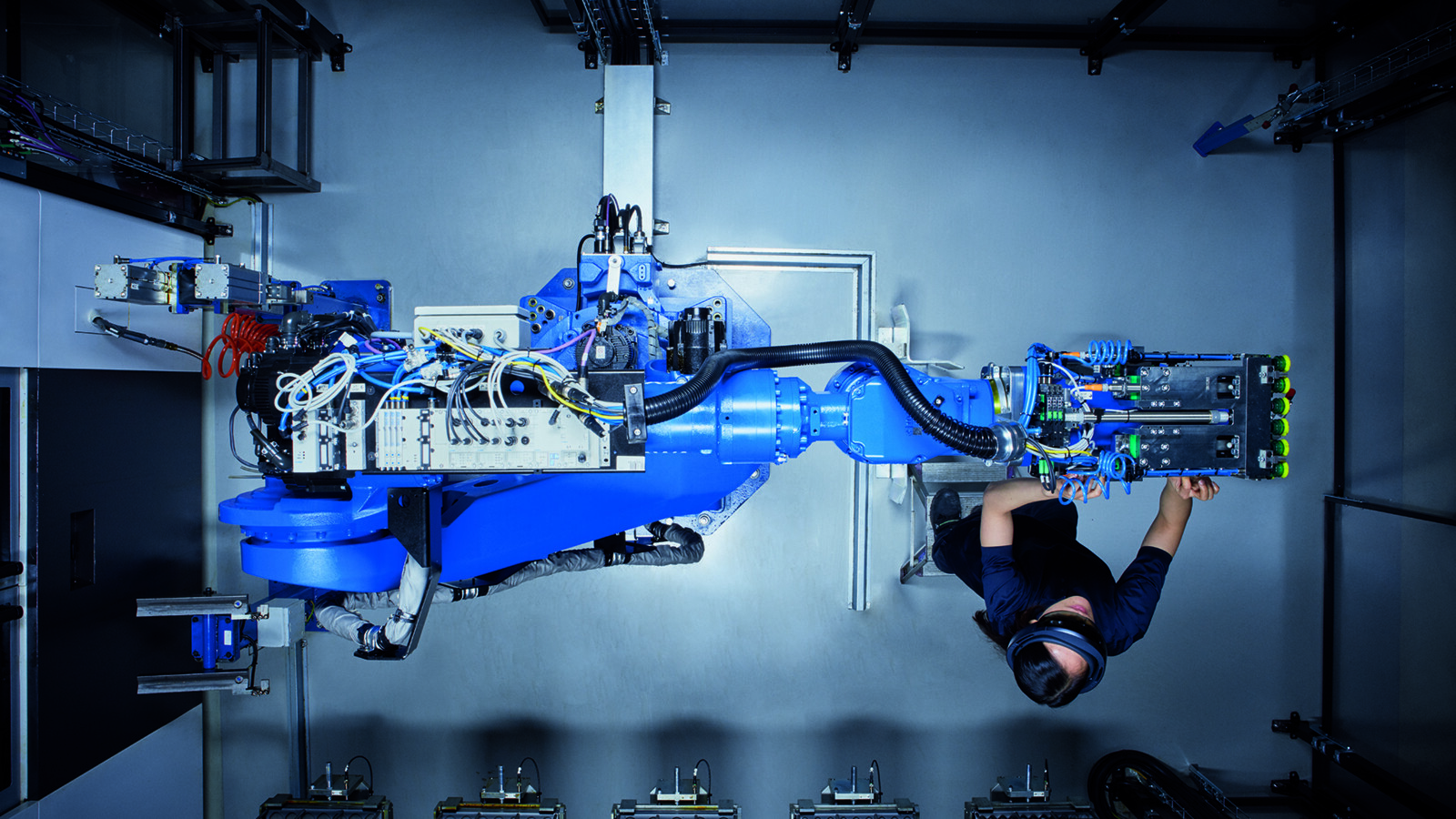

Explore other 5G use cases.
Featured 5G applications explained
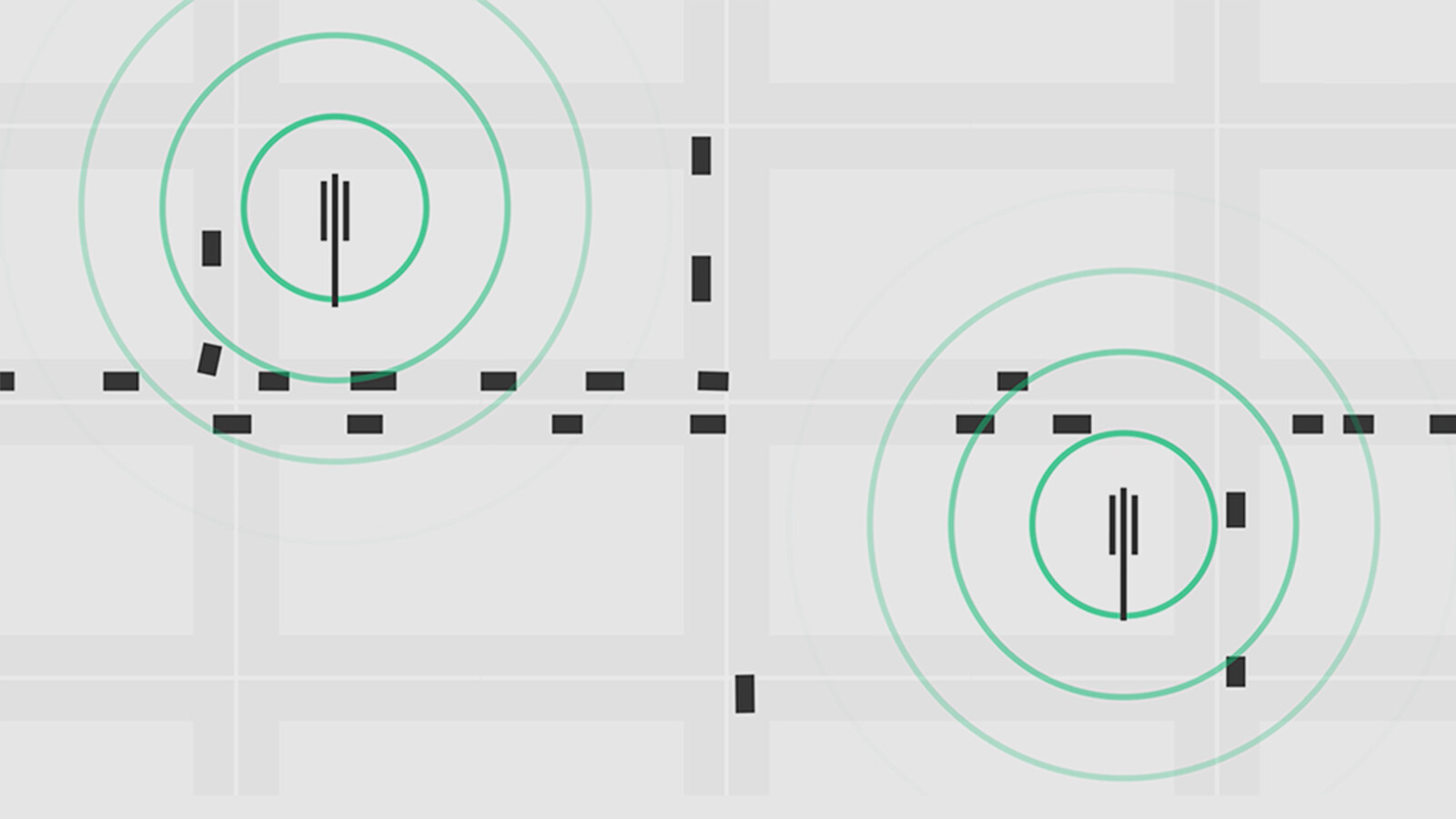
How can 5G help your car to see around corners?
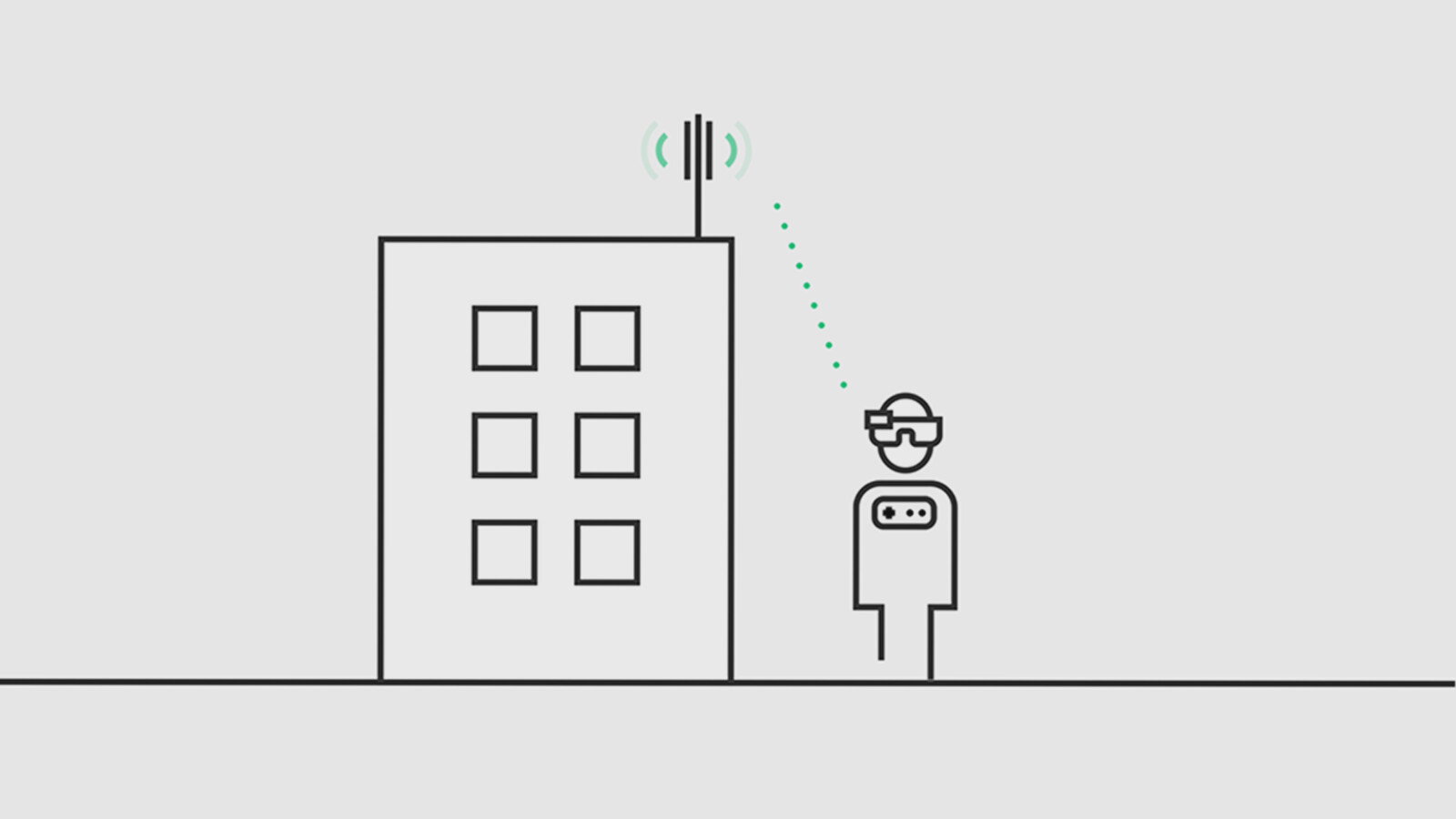
How can 5G revolutionize the gaming industry?
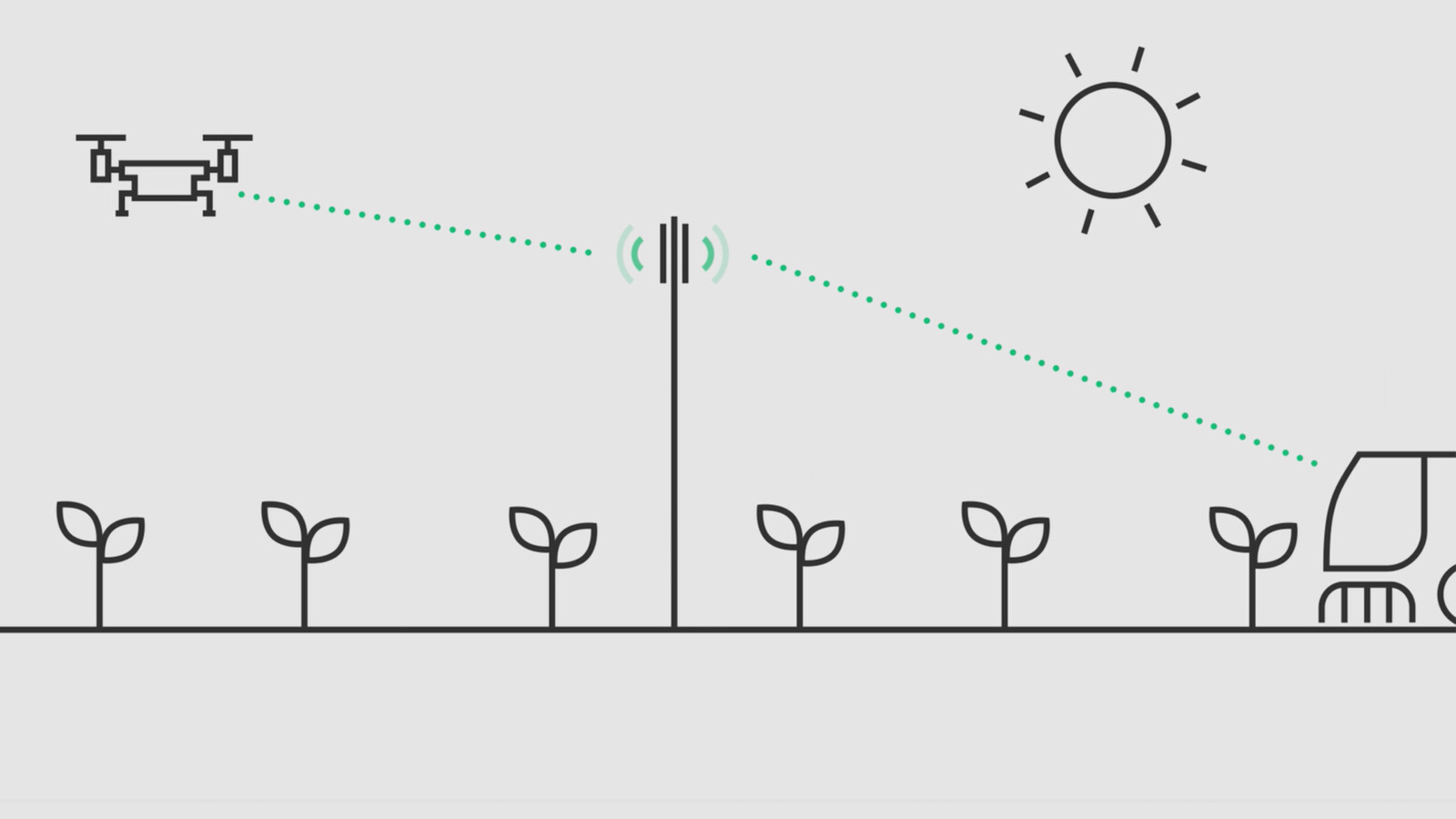
How can 5G help to feed a growing population?
Explore what's happening today across 5G markets


Stay up to date with the latest 5G forecasts
5G uptake is growing worldwide and remains strong even in the face of ongoing economic challenges and geopolitical unrest in some markets.
85 percent of the global population are expected to have 5G coverage access by the end of 2029, with global 5G subscriptions forecast to top 5.3 billion in the same year.
Explore more 5G forecasts in the Ericsson Mobility Report.
5G: a generation unlike any other
5G is not an evolution of previous mobile generations, it’s a revolution: designed from scratch to deliver new benchmarks for security and energy efficiency.
More energy efficient
5G is the most energy efficient of all mobile generations, capable of reducing network power consumption and improving device battery lifetime by a factor of ten. The development of high-performance Ericsson Silicon processors has played a key role in improving the weight- and energy efficiency of network hardware also by a factor of ten from 2016 to 2022.
Learn more about Network energy performance
More secure
5G is most secure mobile network ever, with security built-in as part of the standardization process to ensure higher reliability and availability. With such a secure baseline, 5G can facilitate the widespread digitization, automation, and connectivity of machines, robots, and transport solutions – marking the beginning of a new network security era.
Learn more about Telecom security
More intelligent
5G marks an era of cloud-native networks, making it possible to deploy AI-based software across all network domains – from the network core to the RAN, and the network edge. Through advanced AI software solutions such as anomaly detection, dynamic resource allocation, quality-of-service optimization, and more, AI is spearheading new ways to enhance the performance, security, and customer and service experience of today’s networks.