















As AI moves out into the real world, it increasingly relies on mobile networks to work well. To serve AI, networks need AI themselves. Embedding the right AI models in the right place helps the network automate, simplify and perform at scale.

From smart glasses to autonomous vehicles, AI is stepping into the physical world. This puts communication service providers (CSPs) right at the center of the AI revolution. Yet, meeting these new network demands requires intelligent network evolution. By delivering deterministic connectivity CSPs become an indispensable backbone of real-world AI.




Maximizing 5G SA value under extreme density
During the Formula 1 Japanese Grand Prix, SoftBank deployed parallel 5G SA slices for high-value use cases alongside 315,000 attendees. Building on existing 5G standalone investments with automated control, SoftBank proved that premium service differentiation and general access can coexist without overhauling the network.
Read more

From automation to autonomy: Scaling efficiency without risk
Static over-provisioning has long served as a hedge against operational risk, driving up capital costs and energy consumption. Developed in collaboration with Telstra, this industry paper demonstrates how intent-based autonomy dynamically aligns capacity with live demand, unlocking capital and energy efficiency by scaling operations seamlessly without manual intervention.
Read more

Preparing networks for the AI wearable expansion
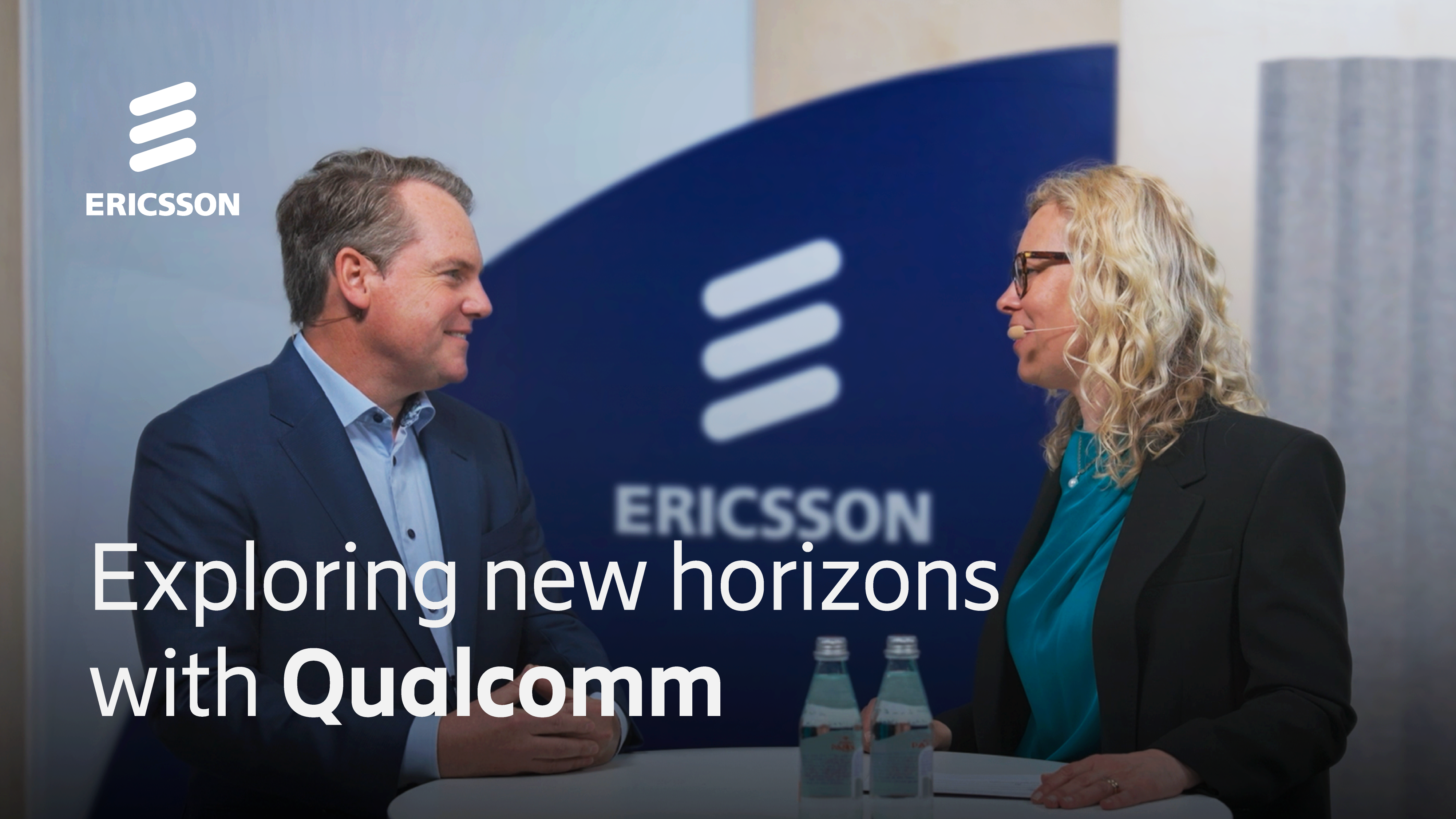
Smart glasses and multi-modal AI assistants are shifting mobile engagement to continuous, heads-up experiences. In a joint study with Qualcomm Technologies, we show how targeted 5G capabilities and 6G architectures deliver exact uplink performance where needed to scale XR workloads efficiently.
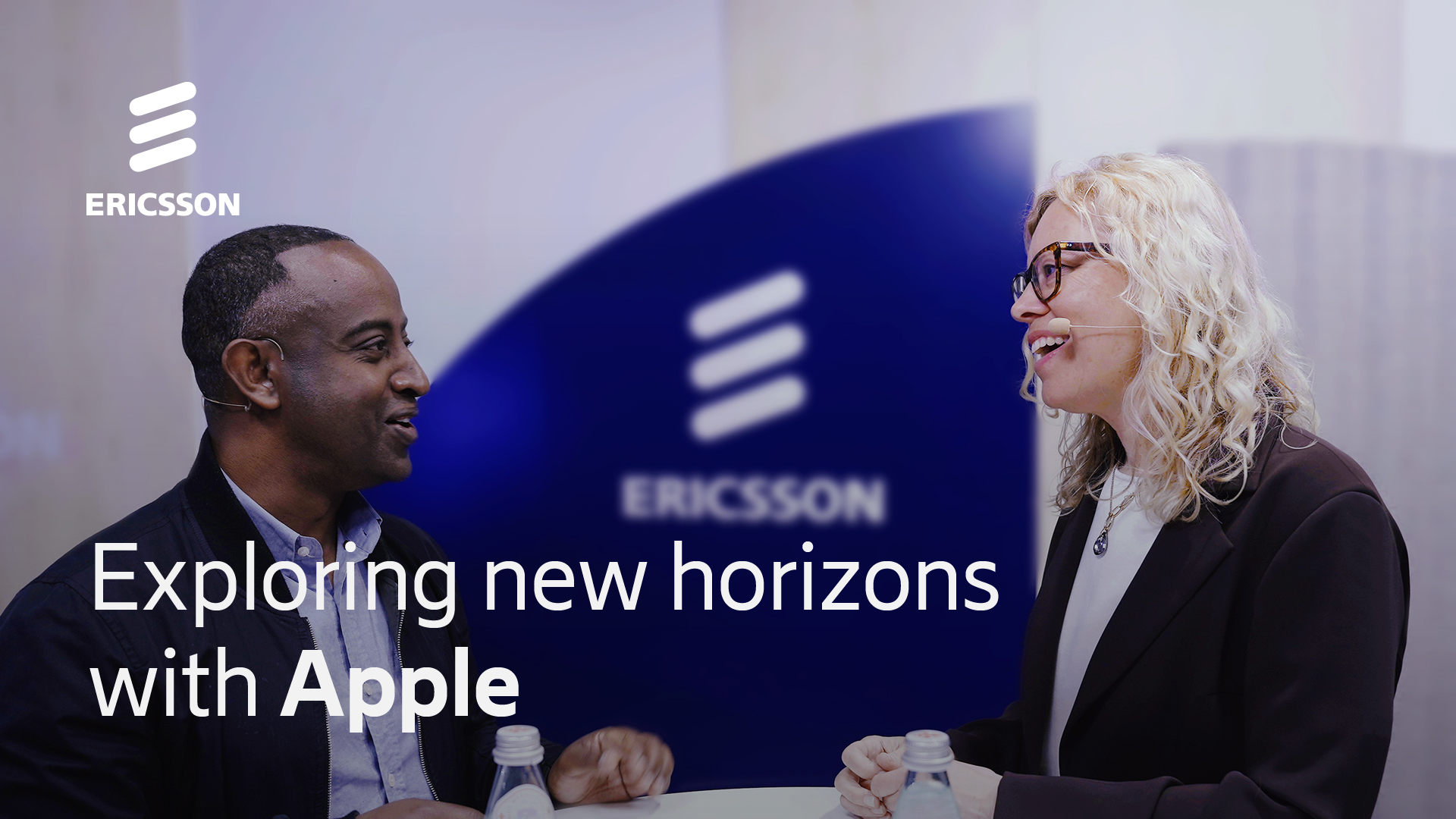
Multi-RAT spectrum sharing (MRSS): Accelerating 6G on existing spectrum
Radio spectrum is a scarce and valuable resource. MRSS enables a faster 6G rollout by allowing 6G and 5G to coexist dynamically on existing bands. To make 6G practical from day one, we collaborate with Apple and other device makers to advance the smarter spectrum sharing and device intelligence needed for seamless network evolution.
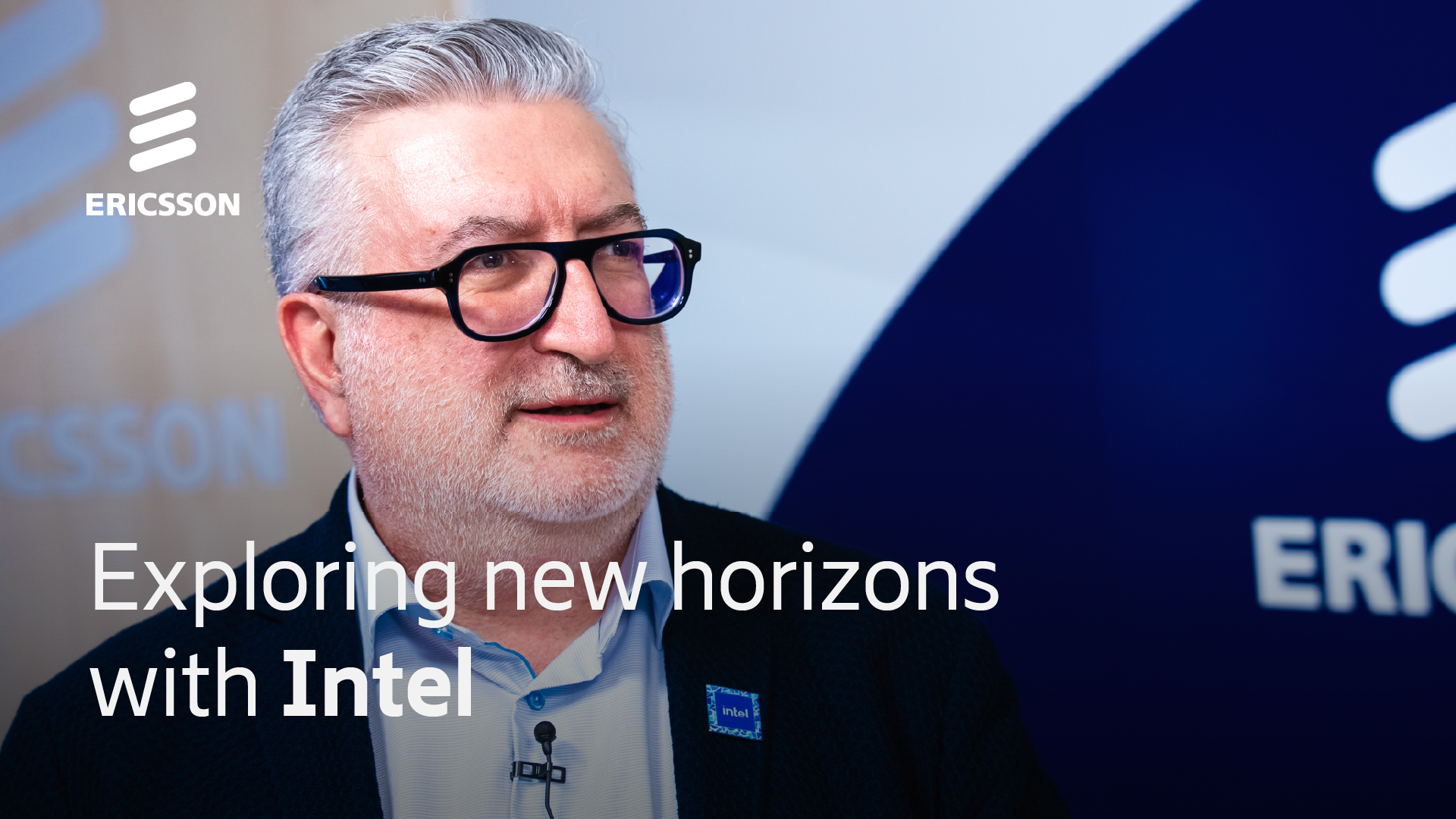
Advancing open, AI-native RAN
The next wave of network innovation relies on open collaboration rather than standalone solutions. Together with Intel, we are driving the shift from AI-ready to AI-native networks through open, programmable RAN architectures. By leveraging shared strengths and developer-friendly open standards, we help CSPs manage complex AI inference and deploy new capabilities faster.
Accelerating network autonomy with agentic AI
Delivering rApps as a Service on AWS Marketplace marks a key step toward Level 4 autonomous networks. By combining telecom domain knowledge with agentic AI on cloud infrastructure, this collaboration enables developers to build self-operating network software at unprecedented speed.

As AI moves into the real world, from smartphone agents and smart glasses to physical AI such as drones and humanoid robots, more of it runs over mobile networks. These devices continuously send camera, sensor and voice data upstream, and uplink traffic is expected to triple by 2031 (Ericsson Mobility Report, June 2026). Many AI applications also need deterministic latency. The greatest pressure comes when many AI applications operate in the same place at the same time.
No. Much of today’s infrastructure can evolve stepwise, with AI deployed as software on existing hardware. For example, over 90% of Ericsson’s Massive MIMO sites are already AI-ready. A demand-driven approach to network evolution protects previous investments while preparing the network for new AI use cases.
AI applications come with varying network requirements, making guaranteed performance essential for reliable execution. CSPs can monetize these requirements through two complementary paths.
Differentiated connectivity provides tailored performance for the high-value moments enterprises and consumers are willing to pay extra for. Meanwhile, network APIs expose programmable capabilities to developers, such as allowing third-party AI applications to request guaranteed performance on demand.
Network autonomy is a core enabler of the shift toward AI-native operations, uniting two closely connected dimensions: AI for networks and networks for AI.
These two dimensions are interdependent: AI is required to manage rising network complexity, while AI applications place increasingly demanding requirements on network performance.
Autonomous networks serve as the operating model that connects them—enabling CSPs to support AI-powered use cases and unlock new revenue streams while scaling operational efficiency.
The road to 6G starts with 5G Standalone and 5G Advanced. 6G is designed to build on existing network investments: CSPs can reuse today’s sites and grid, share spectrum between 5G and 6G, and evolve the core rather than replace it. By embedding AI into their 5G networks now, CSPs build the operational experience, data foundations and automation capabilities that AI-native 6G depends on.